
7 Clematis Varieties and Care Tips for Beautiful Flowering Vines

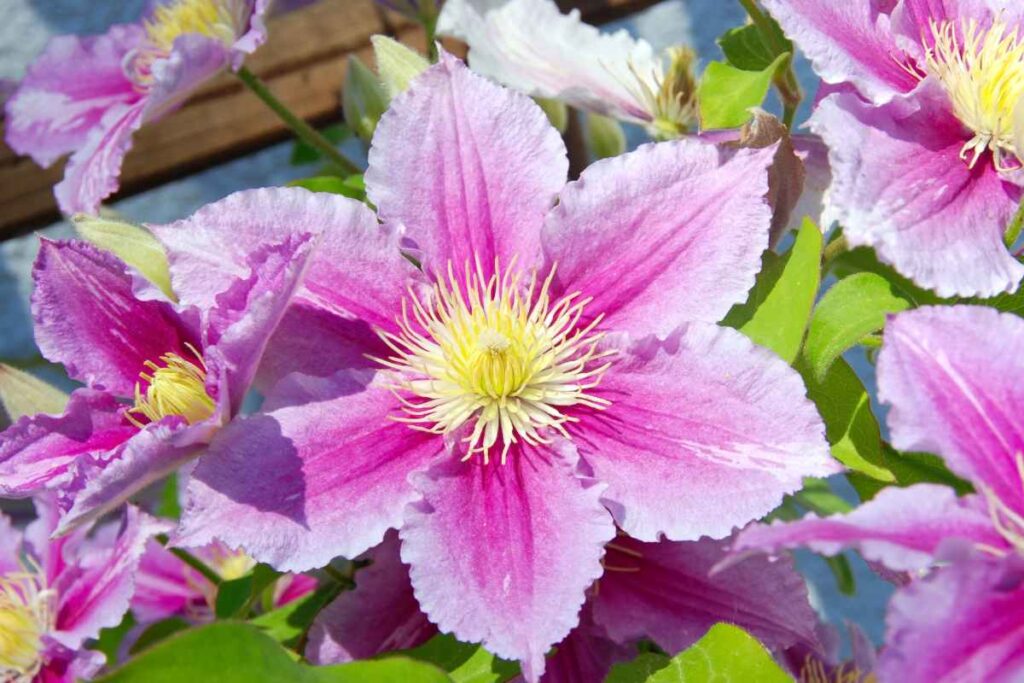
Clematis is one of those garden plants that can make a fence, trellis, arbor, or porch feel instantly more romantic. With the right variety and a few simple care habits, these flowering vines can bring color, height, and softness to your outdoor space.
In this guide, you’ll learn about 7 beautiful clematis varieties and how to care for them so they grow strong and bloom well. Whether you’re planting your first clematis or looking for a new variety to add to your garden, this will help you choose with more confidence.
Why Clematis Is a Favorite Flowering Vine
Clematis is loved for its climbing habit, wide range of flower colors, and ability to add vertical interest without taking up much ground space. Many varieties can be trained over trellises, fences, arches, obelisks, or pergolas.
One of the most important things to understand is that clematis varieties can have different pruning needs. Gardeners often group them into Group 1, Group 2, and Group 3, depending on when they bloom and whether they flower on old or new growth. The Royal Horticultural Society notes that these pruning groups are tied to flowering time and help determine when to prune.
A good clematis setup usually includes:
- A sturdy support for climbing stems
- Moist, well-drained soil
- Sun on the vine and some protection for the root area
- The right pruning approach for the specific variety
7 Clematis Varieties to Grow in Your Garden
These clematis varieties offer a mix of colors, bloom styles, and garden uses. Always check the plant tag when buying, especially for pruning group and mature size.
1. Clematis ‘Jackmanii’

‘Jackmanii’ is one of the classic purple clematis varieties, known for its rich, deep violet-purple blooms. It’s a beautiful choice for trellises, fences, and garden arches where you want strong color in summer.
This variety is often listed as a Group 3 clematis, which means it blooms on new growth and is usually pruned back hard in late winter or early spring. Missouri Botanical Garden recommends fertile, medium-moisture, well-drained soil and a support structure for clematis vines.
Best for: bold purple color, cottage gardens, trellises, and vertical accents.
2. Clematis ‘Nelly Moser’
‘Nelly Moser’ is a well-known clematis with pale pink-lavender petals and a deeper pink stripe down the center. It has a softer, more romantic look than darker purple types.
This variety can perform especially well where it receives bright light without harsh afternoon sun. Too much intense sun may fade the delicate coloring, so light shade can be helpful in warmer climates.
Best for: soft color palettes, cottage-style gardens, fences, and partial sun spots.
3. Clematis ‘The President’

‘The President’ is a dramatic variety with large, deep purple-blue flowers. It works beautifully when trained on a trellis near a patio, porch, or entryway where the blooms can be appreciated up close.
Because it is a large-flowered clematis, it benefits from careful pruning rather than random cutting. Many large-flowered varieties are treated as Group 2, meaning they need light pruning to remove dead or weak stems and encourage flowering.
Best for: statement blooms, classic garden designs, and decorative supports.
4. Clematis ‘Polish Spirit’
‘Polish Spirit’ is a reliable purple clematis that can bring a generous flush of blooms to the garden. It has a slightly more relaxed, natural look, making it a lovely choice for informal planting schemes.
This variety is commonly grown as a later-flowering clematis, which makes it useful for extending color into the garden after spring blooms have faded. Late-flowering clematis often flower on current-season growth and are easier to prune than some early large-flowered types.
Best for: long-season color, informal gardens, fences, and pergolas.
5. Clematis ‘Henryi’

‘Henryi’ is a beautiful white clematis with large, clean-looking flowers that stand out against green foliage. It is especially useful if your garden already has many bright colors and you want something calming and elegant.
White clematis varieties can also brighten shaded corners or create a fresh look on a dark fence or arbor. Pair it with lavender, blue, or soft pink flowers for a peaceful garden combination.
Best for: white gardens, evening gardens, calm color schemes, and contrast.
6. Clematis ‘Niobe’
‘Niobe’ is known for its rich red to wine-colored flowers. It has a bold, velvety appearance that looks beautiful against neutral walls, rustic fences, or dark green foliage.
This variety is a good option when you want a clematis that feels a little more dramatic than the usual pink or purple choices. It can also pair beautifully with pale roses or silver-leaved plants.
Best for: dramatic color, romantic gardens, and high-contrast planting designs.
7. Clematis montana
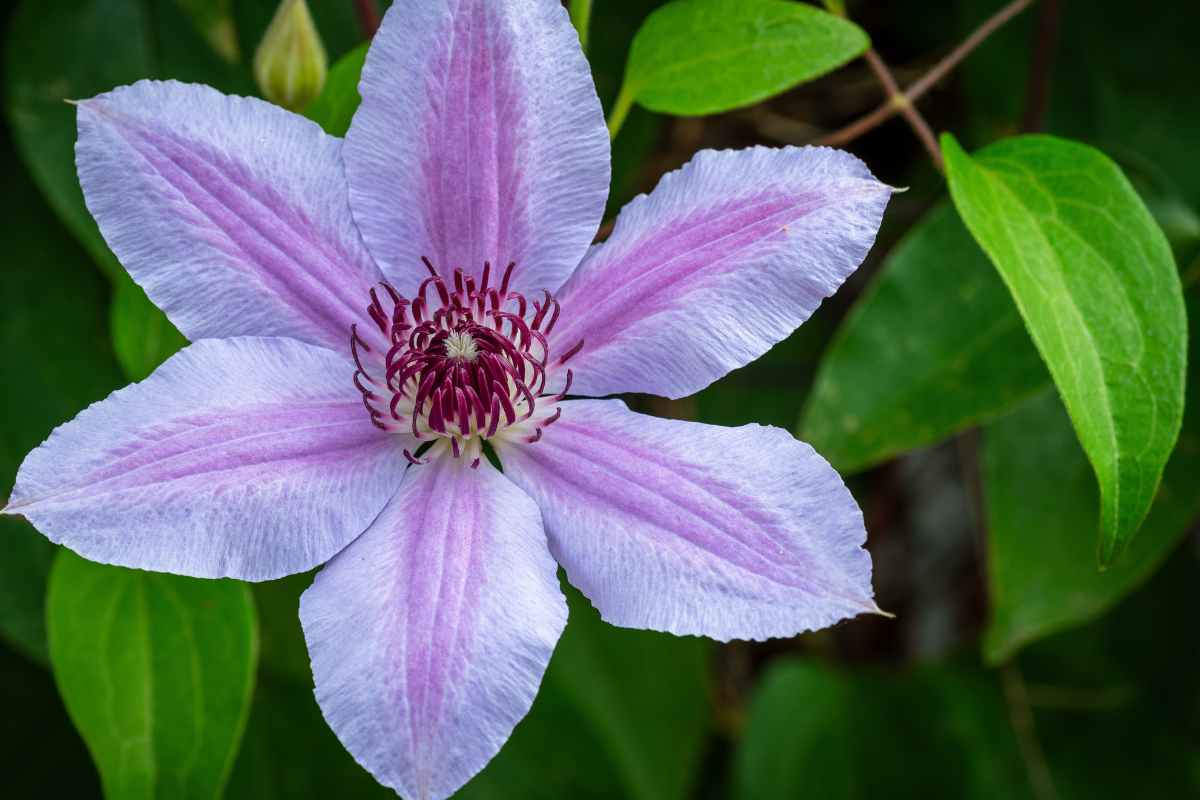
Clematis montana is a vigorous spring-flowering clematis that can cover larger structures beautifully. It often produces masses of smaller flowers, creating a soft, abundant look.
Because it can grow strongly, this type needs enough space and a sturdy support. It is generally treated as a Group 1 clematis, which means it usually needs little pruning beyond tidying and shaping after flowering. RHS guidance lists Group 1 clematis as plants to prune after flowering, once frost risk has passed.
Best for: large pergolas, fences, arches, and spring flower displays.
How to Plant Clematis for Stronger Growth
Clematis does best when planted with care from the beginning. Choose a spot where the vine can climb, the soil drains well, and the plant has room to mature.
A simple planting checklist:
- Choose the right support. Use a trellis, obelisk, arbor, fence, or pergola that matches the mature size of your variety.
- Prepare the soil. Clematis prefers fertile, well-drained soil that stays evenly moist but not soggy.
- Plant with support nearby. Place the plant close enough that young stems can be guided gently onto the structure.
- Water deeply after planting. Keep the soil consistently moist while the plant establishes.
- Protect the root zone. Add mulch or plant low-growing companions nearby to help shade the soil.
A common clematis saying is “heads in the sun, feet in the shade.” In practice, this means the flowering vine often enjoys sun while the root area benefits from cool, moist, protected soil. Missouri Botanical Garden also recommends keeping clematis roots cool, shaded, and uniformly moist.
Clematis Care Tips You Can Apply Today
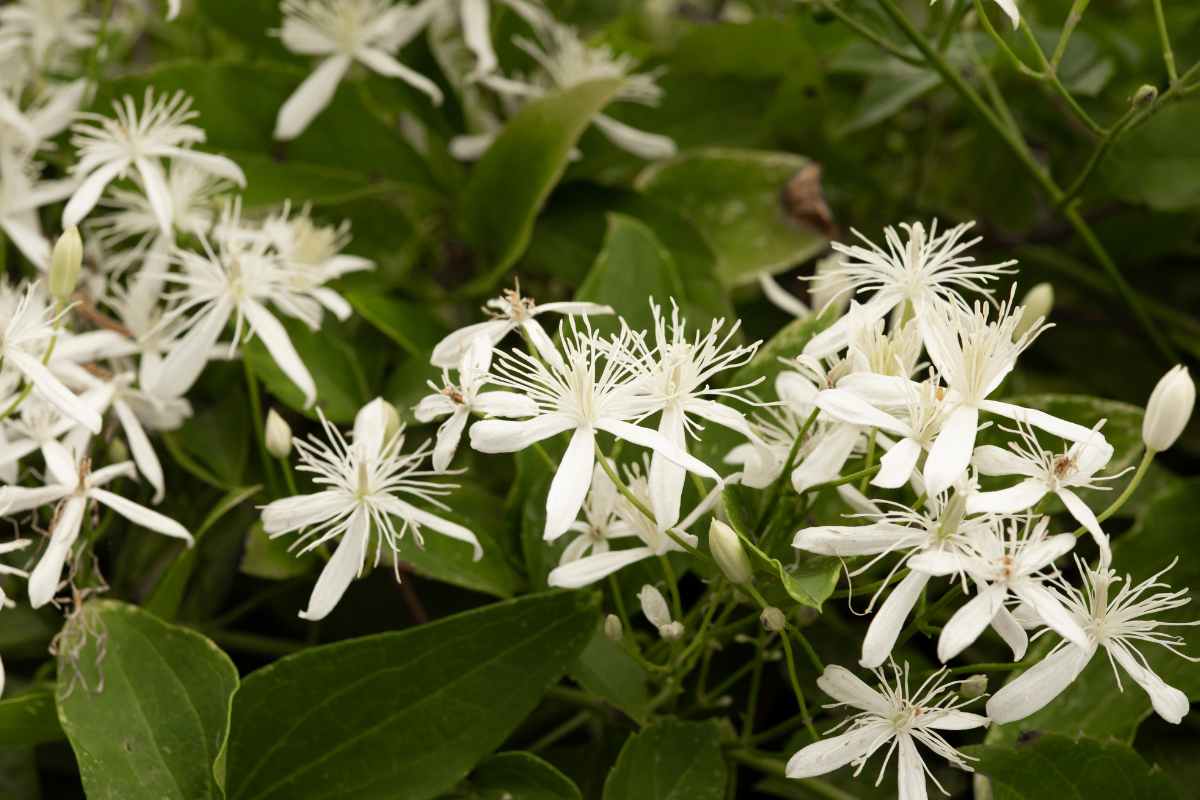
Once clematis is planted, the main care needs are watering, mulching, feeding, training, and pruning.
Water Consistently
Clematis likes soil that stays evenly moist, especially during dry spells. Water deeply rather than giving the plant frequent shallow sprinkles.
For newer plants, check the soil regularly during warm weather. Established vines may tolerate short dry periods better, but they still bloom best with consistent moisture.
Mulch the Root Area
Add a layer of organic mulch around the base of the plant to help retain moisture and regulate soil temperature. Keep mulch a little away from the main stems so moisture does not sit directly against the crown.
Good mulch options include:
- Shredded bark
- Compost
- Leaf mold
- Straw in informal gardens
Train Stems Gently
Young clematis stems are delicate, so guide them carefully. Use soft garden ties if needed, and avoid tying stems too tightly.
As the plant grows, check occasionally to make sure stems are not tangled, broken, or growing away from the support.
Feed Without Overdoing It
Clematis benefits from fertile soil, but more fertilizer does not always mean more flowers. Use compost or a balanced garden fertilizer according to label directions, and avoid pushing too much leafy growth at the expense of blooms.
Understanding Clematis Pruning Groups

Pruning is where many gardeners feel nervous, but it becomes easier once you know the group.
Group 1 Clematis
Group 1 clematis blooms on old wood, usually in spring. These varieties need minimal pruning. Trim them after flowering only to shape the plant, remove dead growth, or control size.
Examples may include Clematis montana and some evergreen or early-flowering types.
Group 2 Clematis
Group 2 clematis often blooms in late spring or early summer and may bloom again later. These varieties usually need light pruning in late winter or early spring, plus optional tidying after the first flush of flowers.
RHS guidance describes Group 2 pruning as pruning in February and again after the first flush of flowers in early summer.
Examples may include many large-flowered varieties such as ‘Nelly Moser’ and ‘The President’.
Group 3 Clematis
Group 3 clematis blooms on new growth, often in summer or early fall. These are usually the easiest to prune because they can be cut back hard in late winter or early spring.
Examples may include ‘Jackmanii’ and many later-flowering clematis varieties.
Common Clematis Mistakes to Avoid
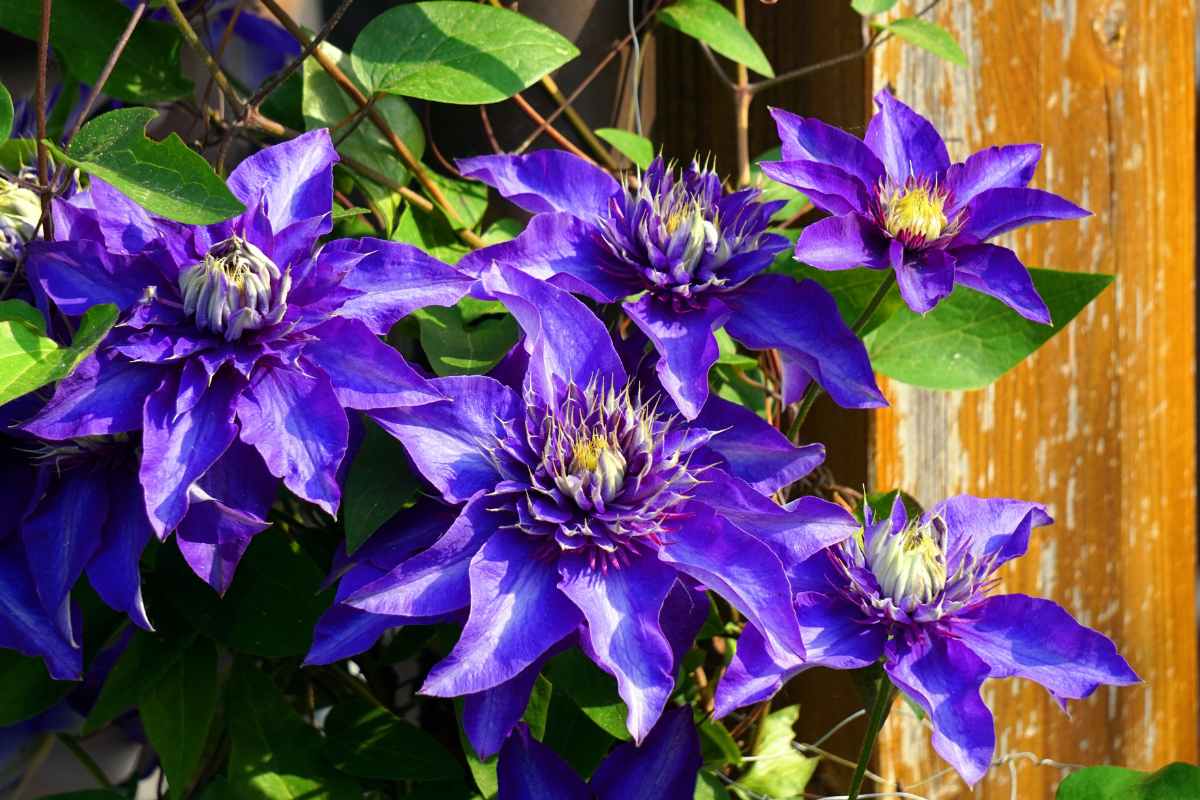
Clematis is not especially difficult, but a few simple mistakes can lead to fewer flowers or weak growth.
Pruning at the Wrong Time
The biggest mistake is pruning every clematis the same way. A Group 1 clematis cut back hard in early spring may lose many of its flower buds, while a Group 3 clematis left unpruned can become tangled and less productive.
Always check the variety name and pruning group before cutting.
Letting the Roots Dry Out
Clematis roots prefer consistent moisture. Dry soil can stress the plant, especially during the first growing season.
Mulch, regular watering, and nearby low-growing plants can help keep the root zone more comfortable.
Choosing a Weak Support
Some clematis varieties stay compact, while others can become large and vigorous. A flimsy support may work at first but fail once the vine matures.
Match the support to the mature size of the variety, not just the size of the plant when you buy it.
Planting in Poorly Drained Soil
Clematis likes moisture, but it does not like sitting in waterlogged soil. If your soil is heavy clay, improve the planting area with compost and avoid low spots where water collects.
Easy Design Ideas for Clematis in the Garden

Clematis can be used in many ways, from small-space gardens to lush cottage-style landscapes.
Try growing clematis:
- Over a garden arch for a romantic entrance
- Along a fence to soften hard lines
- Up an obelisk in a flower bed
- Through a shrub or climbing rose for layered blooms
- In a large container with a sturdy trellis, if the variety is suitable
For a beautiful mixed planting, pair purple clematis with pale roses, white clematis with lavender, or red clematis with silver foliage plants.
Closing
Clematis can look delicate, but with the right variety, steady watering, good support, and proper pruning, it can become one of the most rewarding flowering vines in your garden. Start with one variety that fits your space, learn its pruning group, and build your care routine from there.
A little attention at the beginning can lead to years of beautiful blooms climbing through your garden.
Happy gardening,
Emily
More Gardening Tips 👇🏼👇🏼