
Cold-Weather Tips for Happy Cacti

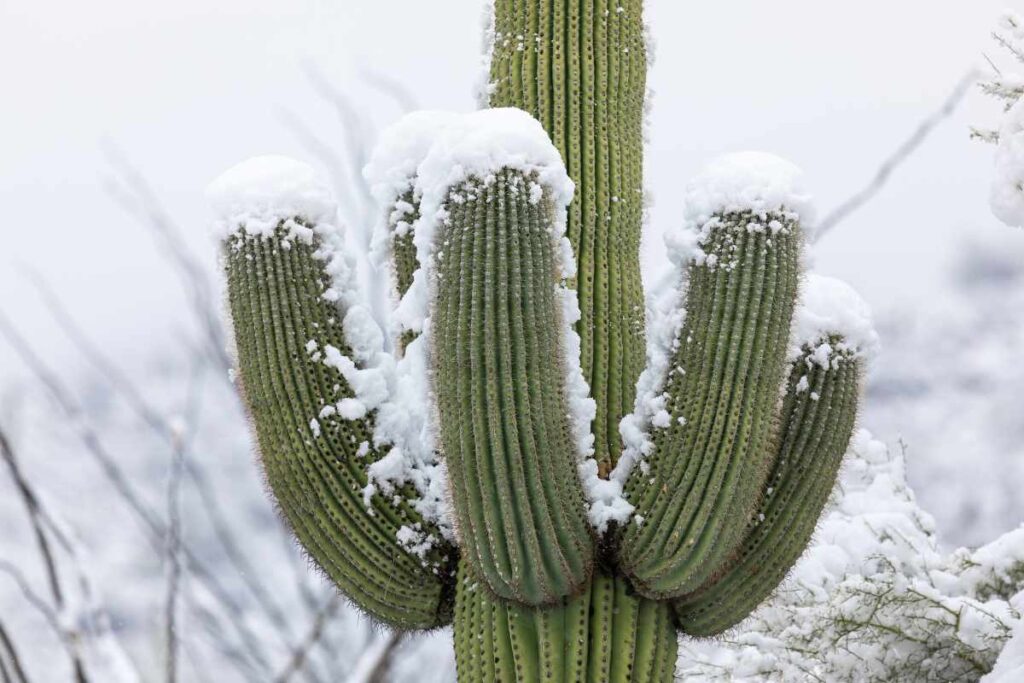
Cacti are often associated with dry heat and bright sunlight, but that doesn’t mean they’re strangers to winter. Many cactus varieties are surprisingly adaptable when the temperatures start to dip.
From the mountains of North America to the high plains of South America, some species have naturally evolved to handle frosty nights and even snow-covered landscapes.
Still, not all cacti are built for the cold. Whether you're growing them in containers or directly in the soil, understanding how to support them through chilly months can make a big difference in their long-term health.
Know the Nature of Your Cactus
Before winter even begins, one of the most important things is to identify the type of cactus you’re growing. Some are naturally cold-tolerant, like the Opuntia (prickly pear) or Echinocereus (hedgehog cactus).
These tough varieties can survive sub-freezing conditions as long as they stay dry.
On the other hand, tropical species like Epiphyllum or Aporocactus are far more delicate. They are better suited to life indoors once the temperature drops below 50°F (10°C). Understanding your plant's natural origin can guide all your winter care decisions.
Let the Soil Dry Before the Cold Sets In
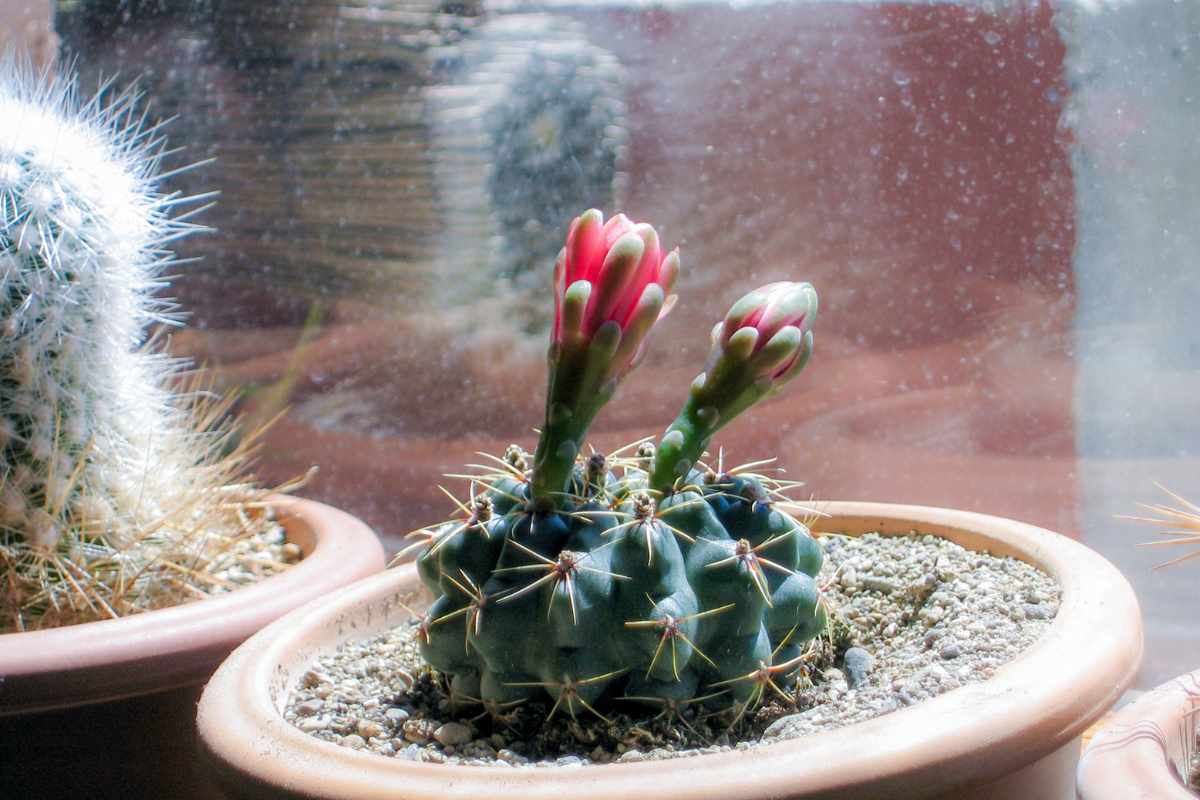
Cacti don’t like cold feet, especially when their roots are wet. One of the most common reasons for winter damage is water sitting in the soil when the temperature drops. Frozen moisture inside a cactus can rupture its tissues and lead to rot.
As autumn ends, gradually reduce watering and let the soil dry out. This signals to the plant that it’s time to enter a dormant phase, conserving energy and becoming less sensitive to the cold.
Dry soil is also much less likely to freeze around the roots, offering an extra layer of protection.
Choose the Right Location Outdoors
Positioning is everything for cacti that live outside year-round. Plants near south-facing walls or stone features tend to fare better during winter.
These structures absorb daytime warmth and release it slowly at night, creating a mini microclimate that stays just a bit warmer than the surrounding area.
Raised beds and well-draining soil also help by keeping excess moisture away from roots. Even in snowy climates, a cactus in the right spot can survive cold spells with minimal stress.
Shielding from Frost and Wind
Though many cacti can handle cold, frost is a different story. A sudden frost can damage delicate pads or stems, particularly if the plant isn’t fully dormant or still has moisture in its tissue.
One of the easiest ways to provide light protection is by using frost cloths or breathable covers during especially cold nights. These materials allow air to circulate but help trap some warmth around the plant.
It’s also smart to create wind barriers with screens or burlap if your cactus is exposed to freezing gusts.
Limit Indoor Heating Stress
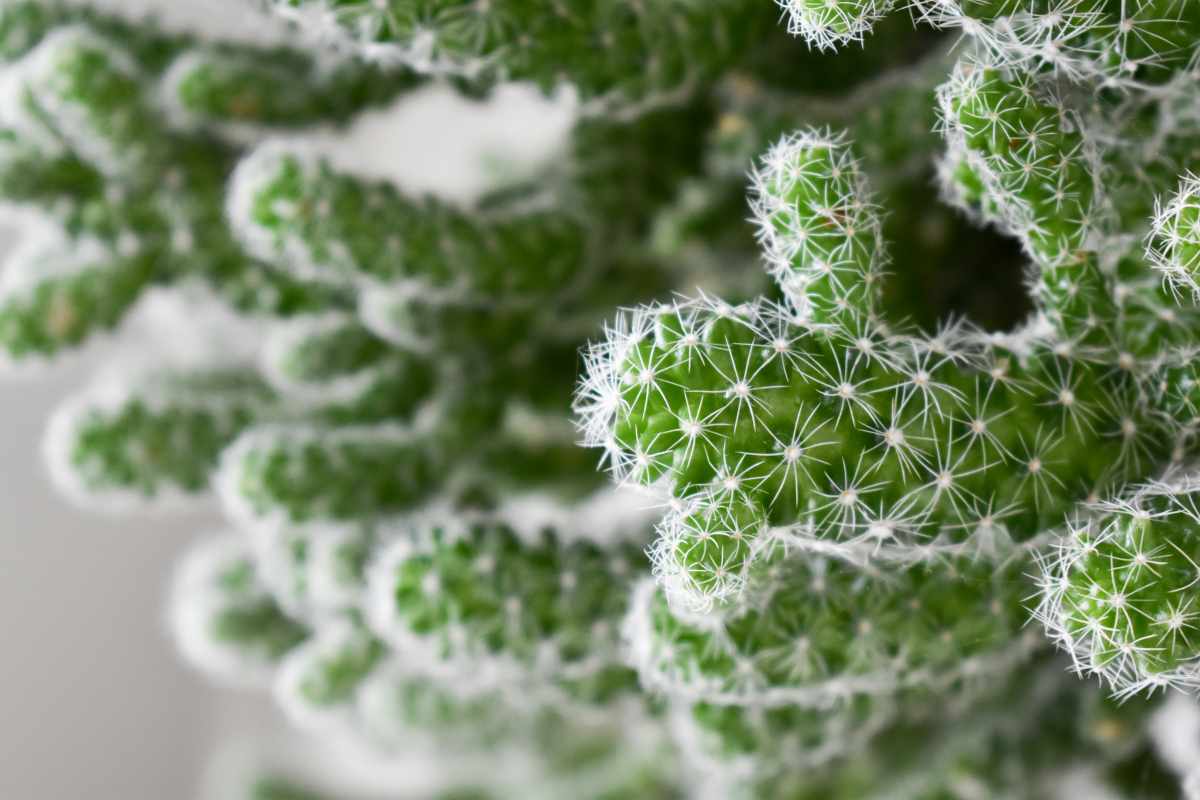
Bringing your cactus inside for the winter? Great idea—but keep an eye on where you place it. Heated indoor air can dry out your plant too quickly, or confuse it into thinking it should start growing again. Ideally, find a cool, bright spot near a window where the plant gets plenty of light but isn’t blasted with heat from a vent or radiator.
The goal is to let your cactus stay in semi-dormancy, so avoid overwatering or fertilizing during this time. It might not look like much is happening, but beneath the surface, your plant is still alive and well.
Watch for Subtle Signs of Stress
Cacti don’t always show distress in obvious ways, so it helps to keep an eye on changes in texture or color. A healthy plant will feel firm, even in winter. If the tissue becomes soft or translucent, it could be an early sign of cold damage or rot.
Some color change, however, is natural. Red, purple, or duller hues in colder months can be a response to lower light or temperature. As long as the plant stays structurally sound, it’s likely just adapting to seasonal changes.
Avoid Fertilizers Until Spring
During winter, most cacti go into dormancy. They stop growing, focus on conserving resources, and prepare for the active season ahead. Because of this, adding fertilizer during cold months isn’t helpful—and can be harmful. The nutrients can trigger weak, off-season growth that becomes vulnerable to cold damage.
Hold off on feeding your cactus until warmer days return and you see signs of new growth. That’s when the plant is ready to wake up and start putting energy into flowers or new pods.
Mulching as a Gentle Winter Buffer
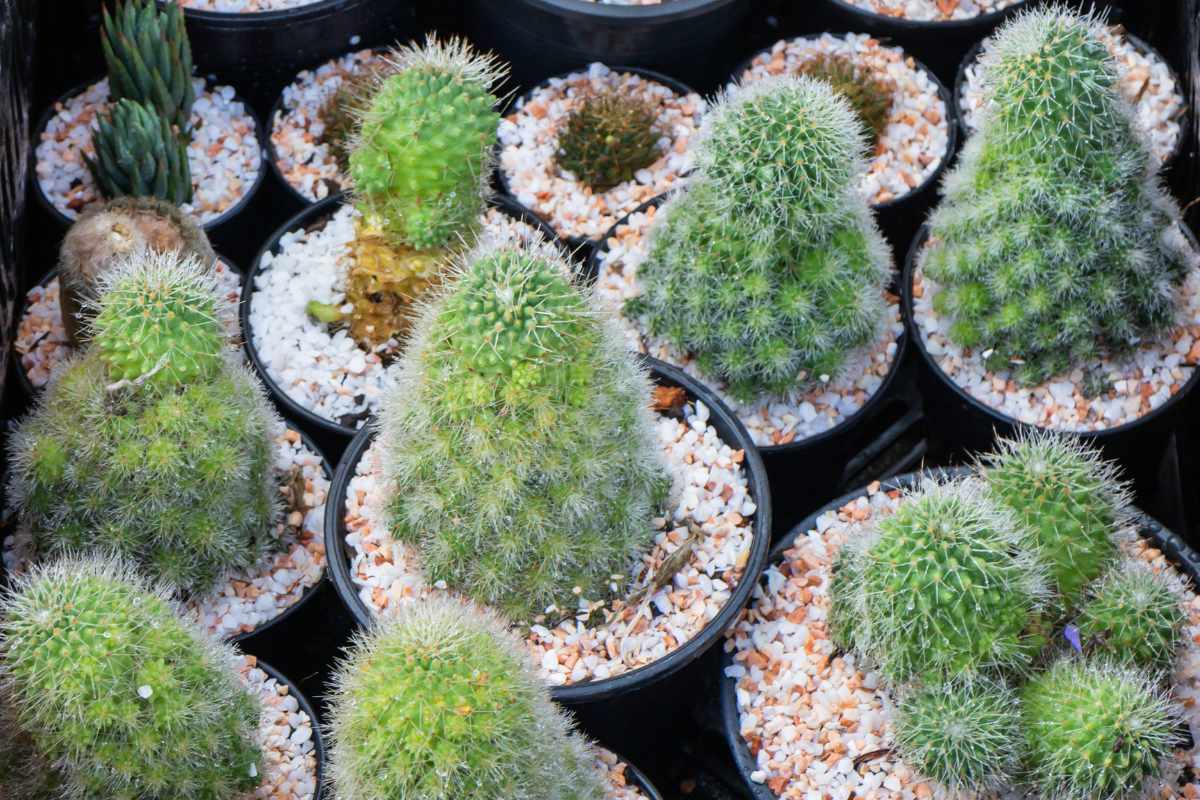
While mulch isn’t always necessary for cacti, in colder climates it can act as a helpful insulator. A light layer of gravel or crushed stone around the base of outdoor plants can protect the roots without holding moisture.
Organic mulches like bark or straw are generally too absorbent and can trap water, something you want to avoid in cactus care.
This layer also helps regulate soil temperature, reducing the shock of sudden freezes.
Container Plants Need Extra Attention
If you’re growing your cactus in a pot, you’ve got more control—but also more responsibility. Containers lose heat faster than the ground, which means roots can freeze sooner.
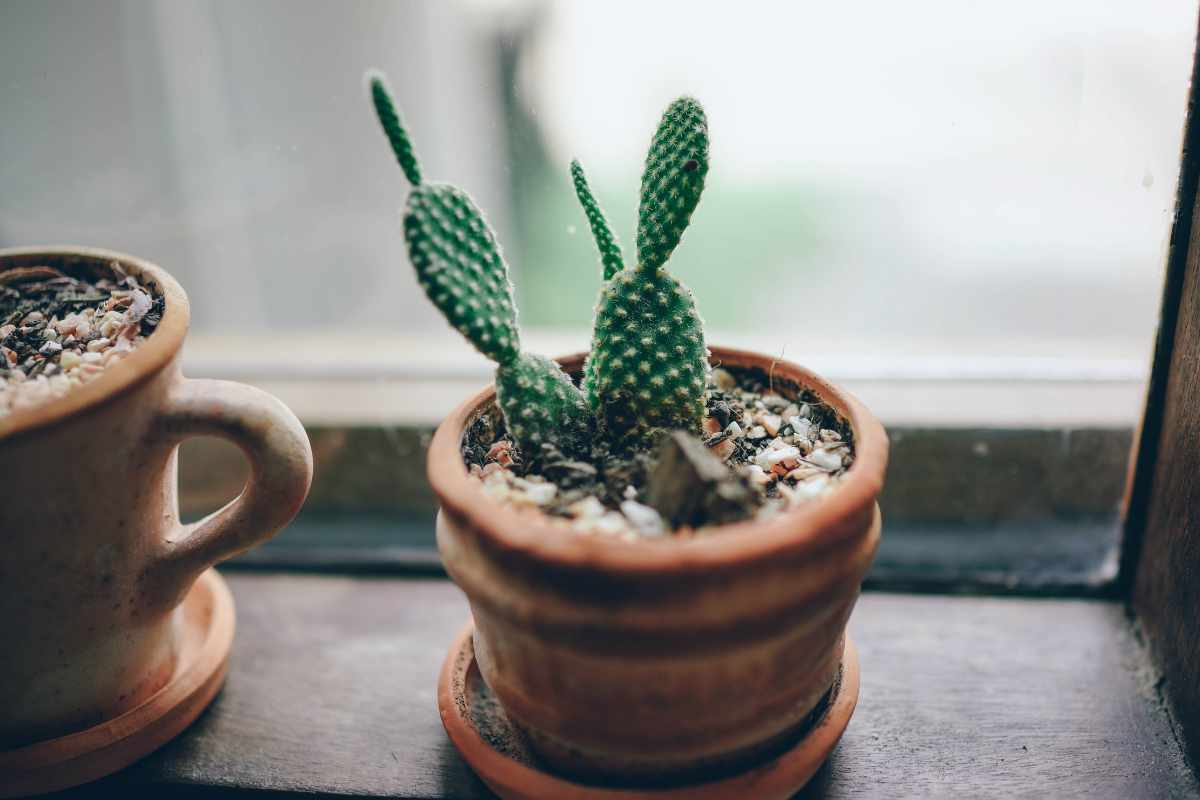
Make sure your pots are elevated slightly for drainage and are made of materials that don’t retain cold (avoid ceramic or terracotta in frost zones).
Bringing the pot indoors or into a garage or shed for cold nights is often the safest bet. Just make sure it still gets some natural light during the day.
Patience Pays Off in Spring
After months of quiet dormancy, many cacti will surprise you with an explosion of growth or even vibrant blooms once temperatures rise. Giving your plant a peaceful, stress-free winter increases the chances that it will reward you with flowers or fresh new growth.
Resisting the urge to intervene too often is part of successful cold-season care. Cacti have their rhythm, and they do best when allowed to follow it without too much disturbance.
Did you find this post useful or inspiring? Save THIS PIN to your GARDEN Board on Pinterest!

More Gardening Tips 👇🏼👇🏼