
Propagating & Caring for Hatiora Salicornioides (Dancing Bones Cactus)

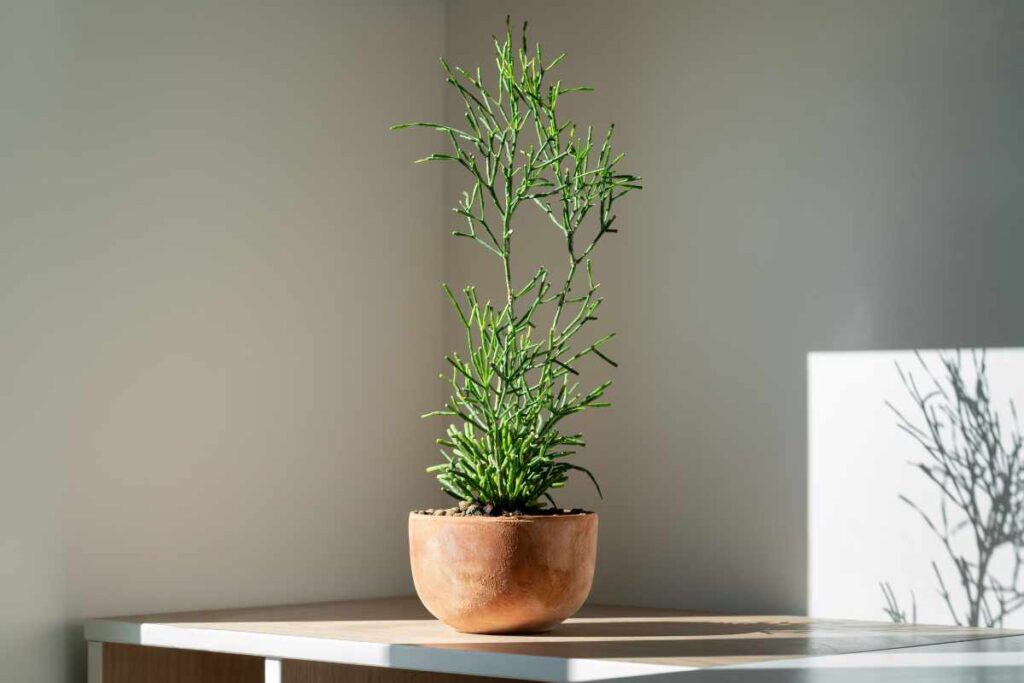
The Hatiora salicornioides, commonly known as the Dancing Bones Cactus, is a unique and charming plant admired for its delicate, jointed stems and bright yellow blooms.
Native to Brazil, this cactus thrives indoors and adds a sculptural touch to any plant collection.
Despite its intricate appearance, it’s surprisingly easy to grow and propagate once you understand its needs.
Getting to Know the Dancing Bones Cactus
Unlike many desert cacti, Hatiora salicornioides prefers a slightly more humid environment and filtered light.
Its segmented stems resemble coral or tiny bones, giving the plant a whimsical, dancing shape.
During spring, it produces small, tubular flowers that bring a cheerful burst of color to your home.
Because of its epiphytic nature, this cactus grows on trees in its natural habitat rather than in desert soil.
That means it appreciates good air circulation and a light, well-draining potting mix—similar to what you’d use for orchids or epiphytic succulents.
Propagating Hatiora Salicornioides
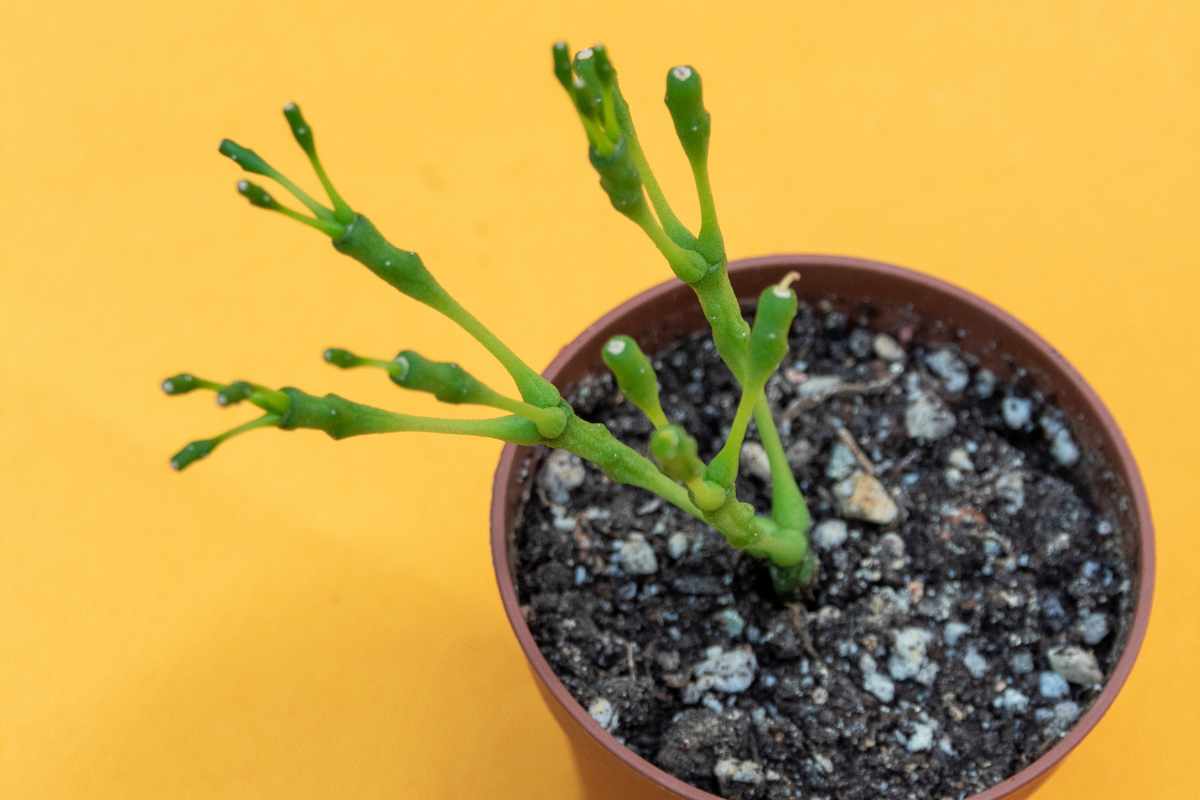
Propagation is one of the easiest and most enjoyable aspects of growing this plant.
To start, take a few healthy stem segments and let them dry for a day or two so the cut ends can callous over.
Once ready, place them in a pot with a mix of cactus soil and perlite or pumice.
Keep the soil lightly moist until new growth appears, then water less frequently.
Within a few weeks, you’ll notice fresh segments emerging—a sign that your propagation was successful.
Creating the Ideal Growing Conditions
The Dancing Bones Cactus thrives in bright, indirect light and appreciates a bit of extra attention when it comes to its environment.
With the right balance of light, water, and nutrients, it can grow vigorously and reward you with its signature yellow blooms.
Light Requirements
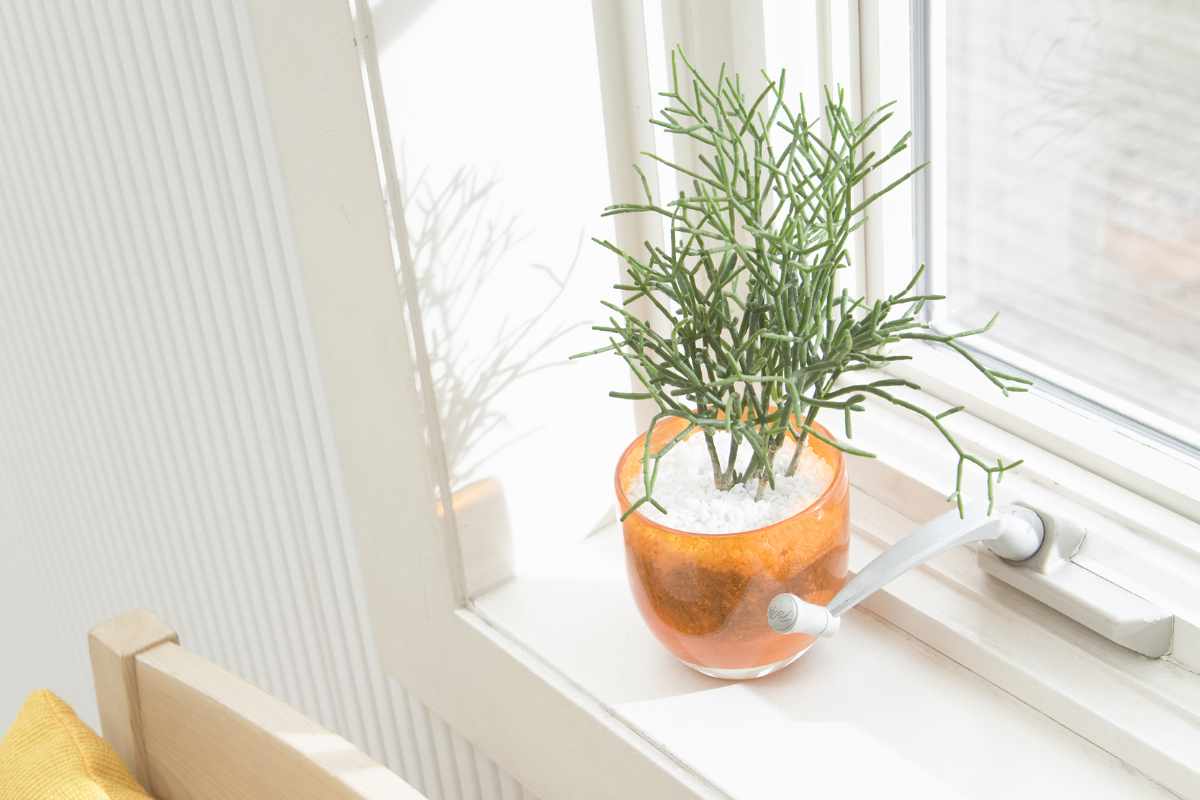
Place your cactus near a window with filtered sunlight or soft morning rays.
Too much direct sun can scorch its delicate stems, while too little will cause them to stretch and lose their vibrant color.
A bright but sheltered location helps maintain its compact, graceful form.
Watering Needs
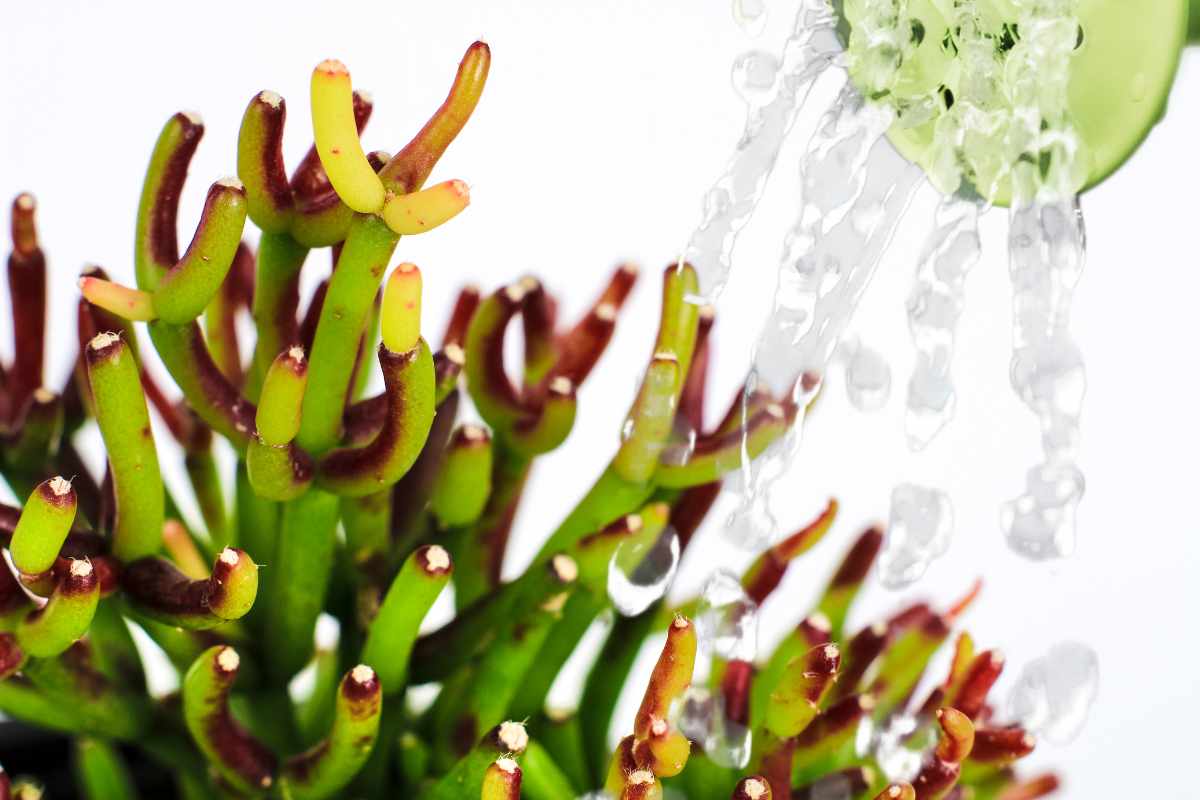
This cactus prefers moderate watering. Allow the soil to dry slightly between waterings, but never let it become completely dry for long periods.
Overwatering, however, can lead to root rot—so it’s best to keep the soil lightly moist rather than soggy.
Feeding and Seasonal Care

During the growing season, usually spring and summer, feed your plant once a month with a diluted, balanced fertilizer to support healthy growth and flowering.
As winter approaches, reduce watering and stop fertilizing altogether to let the plant rest.
This simple adjustment keeps it strong and ready for another cycle of growth when warmer days return.
Keeping It Healthy and Vibrant
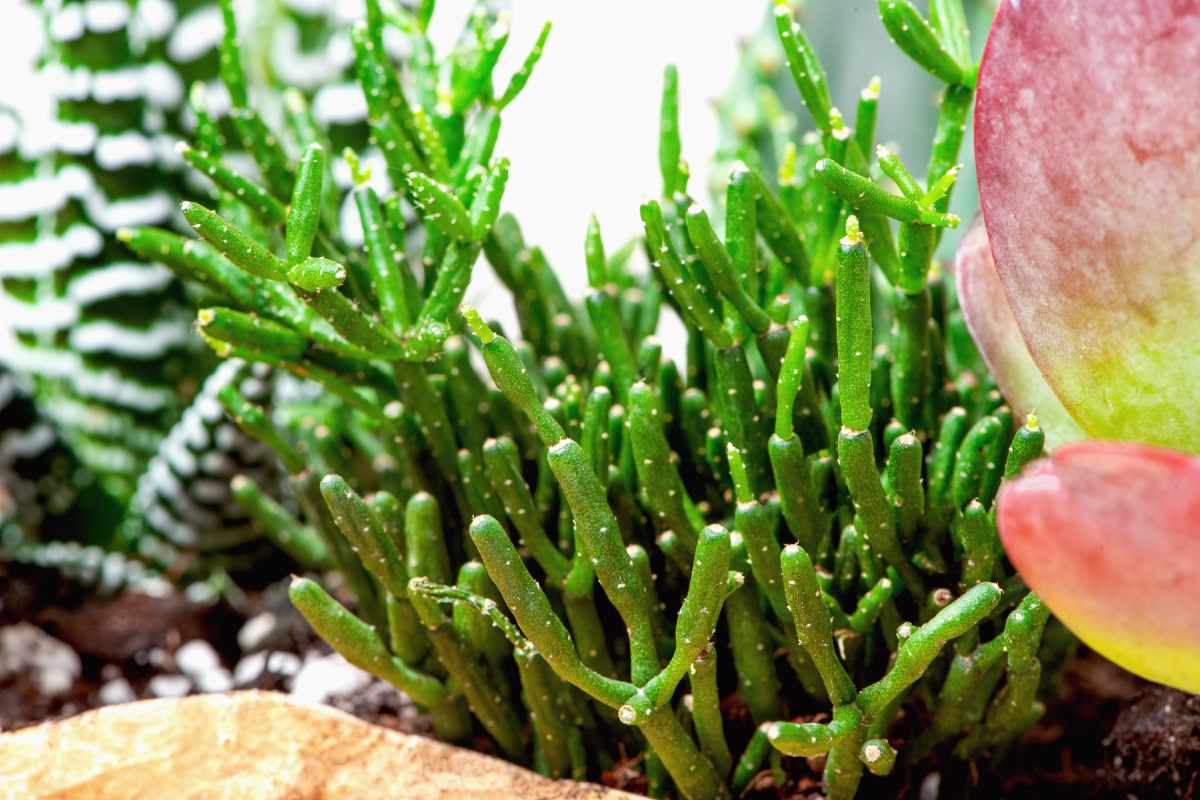
Though low-maintenance, Hatiora salicornioides benefits from occasional grooming.
Trim any dried or tangled stems to help it maintain its graceful shape. It also appreciates a slightly snug pot, so repotting every two or three years is sufficient.
When you do, refresh the soil to prevent compaction and promote root health.
Pests are rare but can include mealybugs or spider mites. A quick wipe with a damp cloth or a gentle spray of water usually resolves the problem.
A Delightful Addition to Any Plant Collection
Few plants combine elegance and ease of care like the Dancing Bones Cactus.
Its quirky, sculptural growth and cheerful blooms bring personality to indoor spaces, while its propagation simplicity makes it perfect for gardeners of all levels.
With just a bit of attention, your Hatiora salicornioides will thrive for years—dancing gracefully in its pot with every new stem that grows.
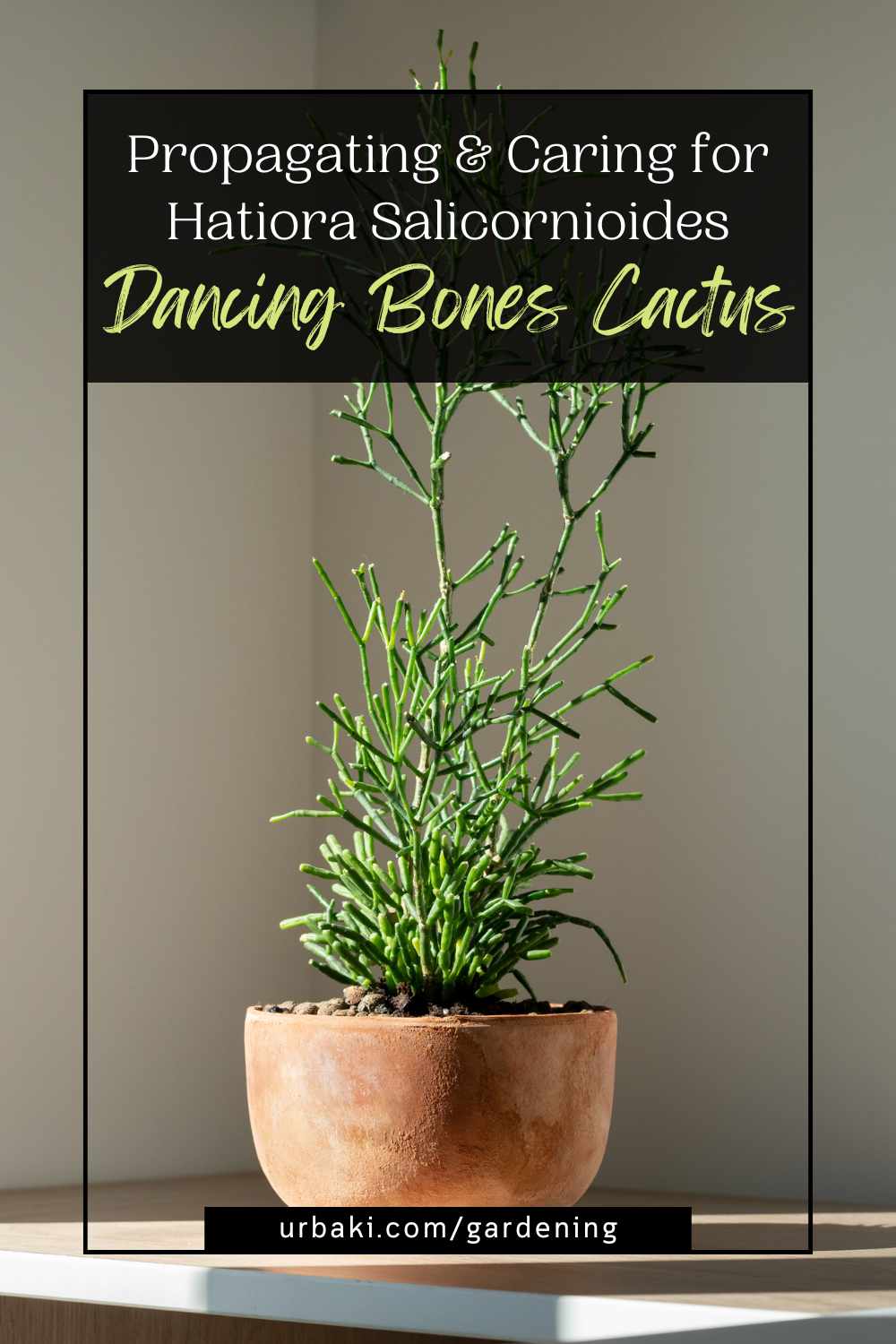
Did you find this post useful or inspiring? Save THIS PIN to your GARDEN Board on Pinterest!
More Gardening Tips 👇🏼👇🏼