
Discover How to Use Hydrogen Peroxide in Your Houseplants


Hydrogen peroxide is a household staple often found in medicine cabinets, known for its ability to clean wounds and disinfect surfaces.
But did you know that it’s also a game-changer for houseplants? This simple solution can address common plant issues, from oxygenating roots to eliminating pests. If you’re looking for a safe and effective way to care for indoor plants, hydrogen peroxide might be the perfect remedy.
Let’s explore the many ways you can use hydrogen peroxide to boost the health of your houseplants and ensure they thrive.
What Makes Hydrogen Peroxide Beneficial for Plants?
Hydrogen peroxide (H₂O₂) is essentially water with an extra oxygen molecule. This additional oxygen is what makes it so valuable for plants. When used properly, hydrogen peroxide provides several benefits, including:
- Boosting root health: The extra oxygen improves aeration around plant roots, helping them absorb nutrients more efficiently.
- Curing root rot: By killing harmful bacteria and fungi, hydrogen peroxide can reverse early stages of root rot and prevent further damage.
- Pest control: It effectively eliminates common houseplant pests such as thrips, fungus gnats, and mealybugs without harming the plant.
- Disease prevention: Hydrogen peroxide is a natural disinfectant that can stop the spread of bacteria and fungi that harm plants.
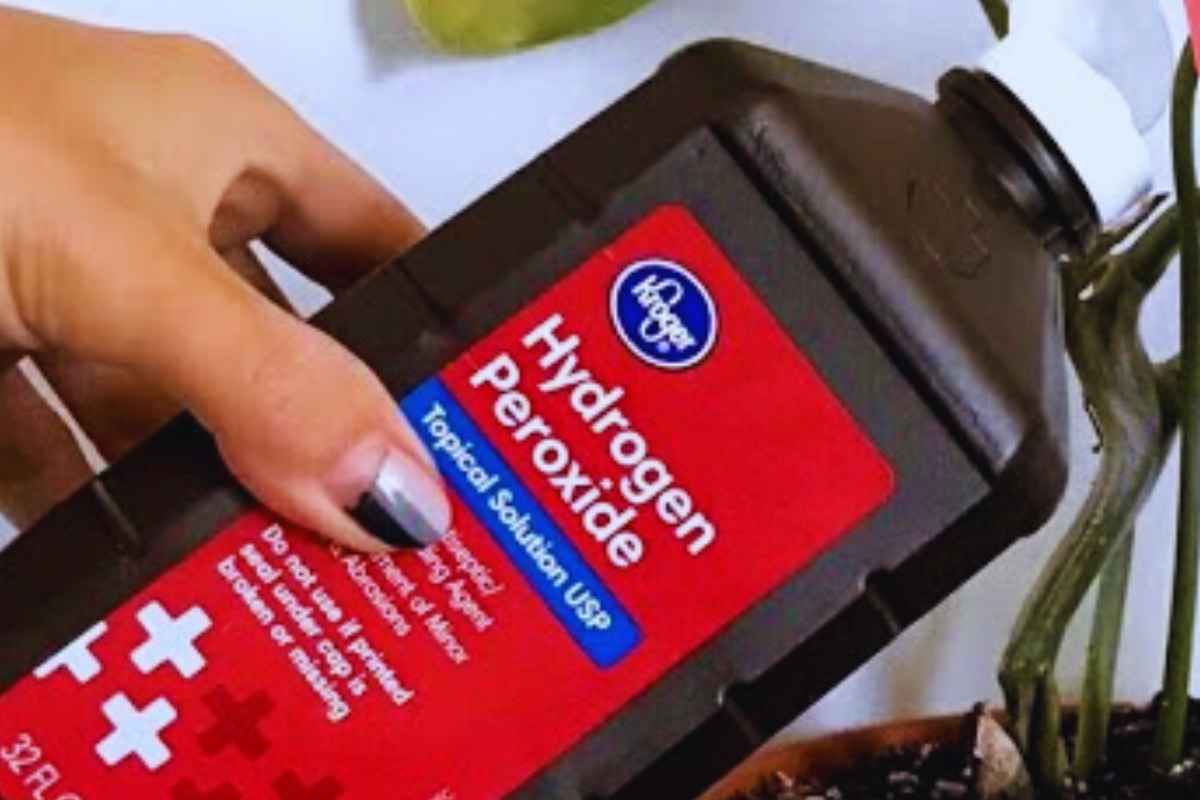
How to Use Hydrogen Peroxide for Houseplants
When using hydrogen peroxide for your plants, it’s important to dilute it correctly to ensure safe application. Most applications use a 3% hydrogen peroxide solution mixed with water. Here are a few common ways to use it:
1. Treating Root Rot
Root rot occurs when the soil becomes waterlogged, cutting off oxygen to the roots and allowing harmful fungi to thrive. Hydrogen peroxide can address this by oxygenating the soil and killing the fungi.
- Dilute 1 part hydrogen peroxide to 3 parts water.
- Water the plant as usual, focusing on the root zone.
- Repeat every couple of weeks until the plant shows signs of recovery.
This treatment ensures roots stay healthy and absorb nutrients effectively.
2. Controlling Pests
Houseplant pests like thrips and fungus gnats can be a nightmare for plant enthusiasts. Hydrogen peroxide offers a safe, chemical-free solution to get rid of these pests.
- Mix equal parts hydrogen peroxide and water in a spray bottle.
- Lightly spray the leaves and stems of the affected plant, ensuring full coverage.
- For soil-dwelling pests, pour the solution into the soil to kill larvae.
This approach effectively eliminates pests while keeping your plant safe.
3. Boosting Plant Growth
If your houseplant seems to be struggling with slow growth or lackluster leaves, hydrogen peroxide can provide a quick boost.
- Combine 1 teaspoon of hydrogen peroxide with 1 gallon of water.
- Use this solution to water your plant every 1-2 months.
- Watch as the extra oxygen promotes healthier, more vigorous growth.
Why Hydrogen Peroxide Works for Indoor Plants
Hydrogen peroxide’s success lies in its ability to create a healthier growing environment for plants. It mimics the natural oxygenation process found in rainwater, helping to stimulate root function and soil aeration.
Additionally, it is a powerful disinfectant, making it ideal for cleaning plant tools, pots, and trays to prevent the spread of diseases.
For plants suffering from pest infestations, hydrogen peroxide provides a non-toxic alternative to chemical pesticides, ensuring both your plants and indoor air quality remain safe.
Tips for Safe and Effective Use
While hydrogen peroxide is generally safe for plants, there are a few things to keep in mind to ensure its effectiveness:
- Dilution is key: Always mix hydrogen peroxide with water to avoid damaging plant tissues.
- Test first: Before applying it to the entire plant, test a small area to check for any adverse reactions.
- Avoid overuse: Too much hydrogen peroxide can disturb beneficial microorganisms in the soil. Use it sparingly and as needed.
By following these guidelines, you can maximize the benefits of hydrogen peroxide without harming your plants.
A Natural Remedy for Thriving Plants
Indoor plants bring life and beauty to your space, but they can sometimes encounter challenges like pests or root issues. Hydrogen peroxide is a simple, natural remedy that addresses these problems while supporting overall plant health.
Whether you’re dealing with root rot, pest infestations, or slow growth, this household staple can work wonders for your green companions.
So why not give it a try? With a little hydrogen peroxide and the right approach, you’ll soon enjoy healthier, happier houseplants. Discover the transformative power of this humble solution and watch your indoor garden thrive!
We Hope You Enjoy this Video
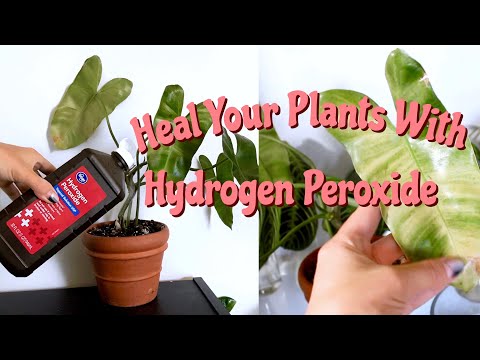
Source: Harli G
Did you find this post Useful or Inspiring? Save THIS PIN to your GARDENING Board on Pinterest! 

More Gardening Tips 👇🏼👇🏼