
Enter the Fascinating World of Carnivorous Plants 🌿
I’m so glad you’re here! There is something truly fascinating about carnivorous plants. They are unusual, eye-catching, and full of personality, which makes them one of the most exciting plant groups to grow at home.
But while they may look exotic and mysterious, keeping them healthy is much easier when you understand their needs step by step. That’s exactly why I put together this special selection for you.
These 3 articles are designed to help you build a stronger foundation with your plants, from creating the right outdoor space to understanding common problems and learning how to feed them safely.
If you want your carnivorous plant collection to thrive, you’re in the perfect place to begin.
Hand-Picked for You: 3 Essential Reads for Carnivorous Plant Success
Whether you’re planning your first setup, trying to solve a health issue, or wondering how to care for them properly, these guides work beautifully together.
Start by learning how to create the right environment, then discover what blackening leaves may be telling you, and finally understand what’s safe to feed carnivorous plants and what to avoid.
Click your favorite article and keep growing with confidence.
How to Grow a Carnivorous Plant Garden Outside
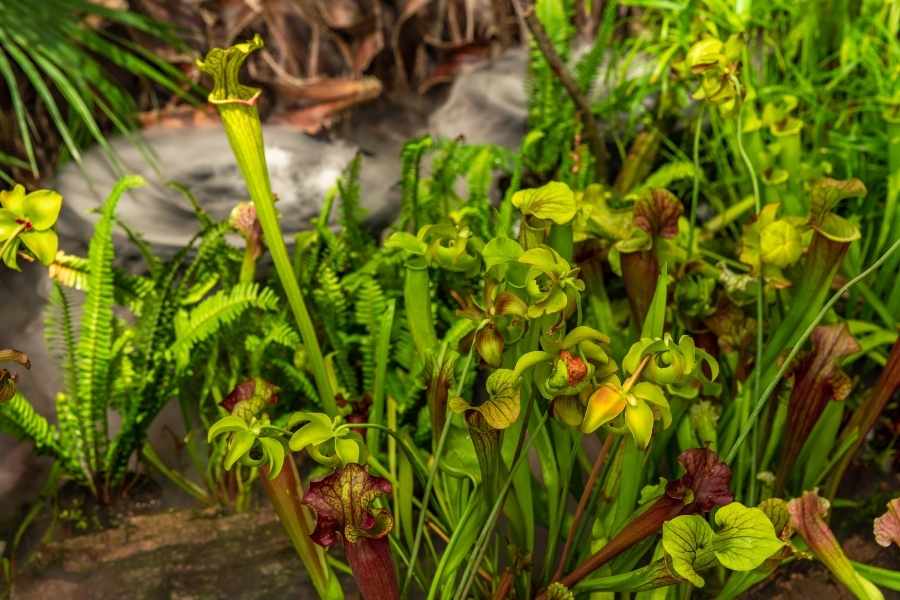
If you’ve ever dreamed of creating a small outdoor space filled with these extraordinary plants, this article is the perfect place to start. Growing a carnivorous plant garden outside can be incredibly rewarding because it allows these plants to enjoy natural light, fresh air, and an environment that feels closer to their natural habitat.
This guide helps you understand how to choose the right location, what conditions matter most, and how to give your plants the best chance to adapt and flourish.
It’s a wonderful read for anyone who wants to move beyond a single pot and begin creating a more impressive and healthy collection outdoors.
Open the outdoor garden guide →
What to Do When Carnivorous Plants Turn Black

Once you start growing carnivorous plants, one of the most worrying things you may notice is blackening leaves or traps. The good news is that this doesn’t always mean your plant is beyond saving.
In many cases, black areas are a sign that something in the care routine needs adjusting, such as water quality, humidity, light, or natural aging in the plant. This article helps you better understand why carnivorous plants turn black and what actions you can take to improve their condition.
It’s especially helpful if you want to feel more confident identifying problems early and keeping your plants looking healthy and vibrant.
Read the care troubleshooting article →
Feeding Carnivorous Plants: What’s Safe, What to Avoid

Feeding is one of the most misunderstood parts of carnivorous plant care, which is why this article is such an important addition to the collection.
Many beginners assume these plants can eat almost anything, but giving them the wrong food can actually do more harm than good. This guide explains what’s safe for carnivorous plants, what should be avoided, and how to approach feeding in a way that supports healthy growth without unnecessary stress.
It connects perfectly with the other two articles because once you’ve set up the right environment and learned to spot signs of trouble, the next step is making sure your plants receive proper care in every detail.
Enjoy Growing These Incredible Plants
I hope these articles help you feel more inspired and more prepared to care for your carnivorous plants with confidence.
From building the right outdoor setup to solving common issues and understanding safe feeding habits, this selection is meant to give you a more complete and connected view of their care.
With the right knowledge, these remarkable plants can become one of the most rewarding parts of your garden.