
How to Grow A Carnivorous Plant Garden Outside

Carnivorous plants are fascinating plants that thrive in swampy, highly acidic soils. Although most carnivorous plants in the garden photosynthesize like "normal" plants, they supplement their diet by eating insects.
The world of carnivorous plants includes several species, all with their own growing conditions and insect trapping mechanisms.
Some have very specialized needs, while others are relatively easy to grow. Here are some general tips for creating a carnivorous plant garden, but be prepared for a bit of trial and error.
Carnivorous Plants for your garden
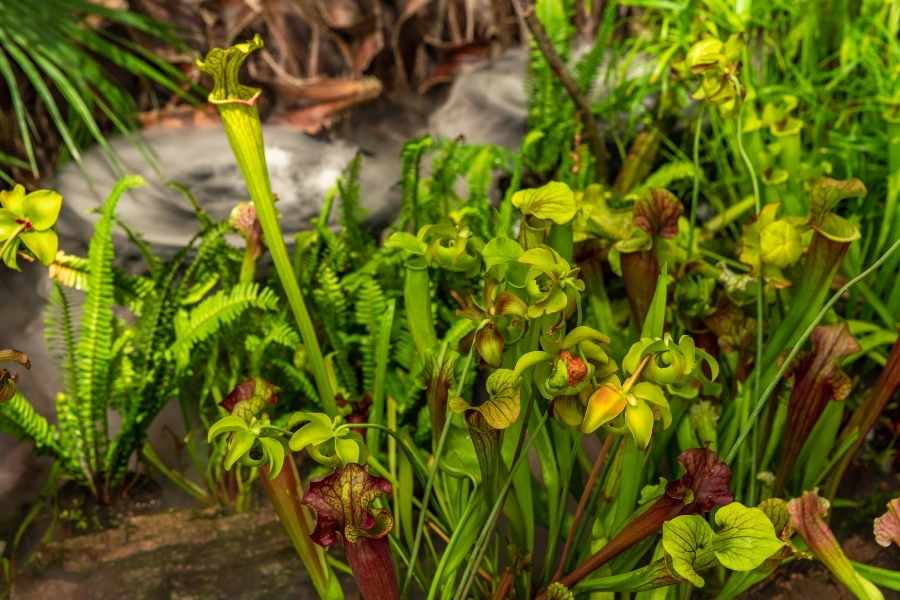
Here are the most common species for carnivorous plant gardens: The jars are easy to identify by a long tube, which contains a liquid that traps and digests insects.
It is a large group of plants that includes the American plant (Sarracenia spp.) And the tropical plant (Nepenthes spp.), Among others.
We also invite you to check this article about growing carnivorous plants for beginners.
Sundew
They are small, attractive plants that grow in various climates around the world. Although the plants appear innocent, they have tentacles with thick, sticky droplets that look like the nectar of unsuspecting insects.
Once victims are trapped, moving to get rid of the sticky substance only makes matters worse.
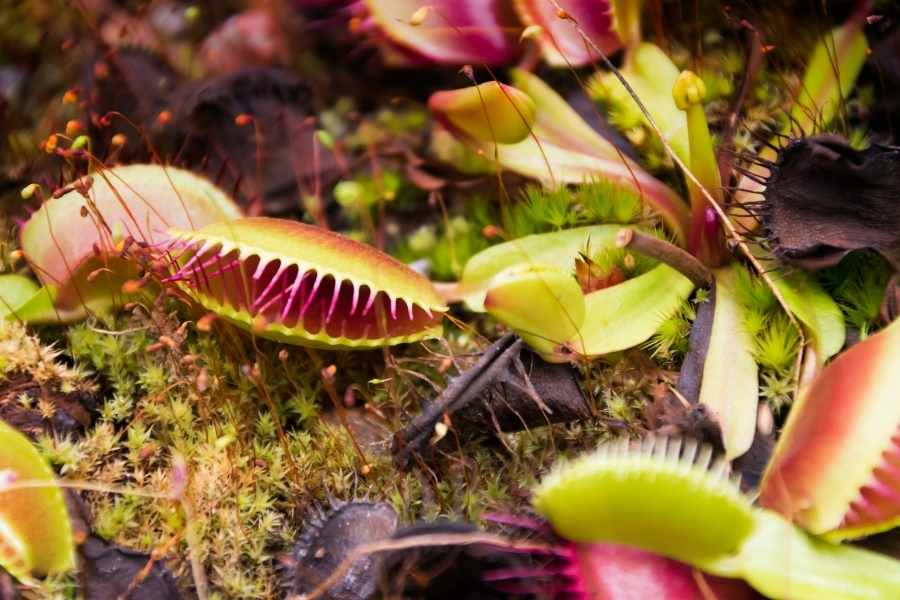
Venus flytraps
Flytraps are fascinating carnivorous plants that trap pests through trigger hairs and sweet-smelling nectar. A single trap turns black and dies after capturing three or fewer insects. Venus flytraps are common in carnivorous plant gardens.
Bladderworts
These are a large group of uprooted carnivorous plants that live primarily underground or submerged in water. These aquatic plants have bladders that trap and digest small insects very efficiently and quickly.
How to grow a carnivorous garden
Carnivorous plants require moist conditions and do not survive long in the regular soil found in most gardens. Create a swamp with a plastic tub or make your own pond with a suitable liner. Plant carnivorous plants in sphagnum moss.
Look specifically for products marked "sphagnum peat moss" which are available at most garden centers. Never water carnivorous plants with tap water, mineral water, or spring water. Well, water is generally good as long as the water has not been treated with a water softener.
Rainwater, snowmelt, or distilled water are safer for watering carnivorous plant gardens. Carnivorous plants need more water in summer and less in winter.
Carnivorous plants benefit from direct sunlight for most of the day; however, a little shade in the afternoon can be a good thing in very hot weather.
Insects are usually available in carnivorous plant gardens. However, if insects seem to be in short supply, add a very dilute solution of organic fertilizer, but only when the plants are actively growing.
Never try to feed meat to carnivorous plants, as plants cannot digest complex proteins.
Carnivorous outdoor gardens in cold climates may need protection, such as a layer of loose straw covered with burlap or landscaping cloth to keep the straw in place.
Make sure the cover allows the free flow of rainwater.
We hope you enjoy this video about Carnivorous plant rock garden tour:
Source: Sarracenia Northwest
Did you find this post Useful or Inspiring? Save THIS PIN to your GARDENING Board on Pinterest! 
Once again, thank you for visiting our website!
We hope you've enjoyed exploring the content we've created for you.
Give yourself the chance to learn, get inspired, and have even more fun, keep browsing...
More Gardening Tips 👇🏼👇🏼