
Which Carnivorous Plant is Easier to Grow? (for Beginner)

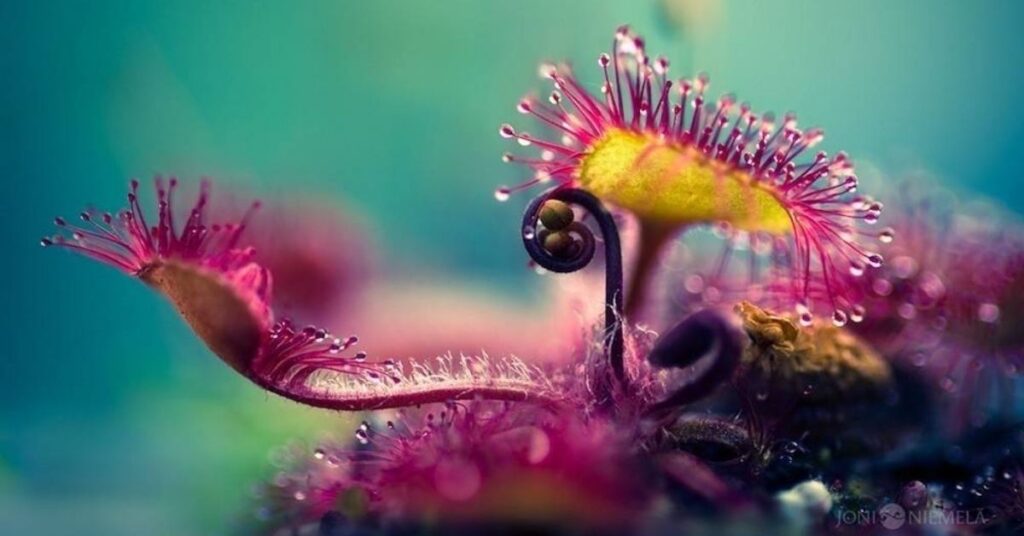
If you’ve ever been fascinated by carnivorous plants—those mesmerizing little predators that trap insects—it’s natural to wonder which one is the easiest carnivorous plant to grow.
The truth is, while they may look exotic, several species are surprisingly simple to care for once you understand their needs.
Let’s explore which ones are perfect for beginners and how to help them thrive.
Easiest Carnivorous Plants to Grow
When choosing your first plant, it’s best to start with hardy species that tolerate small mistakes and adapt to different conditions.
Here are the top choices for beginners:
1. Venus Flytrap (Dionaea muscipula)
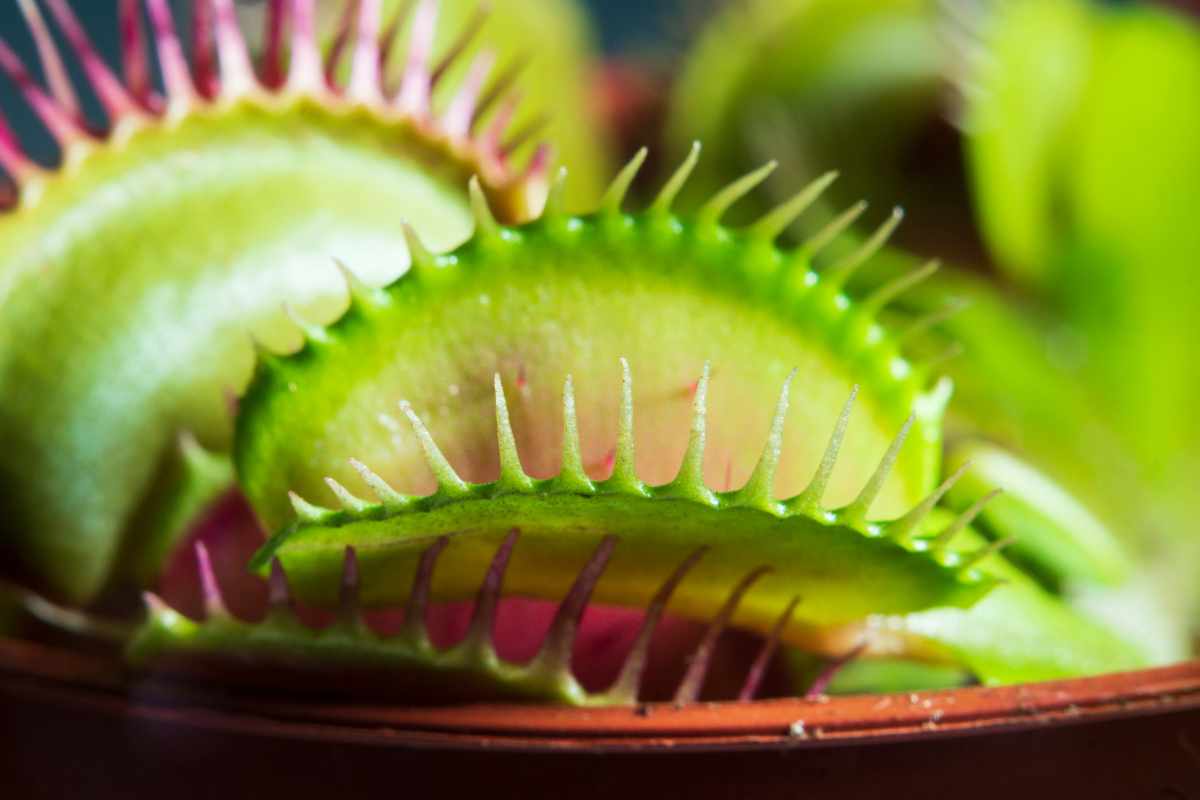
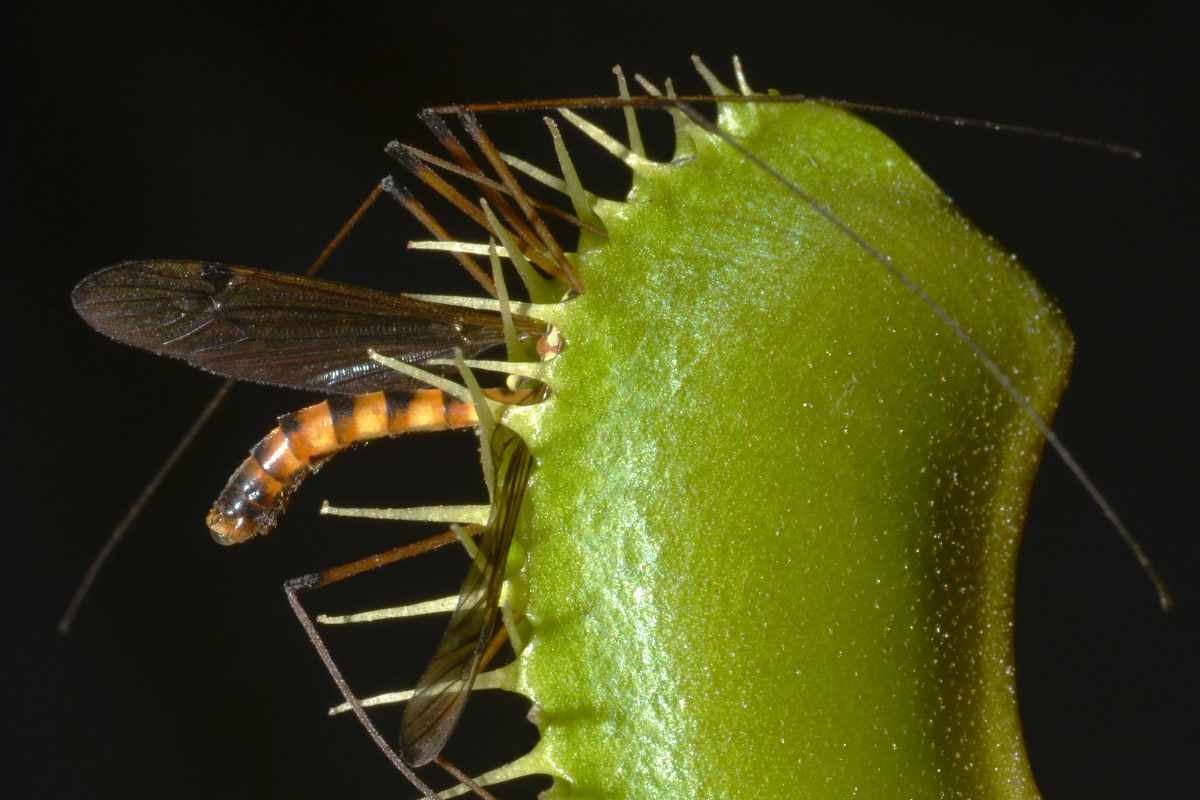
The Venus flytrap is iconic—and surprisingly forgiving. It loves bright sunlight (at least 4–6 hours daily) and prefers distilled or rainwater.
The key is to keep the soil moist but not soggy, using a mix of sphagnum moss and perlite.
Avoid touching the traps unnecessarily, as it weakens the plant.
Pro tip: Give it a short dormancy period in winter by placing it in a cool, bright location.
2. Tropical Pitcher Plants (Nepenthes)
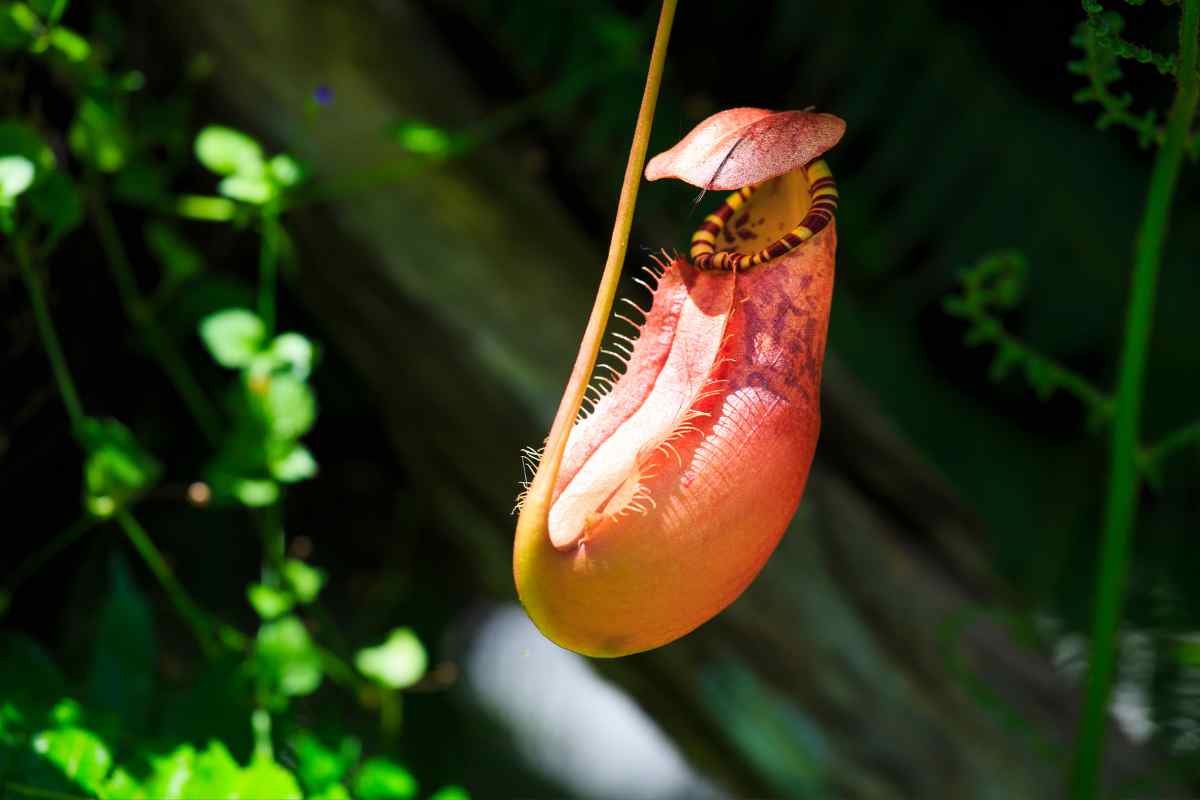
Known for their hanging “cups,” pitcher plants are stunning and low-maintenance if you provide high humidity and indirect light.
Unlike Venus flytraps, they can grow well indoors with regular misting.
Avoid fertilizer—it can burn their delicate roots.
Best for: Warm, humid homes or greenhouses.
3. Sundews (Drosera)
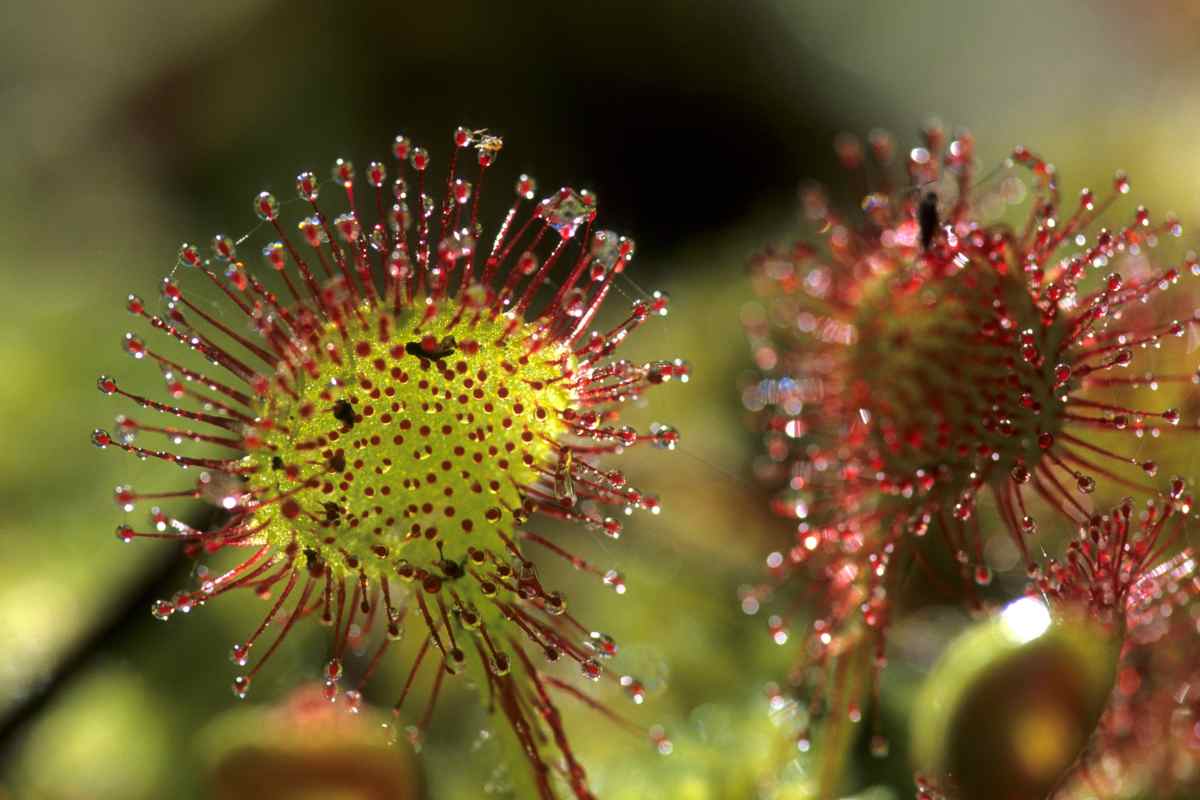
If you’re looking for something colorful and easy, sundews are perfect.
Their sticky, dew-covered tentacles capture small insects and glisten beautifully in sunlight.
They enjoy bright light, moist soil, and gentle air circulation.
Fun fact: Some sundews move their tentacles slowly to trap prey!
4. Butterworts (Pinguicula)
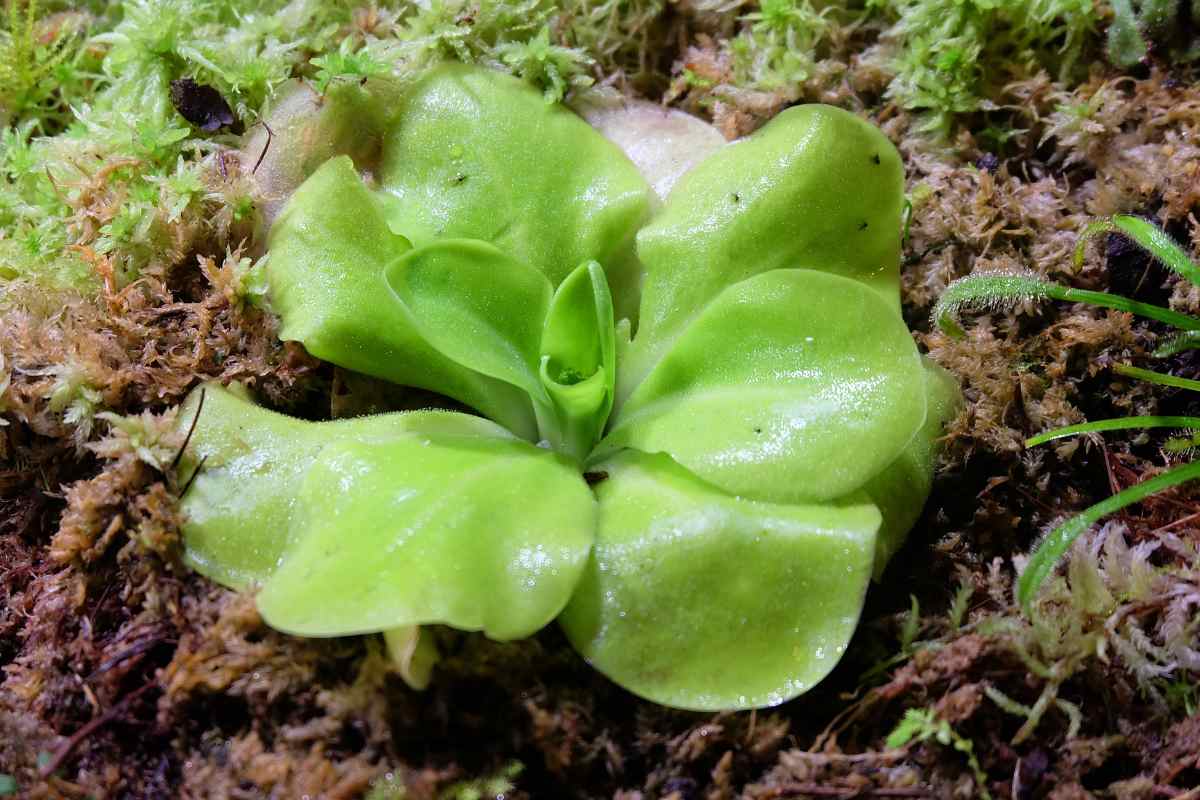
Butterworts are small, pretty, and excellent for beginners who want something low-effort.
They thrive on windowsills with bright, filtered light and prefer their soil slightly damp.
Their greasy leaves attract and digest tiny insects—making them a perfect natural gnat trap.
Key Care Tips for Beginner Carnivorous Plants
Once you’ve chosen your plant, following a few consistent habits will keep it healthy and thriving.
Choose a Suitable Substrate
Regular potting soil is too rich for them. Go with pure sphagnum moss, or a 50/50 mix of moss and perlite or sand.
Use the Right Water
Tap water often contains minerals that harm these plants. Always use rainwater, distilled water, or reverse osmosis water.
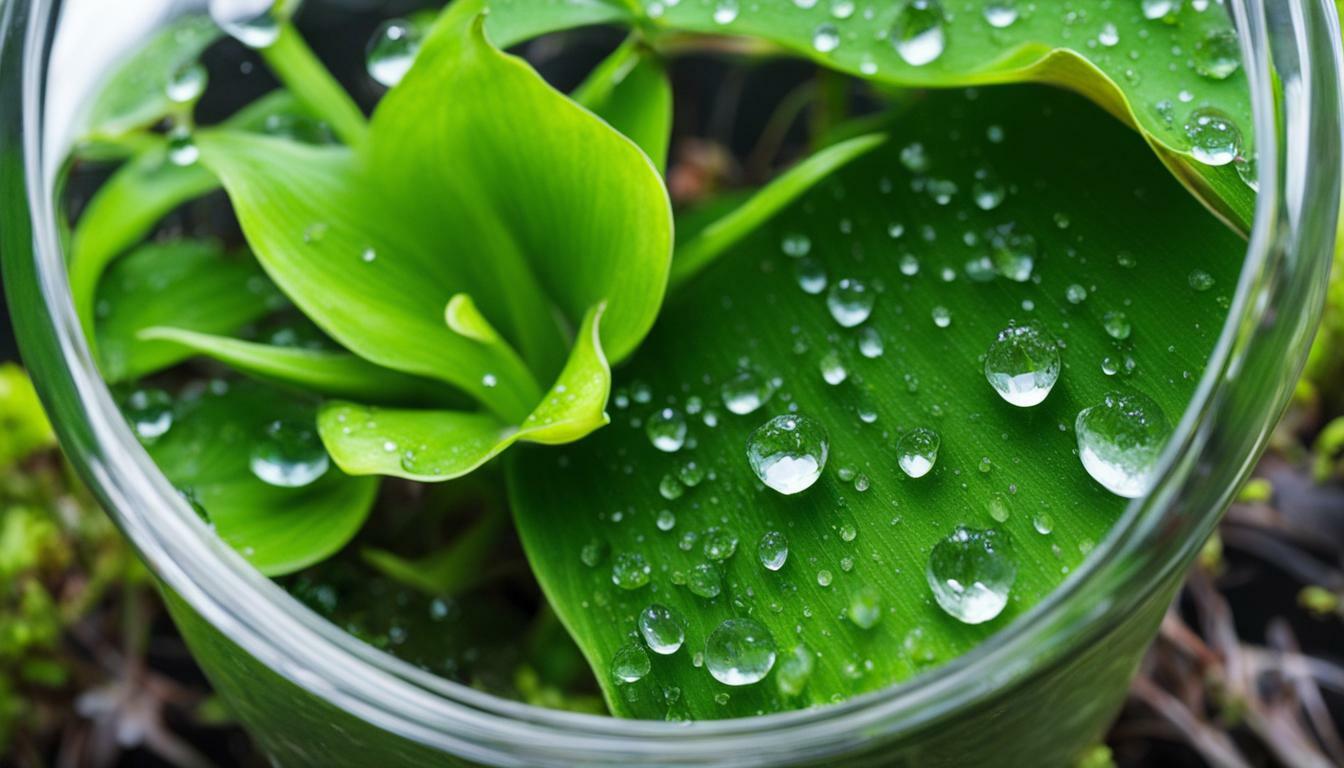
Provide Bright, Consistent Light
Most easiest carnivorous plants need around 6 hours of sunlight daily. If natural light is limited, use a grow light for 10–12 hours instead.
Maintain Humidity and Airflow
High humidity (around 50–70%) is ideal, especially for pitcher plants and sundews.
Use a humidity tray or mist occasionally, but don’t let stagnant air build up.
Avoid Feeding Too Much
Carnivorous plants get nutrients from prey, but they don’t need to eat often.
A single insect every few weeks is enough. Overfeeding can cause traps to rot.
Which Carnivorous Plant Should You Start With?
If you’re new to this world, the Venus flytrap is a fantastic starting point—iconic, interactive, and resilient.
But if you prefer something decorative and low-maintenance, sundews or butterworts may suit you better.
As your confidence grows, you can branch out into tropical pitcher plants or other exotic species.
Each type has its charm—and none require a green thumb, just curiosity and consistency.
Enjoy This Video Tutorial

Source: ANTS Plantation
Don’t forget to Subscribe to our Newsletter to receive amazing tips and tricks about Gardening and the FREE Ebook Green Living Strategies!
Did you find this post Useful or Inspiring? Save THIS PIN to your GARDENING Board on Pinterest! 😊
Once again, thank you for visiting our website!
We hope you've enjoyed exploring the content we've created for you.
Give yourself the chance to learn, get inspired, and have even more fun, keep browsing...
More Gardening Tips 👇🏼👇🏼