
Flowers in Mythology: Their Secret Meanings


Flowers have always held a special place in human culture. Beyond their vibrant colors and delicate petals, they often carry deep, symbolic meanings.
In mythology, flowers are not just decorations; they embody spiritual significance, emotions, and powerful myths that have been passed down through generations.
Whether they are symbols of love, beauty, or even death, flowers in mythology offer us a unique insight into the ancient world’s view of nature and life itself.
The Symbolism of Flowers in Ancient Mythology
Flowers have long been symbols of various human emotions and experiences. In many ancient cultures, flowers were seen as messengers of the gods, representing fertility, love, and beauty. However, these meanings were not always straightforward; some flowers carried darker or more mysterious connotations, depending on the context in which they appeared.
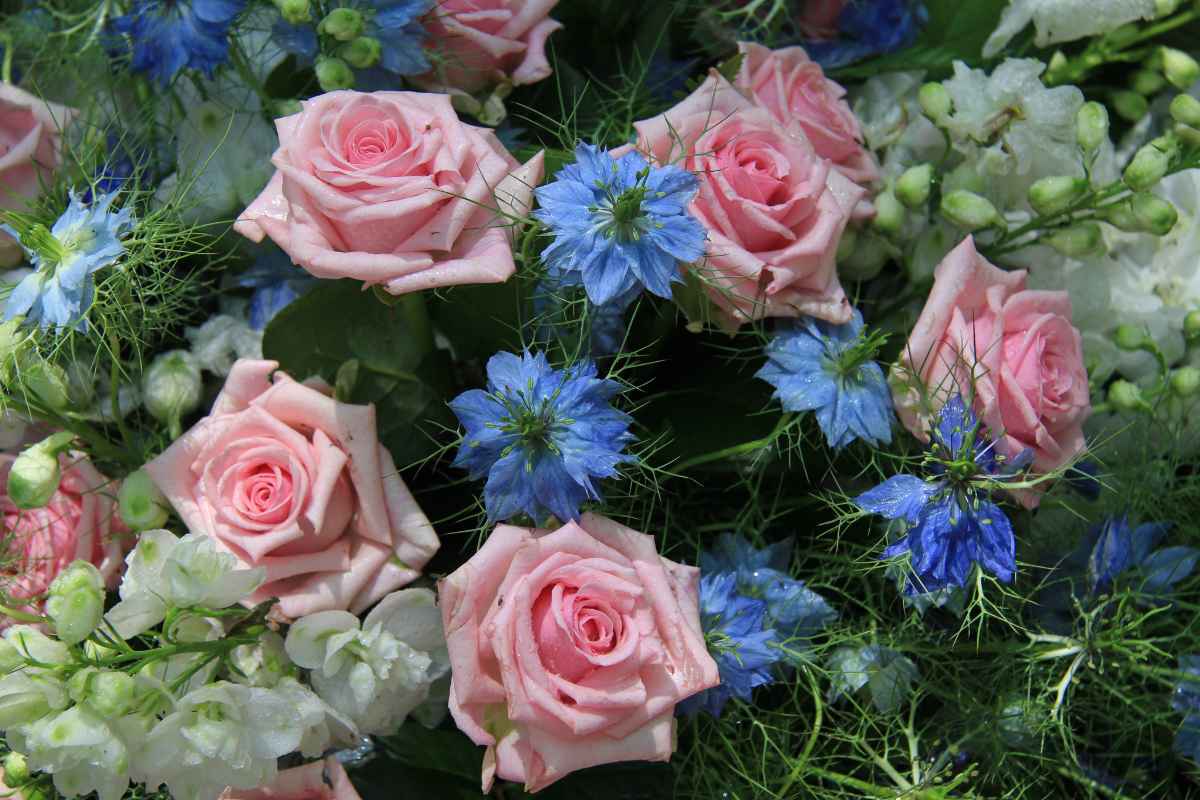
For example, the rose, widely known as a symbol of love today, has deep roots in ancient mythology. In Greek mythology, roses were associated with Aphrodite, the goddess of love and beauty.
According to myth, Aphrodite was so consumed by grief when her lover Adonis was killed that she pricked her foot on a rose bush while rushing to his side, and the red rose bloomed from her blood.
This tragic story connected the rose with passionate love and sacrifice, setting the stage for its symbolic role in later cultures.
Similarly, in Roman mythology, the rose was linked to Venus, the Roman counterpart of Aphrodite. The flower was considered sacred to Venus and was often used to represent sensuality and divine beauty.
However, the rose also had a more ominous meaning in Roman culture, as the term “sub rosa” (under the rose) referred to secrets or confidential matters. The Romans believed that roses were symbols of secrecy and discretion, given their association with both love and the hidden aspects of life.
The Mythical Origins of the Lily
The lily is another flower steeped in mythology, particularly in Greek and Roman traditions. Often associated with purity, renewal, and motherhood, the lily was believed to have been created from the milk of the goddess Hera.
According to one version of the myth, Hera was tricked by the mortal woman Alcmene into nursing the baby Heracles, the son of Zeus.
Hera, furious at the deception, pulled away, and her milk scattered across the heavens, giving birth to the Milky Way. Some drops of this milk fell to Earth and became lilies, making the flower a symbol of purity and fertility.
The lily also carried significant importance in Christian iconography, where it became a symbol of the Virgin Mary. The white lily, in particular, was considered a representation of her purity and virginity, and it was often depicted in religious paintings and sculptures.
The Mystical Poppy: Sleep, Death, and Rebirth
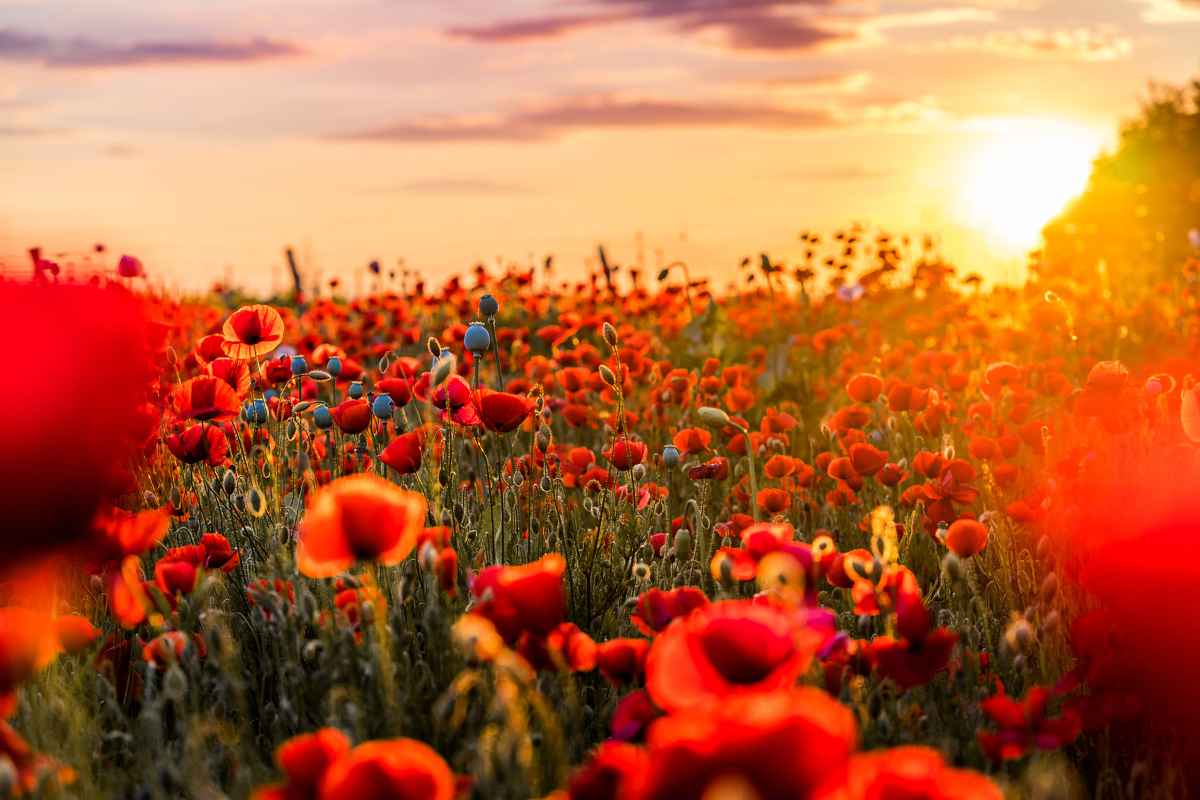
The poppy is another flower that carries a much deeper meaning in mythology. In Greek mythology, the poppy was associated with the god of sleep, Hypnos, and his twin brother Thanatos, the god of death.
The flower was believed to have the power to induce sleep and was used by the gods to help them rest. In fact, the ancient Greeks thought that poppies had the ability to lull both gods and mortals into a peaceful slumber.
In Roman culture, the poppy also represented death and rebirth. As the seeds of the poppy can remain dormant for long periods, only to be revived when conditions are right, the flower came to symbolize the idea of life cycles, the transience of life, and renewal.
The poppy’s bright red color, reminiscent of blood, further deepened its association with death and the afterlife. The poppy became a symbol of memorials and remembrance, particularly in modern times, as seen with its use on Remembrance Day to honor fallen soldiers.
The Daffodil: A Symbol of Renewal and Immortality
The daffodil has long been linked to themes of rebirth and renewal in mythology. In Greek mythology, the daffodil is associated with the story of Persephone, the goddess of spring and the underworld. According to the myth, Persephone was abducted by Hades, the god of the underworld, while she was picking flowers in a field.
As she reached for a daffodil, Hades emerged from the ground and took her into his realm. The daffodil, therefore, became a symbol of both spring’s renewal and the darker, mysterious side of life, representing the cyclical nature of existence between life, death, and rebirth.
In Celtic mythology, the daffodil also held significant symbolism, often representing immortality and the eternal cycle of life and death. In fact, it was considered unlucky to pick a daffodil, as it was believed that doing so could bring bad fortune.
However, the flower's role in celebrating the return of spring also emphasized its role as a symbol of hope, rejuvenation, and the promise of better days ahead.
The Orchid: Mystery, Luxury, and Power
The orchid is a flower often associated with luxury, mystery, and power in mythology. In Greek mythology, orchids were linked to fertility and virility. The myth states that the flower was created from the union of two deities: Zeus, the king of the gods, and Hera, his queen.
Their union resulted in the birth of the orchid, which symbolized the strength of their bond and their divine power. In later Greek myths, orchids were also believed to enhance love and desire, making them a potent symbol of both romantic and sensual energy.
In Chinese culture, the orchid is a symbol of refinement, luxury, and high status. It was considered a rare and precious flower, often associated with the imperial court.
Orchids were believed to have the power to bring good fortune and were seen as a symbol of longevity and immortality. In this sense, the orchid was not just a beautiful flower; it was a symbol of enduring strength and the persistence of life.

Flowers as Symbols of Deep Meaning
Flowers in mythology carry far more than aesthetic beauty; they represent the rich tapestry of human emotions, spiritual connections, and life cycles.
From the passionate symbolism of the rose to the mysterious allure of the orchid, flowers have been revered in ancient myths for their profound meanings. Each flower tells a story, whether it is one of love, loss, renewal, or power.
By understanding the myths behind these beautiful blooms, we gain a deeper appreciation of the ways in which flowers have shaped human culture, art, and belief systems.
Whether we view them as mere decorations or as symbols of something greater, flowers will continue to hold a special place in our hearts and minds, bridging the natural world with the mystical and the divine.
Did you find this post useful or inspiring? Save THIS PIN to your GARDEN Board on Pinterest!

More Gardening Tips 👇🏼👇🏼