
Front Yard Landscaping Ideas: Top 10 Plants by Height

Looking for front yard landscaping ideas that instantly boost curb appeal? Use plant height strategically. This guide ranks the top 10 front-yard plants—tall to low—so you can mix structure, color, and texture with confidence.
You’ll get practical spacing tips, pairing notes, and maintenance pointers for front yard landscaping that looks refined in every season.
How Height Drives Front Yard Landscaping Design

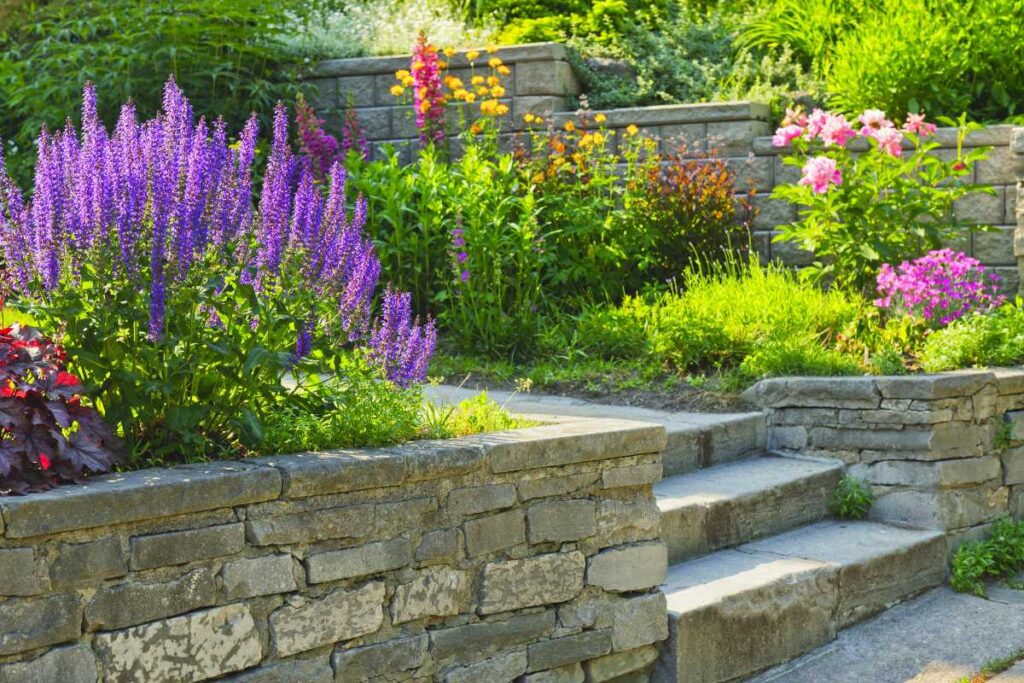
Great front yard landscaping design reads like a stage set: tall pieces create a backdrop, mediums build rhythm, and low growers finish the edge. By stepping plants down from house wall to walkway, you frame the architecture and keep sightlines open.
Height also controls maintenance. Taller woody plants need occasional pruning; lower perennials often just need a spring tidy. Choose forms that naturally hold their shape if you want low maintenance landscaping front yard results without constant shearing.
For color that lasts, blend evergreen bones with seasonal bloomers. This balances winter structure and spring drama while keeping simple front yard landscaping clean and cohesive.
Top 10 Plants by Height (Tall → Low)
Use this ranked list as a starter palette. Combine two tall anchors, three to four medium shrubs or grasses, and several low carpets to stitch the design together.
These picks suit a wide range of styles and make simple landscaping front yard planning straightforward.
Always verify mature size for your region and give plants the space they need—crowding forces extra pruning and undercuts the “effortless” look many homeowners want.
- Columnar Juniper (Juniperus spp.) — Tall Anchor: Slim, upright evergreens that frame entries without blocking windows. Salt and drought tolerant; perfect for narrow lots.
- Crape Myrtle (Lagerstroemia indica) — Small Ornamental Tree: Summer flowers, striking bark, and a tidy vase shape. Choose dwarf cultivars to match foundation scale.
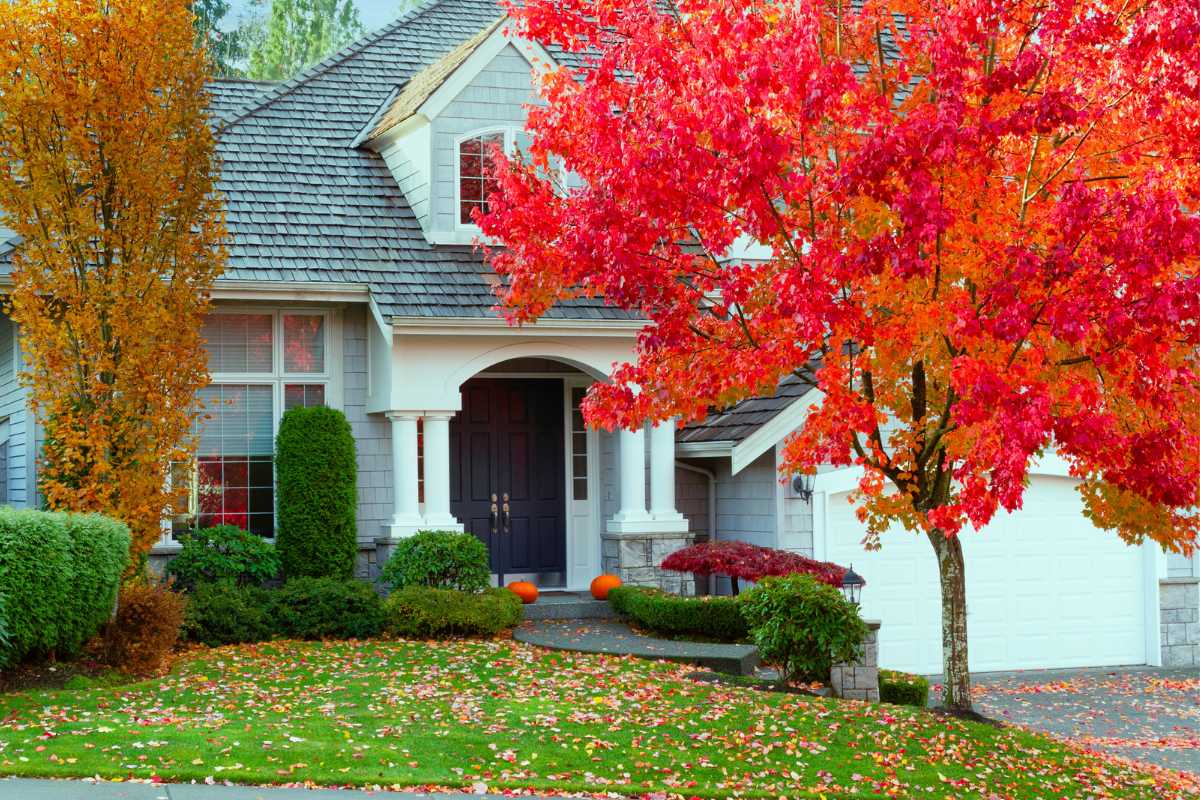
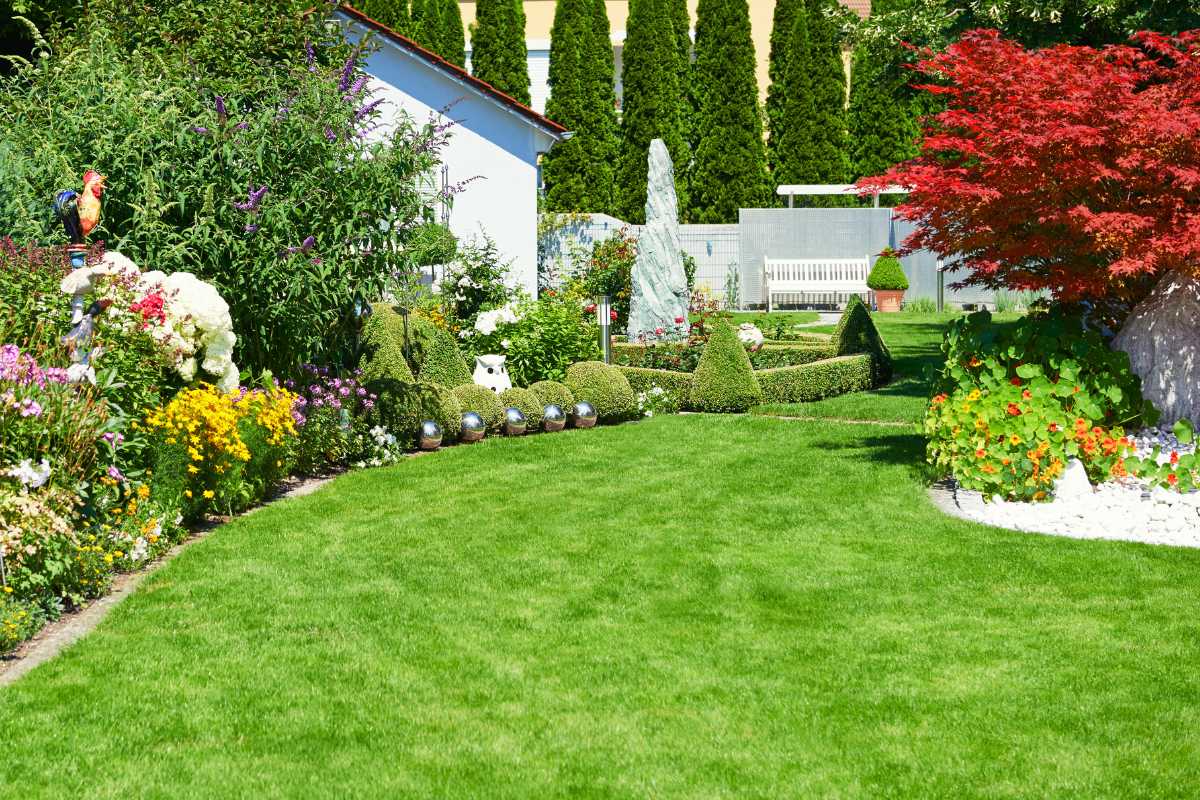
- Japanese Maple (Acer palmatum) — Architectural Accent: Laceleaf or upright forms add sculptural interest and fall color; ideal as a focal near the porch.
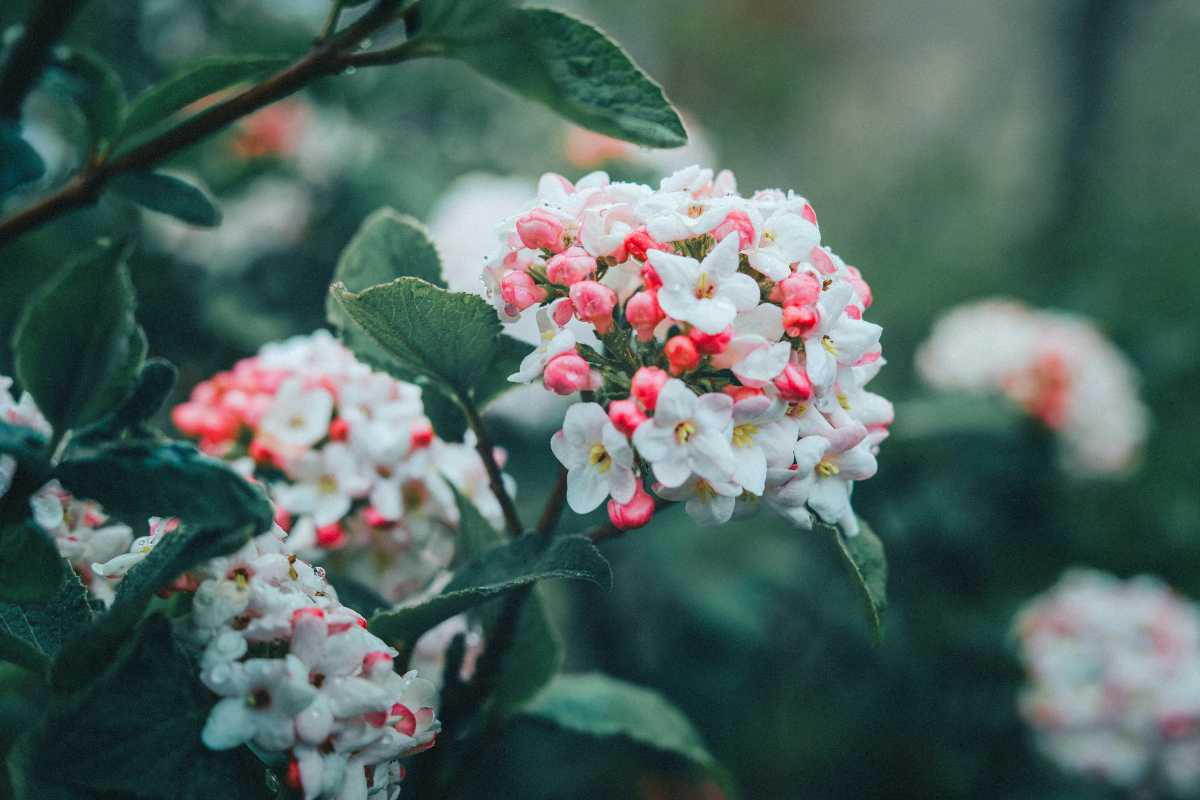
- Viburnum (V. carlesii or V. tinus) — Scented/All-Season Shrub: Spring fragrance or winter berries; dependable structure with minimal clipping.
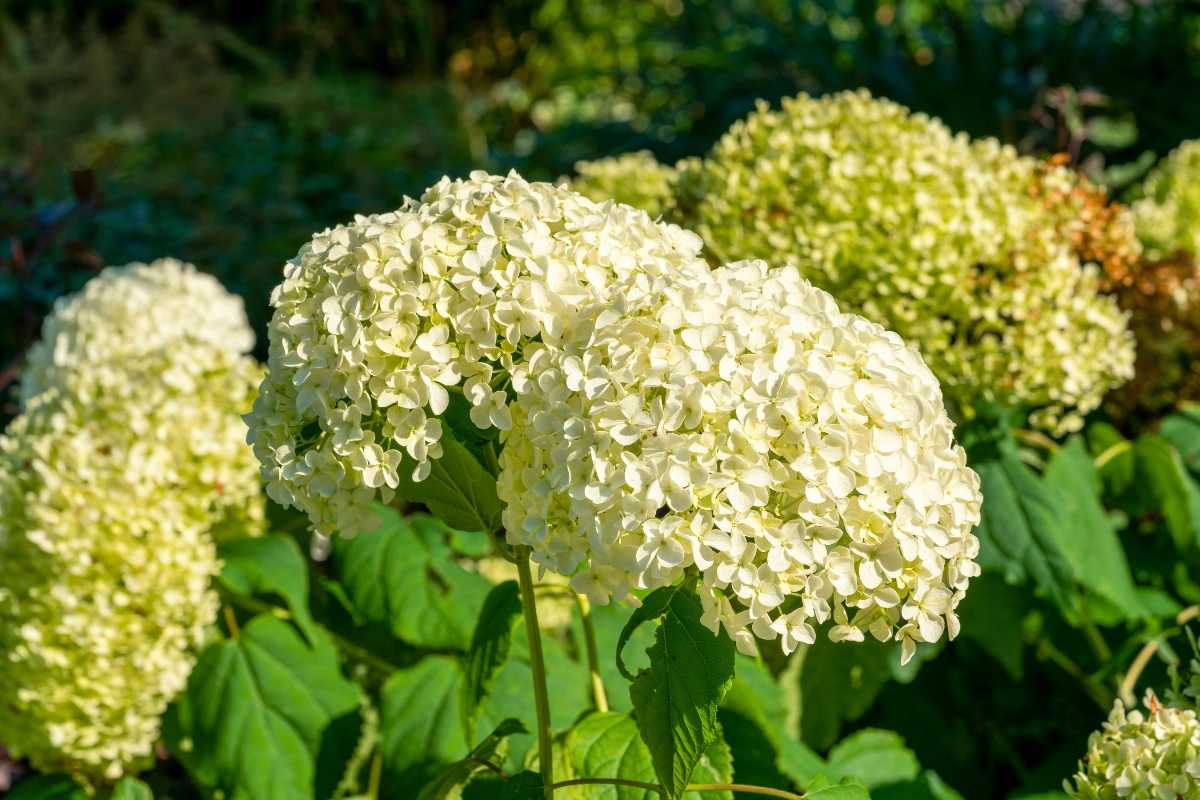
- Hydrangea (H. paniculata or H. arborescens) — Four-Season Show: Cones or globes of bloom that dry beautifully; prune lightly to keep proportions right.
- Boxwood (Buxus) or Inkberry Holly (Ilex glabra) — Evergreen Hedges: Low hedging that defines beds and steps; pick disease-resistant cultivars for easy care.
- Switchgrass (Panicum) — Upright Native Grass: Airy seedheads and movement; pairs well with perennials and provides winter silhouette.
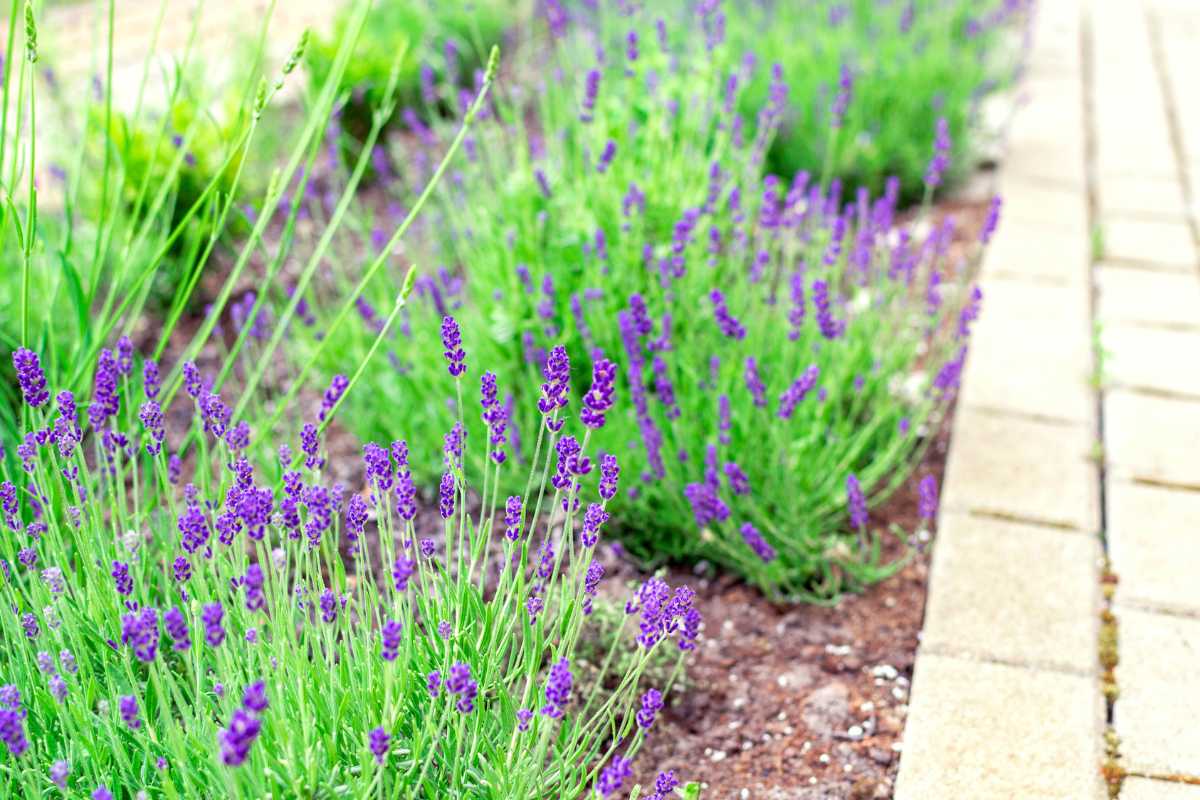
- Lavender (Lavandula) — Sun-Loving Edge: Silver foliage, fragrance, pollinators; shear once after bloom for a crisp mound.
- Catmint (Nepeta) — Long Blooming Drift: Soft blue waves that repeat along walks; tough, drought-friendly, and neat with one midsummer trim.
- Creeping Thyme (Thymus serpyllum) — Groundcover Mat: Fills gaps between stones, suppresses weeds, and perfumes the approach to your door.
Combining Plants for Style and Seasons
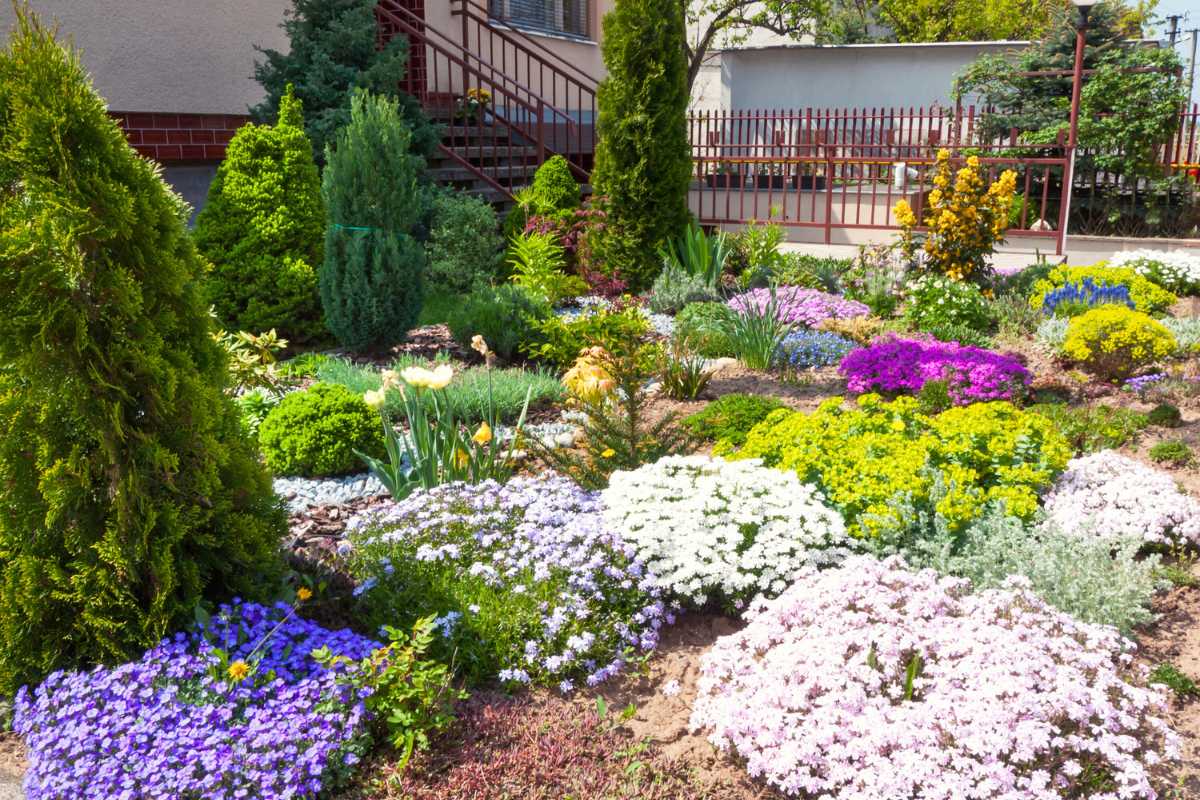
To keep the frontage elegant, repeat forms and colors. For example, pair two columnar junipers with mirrored blocks of boxwood and a ribbon of lavender. This repetition reads intentional—one of the best front yard plants ideas for instant polish.
Plan a seasonal handoff: early spring bulbs thread between boxwood, hydrangeas peak in summer, grasses glow in fall, and evergreens carry winter. Mix leaf shapes—fine grasses against broad hydrangea leaves—to avoid a flat, monotone bed.
Hardscape matters too. A simple border of stone or metal edging contains mulch, defines curves, and keeps the composition tidy, especially in high-visibility areas near steps and drives.
Placement, Spacing & Sightlines
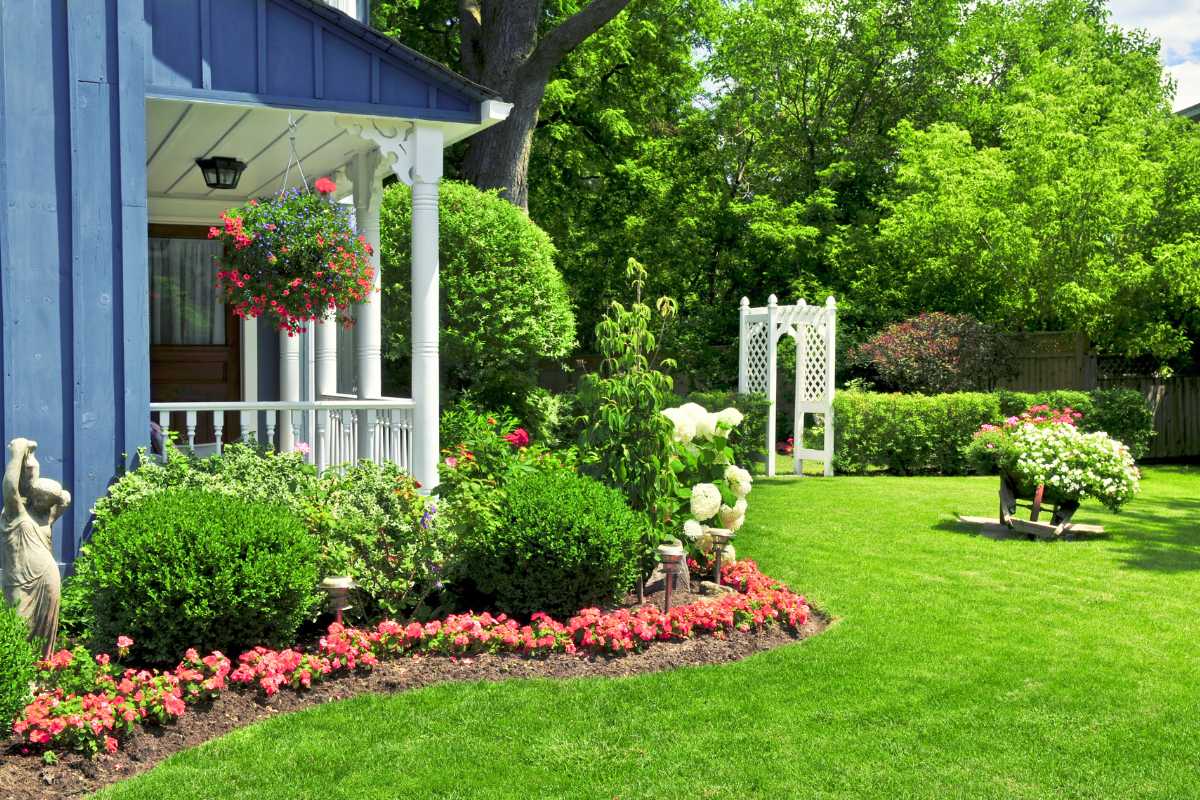
Keep tall pieces at house corners or flanking the entry to frame the façade without covering trim. Mid-height shrubs fill the middle depth; low carpets pull the eye to the walkway. Step down heights cleanly to maintain views from inside out.
Space plants based on mature width, not nursery size. Aim for light overlap at maturity so shapes knit together. This single habit is the difference between crisp and crowded beds in any front yard landscaping plan.
Test layouts with pots before planting. Seeing heights in place helps you fine-tune symmetry and avoid blocking house numbers or lighting.
Water, Soil & Maintenance Made Easy
Group plants by water needs. Drought-tolerant pairs like lavender, catmint, and switchgrass thrive together; hydrangeas prefer a bit more moisture. Add compost and a slow-release, balanced fertilizer at install, then mulch 2–3 inches to suppress weeds.
Set a simple routine: spring feed and edge, midsummer light shear for long bloomers, fall leaf cleanup. With the right palette, you’ll achieve low maintenance landscaping front yard results that stay neat between touch-ups.
Lighting is a small upgrade with big payoff—uplight the tall anchor, graze the hedge, and dot path lights along the low groundcovers for nighttime curb appeal.
Sample Plans You Can Copy
Classic Symmetry: Two columnar junipers at the porch, boxwood hedge, hydrangea trio, lavender edge, creeping thyme at the walk. Balanced, timeless, and ideal for front yard landscaping ideas in traditional homes.
Modern Minimal: Japanese maple focal, inkberry rectangles, switchgrass rhythm, catmint bands. Clean lines and textures deliver simple front yard landscaping with year-round structure.
Pollinator-Forward: Swap one anchor for a small crape myrtle, repeat lavender and catmint, weave in native switchgrass. Color, movement, and habitat—without fuss.
Next Steps
Measure your bed, pick one tall anchor, three mediums, and three lows from the list, and plant with mature size in mind. In a weekend, you’ll transform your frontage with an easy, professional flow.
Want more curb-appeal wins? Explore our seasonal planting guides and quick checklists to refine your front yard landscaping design and keep it thriving.
Keep Exploring With Urbaki Gardening
Enjoyed this guide? Browse more planting palettes, edging ideas, and care tips to build a resilient, beautiful entry garden all year long.
More Gardening Tips 👇🏼👇🏼