
5 Tips To Grow A Garden Layout For Beginners


Grow A Garden Layout is less about drawing pretty boxes and more about building a simple system that fits your life. If you’re just starting out, you don’t need expensive beds or complicated software—you need clarity about sun, water, access, and what you actually like to eat.
The right layout turns weeding into a quick stroll, watering into a couple of easy valve turns, and harvesting into a satisfying routine.
In this guide, we translate big-picture lessons from the video linked at the end—credit to its original creator—into practical steps for a tiny patio, a modest yard, or a future homestead. The goal is a layout you can maintain, expand, and enjoy season after season without burnout.
Imagine your plot as a small city: beds are buildings, paths are streets, and your hose bib is public transit. When these elements flow, everything feels lighter.
Whether you’re building a tidy Backyard Veggie Garden or sketching a Dream Vegetable Garden, start simple, then evolve.
You’ll soon learn how spacing, orientation, and crop rotation protect soil, prevent shade mishaps, and keep food coming. Keep reading and you’ll leave with a plan you can tweak in an afternoon.
Not sure how big your beds should be? Before finalizing your Backyard Vegetable Garden Design or any Small Garden Plans, check out our guide Finding the Best Size for Your Vegetable Garden. It walks you through space, time, and yield trade-offs so you can right-size your layout for easier watering, smarter paths, and a harvest you can actually keep up with.
What “Grow a Garden Layout” Really Means
A layout is a living framework—part map, part habit loop. It blends function and style so your Garden Planning Layout Landscaping decisions make chores faster, beds healthier, and harvests bigger. Start compact with Small Garden Plans that are easy to reach and water.
Later, you can scale toward a Homesteading Garden Layout or add a Greenhouse Gardening Layout for shoulder seasons. But first, build a backbone: clear paths, consistent bed sizes, and a logical workflow.
Tip 1: Place Sun, Water, and Access First

Great gardens are placed, not purchased. Track sunlight at morning, noon, and late afternoon. Mark full-sun zones (6–8+ hours) for fruiting crops; keep partial-sun pockets for leafy greens.
Sketch the shortest, least-obstructed hose route from your water source, then map a main path wide enough for a wheelbarrow—60–80 cm is comfortable.
This “infrastructure first” approach anchors a reliable Beginner Garden Layout that survives busy weeks and heat waves.
How to do it: Put taller crops (tomatoes, corn, trellised cucumbers) on the north edge so they don’t cast shade on low growers. Standardize raised bed widths (about 1–1.2 m) so you can reach the center without stepping on soil.
Protect paths with mulch; protect bed edges so grass can’t creep in. These small choices keep your Veg Garden Layout efficient from day one.
Tip 2: Group by Height and Timing—Then Rotate by Family
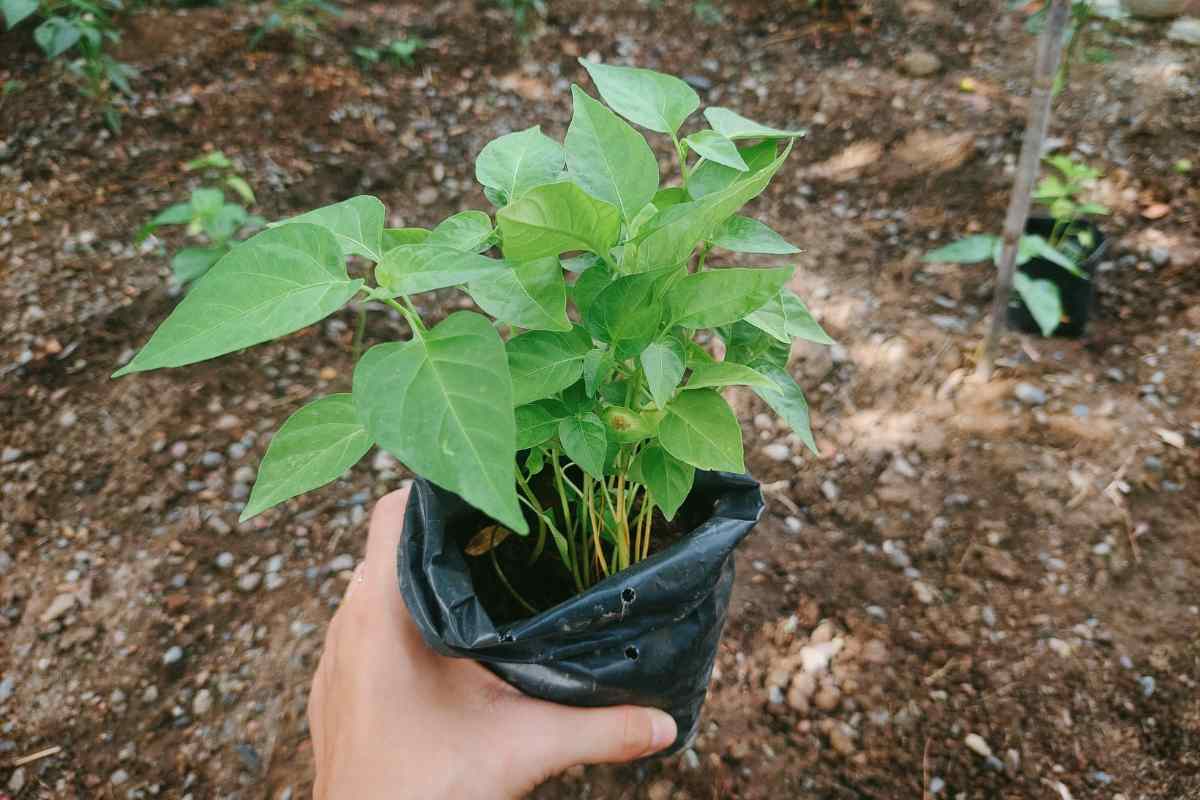
Plants with similar needs belong together. Think in lanes: climbers on trellises, mid-height fruiters, and low/fast greens.
Arrange trellises on the north side to prevent shade; put quick crops along path edges for easy picking. After each season, rotate families—nightshades, brassicas, legumes, cucurbits, roots, alliums—so pests and diseases don’t build up. This is the heart of a resilient Garden Layout Ideas Design that improves every year.
How to do it: Label each bed by family for the current season and move each label one bed clockwise next season. Keep a simple note in your phone. Rotation, plus diverse plantings, keeps a compact Backyard Vegetable Garden Design productive without complicated inputs.
Tip 3: Design for Maintenance—Weeds, Watering, and Workflow

A beautiful plan fails if it’s a pain to maintain. Bake in weed control with generous mulched paths and crisp bed borders. Choose drip lines or soaker hoses so watering becomes a five-minute task, not a 40-minute slog.
Store tools near your beds; keep a bucket for weeds at the end of each row. When your space handles chores gracefully, you naturally Grow A Garden Layout that lasts.
How to do it: Lay cardboard or woven fabric under paths and cover with wood chips. Run a 13–16 mm mainline along bed headers, then branch ¼-inch lines down rows; add simple shutoff valves for zones.
If you plan to add season extension later, leave space now for hoops or a compact tunnel so a future Greenhouse Gardening Layout won’t require a full redesign.
Tip 4: Start Small, Repeat Patterns, and Scale Smoothly
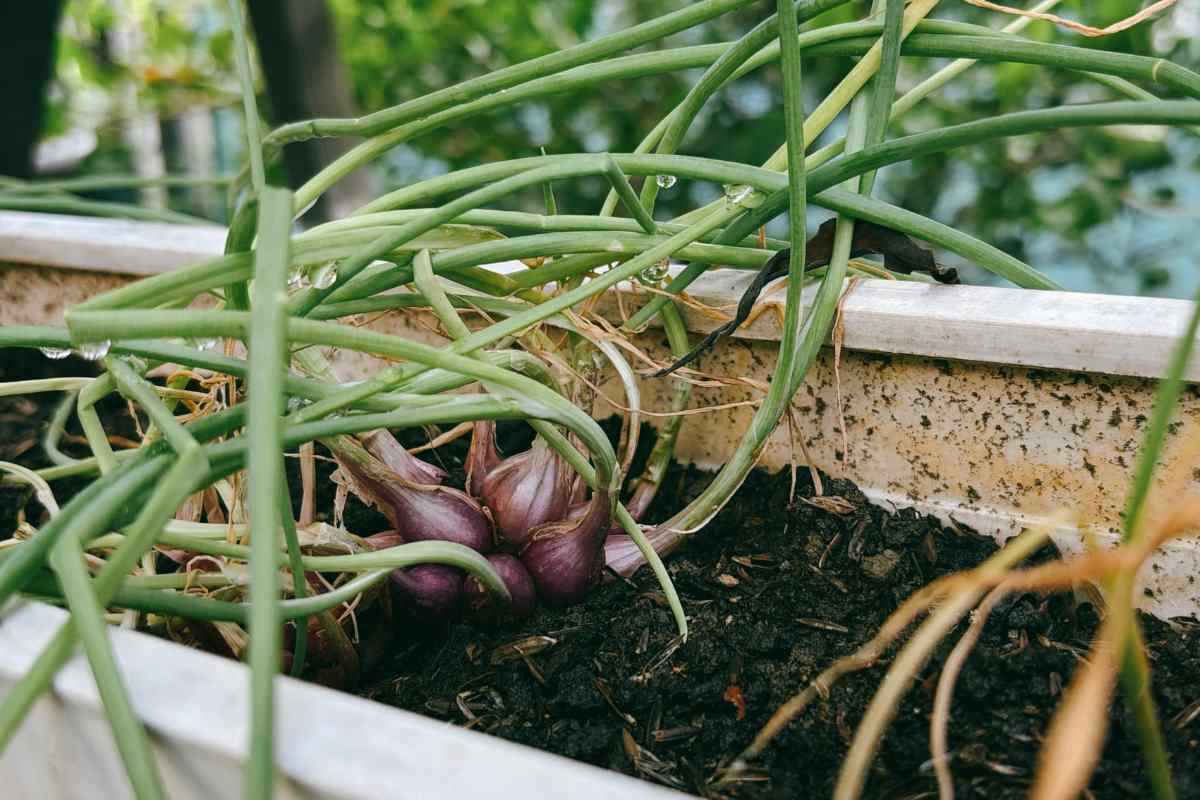
Uniformity is your secret weapon. Two or three matching beds and one trellis style create muscle memory: you weed faster, water smarter, and harvest without thinking.
Repeated patterns reduce decision fatigue and make scaling easy—from Small Garden Plans to a robust Homesteading Garden Layout. When you need more space, copy the pattern rather than inventing a new one.
How to do it: Begin with two raised beds and a single trellis panel. In season two, add a third bed and a second trellis. In season three, add a compost bay and a small herb border.
This steady rhythm turns a modest Backyard Veggie Garden into your personal Dream Vegetable Garden without chaos.
Tip 5: Plan Beds With Purpose—Kitchen Flow, Not Just Crop Lists

Think about how you cook and shop. Put “high-use” crops—lettuce, herbs, green onions—closest to the path for quick, clean harvests.
Cluster canning crops (tomatoes, cucumbers) near your compost or wash station to shorten post-harvest chores. Dedicate one bed to experiments so the rest stays reliable.
Purpose-built beds make your Garden Planning Layout Landscaping feel intentional and keep motivation high in midsummer.
How to do it: Create zones: “salad bar” near the entrance, “trellis row” on the north edge, “roots and alliums” where soil is deepest, and “perennial corner” for berries or rhubarb. Protect the workflow with clear paths and a hose route that never crosses a bed. This is smart, low-stress Veg Garden Layout design in action.
Bringing It All Together (Even in Tight Spaces)
You don’t need acres to succeed. A balcony with boxes can still honor sun, water, and access. A side yard can hold three compact beds and a slim trellis.
Stick with consistent bed sizes, rotate families annually, and water with drip. Over time, your neatly arranged Backyard Vegetable Garden Design becomes a steady source of salads, sauces, and satisfaction—and a springboard to that future Greenhouse Gardening Layout you’ve been eyeing.
Why This Video Is Worth Your Time
This article offers high-level concepts and intentionally avoids reproducing the creator’s exact steps or materials list. The original video shows how these ideas look in real beds—spacing, pathways, and plant placement—so you can adapt them to your climate and space. Watching it will sharpen your eye and help you refine your own plan.
Watch the Original Video

More Gardening Tips 👇🏼👇🏼