
Growing Fruit In Hot Weather


For many gardeners, dealing with high temperatures during the summer months can be a challenge. However, there are several fruit varieties that not only survive but thrive in hot weather.
If you live in a region with extreme heat or a tropical climate, you may be on the lookout for heat-tolerant fruit trees that can handle the intense sun and temperatures.
While it’s common to think of tropical fruits as the only heat-loving varieties, there are also specially cultivated fruits and trees adapted for warmer conditions, even those typically found in temperate zones. Here's a closer look at some of the best heat-tolerant fruits for hot weather.
Best Fruits for Hot Climates
When growing fruit in hot climates, it’s essential to select varieties that are well-suited to high temperatures. Many tropical and subtropical plants naturally prefer and flourish in heat. These fruits are not only resilient but often produce flavors that are refreshing and perfect for summer. Below are a few popular choices:
Tropical Fruits
The dragon fruit (Hylocereus undatus) is a great example of a fruit that thrives in hot weather. This vine cactus, which grows best in USDA zones 10-11, is known for its vibrant pink scales and sweet flavor. Often referred to as the strawberry pear, dragon fruit is a stunning addition to any garden and requires plenty of sunlight and well-drained soil to thrive.
Similarly, the prickly pear cactus (Opuntia ficus-indica) is another excellent option for gardeners in hotter zones (zones 10-11). Known for its ornamental flowers and succulent fruits, this plant is resilient to high temperatures and produces fruits with a tropical flavor that are often used in beverages, jams, and salads.
Guava Trees
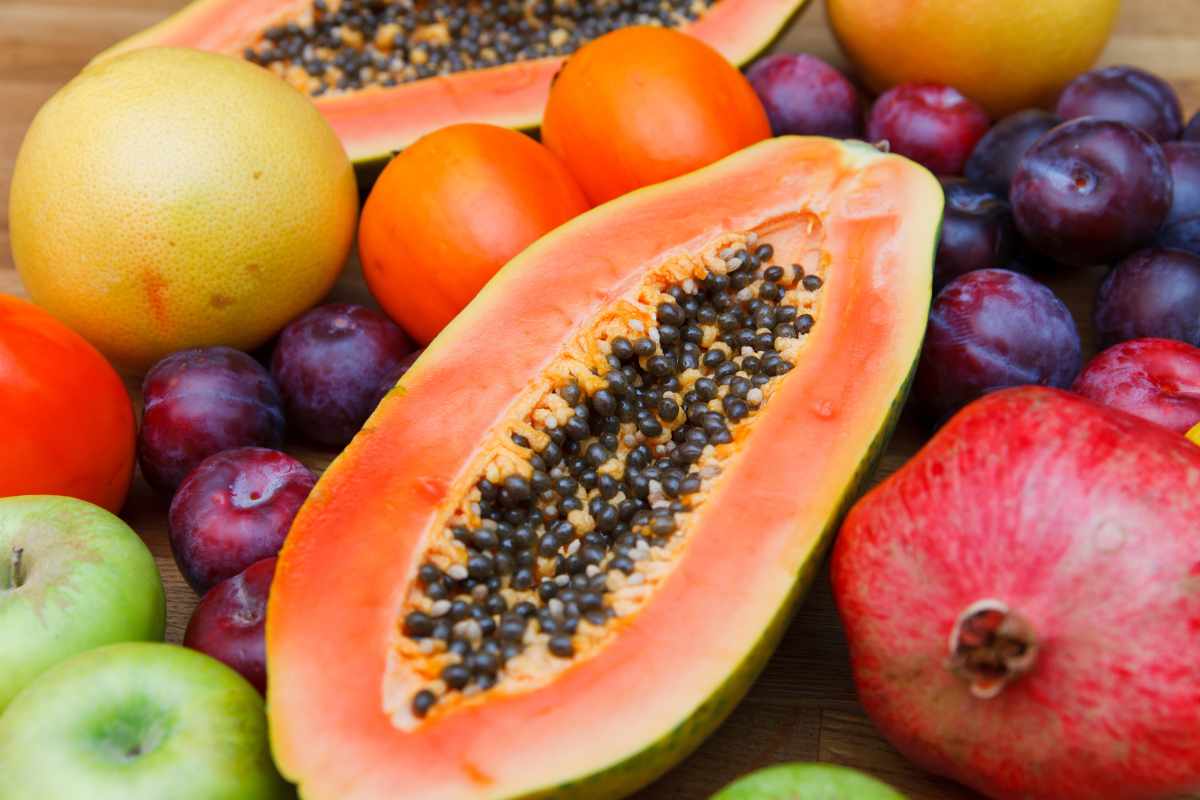
Guava (Psidium guajava) is another tropical fruit tree that flourishes in warmer climates, particularly in areas like Brazil. This small tree can be grown in pots, making it ideal for smaller spaces or container gardening. The guava tree produces soft fruits that taste like a combination of strawberry and pear. Whether eaten fresh or used to make jams and chutneys, guava adds a sweet and exotic touch to any garden.
Heat-Tolerant Fruit Trees
Aside from tropical fruits, certain trees have been bred to tolerate extreme heat, making them perfect for warmer climates. These trees have been specially cultivated to withstand higher temperatures, often through selective breeding or genetic improvements. Some examples include:
Watermelon Varieties
Watermelon (Citrullus lanatus) is a classic summer fruit that loves the sun but generally thrives best in temperatures between 70-80°F (21-26°C). However, some cultivars have been developed to endure even hotter conditions. Varieties like "Jubilee," "Crimson Sweet," and "Charleston Gray" can grow well in temperatures as high as 90°F (32°C), making them ideal for hotter regions. These watermelons produce large, juicy fruits with the classic sweet flavor that’s a summer favorite.
Stone Fruits
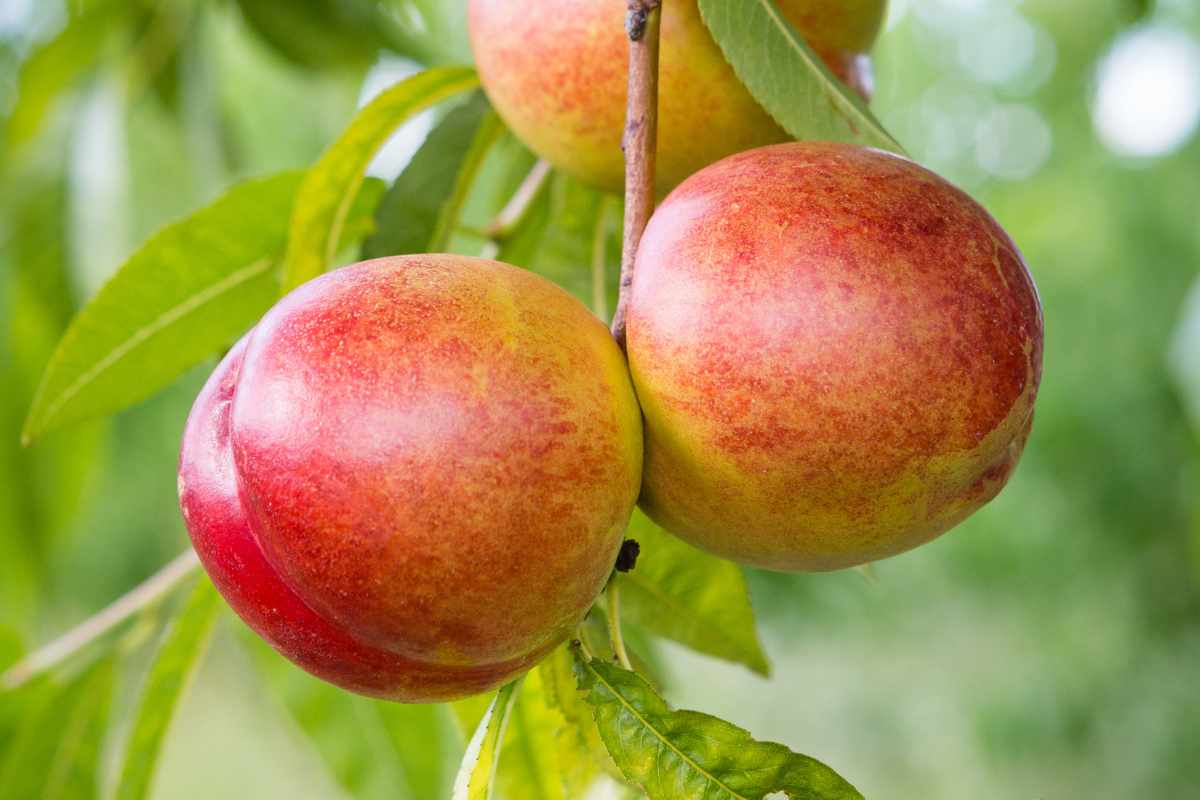
Stone fruits, such as peaches and nectarines, are typically associated with cooler climates because they require a certain amount of chilling hours to thrive. However, thanks to advancements in breeding programs, several low-chill cultivars have been introduced that can grow well in hotter conditions. These new varieties require fewer chilling hours, allowing them to be cultivated in warmer regions.
For example, the "UFO" peach variety is unique because it has a donut shape and only needs 250 chilling hours to bear fruit. Similarly, nectarines like "UF Sun" and "UFBest" were bred by the University of Florida and require minimal chilling hours, around 100 cooling units, making them suitable for warmer regions with fewer cold nights. These fruits are perfect for gardeners looking for stone fruits that won’t wilt under the heat.
Tips for Growing Heat-Tolerant Fruits
When planting heat-loving fruits, it’s important to consider the following tips to ensure your plants thrive:
- Choose the Right Location: Select a spot with plenty of sunlight for fruit trees like dragon fruit, watermelon, and guava, which need full sun to flourish. However, be mindful of excessive afternoon heat—some plants may benefit from a little afternoon shade.
- Proper Watering: In hot climates, plants may require more frequent watering. Be sure to provide deep watering to encourage strong root growth. Drip irrigation systems or soaker hoses are excellent ways to deliver water directly to the roots, keeping plants hydrated without wasting water.
- Mulch to Retain Moisture: Apply mulch around the base of your fruit trees and plants to retain soil moisture and regulate temperature. Mulching also helps to suppress weeds, which can compete with your fruit trees for water and nutrients.
- Use Heat-Tolerant Soil: Heat-loving plants tend to prefer well-drained, slightly acidic soil. Consider improving your garden’s soil by adding organic matter or compost to enhance drainage and fertility. Sandy or loamy soil types tend to perform best for heat-loving plants.
- Monitor for Pests: Hot weather can attract certain pests, so it's essential to keep an eye on your plants and take action when needed. Organic insecticides or natural remedies like neem oil can help keep your plants safe without harming the environment.
- Support with Fertilization: Fertilize your heat-tolerant fruit trees with the right nutrients to support their growth during the summer. Slow-release fertilizers are a great choice as they provide steady nourishment without the risk of burning the roots.
Other Heat-Tolerant Options
If you’re looking for other fruiting plants that can tolerate high heat, consider incorporating figs, pomegranates, and citrus trees into your garden. These fruits not only withstand hot temperatures but also require little maintenance once established. Figs and pomegranates, in particular, are drought-tolerant, making them perfect for arid climates.
Final Thoughts
The hot weather doesn’t mean you have to sacrifice fresh fruit in your diet. Whether you're growing tropical delights like dragon fruit and guava or experimenting with low-chill peaches and nectarines, there are plenty of heat-tolerant options to choose from.
With the right care and attention, these fruits will thrive in your garden, offering delicious produce even during the hottest months. So, if you’re ready to make the most of your hot climate, try growing some of these hardy, heat-loving fruits and enjoy the sweet rewards of summer all year long.
Enjoy the video Tutorial

Source:Weed 'em & Reap
Did you find this post Useful or Inspiring? Save THIS PIN to your GARDENING Board on Pinterest! 
Once again, thank you for visiting our website!
We hope you've enjoyed exploring the content we've created for you.
Give yourself the chance to learn, get inspired, and have even more fun, keep browsing...
More Gardening Tips 👇🏼👇🏼