
Growing Pineapple Plants at Home


Growing pineapple plants at home is a rewarding experience.
Not only do they add a tropical touch to your indoor or outdoor space, but they also allow you to enjoy fresh, homegrown fruit.
With the right care and patience, you can successfully grow a healthy pineapple plant from the crown of a store-bought fruit.
Selecting the Right Pineapple
Start by choosing a ripe, healthy pineapple. Look for one with a vibrant golden color and firm flesh.
The leaves should be green and fresh, without signs of browning or wilting.
Avoid fruits that are overly soft or show signs of mold, as their crowns may not root successfully.
Preparing the Crown for Planting
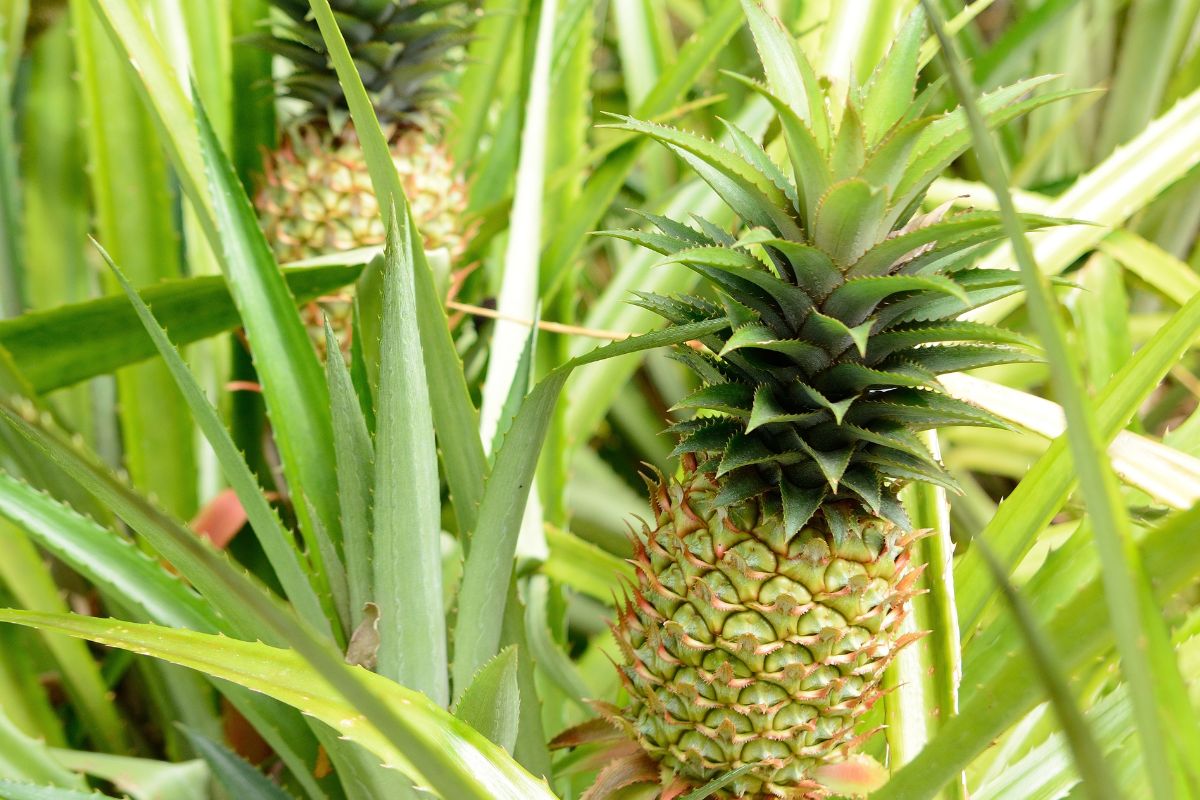
To grow a pineapple, carefully remove the crown (the leafy top).
Gently pull or twist it off, making sure no fruit flesh remains attached. Remove a few of the lower leaves to expose a small portion of the stem.
Allow the crown to dry for 3 to 5 days in a well-ventilated, shaded area. This step helps prevent rot when it is planted. Once dried, the crown is ready to root.
Choosing the Right Soil and Container
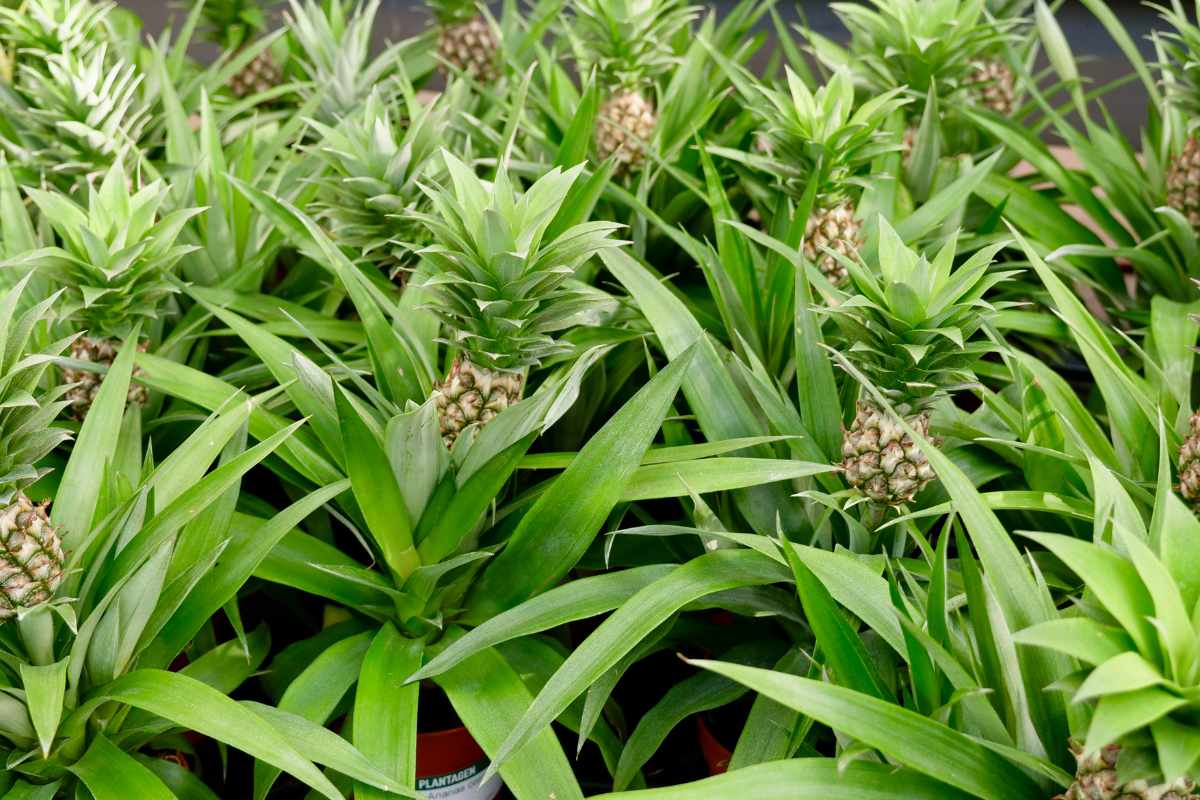
Pineapples thrive in a well-draining soil mix. A combination of potting soil, sand, and perlite works perfectly.
Choose a container with drainage holes and a diameter of at least 30 cm (12 inches) to give the plant enough space to grow.
Planting Your Pineapple
Plant the dried crown in the prepared soil, burying just the base of the stem.
Press the soil lightly around it to secure the plant. Water sparingly at first to avoid waterlogging, which can lead to root rot.
Providing Optimal Light and Temperature
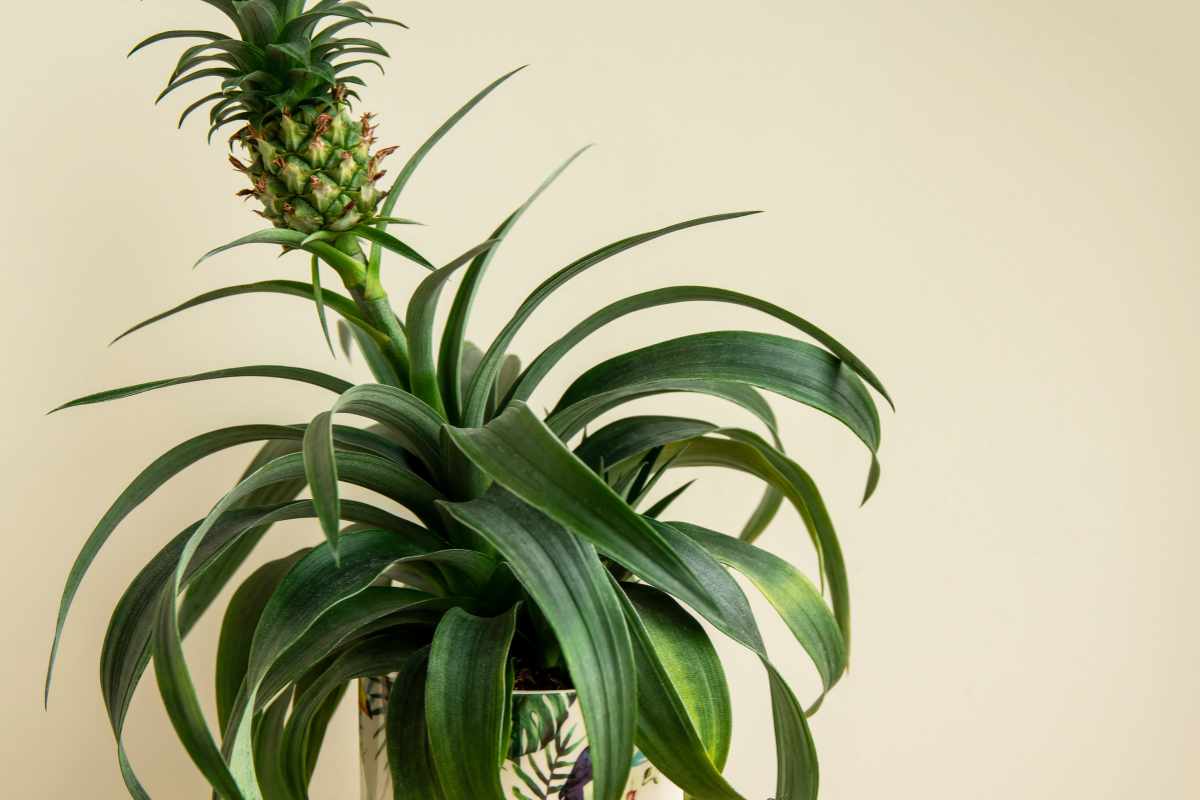
Pineapple plants need plenty of sunlight. Place your plant in a location that receives at least 6 hours of direct sunlight daily.
They also prefer warm temperatures between 20°C and 30°C (68–86°F).
If growing indoors, consider placing your plant near a sunny window or under a grow light.
Watering and Humidity
Water your pineapple plant when the top inch of soil feels dry, usually every 2 to 3 days, depending on your climate.
Pineapples also enjoy moderate humidity. You can increase humidity by misting the leaves or using a nearby humidifier.
Avoid overwatering, as this is a common cause of plant failure.
Fertilizing and Maintenance
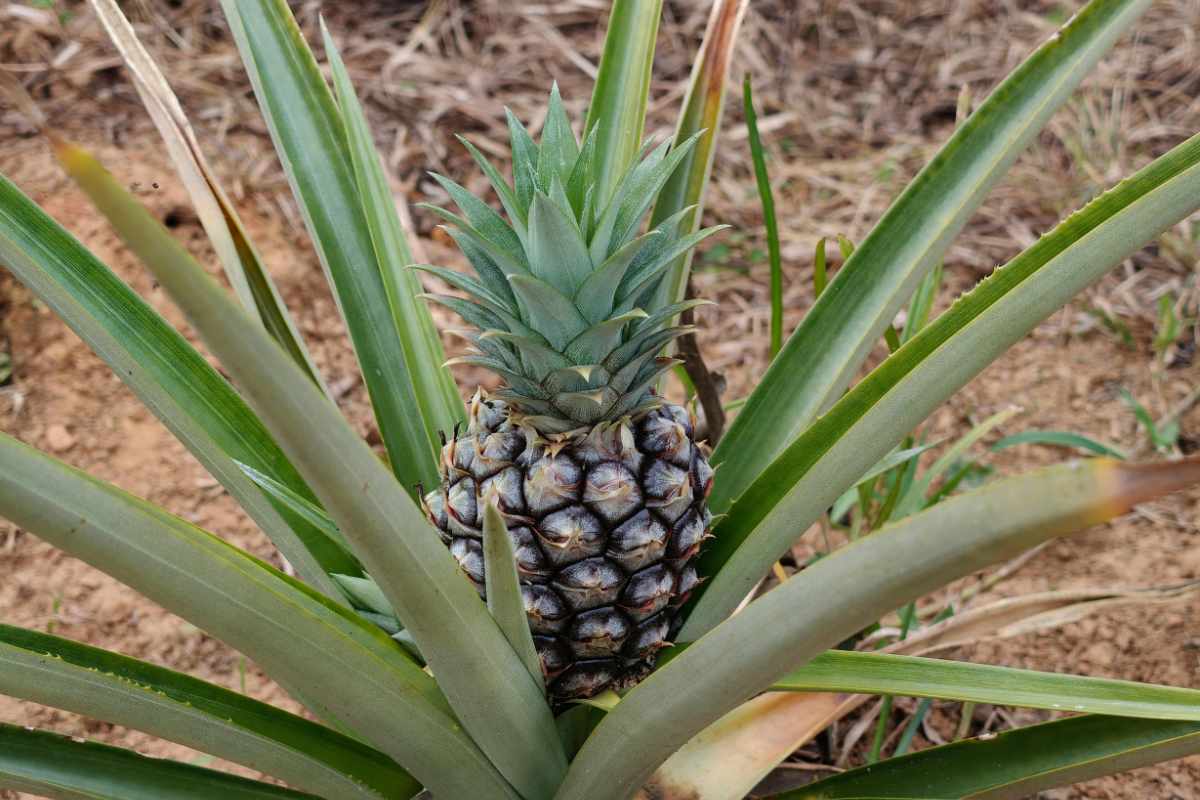
Feed your plant with a balanced fertilizer every 6 to 8 weeks during the growing season.
Remove any dead or yellowing leaves to maintain healthy growth.
Pineapples are slow-growing plants, so consistent care and attention are key.
Flowering and Fruiting
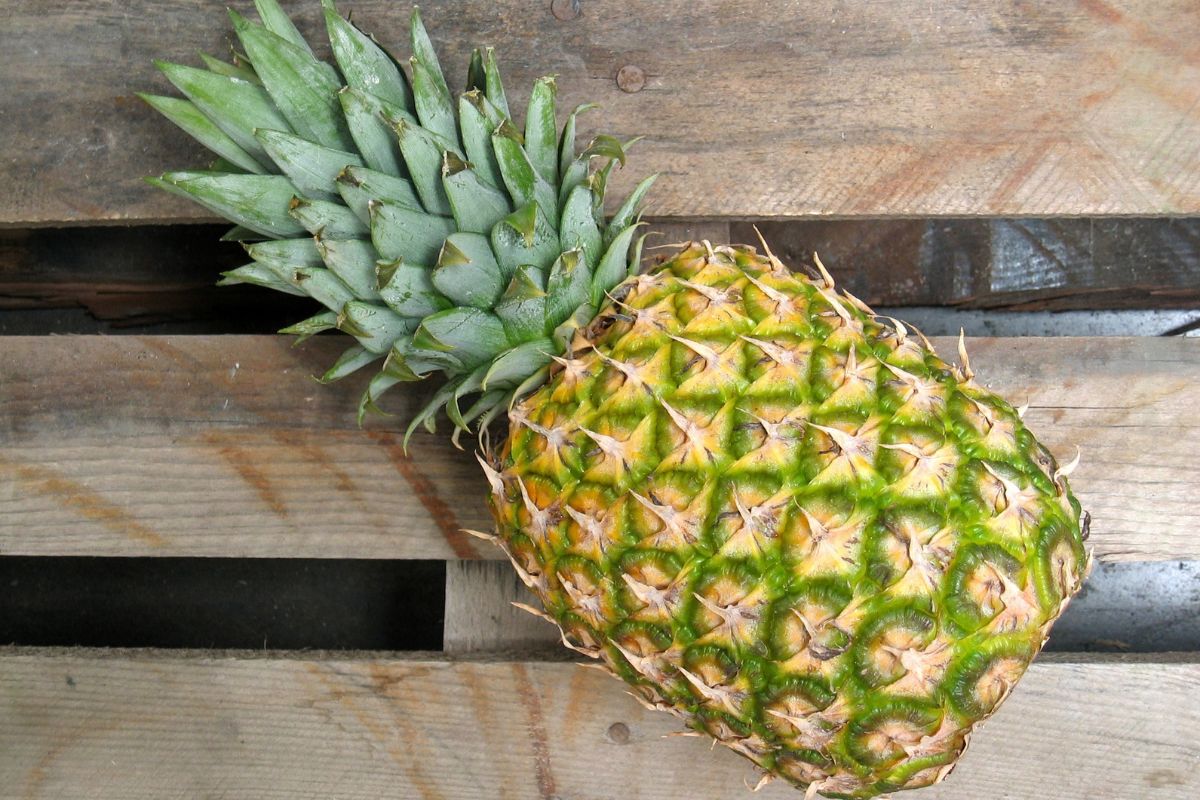
Be patient! Pineapples can take 24 to 36 months to produce fruit.
When the plant is mature, it may develop a flower and eventually form a delicious pineapple.
Even before fruiting, the plant’s lush leaves make a beautiful decorative addition to your home.
Enjoying the Rewards
Growing a pineapple at home is not just about the fruit—it’s also about the joy of nurturing a tropical plant from start to finish.
With proper care, your pineapple plant will thrive and may even reward you with sweet, juicy fruit after a few years.
Enjoy This Video Tutorial
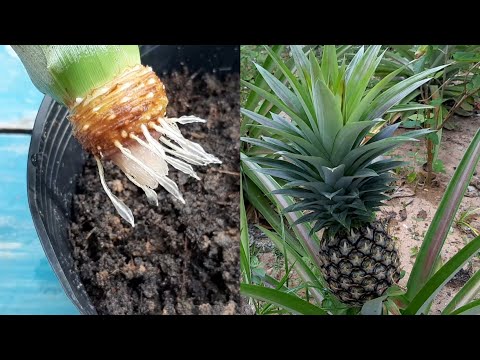
Source: Garden Nam
Don’t forget to Subscribe to our Newsletter to receive amazing tips and tricks about Gardening and the FREE Ebook Green Living Strategies!
Did you find this post Useful or Inspiring? Save THIS PIN to your GARDENING Board on Pinterest! 😊

Once again, thank you for visiting our website!
We hope you've enjoyed exploring the content we've created for you.
Give yourself the chance to learn, get inspired, and have even more fun, keep browsing...
More Gardening Tips 👇🏼👇🏼