
How to Build a Vertical Hydroponic Garden for Small Spaces

For anyone living in an apartment or with limited outdoor space, gardening can sometimes feel out of reach.
Yet thanks to modern techniques, it’s easier than ever to grow fresh produce without a large backyard.
One of the most exciting approaches is creating a vertical hydroponic garden.
This method not only saves room but also allows plants to thrive with minimal soil, making it perfect for small balconies, patios, or even indoor corners.
Understanding Vertical Hydroponics
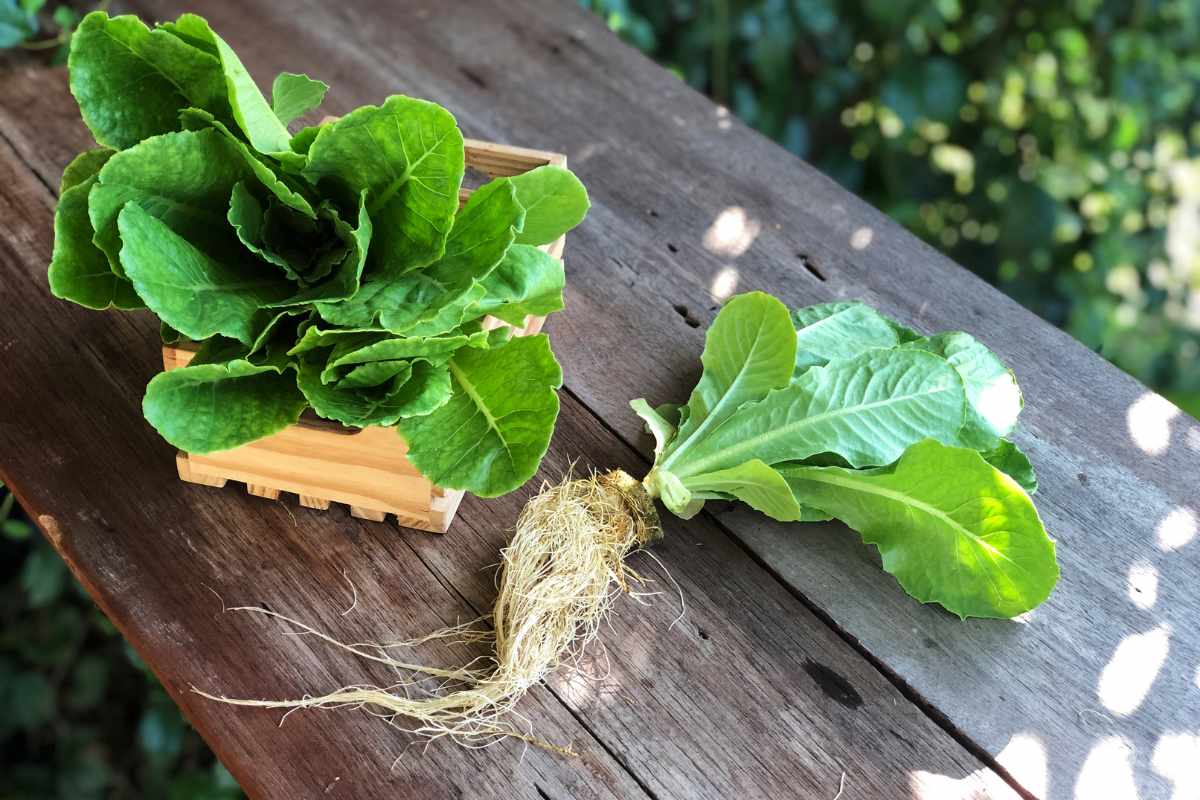
At its core, hydroponics is the practice of growing plants without soil, relying instead on a nutrient-rich water solution.
When this system is combined with vertical gardening, plants are stacked or arranged upward rather than spread across the ground.
The result is a highly efficient, space-conscious garden that makes the most of limited areas while producing fresh herbs, leafy greens, and even some vegetables.
Unlike traditional gardening, hydroponic systems deliver nutrients directly to the plant roots, which can speed up growth and increase yields. By going vertical, the setup becomes compact, manageable, and visually appealing—a true win for those short on space.

Choosing the Right Structure
Before diving in, it’s important to decide what kind of vertical system works best for your situation. Here are some of the most common options:
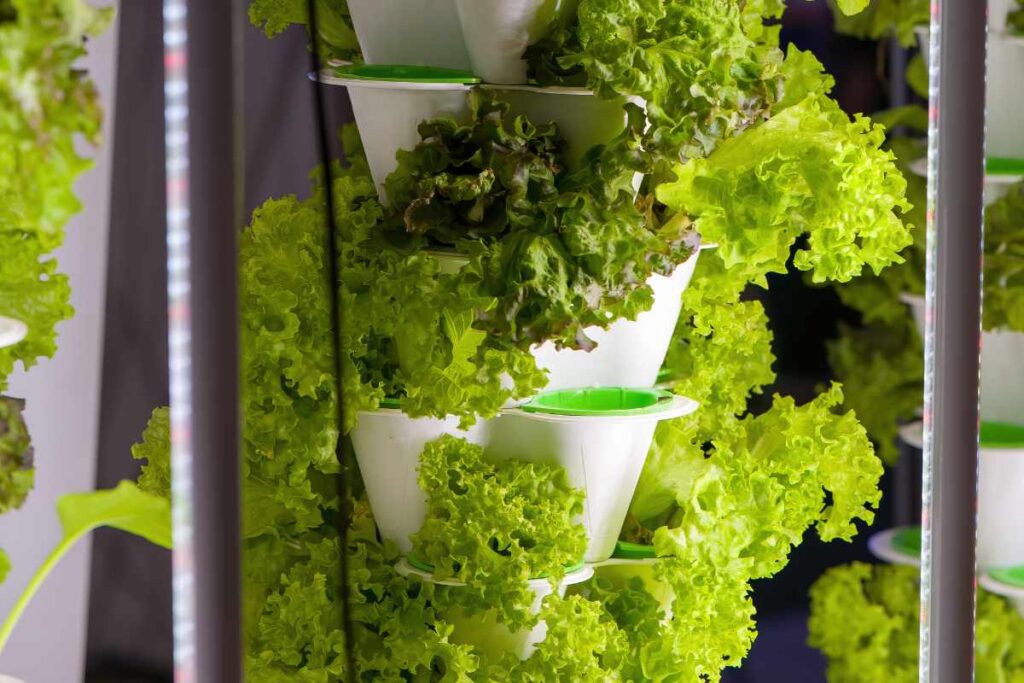
Vertical tower: A beginner-friendly setup with multiple planting cups or slots arranged around a central column. Nutrient-rich water flows down the column, evenly feeding every plant. Perfect for crops like lettuce, basil, and spinach.
PVC pipe system: A DIY option where pipes with holes cut into them are mounted on a frame or wall. Plants grow securely in the openings while water circulates from the top down.
Stacked planters: Simple and compact, these are easy to manage and fit well on balconies or patios. They work best for herbs and small leafy greens.
Whichever design you choose, make sure the structure is durable and stable. If the garden is outdoors, it should also withstand wind and weather changes.
Selecting Plants that Thrive
Not every plant is suited for hydroponics or vertical arrangements, so choosing the right varieties makes all the difference.
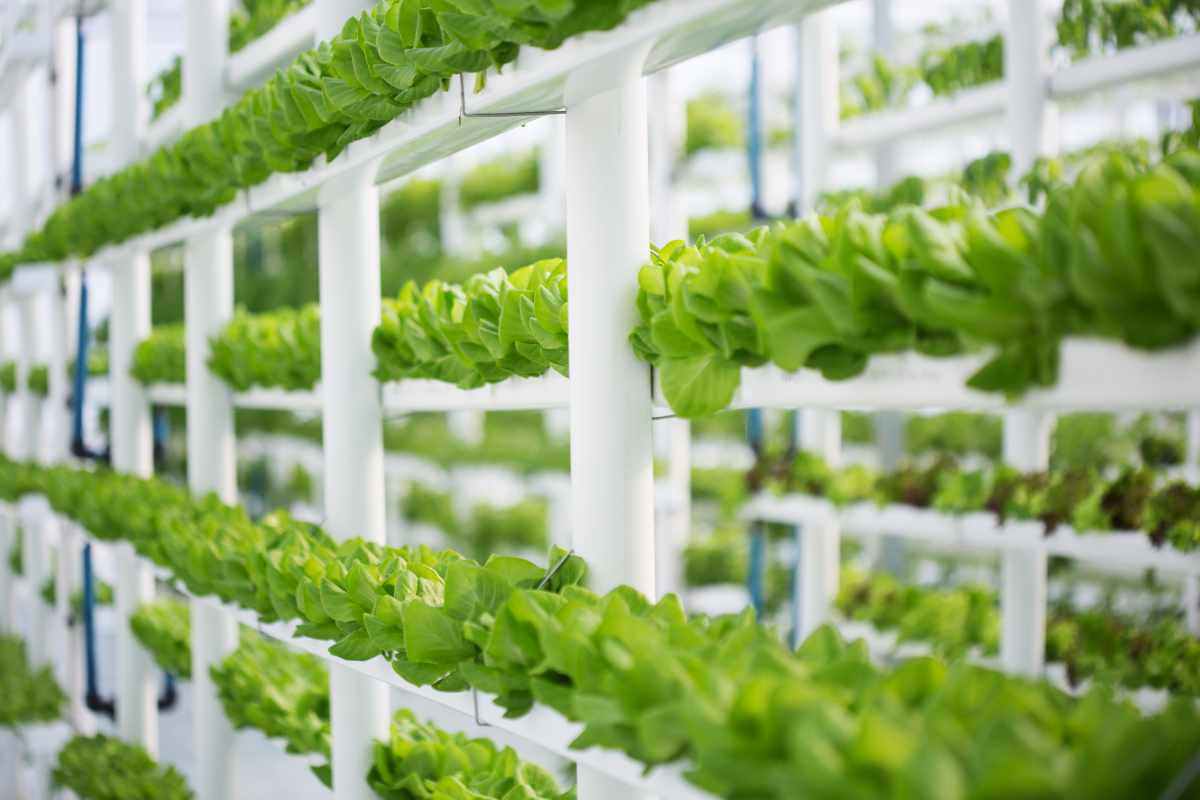
Leafy greens and herbs are among the easiest options, since they grow quickly and don’t require much root space.
Popular picks include lettuce, kale, Swiss chard, parsley, cilantro, basil, mint, and dill. For those looking to experiment, strawberries also adapt well to vertical hydroponic gardens, offering a sweet reward in a compact system.
While larger crops like tomatoes or cucumbers can grow hydroponically, they usually need more support and space than smaller setups provide.
For beginners, sticking to lighter, faster-growing plants will ensure success and keep the system manageable.

Setting Up the Nutrient and Water Flow
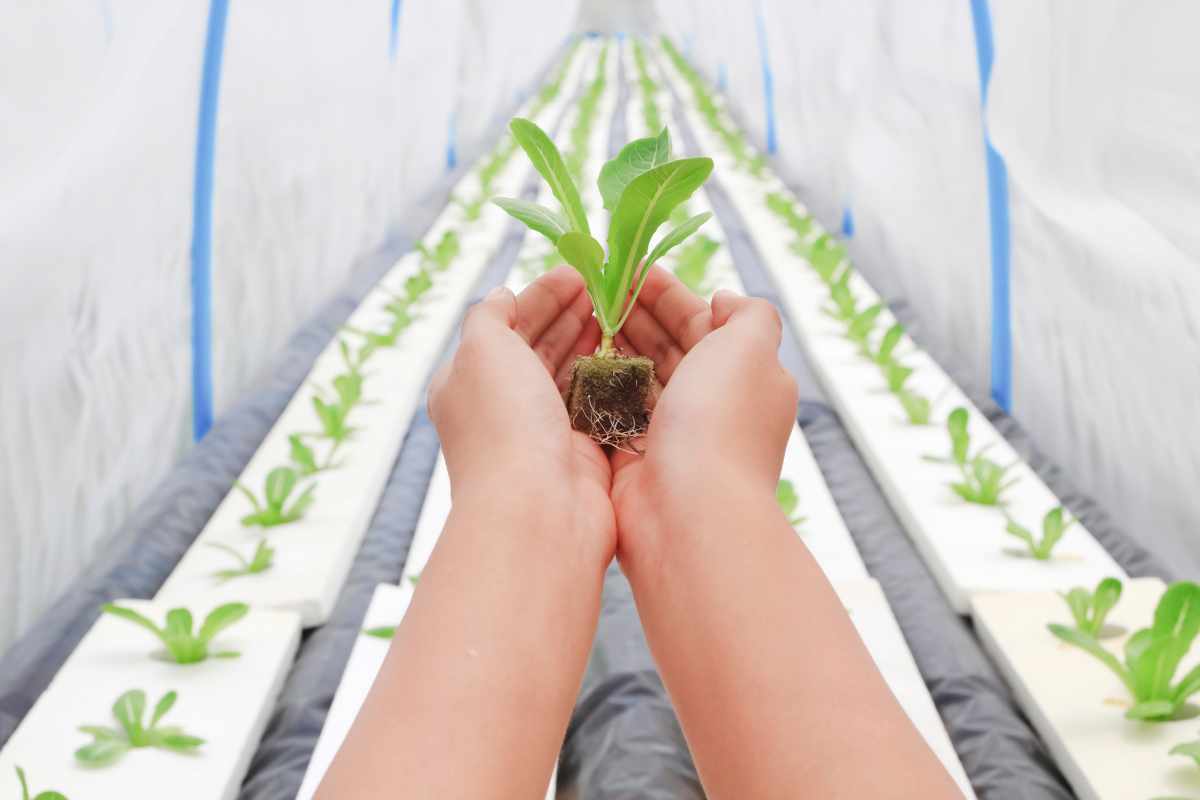
The heart of any hydroponic garden is the delivery of water and nutrients. Since soil isn’t present to hold moisture, the plants rely entirely on the system to provide what they need.
This is typically done through a pump that circulates water mixed with a balanced nutrient solution.
The water flows through the structure, reaching each plant’s roots and then cycling back to a reservoir.
This closed-loop process not only conserves water but also keeps the plants consistently nourished. Monitoring pH levels and nutrient balance is important, as even small imbalances can affect plant health.
For a home setup, many gardeners choose pre-mixed hydroponic solutions, which simplify the process.
Over time, you can adjust or experiment with formulas depending on the crops you’re growing and their specific requirements.
Light and Environmental Considerations
Light plays a crucial role in how well plants grow in a vertical hydroponic garden. If your garden is indoors, investing in good grow lights is essential.
Full-spectrum LED lights mimic natural sunlight and are energy-efficient, making them ideal for indoor use.
If the garden is outdoors, placing it in a spot with at least six hours of sunlight will encourage steady growth. For balconies that don’t get much direct sun, supplemental lighting can make up the difference.
Temperature and airflow also influence plant success. Since hydroponic systems don’t have soil to buffer environmental stress, sudden heat or cold can impact plants more quickly.
Keeping the area ventilated, avoiding extreme temperature swings, and checking on your system regularly will help maintain a stable environment.
Maintenance and Care
Although hydroponics reduces the need for weeding and soil preparation, these gardens still require attention.
Regularly checking the pump, ensuring the water reservoir is filled, and cleaning the system are key steps in keeping everything running smoothly.
Plants also need monitoring for pests, though hydroponic setups often experience fewer issues compared to traditional gardens.
If you spot any signs of trouble—such as yellowing leaves or stunted growth—it’s usually a sign of a nutrient imbalance, water issue, or lighting problem. Addressing these early will keep the garden productive and healthy.
Trimming herbs and harvesting greens regularly will encourage continuous growth.
One of the great joys of vertical hydroponic gardening is having a constant supply of fresh, flavorful produce at your fingertips, ready to enhance meals any time.
Did you find this post useful or inspiring? Save THIS PIN to your GARDEN Board on Pinterest!

More Gardening Tips 👇🏼👇🏼