
How to Grow and Care for Black Huckleberries


Black huckleberries (Gaylussacia baccata) are one of North America’s native treasures.
These hardy shrubs produce small, dark-blue berries that resemble blueberries but have a richer, tangier flavor.
Aside from their delicious fruit, they bring beautiful seasonal color and attract pollinators and wildlife, making them a great addition to naturalized gardens or edible landscapes.
If you’ve ever wanted to grow your own huckleberries, this guide covers everything — from planting and soil preparation to harvesting and care tips — so you can enjoy healthy, fruit-bearing shrubs year after year.
Quick Facts
| Feature | Details |
|---|---|
| Botanical name | Gaylussacia baccata |
| Common names | Black huckleberry, wild huckleberry |
| USDA Zones | 3–7 |
| Soil pH | 4.3–5.2 (acidic) |
| Sun exposure | Full sun to partial shade |
| Mature height | 1–3 feet (30–90 cm) |
| Bloom time | Late spring to early summer |
| Harvest season | Mid- to late summer |
Choosing the Right Spot
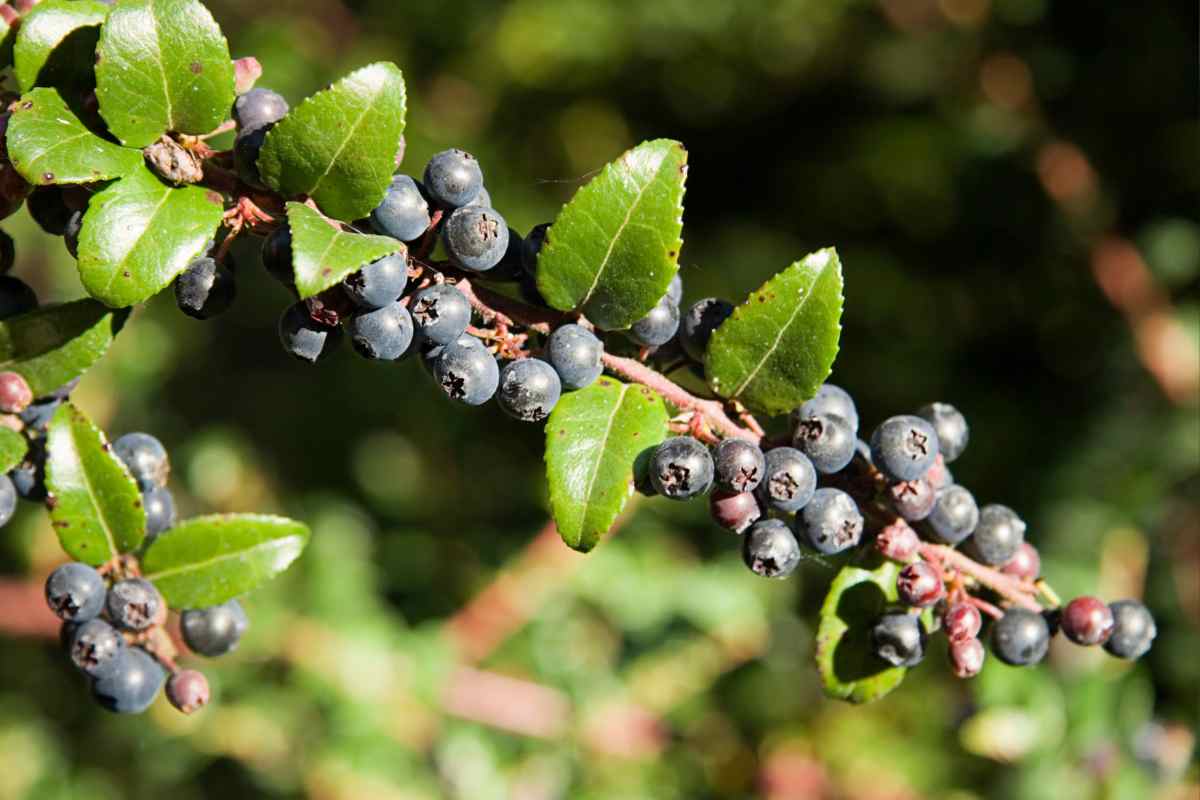
Black huckleberries thrive in cool climates with acidic, well-draining soil.
They naturally grow in woodland edges, pine barrens, and rocky slopes, so try to mimic those conditions in your garden.
Select a sunny to partially shaded location — the more sunlight they receive, the more fruit they’ll produce.
Avoid compacted or alkaline soils, as these can stunt growth and cause yellowing leaves.
Preparing the Soil
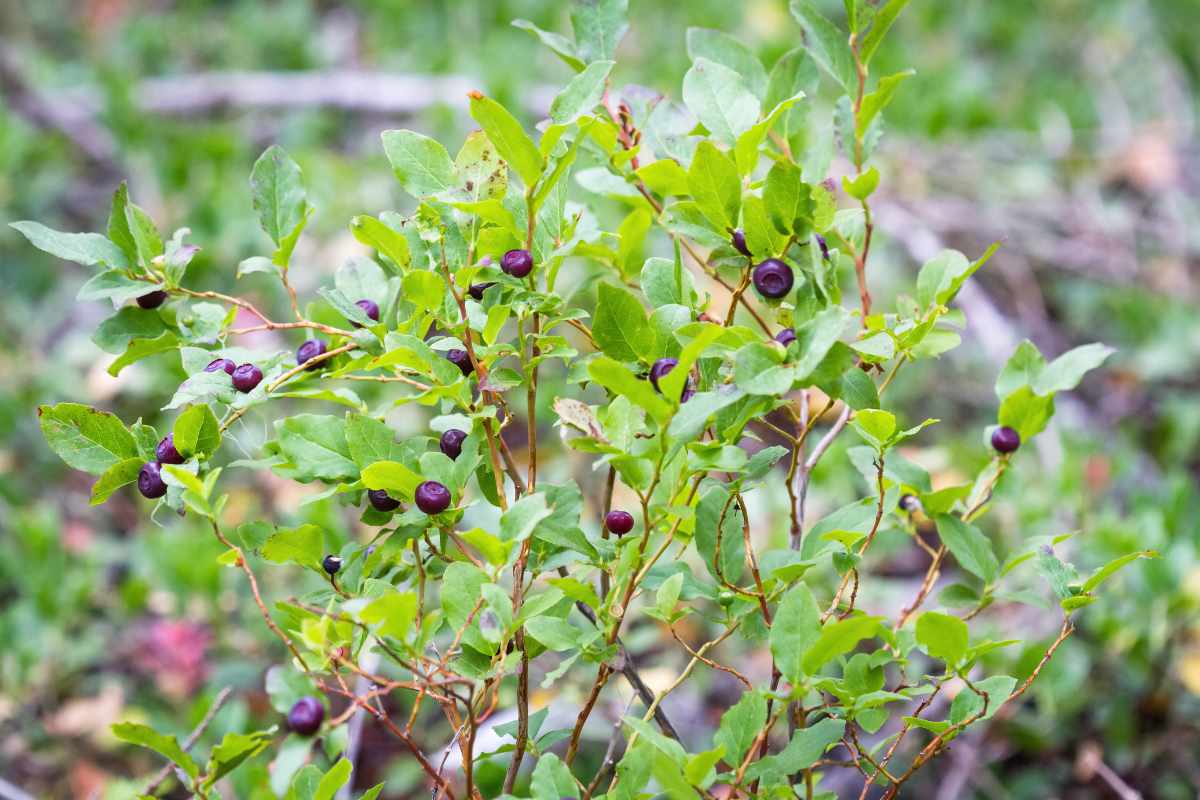
These shrubs love acidic soil. A pH between 4.3 and 5.2 is ideal. If your soil tends to be neutral or alkaline, amend it before planting:
Mix peat moss, pine needles, or composted oak leaves into the planting area.
Test your soil pH regularly, and use elemental sulfur or acid-loving plant fertilizer to maintain acidity.
Ensure good drainage — huckleberries dislike soggy roots.
Planting Black Huckleberries

From Nursery Plants
The easiest way to start is with container-grown shrubs from a reputable nursery.
Dig a hole twice the width of the root ball and about as deep. Backfill with your prepared acidic soil mix, and water thoroughly after planting.
From Seed or Division
Growing from seed requires patience — germination can take months and often needs a cold stratification period.
Seeds can be sown outdoors in late fall or refrigerated for 2–3 months before spring planting.
Alternatively, divide mature plants in early spring.
Carefully dig up and separate the root clumps, ensuring each division has several stems and healthy roots.
Watering and Fertilizing
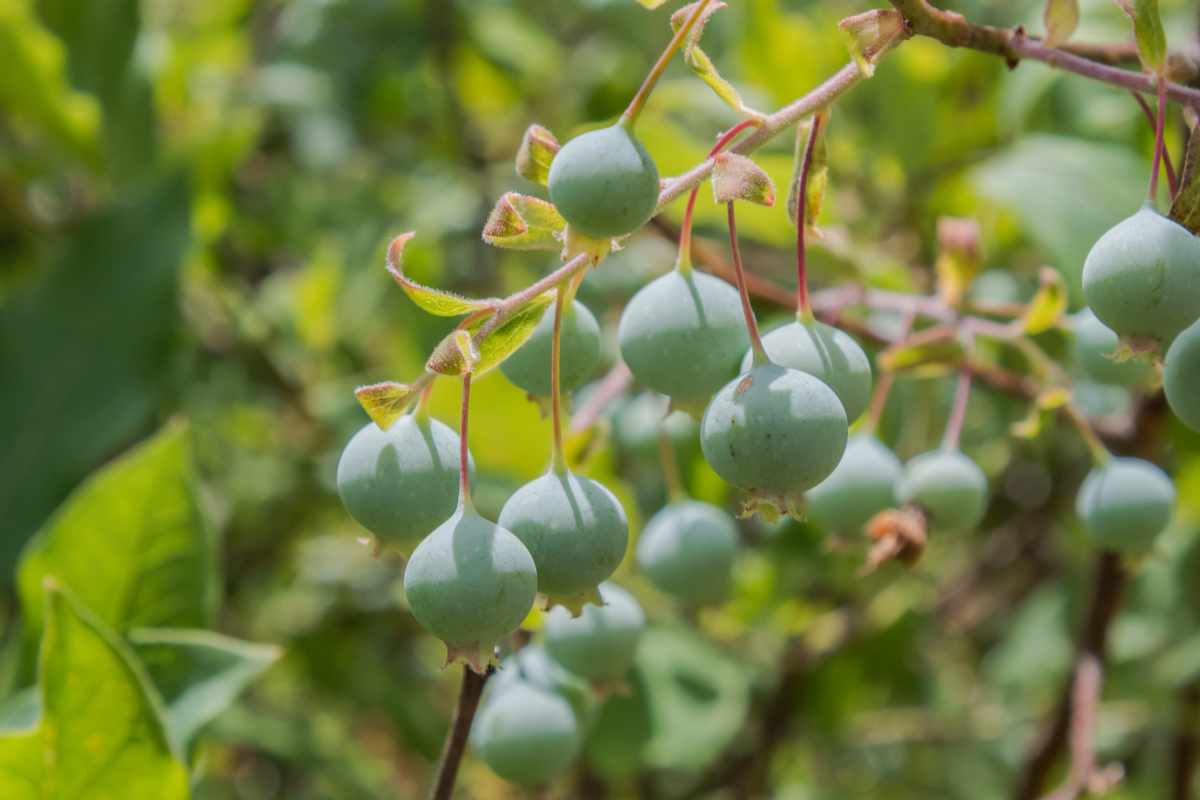
Keep the soil consistently moist during the first growing season. Once established, black huckleberries tolerate short dry periods but appreciate deep watering during drought.
Feed with an acidic fertilizer (like those for azaleas or blueberries) once a year in early spring.
Avoid over-fertilizing — too much nitrogen can reduce fruit yield and make the plant more vulnerable to disease.
Pruning and Maintenance
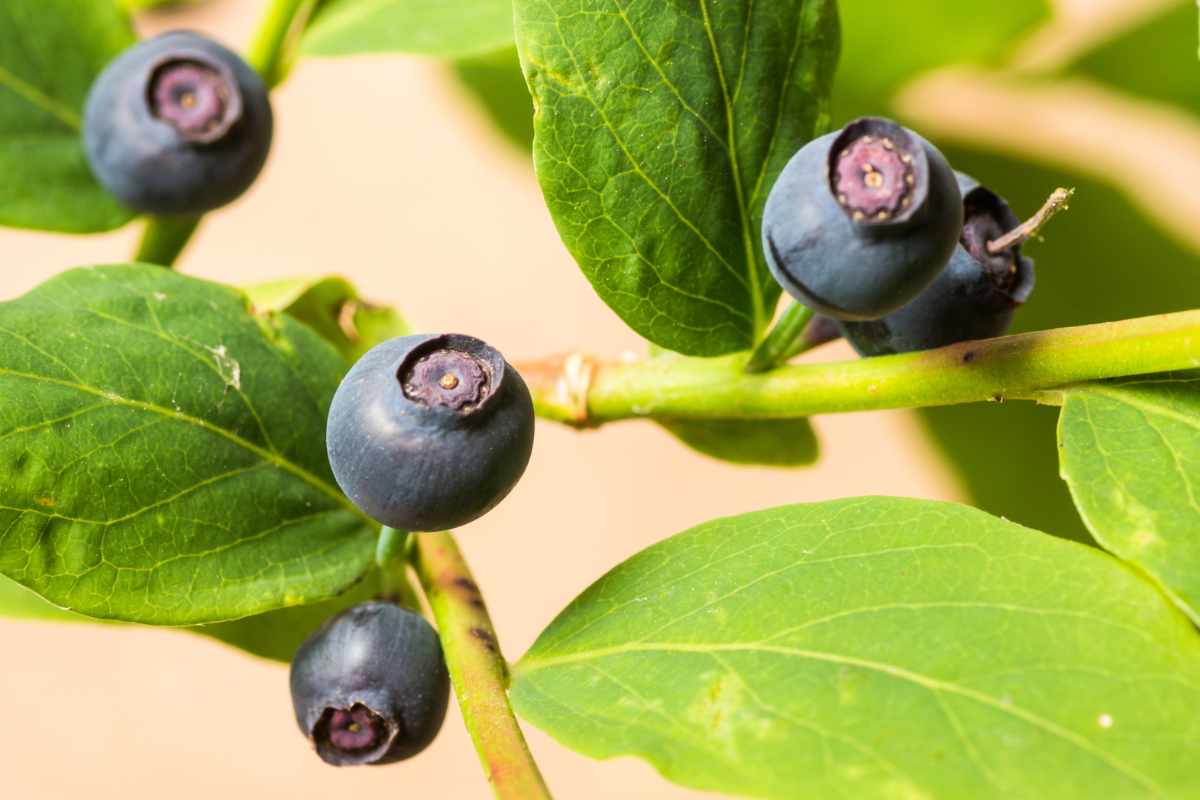
Huckleberries are naturally compact, but light pruning every 2–3 years helps maintain shape and encourages new growth.
Remove any dead or damaged wood in late winter or early spring before new leaves emerge.
Adding a layer of mulch — such as pine bark or sawdust — helps retain moisture, suppress weeds, and maintain soil acidity.
Pests and Common Problems

Black huckleberries are relatively pest-resistant, but a few issues can appear:
Leaf spot or powdery mildew: Improve airflow and avoid overhead watering.
Aphids or mites: Rinse off with water or use insecticidal soap.
Poor fruiting: Usually caused by low sunlight or soil pH that’s too high.
Regular pruning, mulching, and soil monitoring will help prevent most problems.
Harvesting and Using the Berries
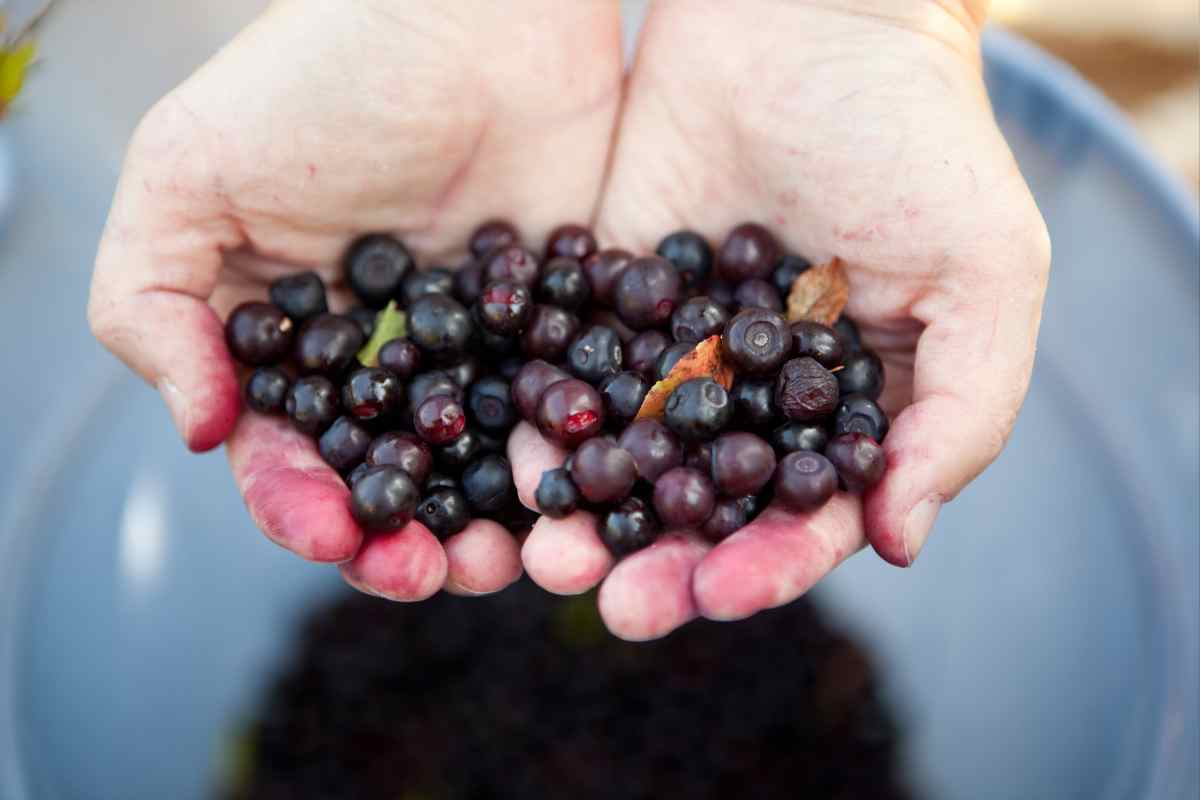
The berries ripen from mid- to late summer, turning deep purple-black when ready.
They’re smaller than blueberries but packed with flavor. Gently hand-pick them, as the berries can detach easily.
Huckleberries are excellent in pies, jams, pancakes, and smoothies.
You can also freeze them for later use. Beyond their taste, they’re rich in antioxidants and vitamin C — a healthy addition to your kitchen.
Growing in Containers
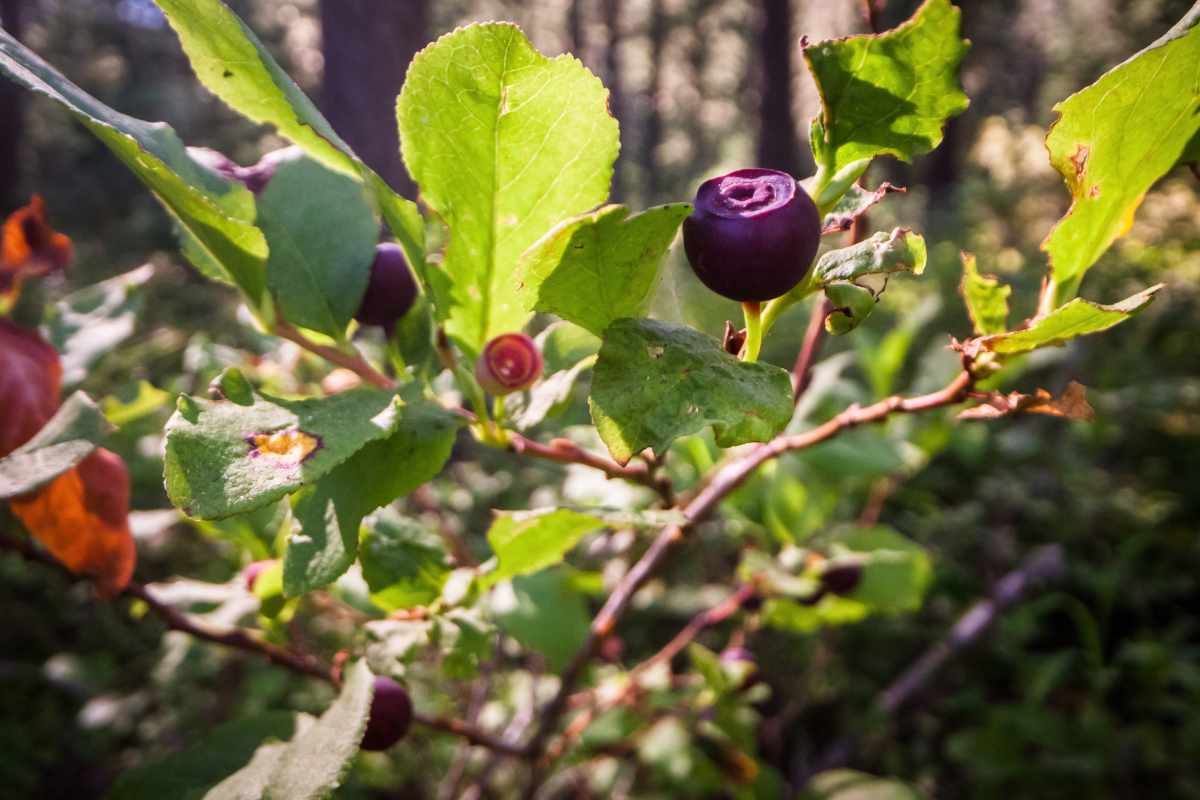
If you don’t have the right garden soil, black huckleberries can grow in large pots or raised beds.
Use an acidic potting mix (a blend for blueberries or azaleas works well) and ensure the container has good drainage holes.
Water more frequently, as containers dry out faster.
Seasonal Care Tips
Spring: Fertilize and prune dead wood.
Summer: Keep soil moist and harvest ripe berries.
Fall: Add mulch to protect roots for winter.
Winter: No need to cover; they’re hardy to Zone 3, but potted plants can be moved to a sheltered area.
Final Thoughts on Growing Black Huckleberries
Growing black huckleberries at home is both rewarding and surprisingly simple once their basic needs are met.
With acidic soil, regular moisture, and a bit of patience, these native shrubs will thrive for decades — offering beauty, habitat for wildlife, and tasty fruit every year.
Don’t forget to Subscribe to our Newsletter to receive amazing tips and tricks about Gardening and the FREE Ebook Green Living Strategies!
Did you find this post Useful or Inspiring? Save THIS PIN to your GARDENING Board on Pinterest! 😊

Once again, thank you for visiting our website!
We hope you've enjoyed exploring the content we've created for you.
Give yourself the chance to learn, get inspired, and have even more fun, keep browsing...
More Gardening Tips 👇🏼👇🏼