
How to Grow and Care for the Stunning Crassula Ovata 'Gollum' (Jade Plant)

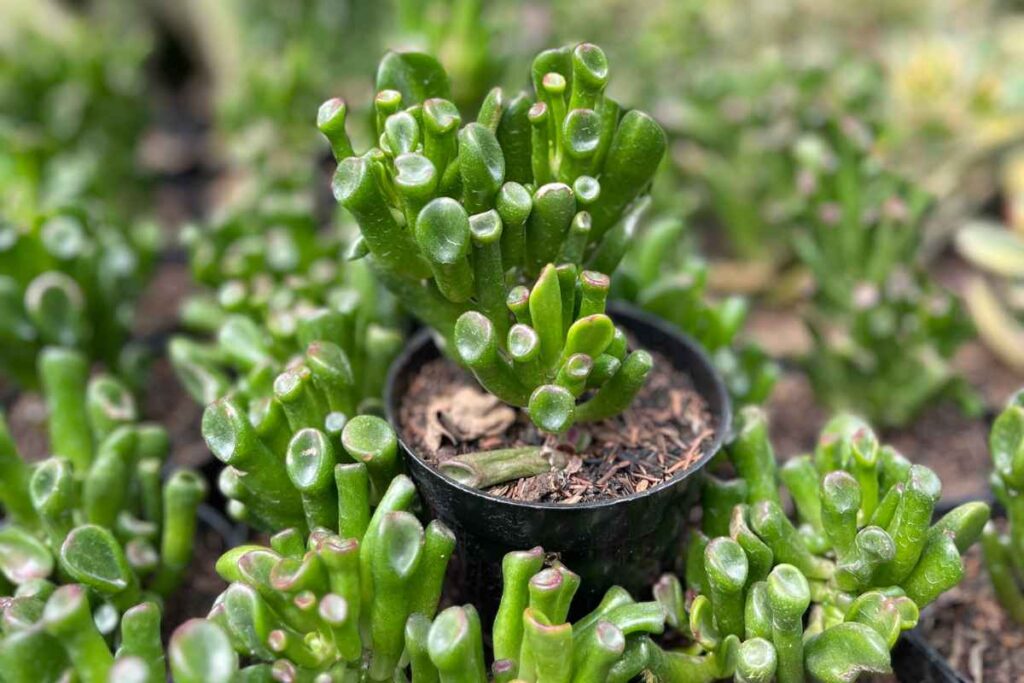
If you love succulents with personality, Crassula ovata ‘Gollum’—often called Gollum Jade or Trumpet Jade—will steal your heart.
With its tubular, glossy leaves that flare at the tips like tiny green trumpets, this compact shrub brings sculptural interest to windowsills, desks, and sunny patios.
It’s also wonderfully forgiving, making it an ideal choice for beginners who want a plant that looks exotic yet behaves like a low-maintenance housemate.
In this guide, you’ll learn everything you need to keep ‘Gollum’ thriving—from light and watering to pruning, propagation, and long-term styling.
Meet ‘Gollum’: What Sets It Apart
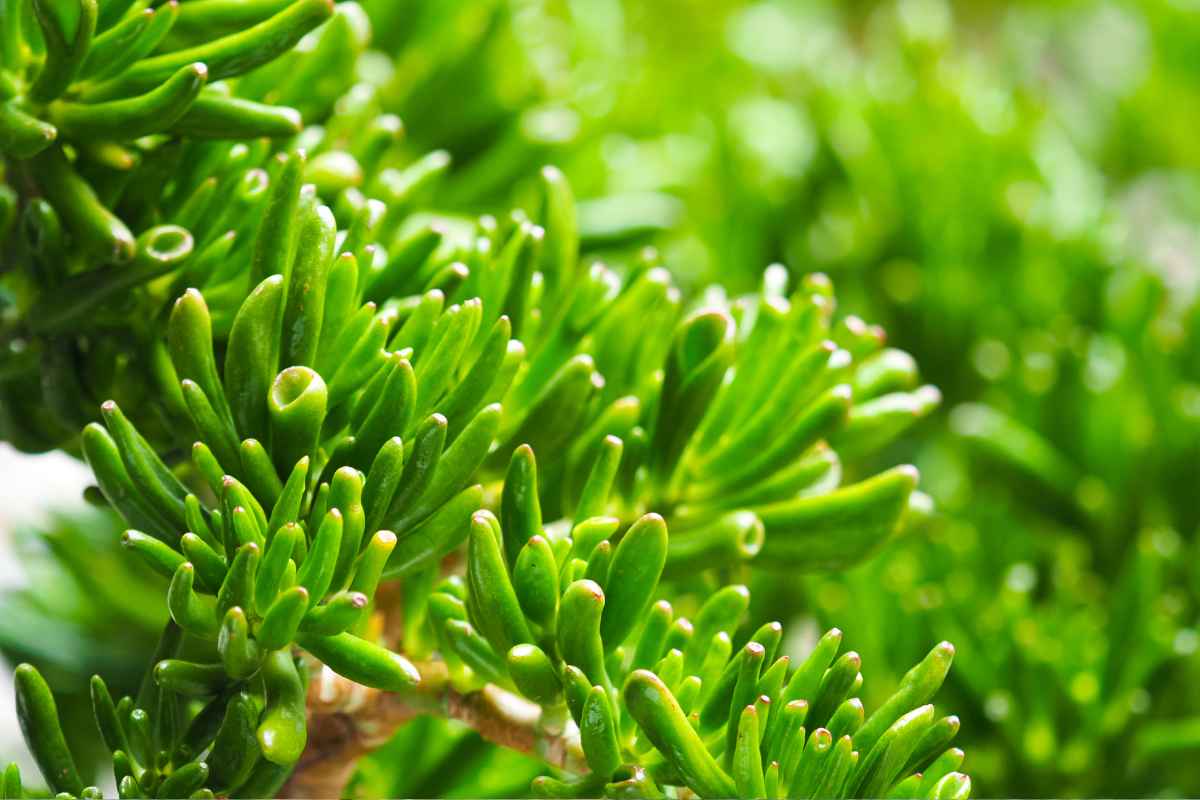
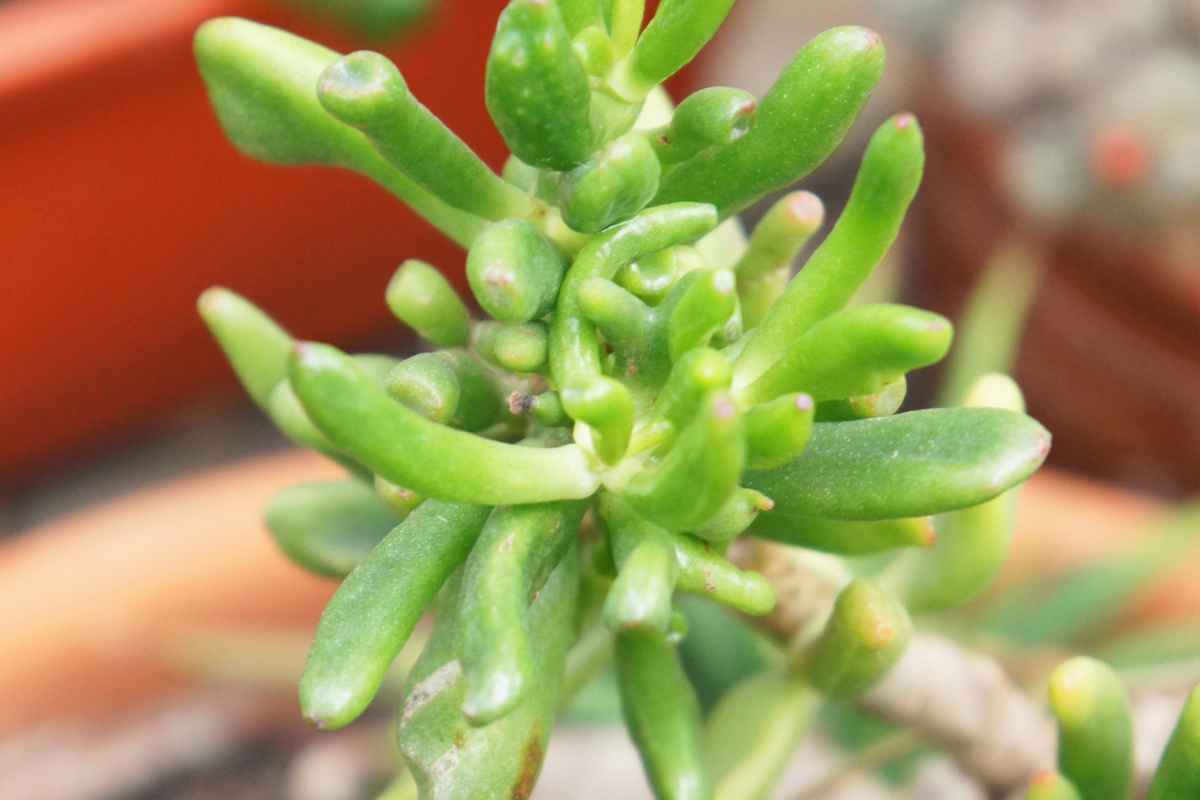
Crassula ovata ‘Gollum’ is a cultivar of the classic jade plant, but its leaves are cylindrical and cupped, with a small opening at the tip.
New growth emerges bright green and often develops red margins when grown in strong light or cooler temperatures.
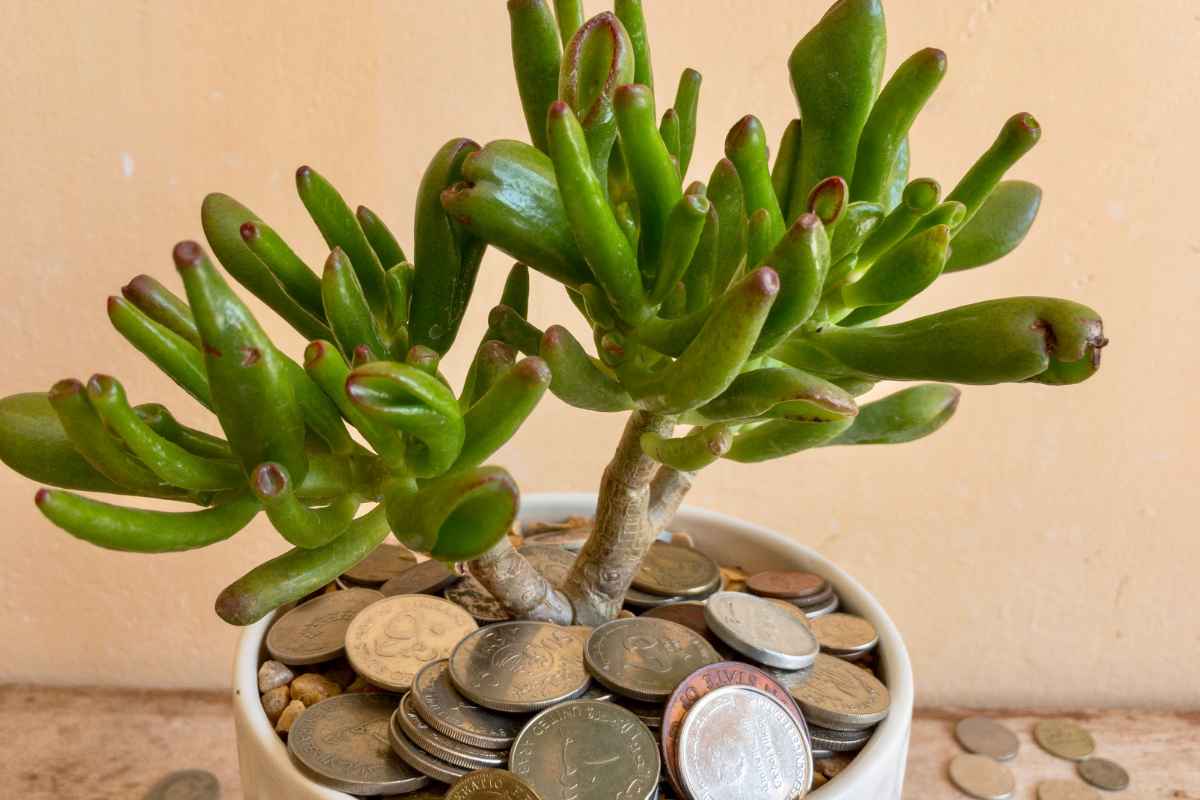
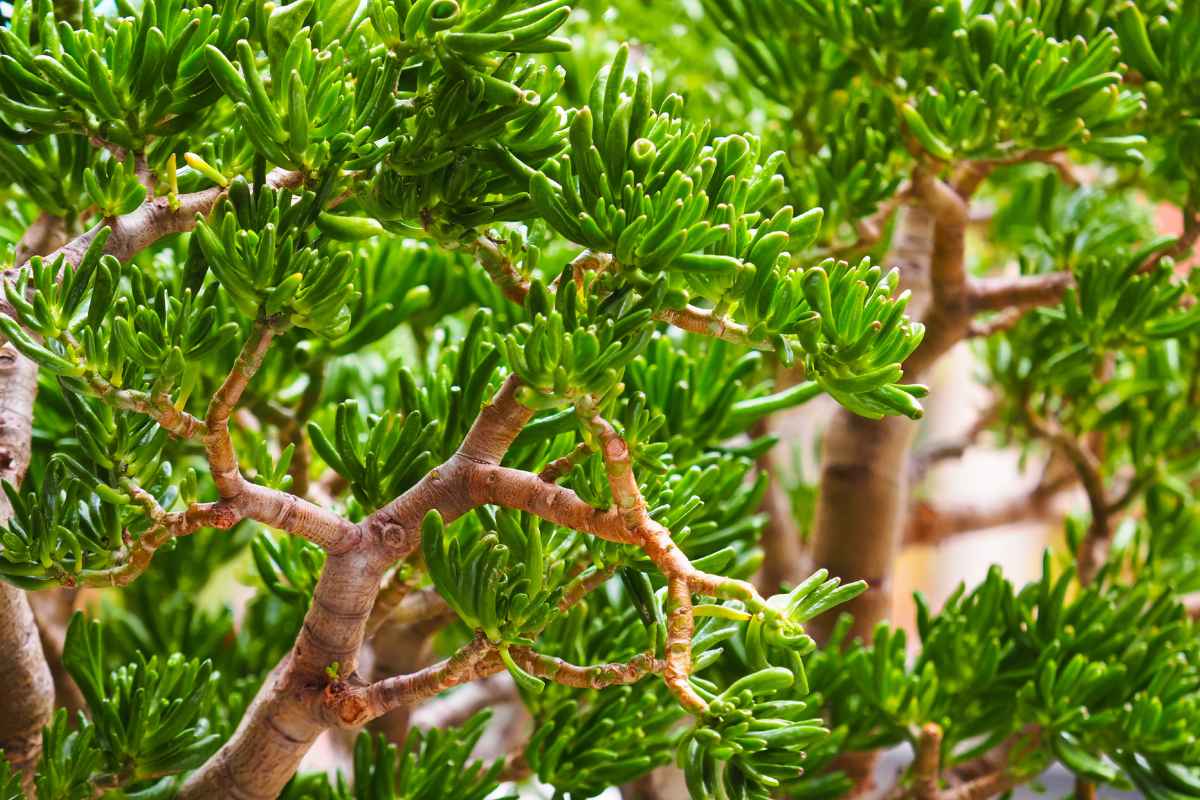
Mature plants form woody stems and a thickened base, eventually taking on a miniature tree silhouette.
While ‘Gollum’ can produce clusters of tiny star-shaped flowers in winter under the right conditions, most of its appeal lies in its year-round structure, glossy foliage, and slow, tidy growth.
Ideal Light: Bright, Not Blazing
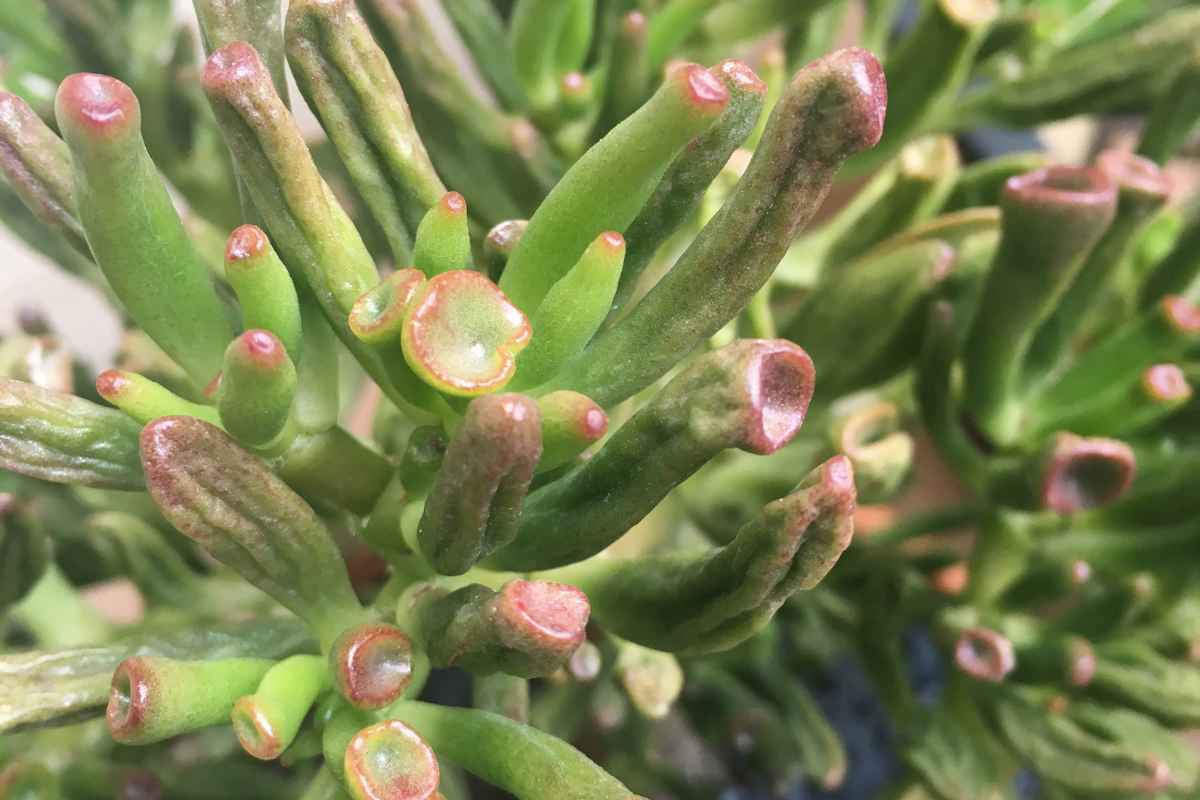
For the most compact, colorful growth, give ‘Gollum’ bright, indirect light to gentle direct sun.
A south or west window works well indoors, provided you acclimate the plant to stronger rays over a few weeks. Outdoors, morning sun and afternoon shade are perfect.
Too little light leads to elongated, sparse growth and dull leaves. Too much, too fast can cause sunscald—pale, crispy patches on the foliage.
Aim to increase light gradually, and rotate the pot monthly for even shape.
Watering: Less Often, More Thoughtfully
The fastest way to upset a jade is overwatering. The thick leaves and stems are built for drought, so your job is to water deeply and then wait.
Use the soak-and-dry method: water until it runs from the drainage holes, then let the potting mix dry at least two-thirds of the way down before you water again.
In warm, bright conditions, that may be every 10–14 days; in lower light or winter, it could be every 3–4 weeks. Always check the soil, not the calendar.
If leaves feel squishy, translucent, or drop suddenly, the roots may be sitting in moisture for too long. If leaves wrinkle and the plant looks slightly deflated, it’s asking for a drink.
Soil and Pot: Drainage Is Everything
A happy ‘Gollum’ starts with a fast-draining mix. Use a cactus/succulent blend amended with extra pumice, perlite, or coarse grit to keep air around the roots.
A rule of thumb is 2 parts succulent mix to 1 part pumice/perlite. Choose a terracotta pot with a large drainage hole to wick moisture away, but glazed ceramic or plastic will work if you monitor water carefully.
When in doubt, err on the side of smaller pots; jades prefer slightly snug quarters that dry predictably.
Temperature and Humidity: Easygoing by Design
Crassula ovata ‘Gollum’ thrives in typical indoor conditions. Keep temperatures between 15–27°C (60–80°F).
It can tolerate short dips to around 7°C (45°F) if dry, but it’s best to bring outdoor plants inside before nights consistently drop below 10°C (50°F). Humidity isn’t critical; average indoor humidity is fine.
What matters most is dry foliage—avoid misting, which can invite fungal issues and water spots on leaves.
Feeding: Light but Regular Nourishment
During spring and summer, feed lightly to support steady growth. A balanced, diluted fertilizer (such as 1/4–1/2 strength) applied monthly is ample.
You can also use a low-nitrogen cactus fertilizer if you prefer leaner growth and tighter spacing between leaves.
Do not fertilize severely stressed plants or those in very low light. In autumn and winter, reduce or stop fertilizing, especially if growth slows.
Pruning: Shape, Strength, and Bonsai Flair
Pruning is where ‘Gollum’ shines. To encourage branching, pinch or cut just above a node, where new shoots will emerge.
This helps you create a compact, tree-like form with a balanced canopy. Remove any weak or crossing stems and dead leaves from the soil surface to discourage pests.
Use clean, sharp shears and allow cuts to callus for a few days before watering again.
Over time, you can develop a bonsai-style silhouette, complete with a visible trunk and proportionate canopy. It’s one of the most satisfying aspects of growing this plant.
Repotting: Less Frequent Than You Think
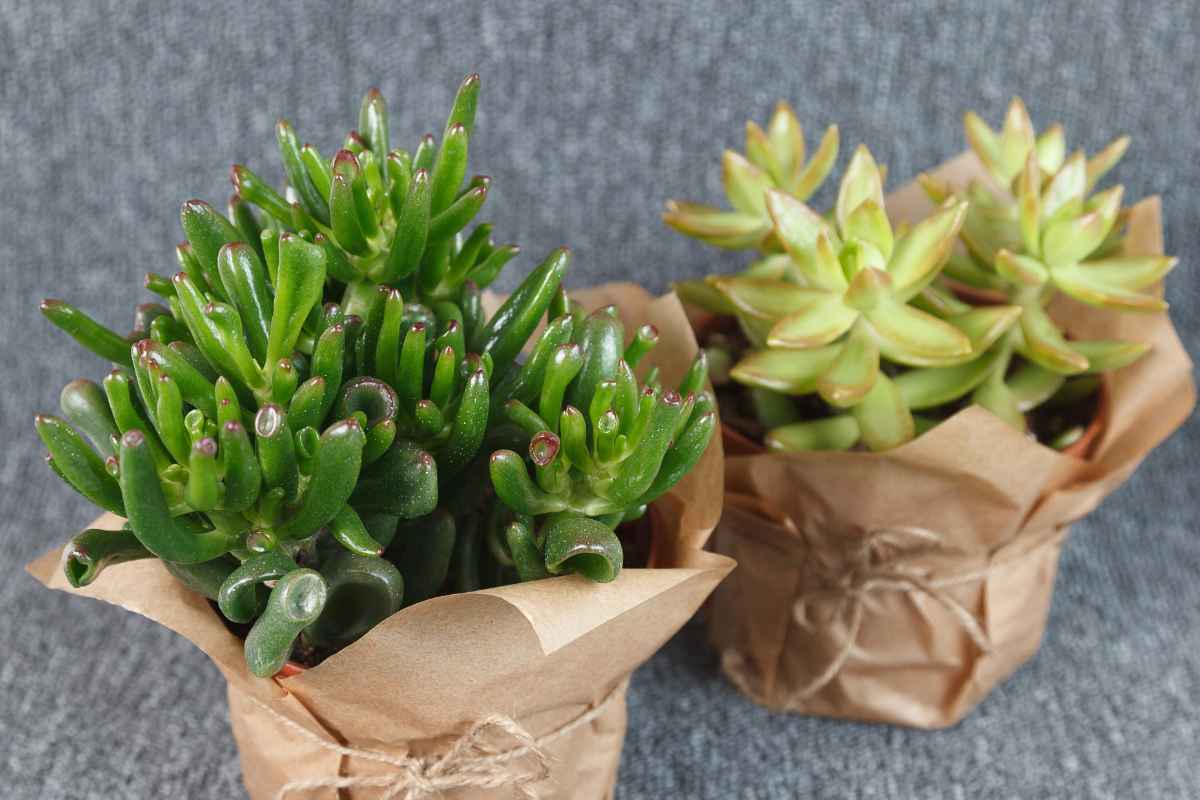
Jades do not require frequent repotting. Plan to repot every 2–3 years, or when roots begin circling the pot or water runs straight through without being absorbed.
Move up only one pot size and refresh the mix. The best time to repot is early spring, when new growth is gearing up.
After repotting, wait about a week to water, letting any broken roots callus to minimize rot.
Propagation: Simple, Reliable, and Fun
Propagation is both a backup plan and a way to multiply your collection. You can propagate ‘Gollum’ via leaf or stem cuttings.
Stem cuttings are faster and more predictable. Select a healthy, non-flowering stem, make a clean cut, and let it callus for 2–5 days. Insert into a slightly moistened, gritty mix, and keep bright but out of direct sun.
Water sparingly until roots form and new growth appears, then gradually return to a normal watering rhythm. Leaf cuttings can work, but the tubular leaves sometimes root more slowly; patience is key.
Seasonal Rhythm: Adjusting Care Through the Year
In spring and summer, enjoy moderate growth and keep up with your regular watering-and-feeding routine.
As days shorten, reduce watering and stop feeding to nudge the plant into a gentle rest. Cooler nights and bright light in autumn can enhance red leaf tips and, for mature plants, set the stage for winter blooms.
If you’re growing under lights, consider a 12–14 hour daylength in the growing season and a slightly shorter photoperiod in winter.
Common Problems and How to Fix Them
Soft, yellowing leaves and a droopy plant usually signal overwatering or poor drainage.
Improve airflow in the potting mix, check your pot’s drainage hole, and increase the dry period between waterings.
Wrinkled leaves and a sagging canopy may indicate underwatering; give a deep soak and monitor more closely.
Brown, corky patches on older stems can be normal with age, but if they spread rapidly, reassess light and watering.
Sunscald presents as bleached, crispy patches after sudden exposure to strong sun. Move the plant to bright, indirect light and reacclimate slowly.
Leggy growth happens in insufficient light; relocate to a brighter spot and tip-prune to encourage branching.
Leaf drop after a move is often a sign of sudden change; stabilize light, temperature, and watering, and new growth should resume.
Pests: Spot Early, Act Quickly
‘Gollum’ is generally pest-resistant, but mealybugs, spider mites, and scale can appear, especially on crowded shelves or plants brought in from outdoors.
Check where leaves meet stems and along the undersides of leaves. If you see pests, isolate the plant and start with mechanical removal (cotton swab dipped in isopropyl alcohol for mealybugs, a gentle rinse for mites).
Follow with insecticidal soap or neem oil, applied according to label directions. Improve airflow, avoid wet foliage, and keep leaves free of dust to make your jade less hospitable to pests.
Styling and Display: Let Structure Lead
Because ‘Gollum’ naturally forms a miniature tree shape, it pairs beautifully with simple, modern containers that show off the trunk and branching.
Terracotta emphasizes the plant’s desert heritage; minimalist ceramic keeps the focus on the foliage.
Group it with other sun-loving succulents for a sculptural vignette, or give it a solo spotlight on a bright shelf.
If you enjoy bonsai aesthetics without the complexity, ‘Gollum’ delivers that look with minimal fuss.
Safety and Pets: A Quick Note
Crassula species are often listed as toxic to pets if ingested. If you have curious cats or dogs, display your jade out of reach.
While severe reactions are uncommon, it’s better to prevent nibbling—and your plant will look better for it.
Quick Troubleshooting Guide
If something seems off, use these cues to diagnose at a glance:
- Leaves turning mushy or translucent → Too much water or poor drainage. Let soil dry longer and amend with more grit.
- Wrinkled, deflated leaves → Thirsty. Water deeply and adjust cadence.
- Pale, stretched stems → Insufficient light. Move to brighter conditions and prune to reshape.
- Crisp, bleached patches → Sunscald. Reduce direct sun and reintroduce gradually.
- Sticky residue or cottony clumps → Pests. Isolate, clean, and treat promptly.
A Simple Routine That Works
Consistency beats complexity. Here’s an easy rhythm to keep ‘Gollum’ jade in peak form:
Light: Bright, indirect to a few hours of gentle sun.
Water: Soak and then fully dry two-thirds of the pot before repeating.
Soil: Gritty, fast-draining succulent mix in a pot with a drainage hole.
Feeding: Dilute fertilizer monthly in spring and summer; rest in winter.
Pruning: Tip-prune to branch, clean up debris, and shape for balance.
Checks: Inspect for pests and rotate monthly for even growth.
Growing with Confidence
Crassula ovata ‘Gollum’ rewards you for getting the basics right: strong light, sparse watering, and sharp drainage.
Master those, and the rest is easy. Over months and years, you’ll watch stems thicken, branches ramify, and the plant develop a characterful silhouette that looks curated rather than accidental.
Whether you’re filling a sunny kitchen window or curating a desktop jungle, ‘Gollum’ offers architectural charm, low maintenance, and year-round interest—a winning combination for any plant lover.
More Gardening Tips 👇🏼👇🏼