
Huernia Succulent Care: How to Grow This Unusual Blooming Plant

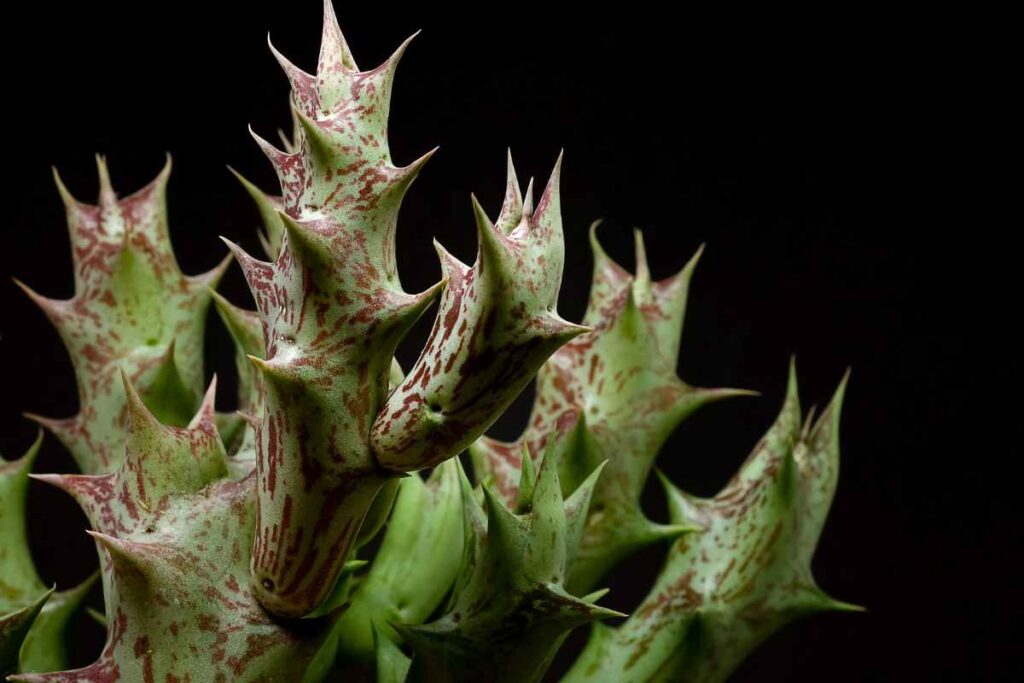
Huernia succulents are the kind of plants that instantly make people stop and look twice. Their chunky, angled stems and star-shaped flowers give them a quirky charm that feels perfect for succulent lovers who want something a little different.
Often called lifesaver plants or grouped with stapeliad succulents, Huernias are usually easy to grow when you understand one important rule: they need fast drainage and careful watering. These plants can be prone to rot when kept too wet, especially during cooler months.
In this guide, you’ll learn how to care for Huernia succulents indoors, what kind of light and soil they prefer, how to encourage blooms, and which common mistakes to avoid.
What Makes Huernia Succulents So Unique?
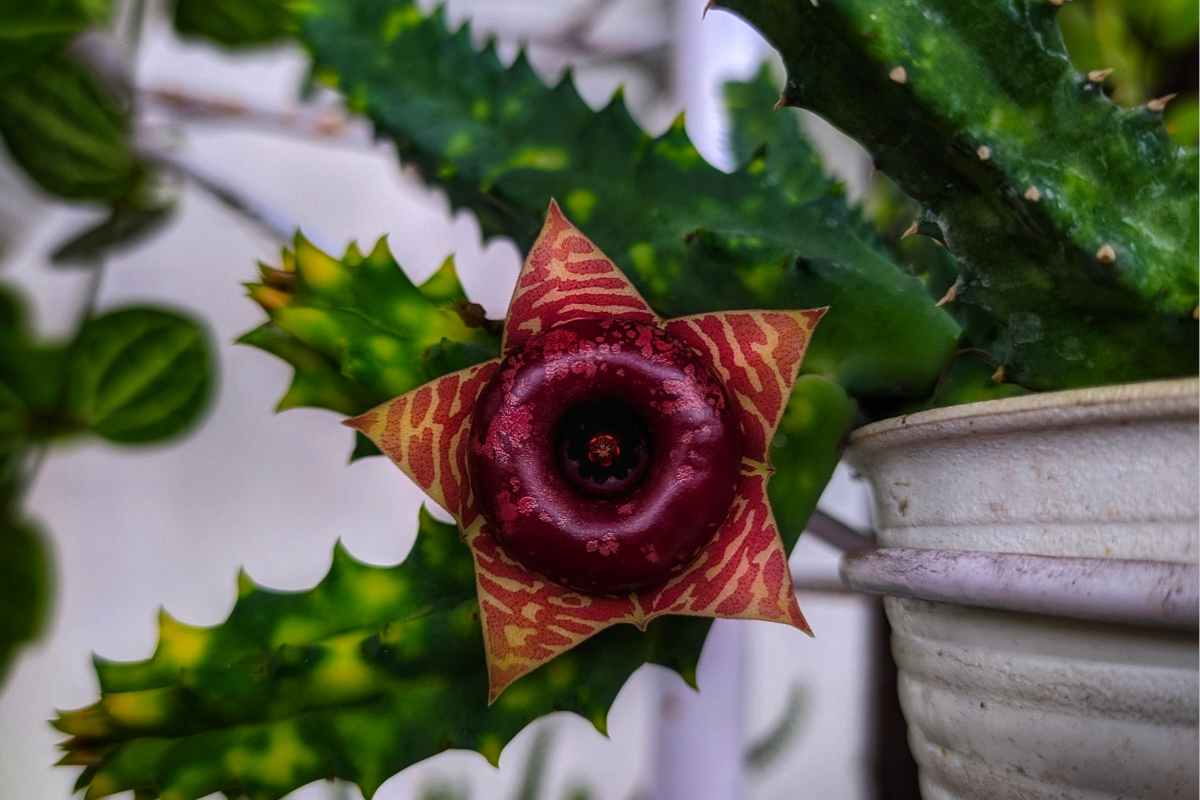
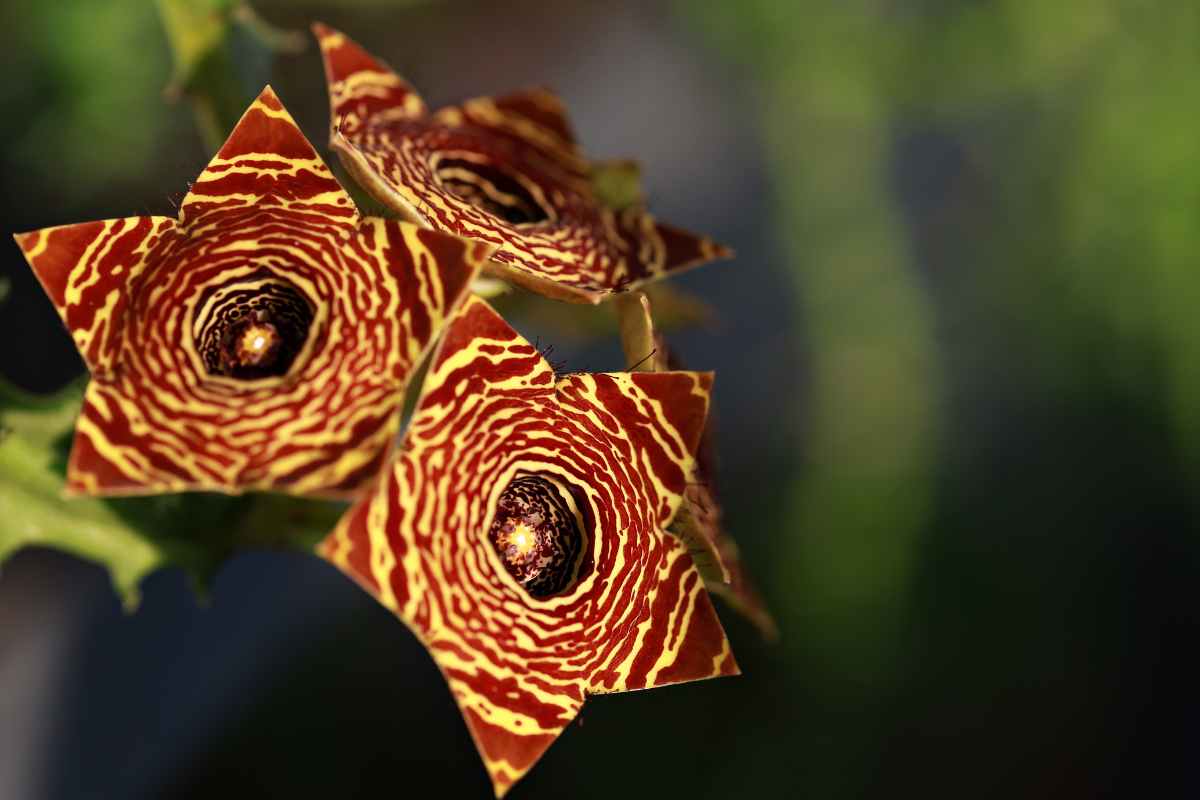
Huernia succulents belong to a group of plants often admired for their unusual flowers. Many varieties produce star-shaped blooms with bold markings, textured surfaces, and sometimes a noticeable scent that helps attract pollinators in nature.
One of the most popular types is Huernia zebrina, commonly known as the lifesaver plant because its flower can have a raised ring that looks a bit like a candy lifesaver. The plant itself usually stays compact, making it a great choice for windowsills, small shelves, and indoor succulent collections.
Unlike many rosette succulents, Huernias grow in soft, segmented stems. These stems store water, but they are also sensitive to staying damp for too long. That is why potting mix, container choice, and watering habits matter so much.
Best Light for Huernia Succulent Care Indoors
Huernia succulents do best in bright, indirect light or filtered sun. Indoors, an east-facing or west-facing window is often a good fit, especially if the plant receives gentle morning or late-afternoon light.
Avoid placing Huernia in harsh midday sun right away. Too much direct heat can stress or scorch the stems, especially if the plant was previously grown indoors or in lower light.
A good light setup usually includes:
- Bright indirect light for most of the day
- A few hours of gentle sun, when possible
- Protection from intense afternoon sun
- Gradual adjustment if moving outdoors for summer
If your Huernia becomes long, thin, or stretched, it may need more light. If the stems turn pale, yellowish, or scorched, the light may be too intense.
How to Water Huernia Succulents Without Causing Rot
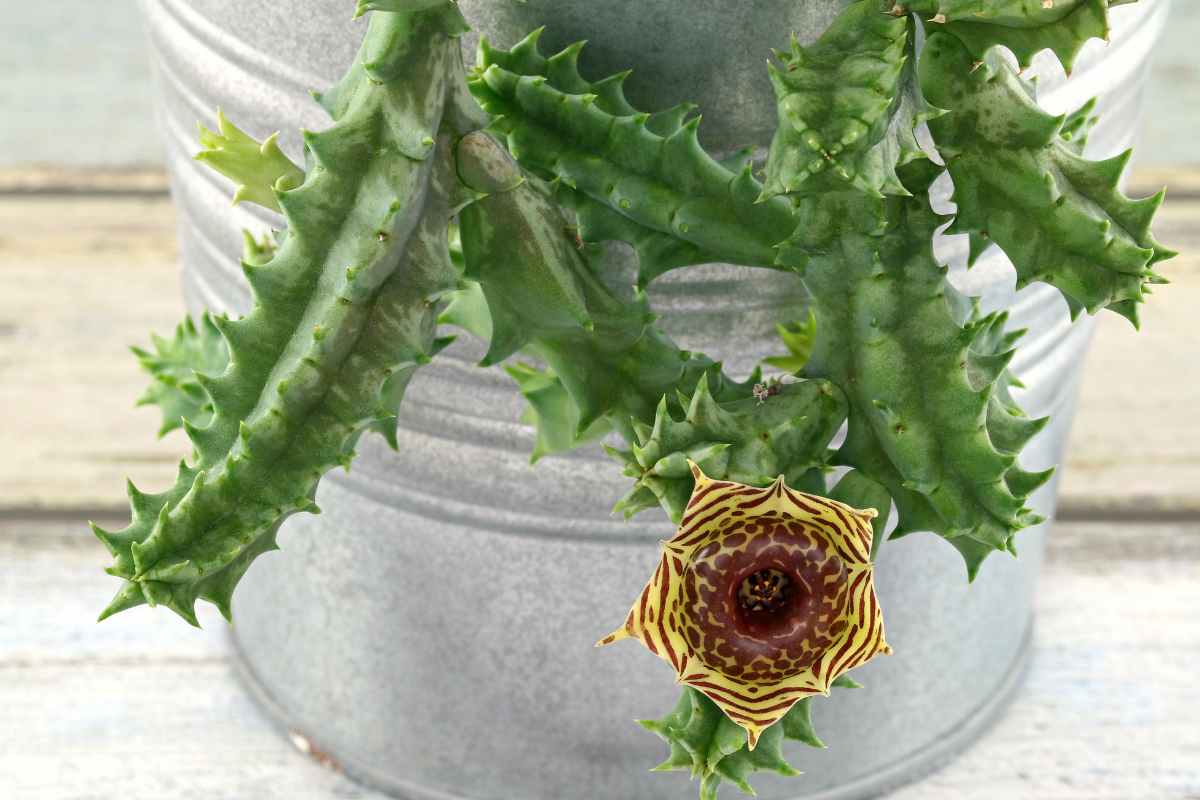
Watering is the most important part of Huernia plant care. These succulents can handle some dryness, but they do not like sitting in wet soil.
The safest method is to water deeply, then let the potting mix dry out before watering again. During the active growing season, usually spring through summer, Huernia may need more frequent watering. In winter, when growth slows, it needs much less water.
Simple Huernia Watering Routine
Use this routine as a starting point:
- Check the soil with your finger or a moisture meter.
- Water only when the mix feels dry.
- Water until excess drains from the bottom of the pot.
- Empty the saucer so the plant is not sitting in water.
- Wait until the soil dries again before repeating.
The goal is not to follow a strict calendar. Your plant’s needs will change depending on light, temperature, pot size, soil mix, and season.
Tip: If you are unsure, it is usually safer to wait a few more days than to water too soon.
The Best Soil and Pot for Huernia Succulents
Huernia succulents need a gritty, fast-draining soil mix. A basic cactus or succulent mix can work, but it is often better when amended with extra mineral material such as pumice, perlite, or coarse grit.
Many growers use a mix that dries quickly and does not stay wet for days. Sharp drainage is especially important because Huernia stems and roots can rot in heavy, moisture-retentive soil.
What to Look for in a Good Pot
Choose a pot that has:
- A drainage hole
- A size close to the plant’s root ball
- Breathable material, such as unglazed clay or terracotta, when possible
- Enough depth to support the plant without holding excess wet soil
Avoid oversized pots. A container that is too large can hold moisture longer than the roots can use it, increasing the risk of rot.
How to Encourage Huernia Flowers
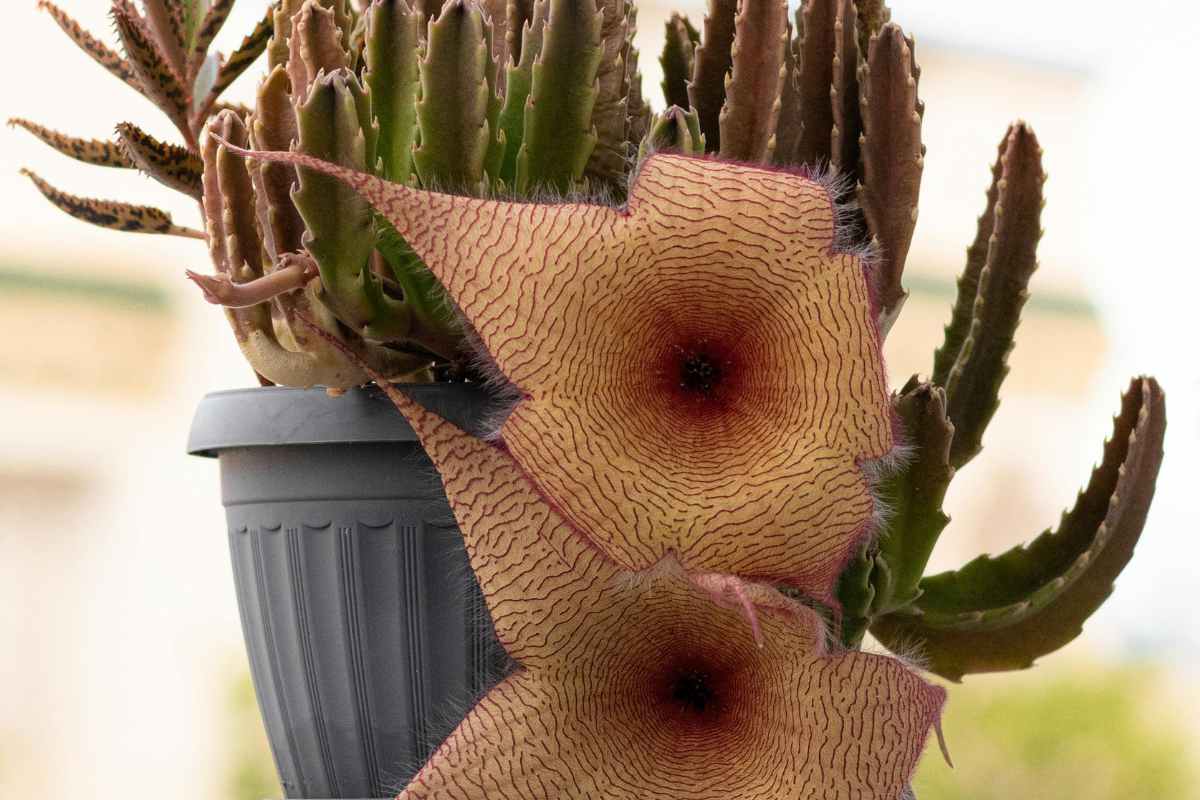
Huernia flowers are one of the main reasons people fall in love with this plant. The blooms can look dramatic, patterned, and almost otherworldly.
To encourage flowering, focus on steady, healthy care rather than forcing the plant. Huernia usually blooms best when it receives enough light, has a well-draining potting mix, and is not overwatered.
Helpful bloom tips include:
- Give the plant bright light without harsh sun stress.
- Avoid keeping the soil constantly moist.
- Feed lightly during active growth with a diluted cactus or succulent fertilizer.
- Keep the plant slightly drier in winter.
- Avoid disturbing the roots too often.
Some stapeliad growers note that flowers often appear on newer growth, so keeping the plant healthy and actively growing can support better blooming.
Common Huernia Succulent Problems and How to Fix Them
Even though Huernia succulents are not difficult plants, a few care mistakes can cause problems quickly.
Mushy Stems
Mushy stems are often a warning sign of too much moisture. Check the roots and base of the plant. If parts are rotting, remove healthy firm stems and let cuttings callus before replanting in dry, well-draining mix.
Wrinkled Stems
Wrinkling can happen when the plant is thirsty, but it can also appear when roots are damaged and cannot take up water. Check the soil first. If it is bone dry, water thoroughly. If it is damp and the plant is still wrinkled, inspect the roots.
No Flowers
A Huernia that will not bloom may need more light, warmer growing conditions, or more time to mature. Move it gradually into brighter indirect light and keep care consistent during the growing season.
Mealybugs
Mealybugs may appear as small white cottony spots around stems or joints. Isolate the plant, remove visible pests, and treat carefully with an appropriate houseplant-safe method.
Yellowing or Pale Growth
Yellowing can be caused by overwatering, poor drainage, or sudden light stress. Review your watering habits first, then check whether the plant is getting too much direct sun.
Practical Huernia Care Checklist
Use this quick checklist to keep your Huernia succulent healthy:
- Place it in bright indirect light
- Use a gritty succulent mix with extra drainage material
- Choose a pot with a drainage hole
- Water only when the soil has dried
- Reduce watering in winter
- Protect it from frost and harsh midday sun
- Watch for soft stems, pests, and signs of rot
- Feed lightly only during active growth
Huernia succulents are forgiving when their basic needs are met, but they do not respond well to soggy soil. Once you get the watering rhythm right, they can be surprisingly low-maintenance.
Final Thoughts on Growing Huernia Succulents
Huernia succulents are perfect for plant lovers who enjoy unusual shapes, compact growth, and eye-catching flowers. With bright light, sharp drainage, and careful watering, this quirky succulent can become one of the most interesting plants in your collection.
Start with the right soil and pot, watch how your plant responds through the seasons, and let it dry between waterings. A little patience can reward you with some truly unforgettable blooms.
— Emily
More Gardening Tips 👇🏼👇🏼