
How To Make An Amazing Carnivorous Terrarium


Want a terrarium that looks like a tiny, living wetland—full of fascinating Carnivorous plants? This video walks you through creating a carnivorous plant terrarium step-by-step, from the initial layout to getting everything settled in.
If you’re new to terrariums (or just new to carnivorous plants), this is a helpful, visual way to understand the setup and the basics of ongoing care.
Choosing the Right Setup for a Healthy Carnivorous Plant Terrarium
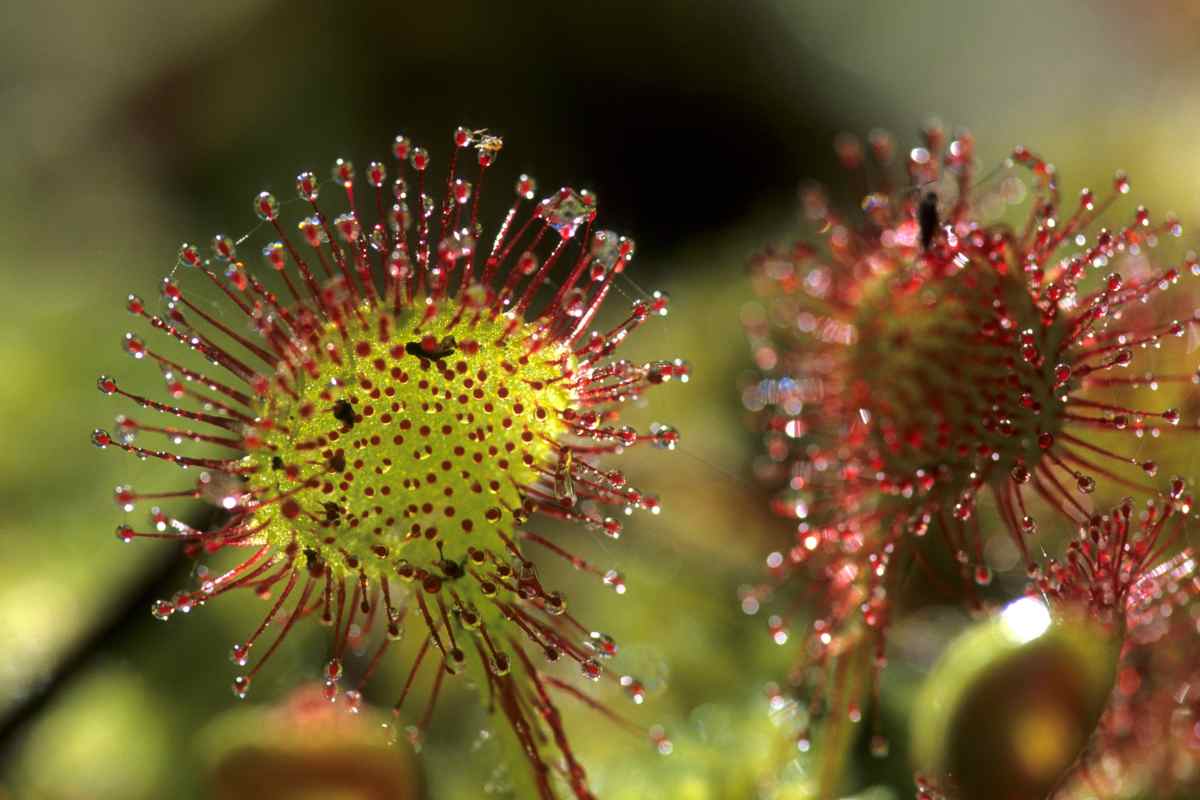
A successful carnivorous plant terrarium starts with the right environment. These plants thrive in nutrient-poor conditions (so skip regular potting soil and fertilizer) and do best with mineral-free water like distilled, rain, or reverse osmosis water.
It also helps to think about airflow and moisture balance. Terrariums can hold humidity beautifully, but you still want to avoid “stale” conditions that invite mold or rot. A clean build, the right substrate, and thoughtful watering go a long way toward keeping your plants looking crisp and colorful.
One more tip: not every carnivorous plant loves the same conditions. Some prefer consistently warm, humid terrarium life—others need seasonal changes. The video is a great guide for seeing what works well together in a contained setup.
Step-by-Step Carnivorous Plant Terrarium Build (Video Guide)

In the tutorial, you’ll see the full process of assembling the terrarium, placing the substrate, arranging plants, and finishing the layout so it’s both functional and display-worthy.
Watch closely for the small details—like how everything is positioned and how moisture is managed—because those choices make ongoing care much easier.

Source: The Urban Nemophilist
Simple Care Tips to Keep Your Terrarium Thriving
After the build, focus on a few core habits:
- Use distilled/rain/RO water only to avoid mineral buildup.
- Keep the substrate nutrient-free (no enriched soils, no fertilizer).
- Provide steady light (bright window or a grow light, depending on your space).
- Watch for warning signs like algae, mushy growth, or a sour smell—those usually mean it’s time to adjust watering, light, or airflow.
If you save one thing from this: clean water + the right substrate are the foundation of a long-lasting carnivorous plant terrarium.
Happy planting—and I hope your terrarium becomes your favorite little conversation piece at home.
—Emily
More Gardening Tips 👇🏼👇🏼