
How to Plant Daffodil Bulbs: Depth & Spacing

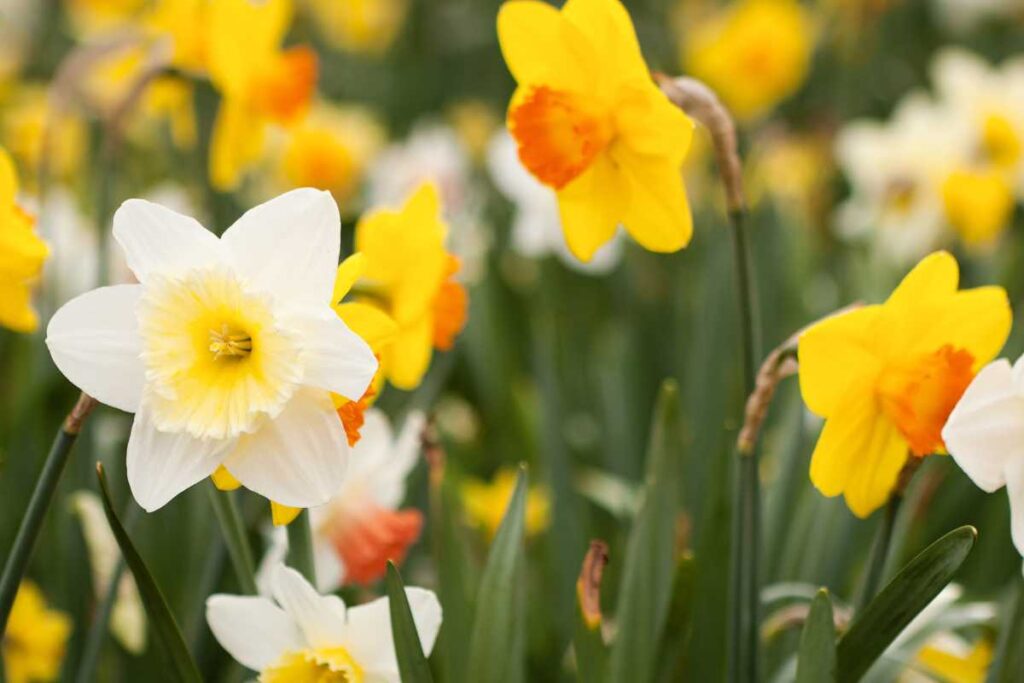
Ready to refresh your spring display? Here’s exactly how to plant daffodil bulbs for strong blooms, with precise depth and spacing you can trust.
Whether you’re new to daffodils or refining a seasoned daffodils garden, this guide covers timing, tools, soil prep, and aftercare so your daffodils in garden return year after year.
Planting Window, Climate & Site
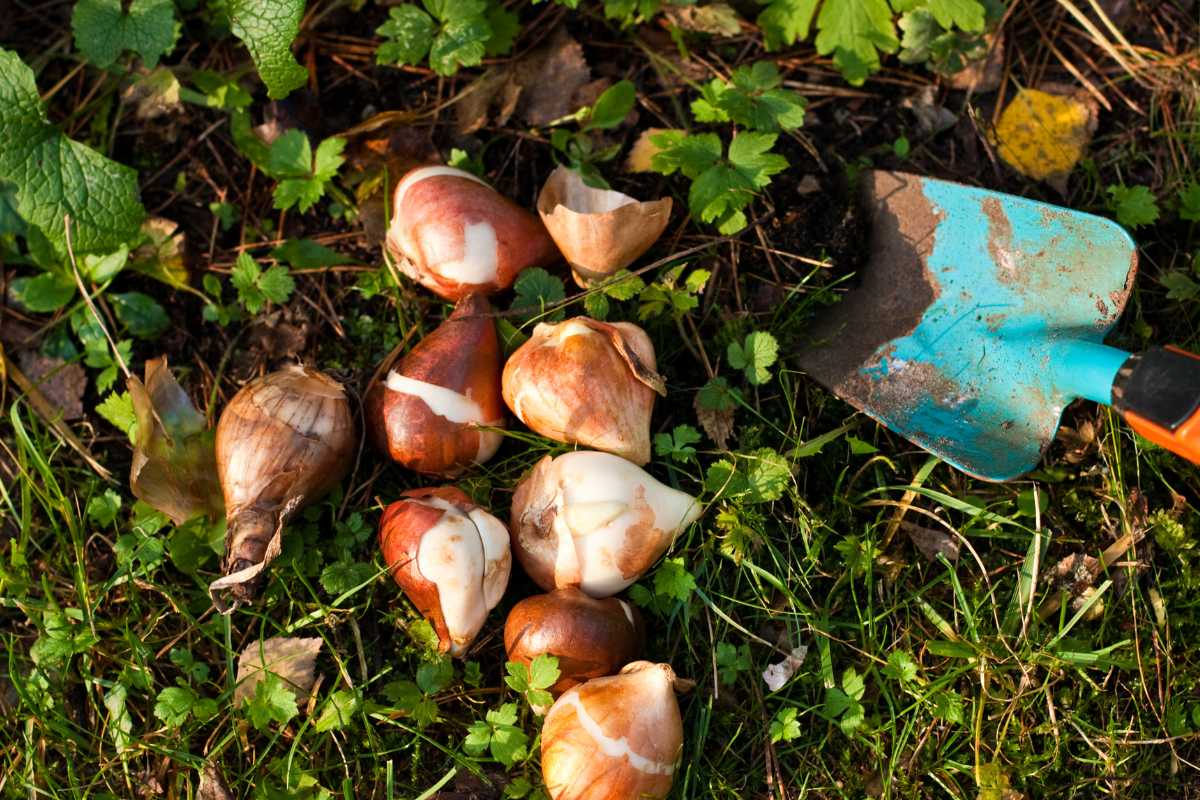
Daffodils thrive where winters are cool and soils drain well. Aim for a site with at least six hours of sun in spring and good air flow. If your garden is heavy clay, amend with compost and coarse grit to improve drainage—standing water is the fastest way to lose bulbs.
Warm zones (USDA 8–10): buy pre-chilled bulbs or chill them yourself at 35–45°F (2–7°C) for 10–12 weeks before planting. This simple prep unlocks reliable flowering and is one of the most overlooked Plant Hacks for mild climates.
When To Plant Bulbs
Plant in fall once night temps settle between 40–50°F (4–10°C) and the soil feels cool but workable—typically 2–4 weeks before the ground freezes.
In the Southern Hemisphere, that’s late autumn. Planting too early can trigger premature growth; too late and roots won’t establish before winter.
How Deep to Plant Daffodil Bulbs

The golden rule is three times the bulb’s height. For most standard daffodils, that’s 6 inches (15 cm) deep, measured from the base of the bulb to the soil surface. Miniature varieties go a bit shallower (4–5 inches / 10–13 cm); giant hybrids can sit slightly deeper if your soil is very loose.
Depth matters because it stabilizes the stem and protects the nose (growing tip) from freeze–thaw cycles. If you’ve ever wondered how deep to plant daffodil bulbs in windy sites, err on the deeper side within that safe range.
Spacing for Airflow, Clumps & Naturalizing
Space bulbs 3–6 inches (8–15 cm) apart, pointy end up. Tighter spacing creates fuller clumps for an instant display; wider spacing encourages naturalizing as bulbs multiply. When planning a large daffodils garden, stagger rows like bricks so leaves and flowers don’t crowd each other.
For containers, use the “lasagna” method: place bulbs in layers separated by 2–3 inches (5–8 cm) of mix. Make sure the pot drains freely and is deep enough to respect the depth rule.
Step-by-Step: Planting Daffodil Bulbs
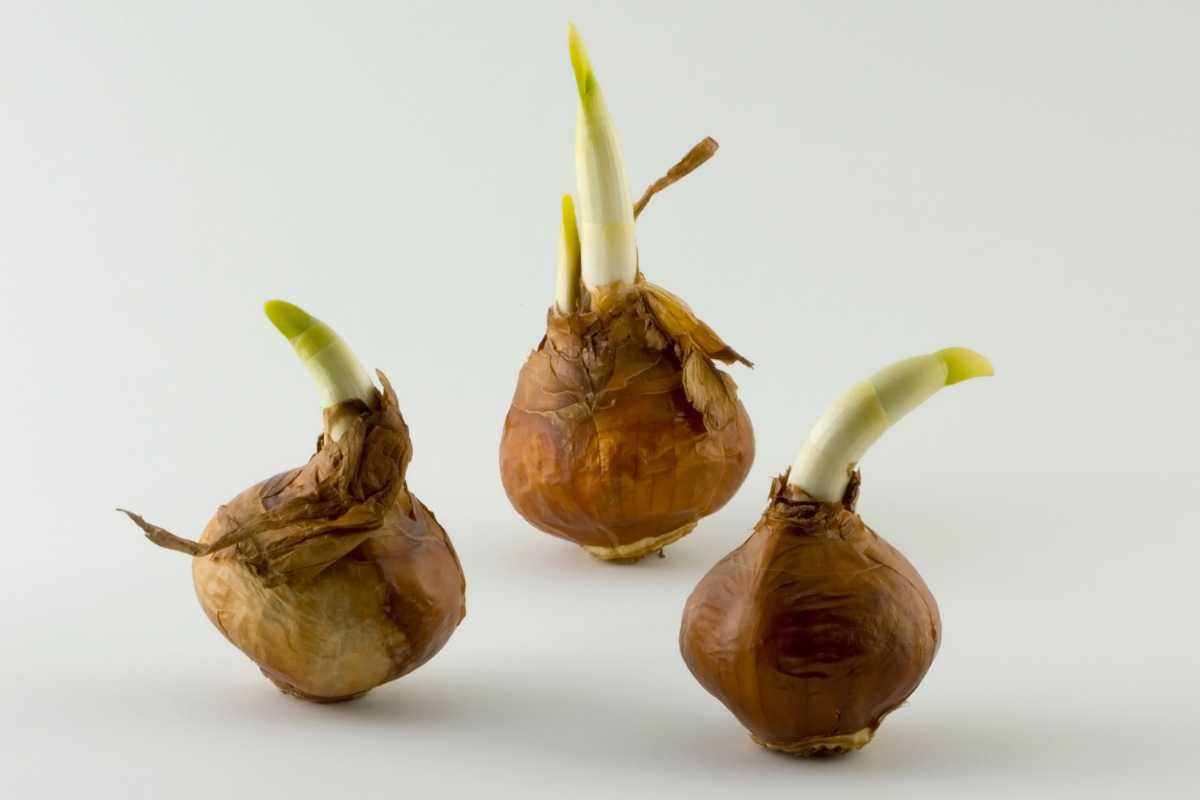
1) Prepare the bed: Loosen soil to 10–12 inches (25–30 cm). Mix in compost and a slow-release, bulb-balanced fertilizer if desired. Avoid fresh manure—it can burn roots.
2) Dig and place: Use a trowel or bulb auger to the target depth. Place bulbs with the nose up. For the most natural look, drop a handful and plant where they land.
3) Backfill and water: Refill gently, firm the soil, then water to settle any air gaps. Add a light mulch (1–2 inches / 2.5–5 cm) to buffer temperature swings.
This practical sequence makes Planting Daffodil Bulbs simple and repeatable. If you keep notes on depth, spacing, and bloom time, you’ll quickly master Daffodils Planting for your microclimate.
Soil Mix, Fertilizing & Watering
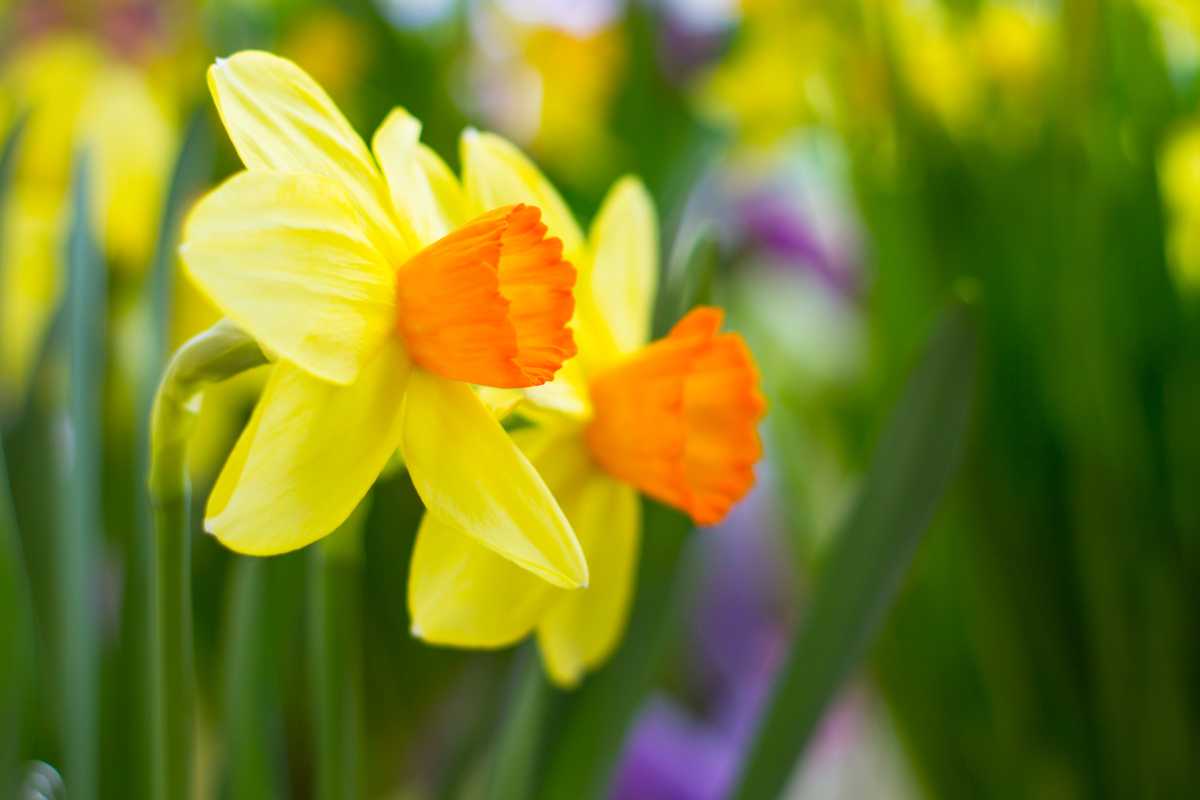
A loose, crumbly bed is your best insurance. In pots, blend two parts high-quality potting mix with one part horticultural grit or perlite. Feed lightly at planting and again right after flowering to recharge bulbs for next spring.
Water after planting, then only as needed; bulbs hate soggy conditions. In spring, consistent moisture during leaf growth supports next year’s flower formation.
Maintenance After Bloom
Let foliage die back naturally for 6–8 weeks after flowering. Those leaves are solar panels refilling the bulb. Resist the urge to braid or tie the foliage—it reduces photosynthesis.
Deadhead spent blooms to divert energy from seed production back into the bulb. If clumps get crowded after several years, lift and divide in late summer when the foliage is down and bulbs are dormant.
Design Ideas for Daffodils in Garden Beds
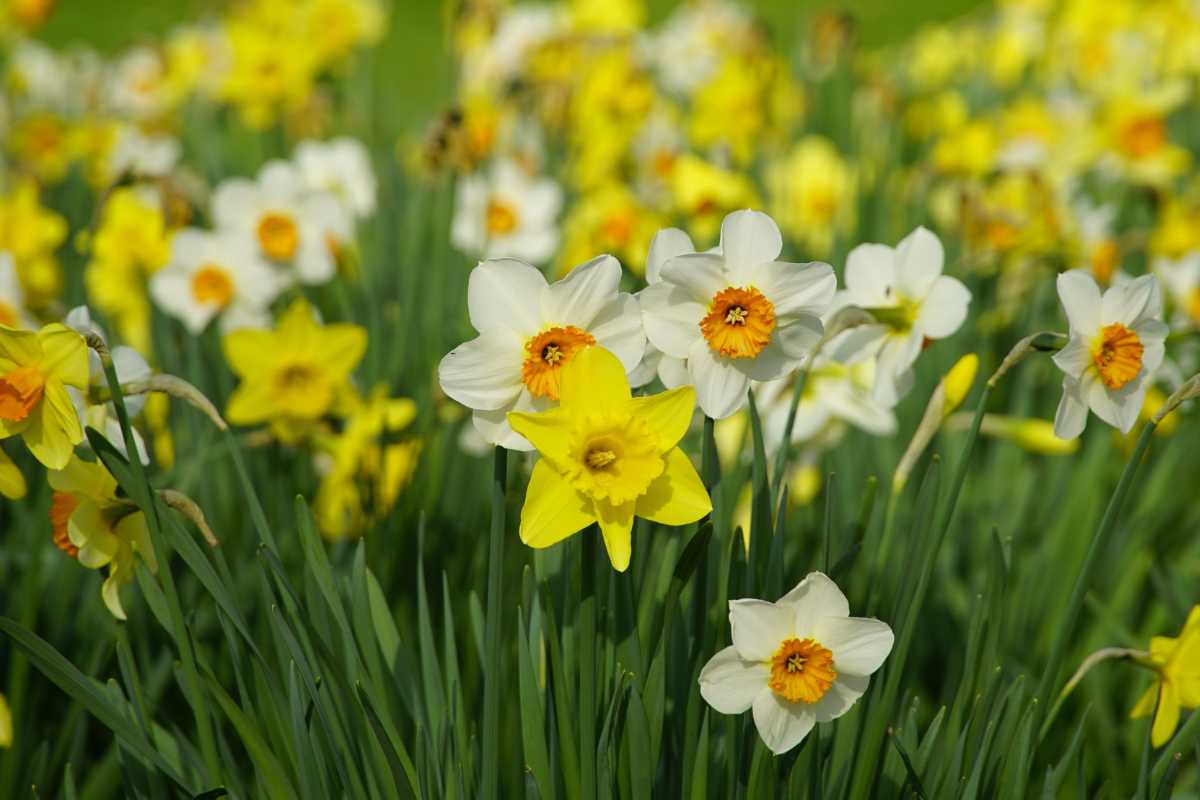
Plant in sweeps for color blocks or scatter drifts beneath deciduous trees where early spring sun reaches the ground. Pair with low groundcovers that emerge later to hide fading foliage. These strategies make how to grow daffodils feel effortless and keep borders tidy.
For succession, mix early, mid, and late-flowering cultivars. The staggered bloom extends the show without altering your basic planting method.
Troubleshooting & Quick Plant Hacks
No blooms? Bulbs may be too shallow, overcrowded, or shaded. Revisit depth and spacing, divide clumps, and ensure at least half-day sun. A light, post-bloom feed helps, too.
Animal pressure? Daffodils are generally critter-resistant, but fresh digs can attract curiosity. Lay wire mesh over new plantings, then remove in spring. In containers, elevate pots and avoid saucers that trap water.
Missed fall? In cold regions, plant as long as soil is workable; otherwise, pot bulbs and overwinter them in a cold, protected spot. In warm climates, remember the chilling step—one of the smartest Plant Hacks for consistent flowering.
From Bulb to Bloom: Your Next Steps

Now you know how to plant daffodil bulbs with confidence—when to plant, the exact depth rule, and smart spacing for clumps or naturalized drifts. Fold these practices into your seasonal routine and your daffodils will reward you every spring.
Want to go further? Explore cultivar mixes, try container “lasagna” plantings, and keep notes on bloom times to refine your displays year after year.
Keep Growing With Urbaki Gardening
Enjoyed this guide? Browse more seasonal tutorials, design ideas, and bulb care articles to level up your spring show.
More Gardening Tips 👇🏼👇🏼