
How to Prune Salvia Plants Properly

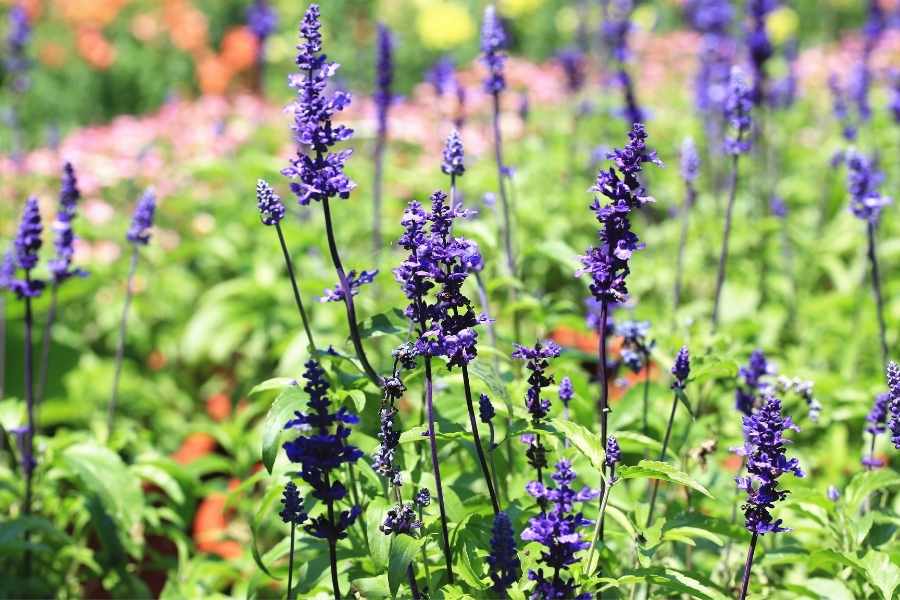
If you have salvia plants in your garden, learning how to prune them properly is essential. Pruning not only keeps the plants looking their best but also encourages more blooms and healthier growth.
With a little knowledge, you can maintain these stunning plants and enjoy their vibrant colors and textures throughout the growing season.
Why Pruning Salvia is Important
Pruning plays a key role in maintaining the health and beauty of salvia plants. A well-timed cut can encourage bushy growth, help the plant produce more flowers, and improve its overall structure.
Regular pruning also helps prevent the plant from becoming leggy, ensuring a more compact and neat appearance.
Enhancing Blooms
Salvia is known for its elegant flower spikes that come in a variety of colors. When pruned correctly, the plant can offer more blooms and maintain its striking structure for a longer period, extending the flowering season.
Supporting Wildlife
Salvia plants are popular among pollinators like bees, butterflies, and hummingbirds. Proper pruning ensures that the plant continues to attract these beneficial creatures, supporting a thriving ecosystem in your garden.
When to Prune Salvia
Timing is crucial when it comes to pruning salvia. Most varieties benefit from an annual pruning after their summer blooming season comes to an end.
Late summer or early fall is generally the best time to prune perennial salvia, allowing the plant to focus its energy on new growth for the following year.
Mid-Season Deadheading
During the growing season, you can perform a lighter pruning, also known as deadheading. Removing spent blooms not only keeps the plant looking tidy but also encourages a second wave of flowers.
Preparing for Winter
Before the first frost, consider trimming back any dead or damaged stems. This helps prepare the plant for the colder months and reduces the risk of disease.

How to Prune Salvia for Healthier Growth
Pruning salvia plants requires a simple approach, but it’s important to make clean cuts to avoid damaging the plant. Use sharp pruning shears and cut at a slight angle to promote quick healing and reduce disease risk.
Focus on the Right Stems
When pruning, focus on cutting back the older stems and spent flower spikes. This will allow more light to reach the center of the plant, stimulating new growth and encouraging the development of fresh flower spikes.
Avoid Over-Pruning
While pruning is beneficial, it’s important not to remove too much at once. Over-pruning can stress the plant, making it less likely to thrive. A good rule of thumb is to cut back about a third of the plant’s total growth at a time.
Benefits of Pruning Salvia
- More vibrant blooms: Proper pruning leads to increased flowering, making your garden more colorful and lively.
- Healthier plants: Removing dead or damaged stems reduces the risk of disease and improves airflow around the plant.
- Longer lifespan: Regular pruning can increase the lifespan of your salvia plants, allowing you to enjoy their beauty for years.
Enjoy Your Pruned Salvia Plants
With proper pruning, your salvia plants will thrive, offering bountiful blooms and a vibrant addition to your garden. Not only will you enhance the plant's appearance, but you'll also support local wildlife, making your garden a haven for pollinators.
Happy gardening!
We Hope You Enjoy this Video

Source: Shannon Smith
Did you find this post Useful or Inspiring? Save THIS PIN to your GARDENING Board on Pinterest! 
More Gardening Tips 👇🏼👇🏼