
How To Revive Almost Any Dying Plants!


Is your favorite plant looking a little worse for wear? Don't worry—most plants are resilient and can bounce back with a little care and attention.
Whether it's a houseplant that’s wilting, a garden shrub that’s struggling, or a flowering plant that’s on the verge of giving up, there’s hope!
Reviving a dying plant may seem challenging, but with the right approach, you can bring it back to life.
In this guide, we’ll show you how to identify the signs of a struggling plant and provide expert tips to help your plants thrive once again.
Identifying the Signs of a Dying Plant
Before you can begin the revival process, it’s important to understand why your plant is struggling.
Here are a few common signs that your plant may need help:
Yellowing Leaves: Often a sign of overwatering or poor soil drainage.
Wilting: Can occur due to underwatering, too much direct sunlight, or root rot.
Brown Leaf Tips: Typically a sign of underwatering or too much fertilizer.
Stunted Growth: Indicates nutrient deficiencies or improper lighting conditions.
Understanding the root cause is key to bringing your plant back to health.
1. Check the Watering Schedule
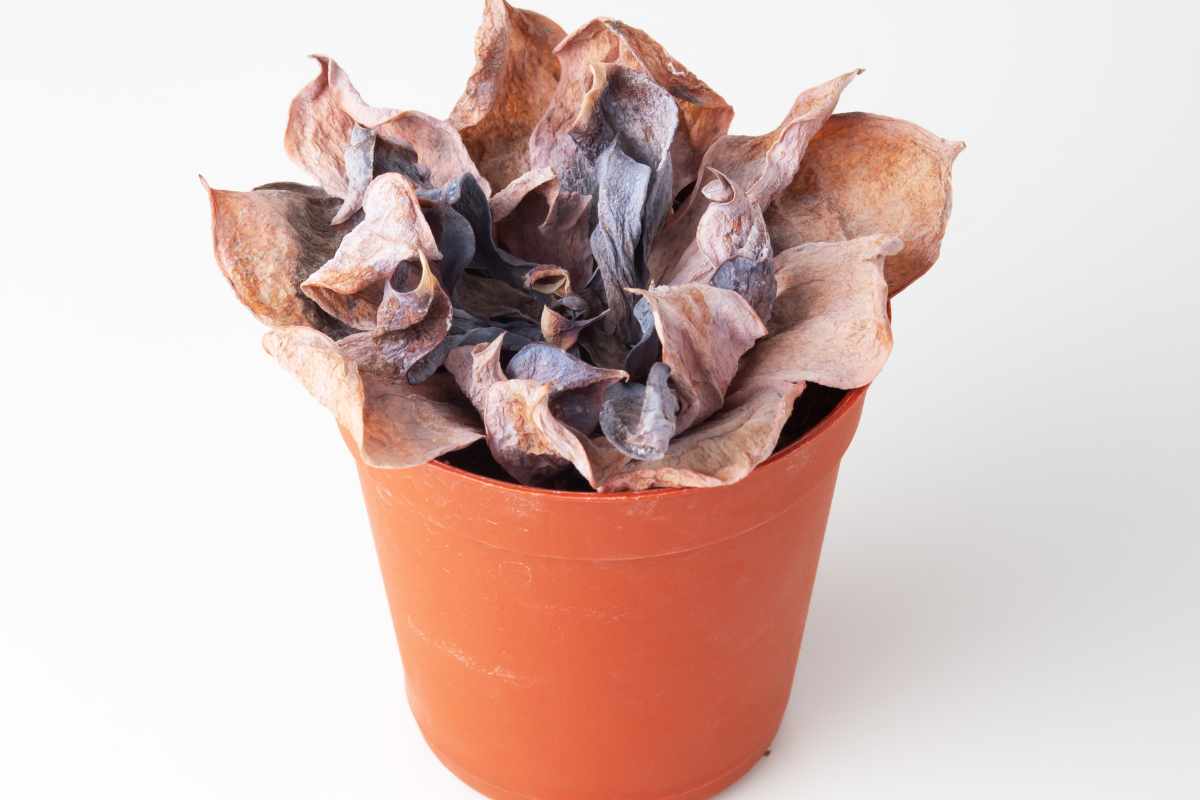
Watering issues are the most common cause of plant distress.
Both overwatering and underwatering can lead to plant decline. Here’s how to check and adjust:
Overwatering: Check the soil—if it’s soggy and has a musty smell, you’re overwatering. Allow the soil to dry out completely before watering again. Make sure your pot has proper drainage to prevent water from sitting at the bottom.
Underwatering: If the soil is bone dry and the plant looks wilted, it’s time to hydrate! Ensure the water reaches the root system by watering deeply, allowing the water to drain from the bottom of the pot.
Tip: Always check the soil with your finger a couple of inches deep before watering to determine whether your plant needs a drink.

2. Adjust Light Conditions
Plants need the right amount of light to thrive.
Too much sunlight can scorch their leaves, while too little light can cause them to become leggy and weak. Here’s how to adjust:
Too Much Sunlight: If your plant is scorched, move it to a location with indirect light. Plants like succulents and cacti thrive in full sun, but most other plants will do better with filtered light.
Too Little Light: If your plant is leggy and stretching toward the light, it likely needs more exposure. Consider moving it closer to a window or investing in grow lights for indoor plants.
Tip: Check your plant's light requirements online or in its care guide to ensure it’s getting the right amount.
3. Inspect the Soil and Repot if Necessary
Healthy soil is essential for your plant’s roots to get the nutrients they need.
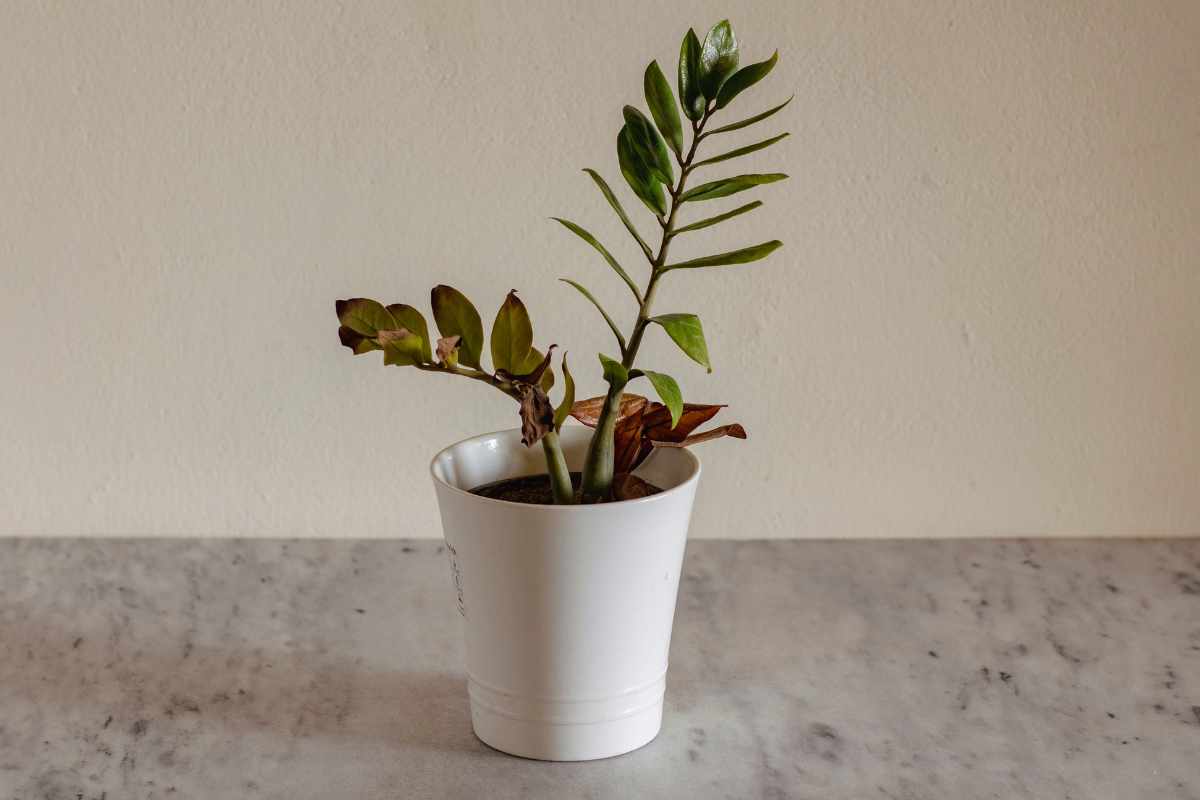
If the soil is compacted, dry, or devoid of nutrients, it could hinder your plant’s revival. Here’s what to do:
Soil Drainage: If your plant's soil doesn't drain well, it can lead to root rot. Replace it with well-draining soil that’s appropriate for the plant type.
Repotting: If the roots have outgrown the pot, or if the soil looks old and depleted, it’s time to repot. Choose a pot that's one size larger than the current one, ensuring it has proper drainage holes.
Tip: When repotting, gently loosen the roots and check for signs of root rot. Trim off any black or mushy roots before planting in fresh soil.
4. Fertilize with Caution
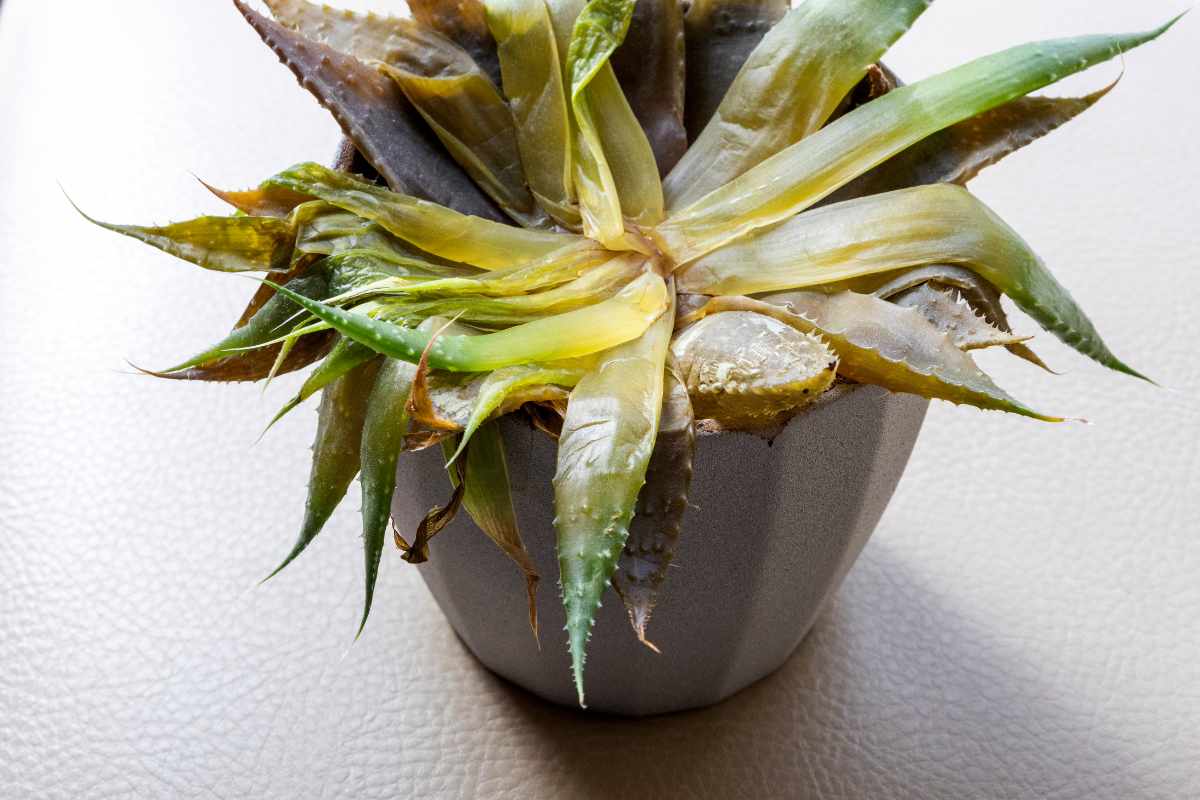
Sometimes, a lack of nutrients is to blame for a plant’s decline.
Fertilizing can give your plant a boost, but too much fertilizer can cause more harm than good.
Use a Balanced Fertilizer: Choose a balanced, all-purpose fertilizer with equal parts nitrogen, phosphorus, and potassium.
Follow Instructions: Always follow the recommended dosage on the fertilizer packaging. Over-fertilizing can lead to burned roots and leaf damage.
Tip: Fertilize during the growing season (typically spring and summer) and reduce feeding during the dormant period (fall and winter).

5. Trim Dead or Damaged Leaves
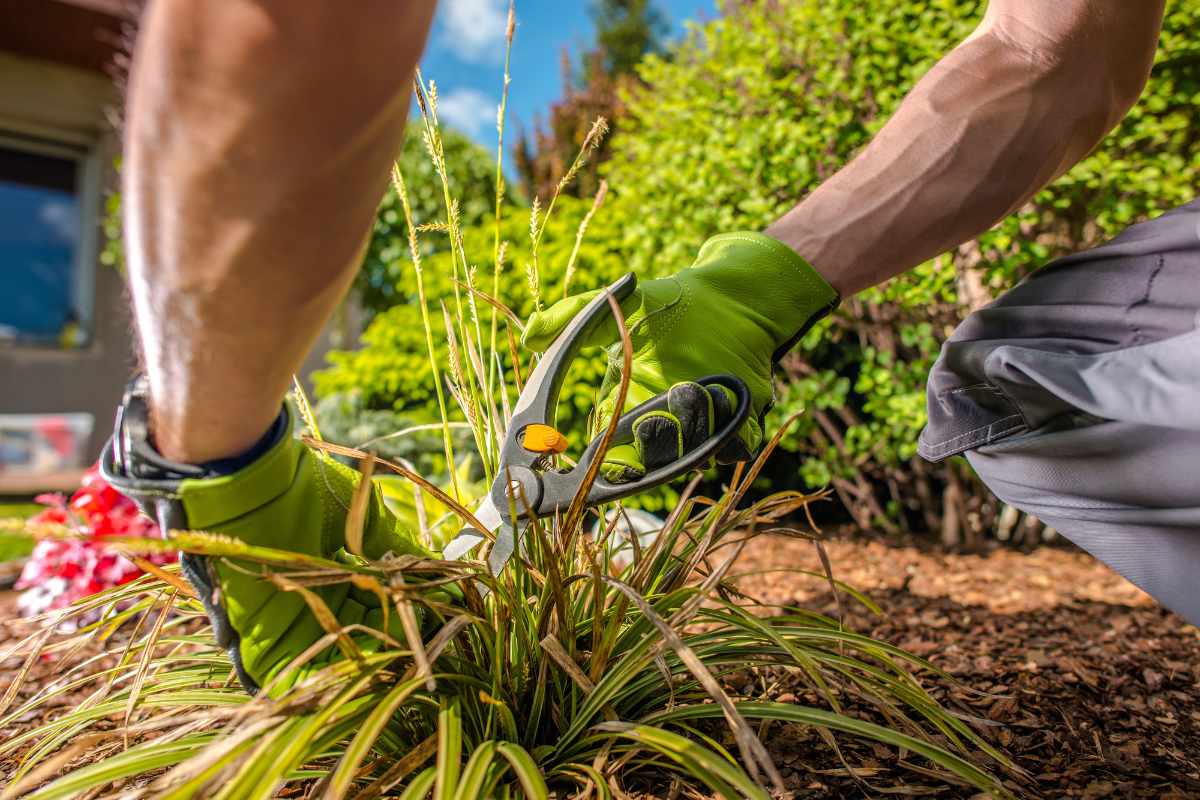
Dead or damaged foliage can drain your plant’s energy, preventing it from focusing on new growth.
Removing these parts helps revitalize the plant and encourages healthier growth.
Cut Back Dead Leaves: Use clean, sharp scissors or pruning shears to remove any brown, crispy, or yellowing leaves. Be sure to cut them at the base of the stem or branch.
Prune Leggy Growth: If your plant is looking leggy, cut back any long, spindly stems to encourage fuller growth.
Tip: Always sterilize your pruning tools with rubbing alcohol before cutting to prevent the spread of disease.
Expert Advice: Don’t Give Up Just Yet
Even if your plant looks far gone, don’t give up hope. Many plants are incredibly resilient and can bounce back with a little TLC.
According to plant experts, it’s important to be patient and persistent.
“Plants may take a little time to show signs of recovery, but they often surprise you with new growth when given the right conditions,” says Jane Green, a horticulture expert.
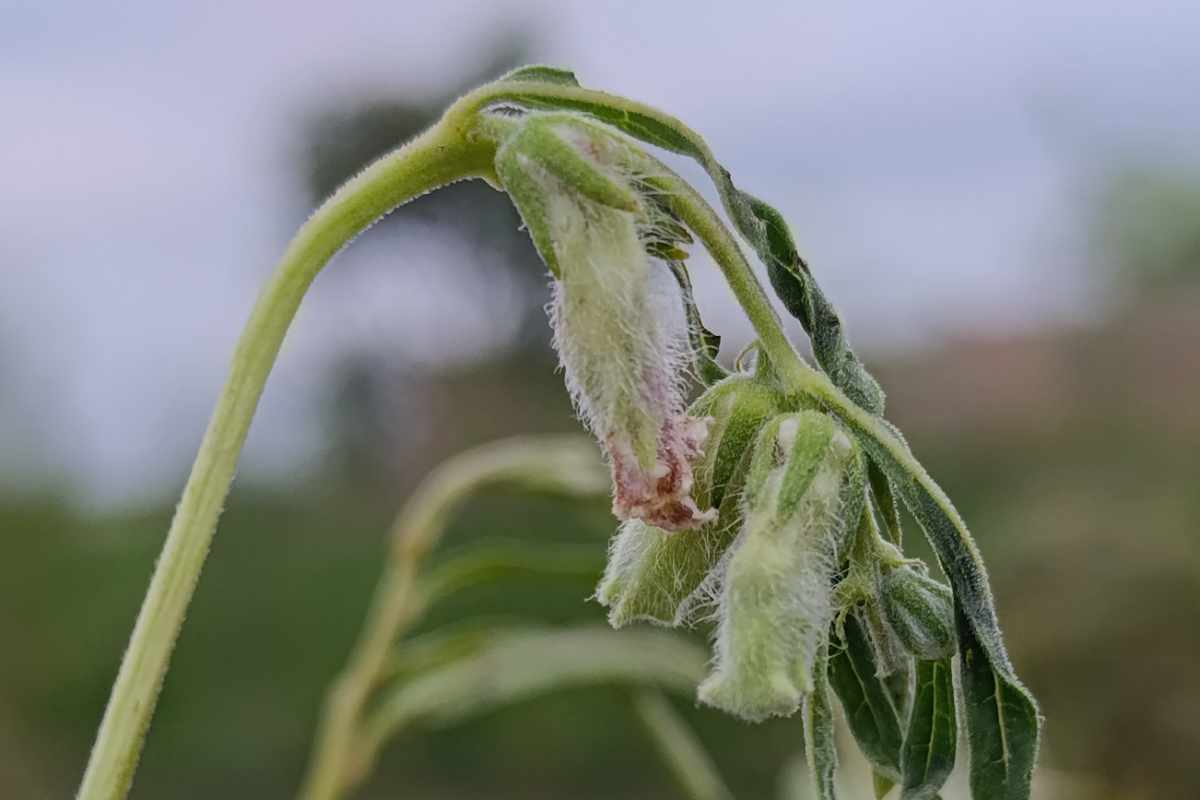
Your Plant Can Bounce Back!
Reviving a dying plant takes a little patience and effort, but the rewards are worth it!
By addressing the water, light, soil, and nutrient needs of your plant, you’ll have it thriving in no time.
Remember, every plant is unique, so it may take a bit of trial and error to find the perfect care routine. Keep observing, adjusting, and caring for your plants, and you’ll see the results!
Want more tips on plant care? Check out our other gardening posts and learn how to nurture your garden to perfection!
Enjoy This Video Tutorial

Source: Goodful
Did you find this post Useful or Inspiring? Save THIS PIN to your GARDENING Board on Pinterest! 😊

Once again, thank you for visiting our website!
We hope you've enjoyed exploring the content we've created for you.
Give yourself the chance to learn, get inspired, and have even more fun, keep browsing...
""
More Gardening Tips 👇🏼👇🏼