
Kalanchoe: Indoor Plant Care & Growing Guide


Looking for a clear, no-fuss guide on how to care for kalanchoe? You’re in the right place.
This compact succulent is famous for its long-lasting blooms and sculptural foliage, but success starts with understanding the basics of Kalanchoe Plant Care—light, watering, soil, and a simple bloom routine.
Kalanchoe Plant Basics
The Kalanchoe Plant is a sun-loving succulent widely grown indoors. It stores water in its fleshy leaves, which means it prefers bright conditions and infrequent, thorough watering.
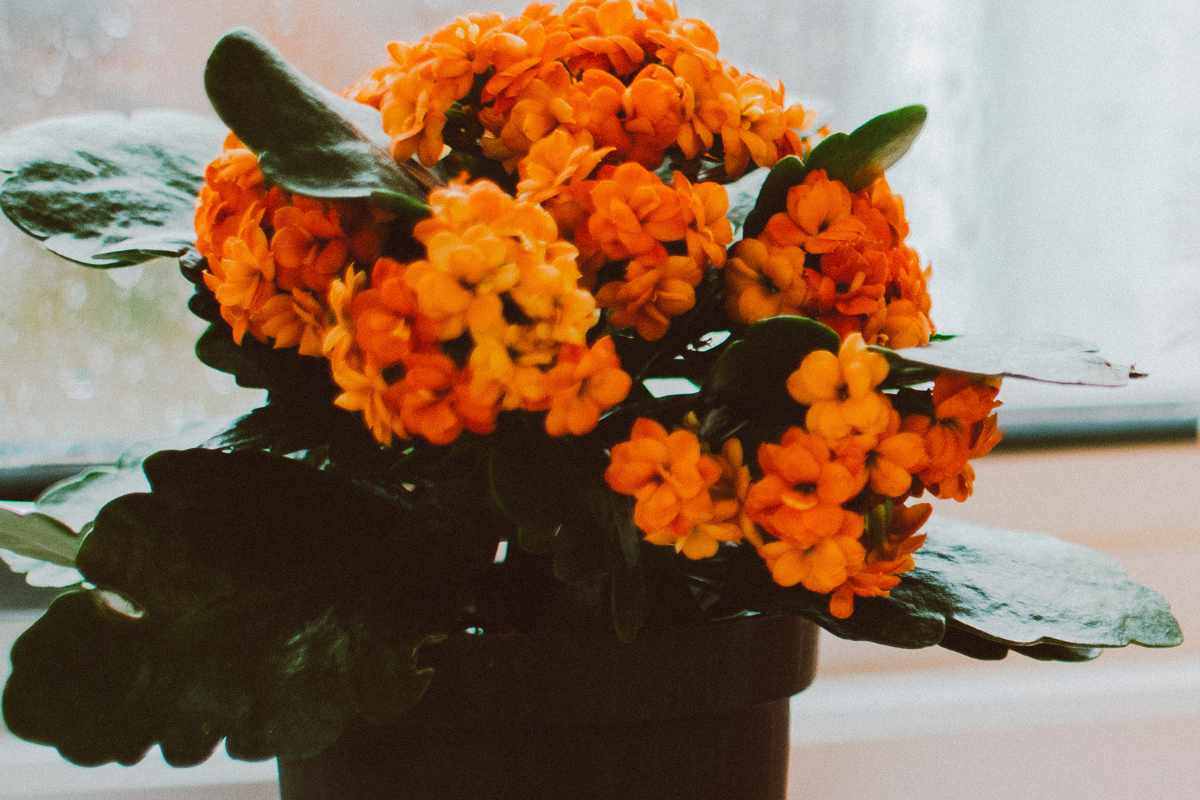
Many varieties produce vibrant Kalanchoe Flowers in clusters that sit above the foliage for weeks.
Because kalanchoes are drought-tolerant, most issues come from “too much love”—overwatering, heavy soils, and low light. Get these fundamentals right and your plant will reward you with compact growth and repeat blooms.
Light: The Engine Behind Growth And Blooms

Give your plant bright, indirect light for at least six hours daily. A sunny windowsill with filtered afternoon sun is ideal. Insufficient light stretches stems and reduces bud formation; more light (without harsh scorch) keeps growth tight and flowering prolific.
If your space is dim, rotate the pot weekly and consider a small grow light during winter. Good light is the single best investment in kalanchoe care.
Watering: Less Often, But Thorough
Water when the top 2–3 cm (about an inch) of soil is dry. Then water deeply until excess drains, and empty the saucer. Allowing the root zone to dry slightly between waterings prevents rot and encourages resilient growth.
In cooler months or low light, watering needs drop. If leaves pucker slightly, it’s a sign to water; if they turn mushy or translucent, the mix has stayed wet too long. Consistency is the heart of smart kalanchoe care tips.
Soil And Repotting: Drainage First
Use a fast-draining succulent/cactus mix. If your store-bought potting soil is dense, amend with perlite or coarse sand to promote airflow around the roots. A breathable mix is foundational to successful Kalanchoe Plant Care.
Repot every 1–2 years in spring, moving up only one pot size. Choose containers with generous drainage holes—glazed ceramic or terracotta both work, but terracotta helps wick extra moisture.
Temperature, Humidity, And Placement

Kalanchoe thrives between 15–24°C (60–75°F). Avoid drafts and sudden temperature drops, which can stress buds. Normal indoor humidity is perfect; there’s no need to mist.
Outdoors, place in bright shade to gentle morning sun, then bring inside before nights dip below 10°C (50°F). Stable conditions encourage steady growth and reliable Kalanchoe Flowers.
Feeding And The Bloom Cycle

Feed lightly during active growth with a balanced fertilizer at half strength once a month. Overfeeding leads to lush leaves but fewer blooms, so keep it modest.
To rebloom, provide “short days” for about 4–6 weeks: roughly 14 hours of darkness and 10 hours of light, while keeping watering minimal. Buds form as days shorten; once you see them, return the plant to bright light and regular care to finish the show.
Pruning, Grooming, And Propagation
After flowering, snip spent bloom stalks and lightly pinch leggy tips to keep the plant compact. Clean, sharp shears reduce disease risk and stimulate branching.
Kalanchoe propagates easily from leaf or stem cuttings. Let cut ends callus for a day, then place in dry, airy mix. With warmth and light, roots appear in a few weeks—a simple way to multiply a favorite Kalanchoe Plant.
Troubleshooting Common Problems

Droopy or mushy leaves: Likely overwatering or poor drainage. Check the root ball, trim any rot, and repot into a faster-draining mix.
Leggy growth and few blooms: Increase light exposure. Prune to reset shape, and consider a short-day cycle to encourage flowering.
Brown leaf edges or scorch: Intense midday sun through glass can burn leaves. Shift to bright, indirect light.
Kalanchoe Flowers: Getting The Most From Each Flush
Deadhead regularly to tidy the plant and redirect energy to new buds. Keep light high and water slightly less during the bud-setting phase to prevent blast (buds drying up before opening).
Variety matters: some cultivars have larger clusters or double petals, while others emphasize color intensity. Regardless of type, the same simple routine—bright light, lean watering, and modest feeding—brings dependable displays.
Seasonal Rhythm For Success
Spring–Summer: Bright light, regular but restrained watering, and light feeding. Pinch for shape and start cuttings if desired.
Autumn: Gradually reduce watering and begin the short-day routine if you want winter blooms. Keep nighttime temps cool but not cold.
Winter: Enjoy flowers, rotate for even light, and water sparingly. Resume normal care as days lengthen.
Key Kalanchoe Care Tips At A Glance

Match light to the plant’s needs, keep the soil airy, and water deeply but infrequently. A gentle feeding schedule and post-bloom pruning complete the plan for long-lived kalanchoes.
With this simple framework for kalanchoe care, anyone can maintain compact growth and repeat Kalanchoe Flowers—no greenhouse required.
Keep Exploring
Enjoyed this guide on how to care for kalanchoe? Explore more practical houseplant tutorials, succulent guides, and seasonal checklists to build a thriving indoor collection year-round.
More Gardening Tips 👇🏼👇🏼