
Planting Strawberries in Raised Beds


Growing strawberries in raised beds is one of the easiest ways to enjoy fresh, sweet berries at home.
Raised beds improve drainage, warm the soil faster in spring, reduce weeds, and make planting and harvesting simpler.
With the right care, even beginner gardeners can get a productive harvest each season.
Choosing the Right Strawberry Variety
Picking the right strawberry variety is essential for success.
Everbearing strawberries, such as Seascape or Albion, produce fruit multiple times throughout the season, giving you a steady supply of berries.
Day-neutral varieties keep producing as long as temperatures remain mild, which is great for regions with longer growing seasons.
June-bearing strawberries like Chandler or Honeoye deliver a large, concentrated harvest in early summer, perfect for freezing or making jam.
Choosing the variety that suits your climate and your intended use ensures better yields and healthier plants.

Preparing the Raised Bed
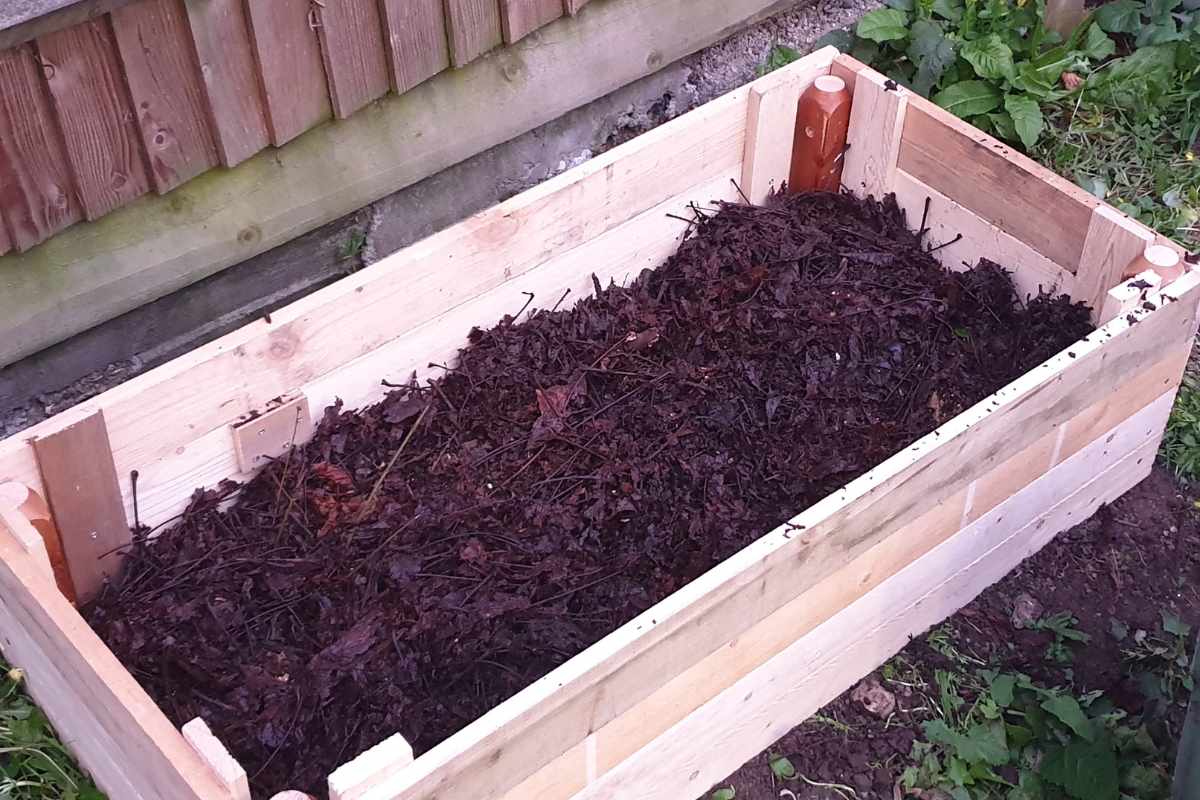
A well-prepared raised bed is the foundation of healthy strawberry plants.
Aim for 8–12 inches of loose, well-draining soil. A mix of compost, peat moss or coconut coir, and perlite provides nutrients while keeping the soil airy.
If your bed is deeper, layering organic matter at the bottom helps retain moisture and supports root growth.
Use untreated wood, cedar, redwood, or food-grade plastic for the frame to avoid chemicals leaching into the soil.
Well-prepared soil not only promotes strong roots but also improves berry flavor and overall plant health.
Planting and Spacing
Plant strawberries about 12–18 inches apart to give each plant enough space to grow without overcrowding.
The crown—the point where roots meet the leaves—should sit right at soil level.
Planting too deep can cause rot, while planting too shallow may dry out roots. Water gently after planting to help the soil settle around the roots.
Adding a layer of straw or pine needle mulch helps retain moisture, keeps berries off the soil, and reduces the risk of fungal infections.
Proper spacing and planting ensure healthy growth and higher yields.
Basic Care
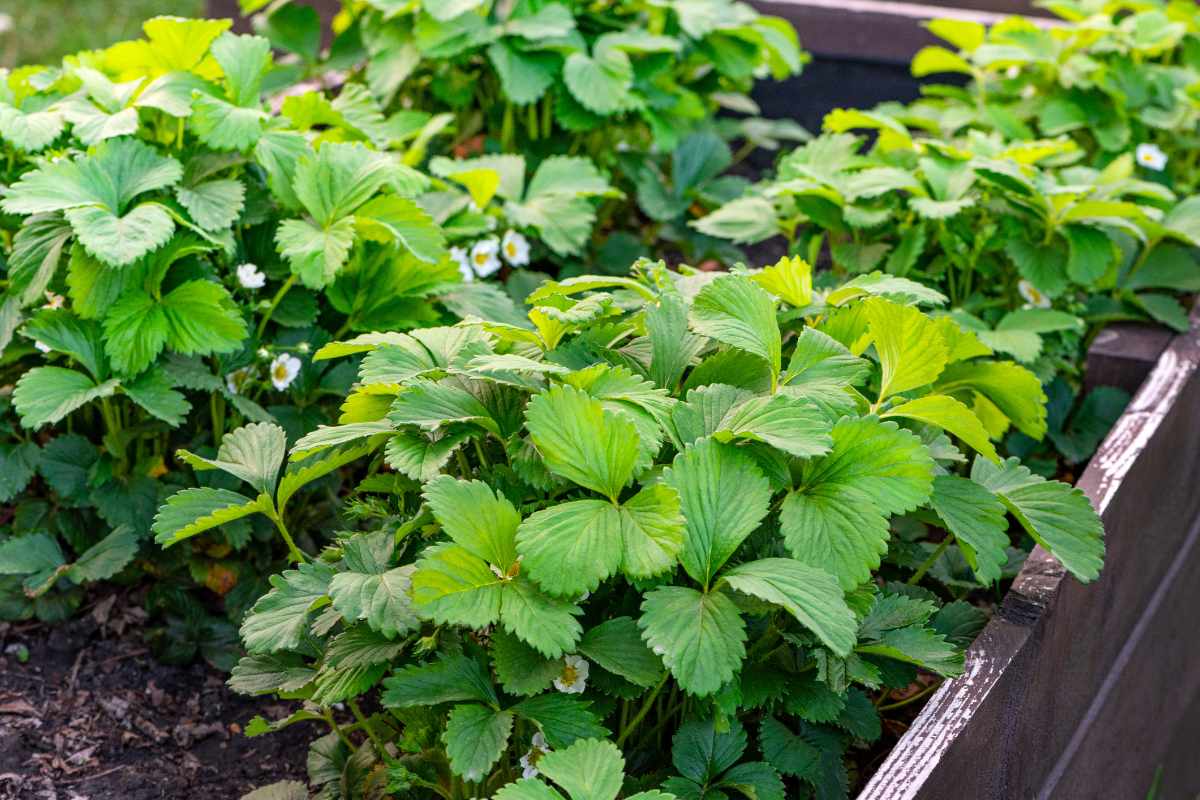
Strawberries need simple but consistent care to thrive. Keep soil evenly moist, especially during flowering and fruiting.
Fertilize with a balanced formula at the start of the season, switching to one higher in potassium as berries develop to boost sweetness.
Too much nitrogen encourages leaf growth instead of fruit.
In the first year, pinch off most runners to allow the plant to focus on establishing strong roots. Later, you can allow a few runners to create new plants.
Protect your crop from birds with netting and maintain good airflow around plants to reduce disease risk. Regular attention ensures healthy, productive beds.
Harvesting
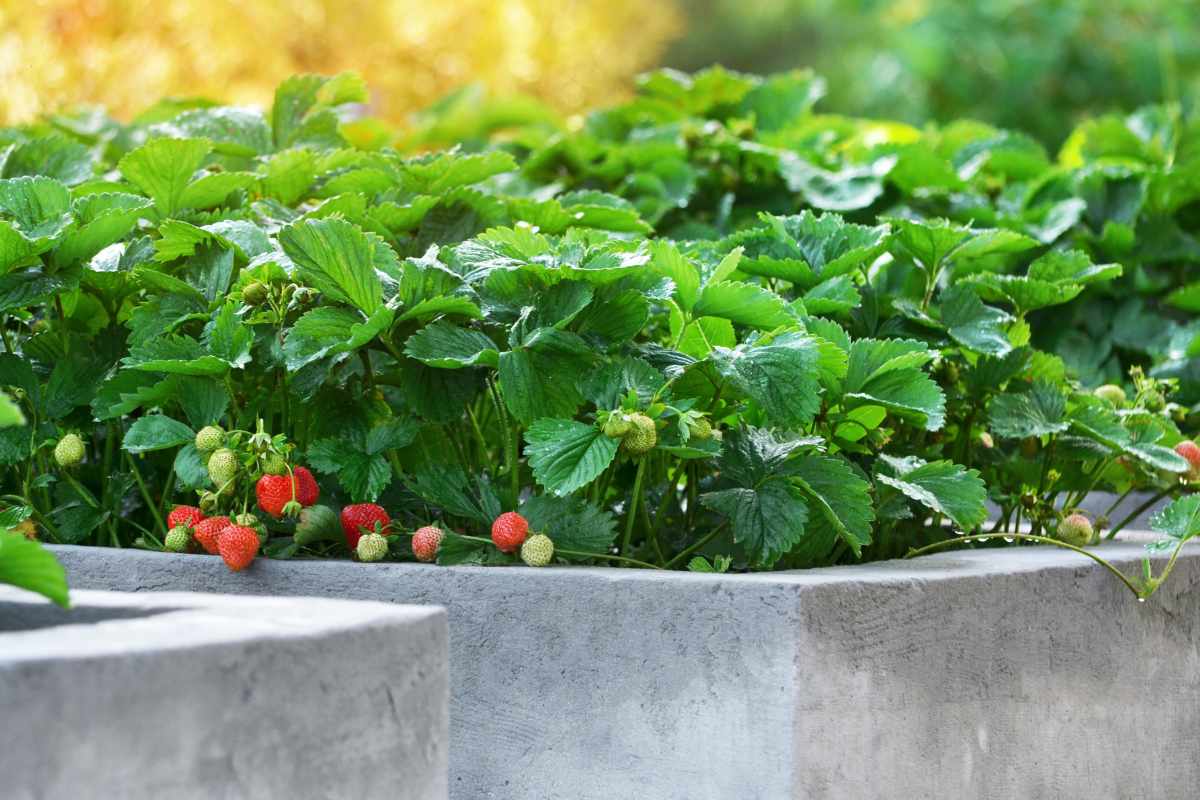
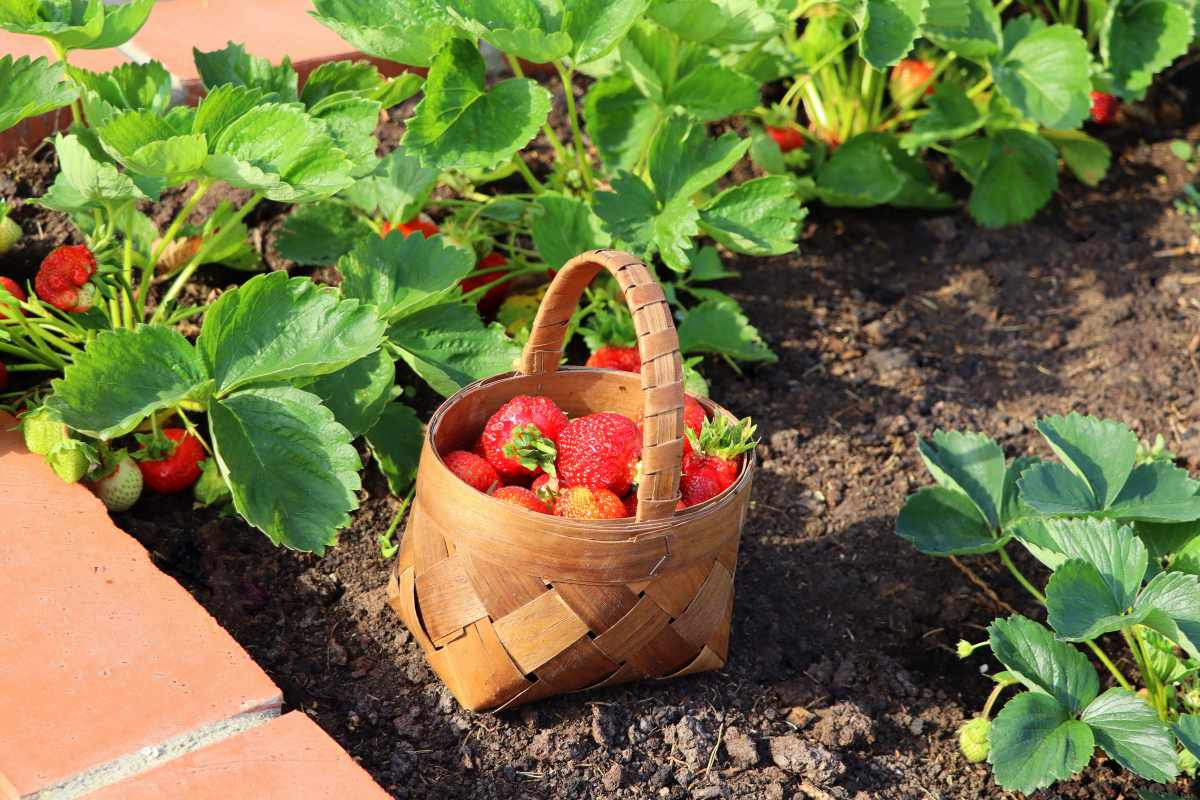
Harvest strawberries when they are fully red and slightly soft to the touch. Unlike some fruits, strawberries do not continue ripening after being picked, so timing is key.
Fresh strawberries are perfect for eating straight from the garden, but they can also be frozen, baked, or made into jams and desserts.
Picking berries regularly encourages plants to continue producing fruit throughout the season.
Growing strawberries in raised beds is rewarding, practical, and surprisingly simple.
By selecting the right variety, preparing a nutrient-rich bed, planting correctly, and providing basic care, you can enjoy sweet, homegrown strawberries year after year.
Raised beds make gardening easier, healthier, and more productive—perfect for anyone looking to grow their own fresh fruit.
Enjoy the Video Tutorial

Source: LearnHowToGarden
Did you find this post useful or inspiring? Save THIS PIN to your Gardening Board on Pinterest!😊

Once again, thank you for visiting our website!
We hope you've enjoyed exploring the content we've created for you.
Give yourself the chance to learn, get inspired, and have even more fun, keep browsing...
More Gardening Tips 👇🏼👇🏼