
Sun Safety for Houseplants: Tips to Prevent Leaf Burn

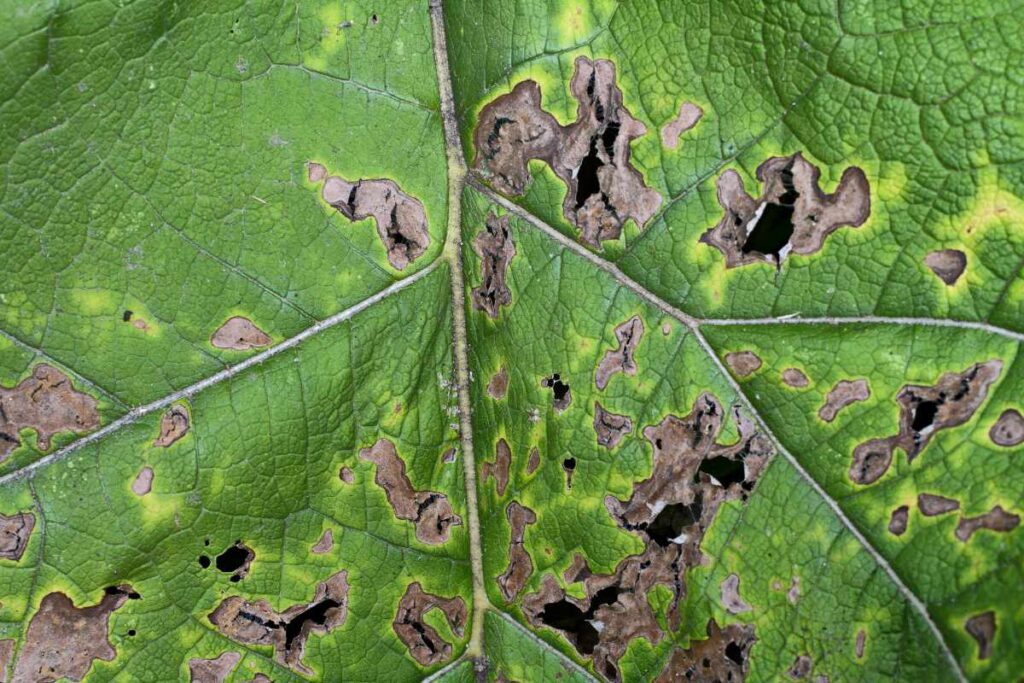
Indoor plants bring life and greenery into our homes, but protecting them from excessive direct sunlight is crucial for their health. While sunlight is vital for photosynthesis, too much of it can scorch leaves, dry out soil, and damage delicate plants.
This not only diminishes their beauty but can also shorten their lifespan. Learning how to balance light exposure is key to ensuring your plants thrive year-round. This guide explores how to shield your plants from harsh rays without compromising their light needs.
Why Do Indoor Plants Need Protection from Direct Sunlight?
Direct sunlight can be harmful to many indoor plants, particularly those adapted to lower light conditions. The intense rays can:
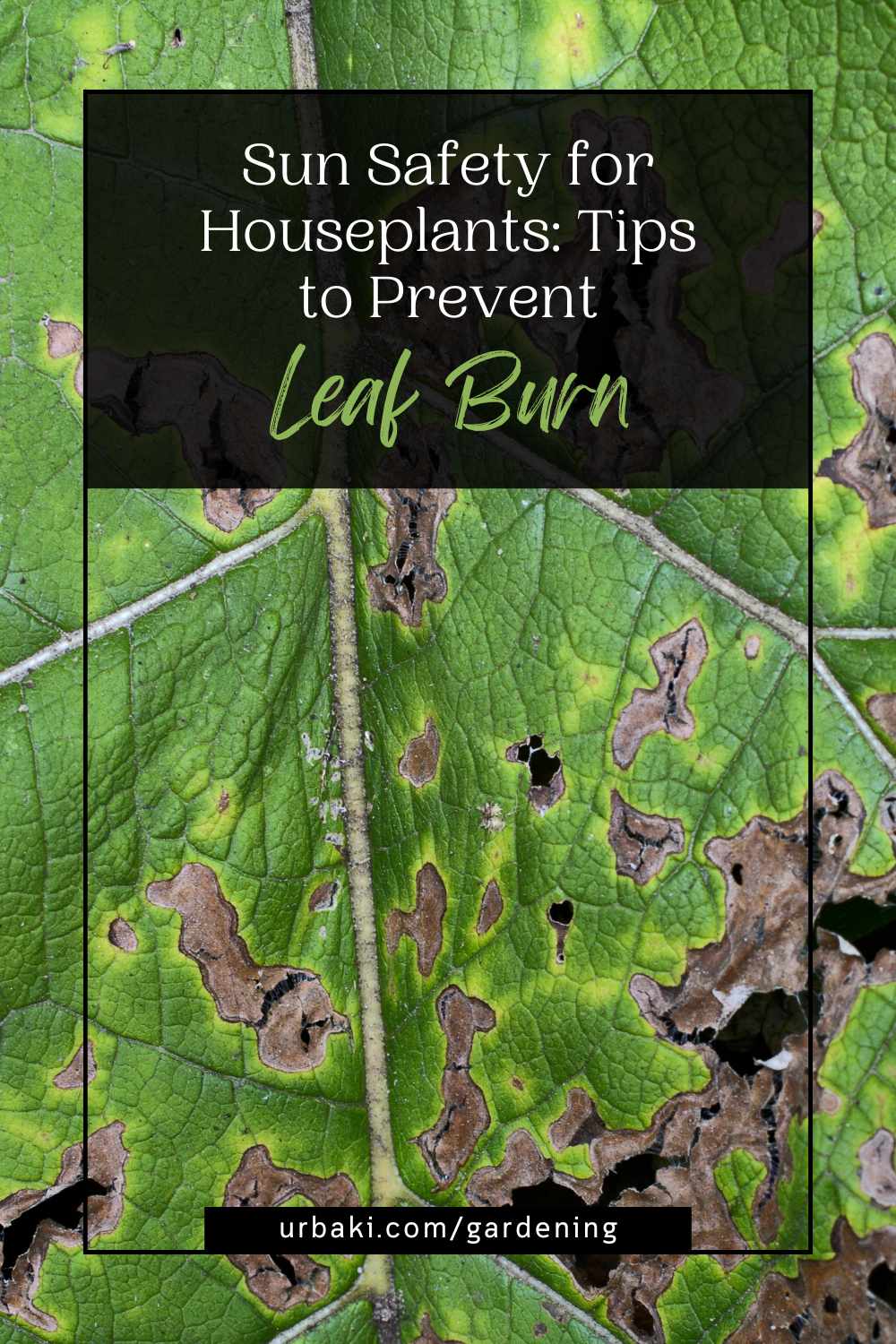
- Cause leaf burn: Leaves develop brown or white spots due to overexposure.
- Dry out soil too quickly: This stresses roots and requires frequent watering.
- Damage plant health: Prolonged exposure may stunt growth or kill sensitive species.
Understanding your plant’s light requirements is the first step to providing adequate protection.
Identify the Light Needs of Your Plants
Not all plants have the same tolerance for sunlight. Knowing their specific needs helps you create a suitable environment:
- Low-light plants: Species like pothos, snake plants, and peace lilies thrive in indirect light and are easily damaged by direct sun.
- Medium-light plants: Dracaenas and philodendrons prefer bright, indirect light but can tolerate some morning sun.
- High-light plants: Succulents and cacti need several hours of direct sunlight daily but can still overheat if overexposed.
Check care labels or research specific plants to understand their optimal lighting conditions.
Practical Tips to Shield Plants from Direct Sunlight
1. Use Sheer Curtains or Blinds
Sheer curtains diffuse harsh sunlight, creating a gentle glow ideal for most indoor plants. Similarly, adjustable blinds let you control the amount of light entering the room. These solutions are perfect for windows receiving strong afternoon sun.
2. Relocate Plants to Indirect Light
Move sensitive plants to spots with bright, indirect light. East-facing windows are excellent as they receive gentle morning sun, while north-facing windows offer consistent but soft light throughout the day.
3. Rotate Your Plants Regularly
Frequent rotation prevents one side of your plant from overexposure. This ensures even growth and reduces the risk of sunburned leaves.
Consider Using Protective Tools
4. Place Plants Behind Larger Objects
Shield plants by positioning them behind furniture, decorative screens, or larger plants. These barriers act as natural sun filters.
5. Use UV-Blocking Film
Applying UV-blocking film to windows reduces the intensity of sunlight without darkening your space. It’s a practical and long-term solution for plants in sunny rooms.
6. Add Plant Shades
Consider lightweight, adjustable shades designed for indoor gardening. These provide targeted protection while allowing light diffusion, making them ideal for south- or west-facing windows.
Monitor and Adjust Care for Sun-Exposed Plants
7. Check for Early Signs of Sun Damage
Regularly inspect leaves for discoloration, dryness, or curling—common symptoms of overexposure. Early intervention can save your plant.
8. Water Strategically
Sunlight accelerates evaporation. Adjust your watering schedule based on your plant’s needs, ensuring the soil stays consistently moist but not waterlogged.
9. Mist or Humidify
Direct sunlight can dry the air around your plants. Increase humidity with a spray bottle or a nearby humidifier to create a more balanced environment.
Bonus Tips for Balancing Light and Protection
- Group plants with similar needs: Create microclimates by placing plants with similar light and humidity requirements together.
- Use grow lights for shadowed spots: Supplement natural light with energy-efficient grow lights for plants moved away from windows.
- Embrace trial and error: Every home environment is different. Experiment with placement and care routines to find what works best.
Common Mistakes to Avoid
- Ignoring plant signals: Overlooking signs of stress like yellowing leaves or stunted growth can worsen sun damage.
- Overwatering sunburned plants: Sun-stressed plants often need recovery time, not excessive watering.
- Choosing the wrong plants for your space: Avoid placing low-light plants in areas with intense sun exposure.
Conclusion
Protecting your indoor plants from direct sunlight ensures they thrive and remain beautiful additions to your home. By understanding their light needs, using simple protective measures, and adjusting care routines, you can create a safe and nurturing environment for your green companions.
Experiment with these strategies to keep your plants healthy, vibrant, and stress-free, even under the sunniest conditions.
Did you find this post Useful or Inspiring? Save THIS PIN to your GARDENING Board on Pinterest!
More Gardening Tips 👇🏼👇🏼