
The 6 Ways to Propagate Your Indoor Plants!


If you’re eager to Propagate Your Indoor Plants but don’t know where to start, this concise guide will help you understand plant propagation methods.
What to expect from propagated plants, and how to avoid common mistakes—then point you to a practical video tutorial to see the process in action.
Why Propagate Your Indoor Plants
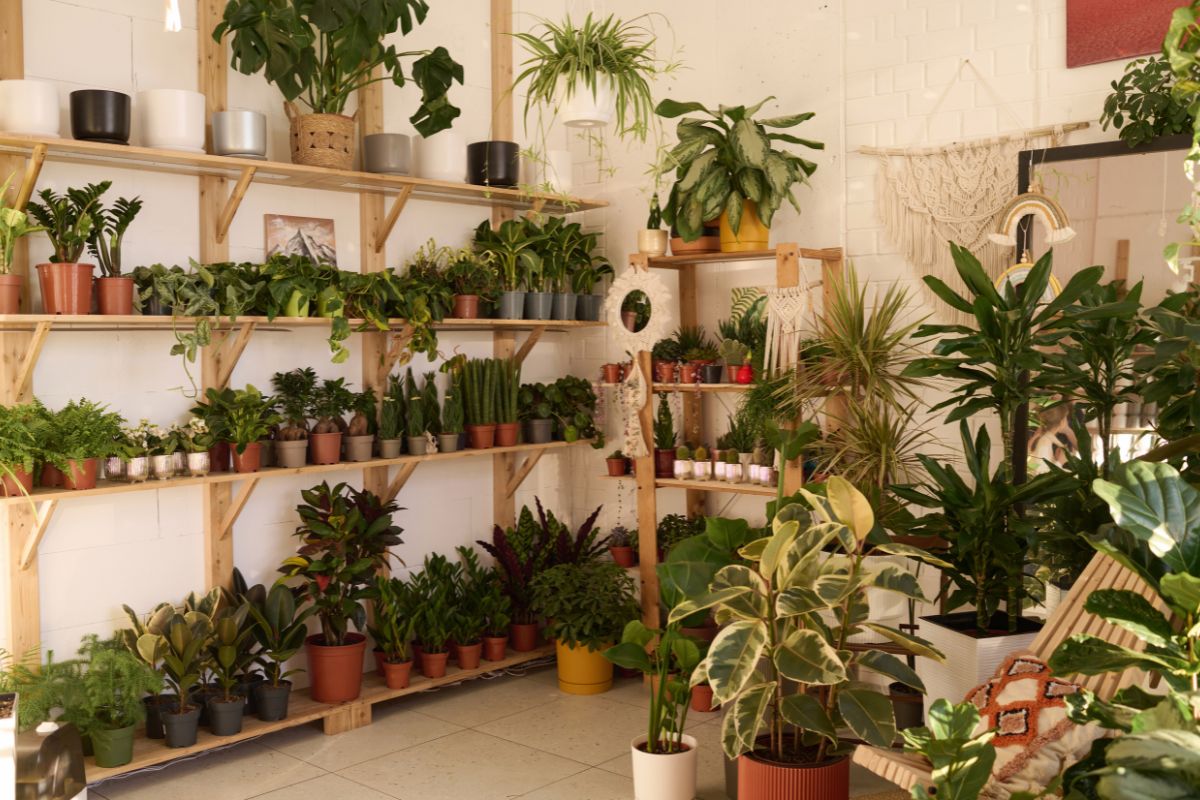 Multiplying favorites saves money and lets you share greenery with friends. It’s also a hands-on way to learn about plant propagation, from roots to shoots, without needing a full greenhouse.
You’ll quickly discover plants that propagate easily and build confidence with each new cutting that takes off.
Beyond creating more greenery, propagation helps you curate the best plants to propagate for your space and lighting.
Over time, you’ll know exactly which easy to grow house plants thrive in your care—and which ones reward you with fast, reliable rooting.
Understand The Basics: Structure, Species, And Timing
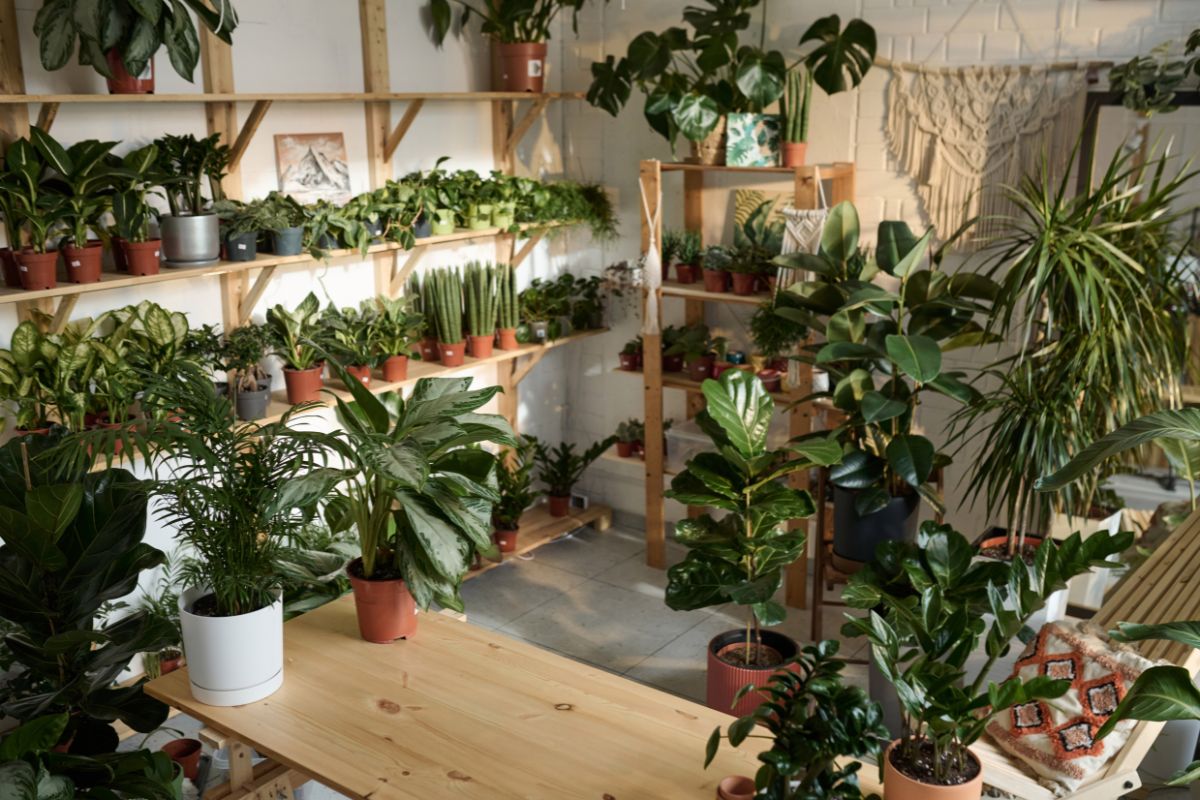 Before snipping, it pays to know a bit about plant structure. Nodes—those small bumps where leaves or aerial roots emerge—are where new roots form.
Cut just below a node and remove lower leaves so the plant can redirect energy toward rooting rather than leaf maintenance.
Some species bounce back quickly, while others are slower due to natural differences rooted in plant breeding and genetics.
Take notes as you go: your experience will soon reveal the plants you can propagate with minimal effort versus those that need warmth, humidity, or rooting hormone to help along.
Water Propagation: Fast Feedback For Beginners
 For many indoor gardeners, a jar and fresh water are all it takes. Choose cuttings from easy plants to propagate in water—pothos, philodendron, and coleus are popular examples.
Swap the water twice a week and keep the jar bright but out of direct sun to avoid algae and heat stress.
If you enjoy seeing roots develop, water propagation plants are satisfying because progress is visible day by day.
Once roots reach a few centimeters, move the cutting to a light, airy mix so it can adapt to soil and begin normal growth.
From Cutting To Plant: Setting Up For Success
 When you propagate house plants, cleanliness matters. Use sharp, sanitized shears and a clean container to reduce the chance of rot.
Label each cutting and track dates so you can compare outcomes and refine your technique next time.
As you continue propagating house plants, you’ll develop a feel for moisture and light.
Keep new transplants slightly more humid than mature plants for the first two weeks, and resist the urge to overwater—young roots need air pockets as much as moisture.
Choosing What To Multiply
 Not every species is equally cooperative. Focus first on plants that propagate easily and then branch out.
A good starter list often overlaps with your existing collection of easy to grow house plants, which already tolerate the conditions in your home.
As your confidence grows, create a short wish list of the best plants to propagate in your environment.
You’ll build a steady pipeline of propagated plants to fill shelves, swap with friends, or gift to beginners looking for something forgiving.
Safety, Ethics, And Light Touch Science
Respect the source: only take cuttings from healthy mother plants and avoid collecting from the wild or protected landscapes.
A single snip can become several new specimens, so a thoughtful, minimal approach supports sustainable growth at home.
Finally, remember that successful plant propagation reflects both environment and genetics. What roots quickly in one home may be slower in another due to humidity, temperature, and light.
Use the video below to compare techniques and fine-tune your process.
Enjoy This Video Tutorial About Plants Tips and Tricks

Source: Swedish Plantguys
Don’t forget to Subscribe to our Newsletter to receive amazing tips and tricks about Gardening and the FREE Ebook Green Living Strategies!
Did you find this post Useful or Inspiring? Save THIS PIN to your GARDENING Board on Pinterest! 😊

More Gardening Tips 👇🏼👇🏼