
The Most Overrated Gardening Trends

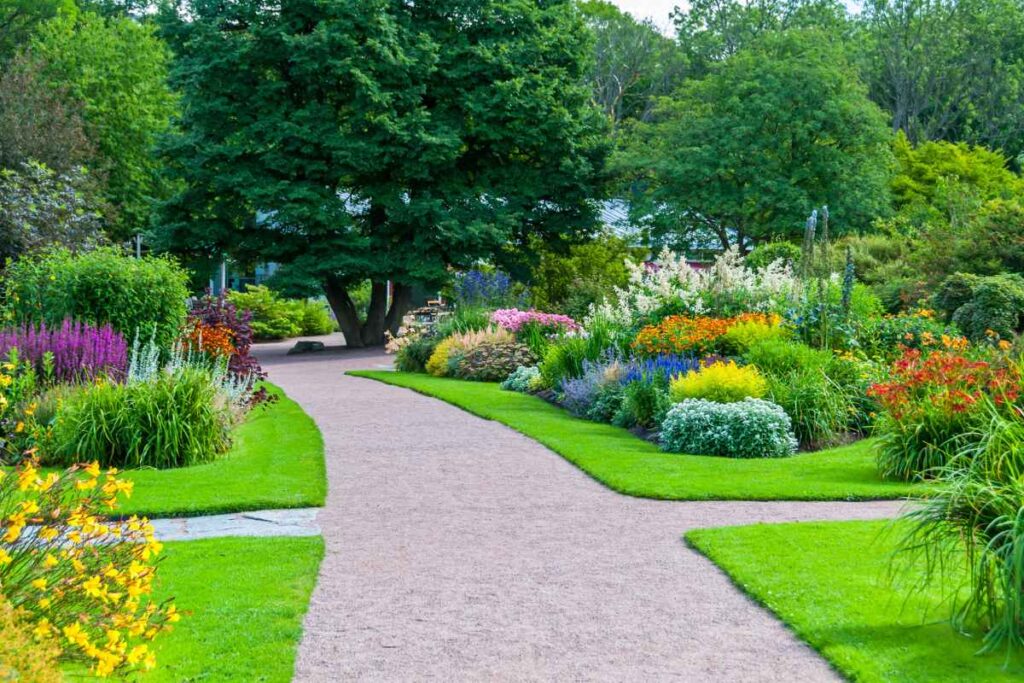
Gardening is a deeply personal journey, often shaped by passion, creativity, and connection with nature. Yet, like any creative field, gardening isn't immune to trends.
While some ideas are genuinely innovative and inspiring, others can feel overhyped, impractical, or even counterproductive when applied without thought.
In this article, we’ll take a closer look at some of the most overrated gardening trends, exploring why they may not live up to the buzz and what to consider instead.
The Obsession with Perfect Lawns
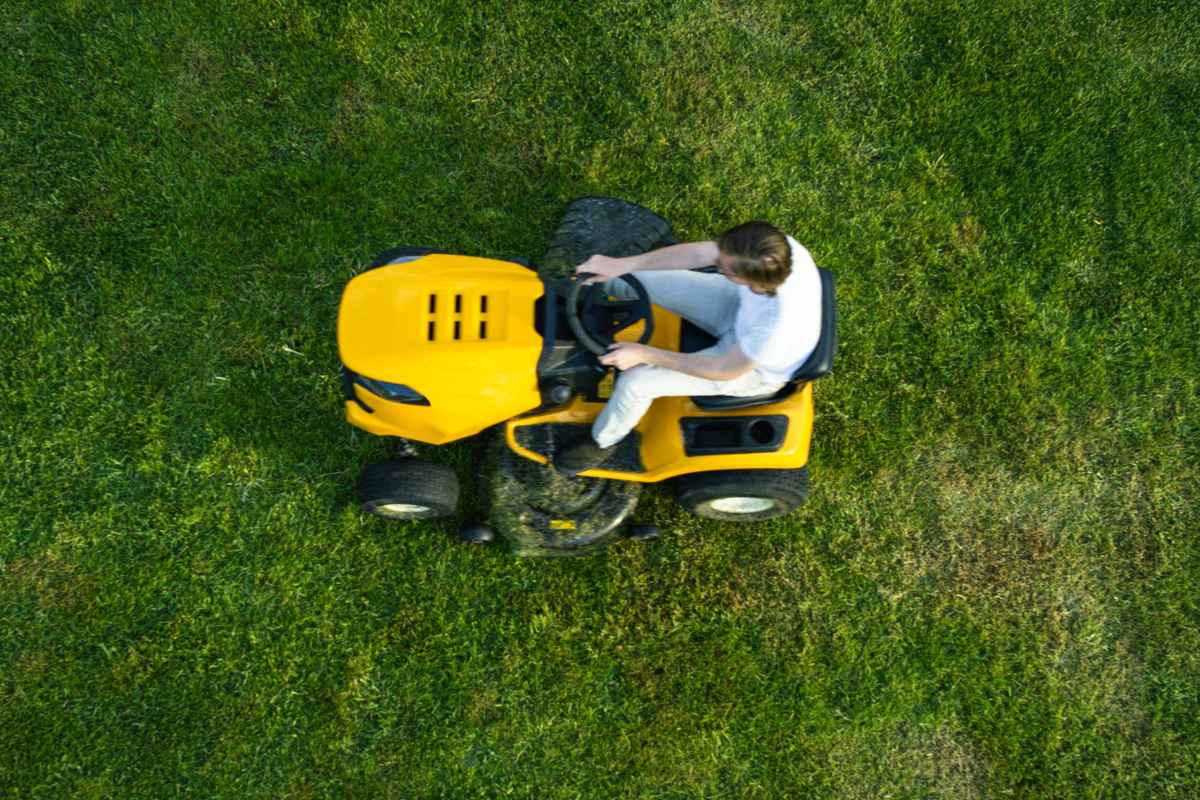
One of the longest-standing trends that continues to dominate front yards everywhere is the pursuit of the flawless green lawn. While it's often viewed as a symbol of tidiness and pride, this trend is costly, high-maintenance, and environmentally taxing.
Lawns require frequent watering, mowing, fertilizing, and weed control—tasks that demand significant time, money, and resources. In many regions, especially those prone to drought, maintaining a pristine lawn is simply unsustainable. Beyond that, lawns often lack the biodiversity and habitat value that native plants or wildflower meadows can offer.
Alternative approach: Replace some or all of your lawn with ground covers, native plants, or low-maintenance landscaping. Not only will your yard stand out, but it will also support pollinators and reduce your environmental footprint.
Overuse of Artificial Turf
As homeowners look to cut back on lawn maintenance, artificial turf has exploded in popularity. At first glance, it seems like a dream: no watering, no mowing, and year-round greenery. But the reality is more complex.
Artificial turf gets extremely hot in direct sunlight, making it uncomfortable to walk or play on. It also prevents water from penetrating the soil, which can lead to drainage issues and dead zones beneath. Worst of all, it offers zero benefits to pollinators, birds, or soil health.
Alternative approach: Consider drought-tolerant native plants or a rock garden with natural mulch. These options require less maintenance while still contributing to a thriving outdoor ecosystem.
Minimalist Gravel Gardens
While gravel gardens can look sleek and modern, they often come at the expense of functionality and ecological value. The trend of replacing soil beds with vast gravel surfaces dotted with sparse plants may reduce weeding but can overheat quickly, reflect sunlight harshly, and provide little room for roots to spread.
They’re also less inviting for wildlife and offer limited seasonal interest, especially in regions with varied weather patterns.
Alternative approach: If you like the clean look, mix gravel with permeable paving, lush planters, and native shrubs. Balance structure with softness for a more inviting and sustainable result.
The Pinterest-Perfect Raised Beds
Raised beds are widely celebrated for their aesthetic appeal and organization, and they certainly have their benefits. However, the current trend of installing high-end, decorative raised beds—often made of expensive materials and arranged in symmetrical grids—can become more about looks than functionality.
These setups often limit planting space, cost a fortune to fill with soil, and may not be the best fit for every yard or gardener. For small-scale growers or those with limited budgets, this trend can feel more like a pressure than a solution.
Alternative approach: Start small with simple wood or recycled materials, and focus on what you can actually grow successfully. Function should always come before form in the garden.
Monochromatic Planting Palettes
Gardens that follow a strict color scheme, such as all-white flowers or entirely purple foliage, may look elegant in magazines, but they can feel flat and restrictive in real life. Color-focused planting often overlooks seasonal variation, texture, and biodiversity.
In practice, such limited palettes can make a garden feel monotonous and reduce interest over time. It may also require sourcing very specific plants that don’t necessarily thrive in your climate.
Alternative approach: Embrace a broader mix of colors, shapes, and textures. Gardens should feel alive and evolving—not frozen in a photoshoot.
Exotic Plants That Struggle to Thrive
There’s always buzz around rare or exotic plants—the kinds that fill Instagram feeds and collector forums. While it's exciting to try something unique, these plants often require high-maintenance care, controlled environments, and special conditions that aren’t practical for most gardeners.
When a plant struggles because it’s not suited to your zone or soil, it becomes a drain on time and resources—and it rarely rewards you with long-term success.
Alternative approach: Focus on native or well-adapted plants that naturally thrive in your environment. They’re more resilient, require less effort, and often provide greater beauty year-round.
Overdecorated Outdoor Spaces
From elaborate fairy gardens to themed decor setups, there’s a trend toward treating the garden like an extension of interior design. While personalizing your space is wonderful, overusing decorative elements can quickly turn your garden into a cluttered or gimmicky display.
Too many ornaments, signs, or mismatched features can distract from the plants themselves, which should always be the stars of the show.
Alternative approach: Use decor sparingly and meaningfully. One or two well-chosen focal points can add charm without overwhelming the natural beauty of your garden.
Vertical Gardens Without Purpose
Vertical gardens are stylish and useful in small spaces, but they’ve also become a go-to trend for areas that don’t actually benefit from them. Mounted greenery on shaded walls or dry fences often fails due to lack of sunlight, poor drainage, or constant maintenance needs.
When done incorrectly, vertical gardens quickly deteriorate and can become an eyesore instead of a feature.
Alternative approach: Only install vertical gardens where you can easily access and maintain them, and choose hardy plants suited to the conditions. Sometimes a hanging planter or trellis with a climber is all you need.
The “No Maintenance” Garden Myth
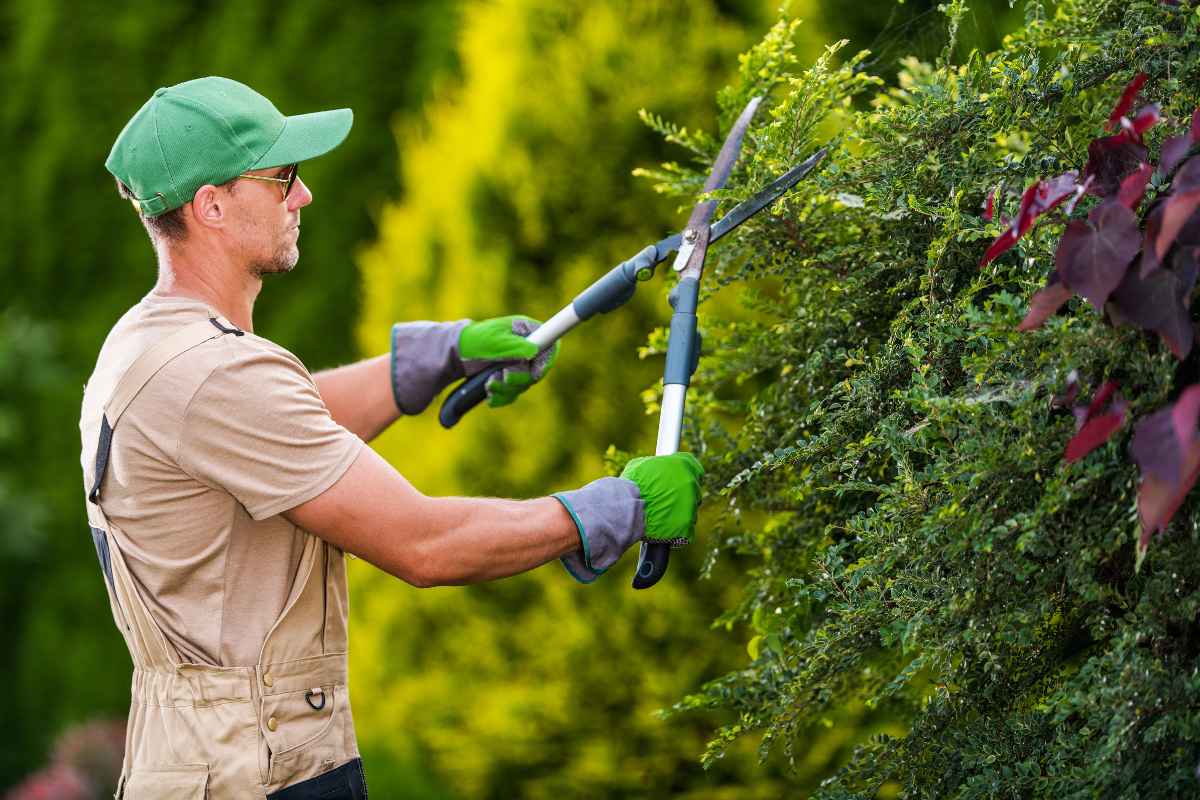
One of the most misleading gardening trends is the promise of a “no-maintenance garden.” While low-maintenance is certainly achievable, zero effort gardens are a myth. Plants, even the hardiest, require some level of care—watering, pruning, dividing, or monitoring for pests.
This mindset often leads to disappointment or neglect, especially for new gardeners expecting a set-it-and-forget-it solution.
Alternative approach: Set realistic goals and prioritize sustainability and simplicity over perfection. Gardens are meant to be dynamic and rewarding—not effortless.
Trendy Gardening Pitfalls
Gardening should be about creating a space that connects you with nature, brings joy, and reflects your values. While trends can offer inspiration, they’re not one-size-fits-all.
The most successful gardens come from listening to your environment, understanding your needs, and growing what works for you—not what’s currently trending on social media.
By moving past these overrated gardening trends and focusing on practical, ecological, and personal choices, you’ll build a garden that’s not only beautiful but truly yours.
Did you find this post useful or inspiring? Save THIS PIN to your GARDEN Board on Pinterest!
More Gardening Tips 👇🏼👇🏼