
The Relationship Between Birds and Native Plants

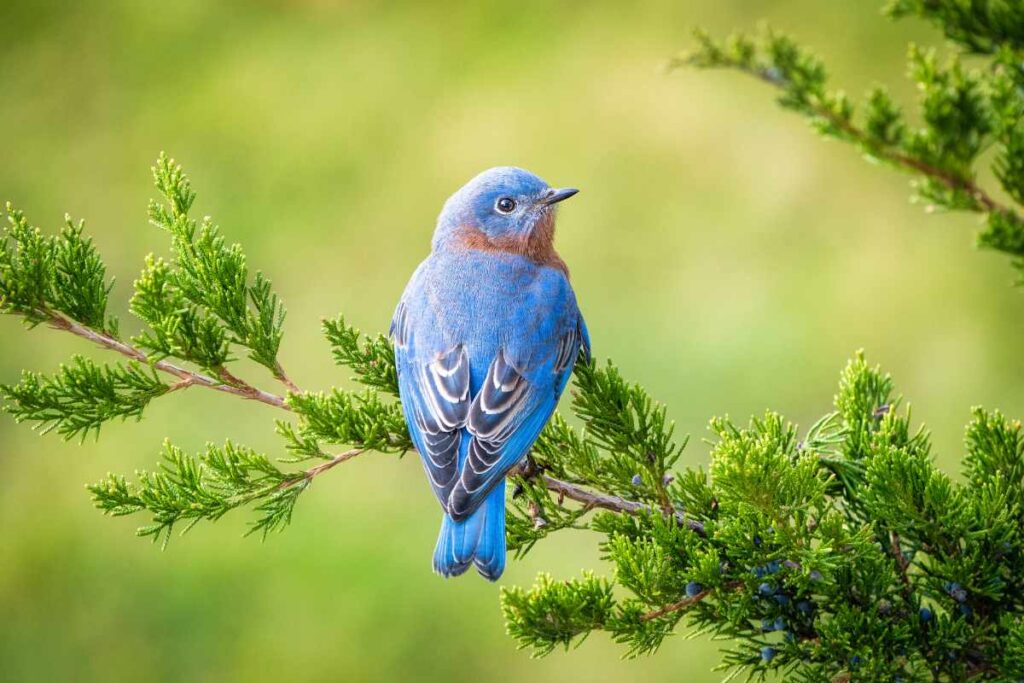
There’s a quiet connection happening just outside our windows—one that’s often overlooked but vital to the health of our environment.
Birds and native plants form an intricate partnership that supports biodiversity, helps ecosystems thrive, and creates balance in natural and managed landscapes.
By choosing plants that belong to your region, you’re doing more than gardening; you’re helping create a sanctuary that nourishes and protects local wildlife.
How Native Plants Meet Birds’ Needs
Native plants have evolved alongside local bird species, developing characteristics that meet their specific needs throughout the year. These plants provide natural food sources, shelter, and nesting materials that exotic or ornamental species often lack.
Seeds, berries, nectar, and insects supported by native flora are crucial parts of a bird’s diet. For instance, dogwood and elderberry shrubs offer late-season berries that sustain migratory birds.
Coneflowers and goldenrod produce seeds that finches and sparrows rely on during colder months. Even dried flower heads left uncut in winter can provide essential nutrition when food is scarce.
Insects also play a critical role. Many birds, especially while raising young, feed their chicks a diet rich in protein-packed caterpillars and beetles. Native plants support a higher number and diversity of insects, which in turn directly benefits bird populations.

The Importance of Seasonal Support
Birds don’t require the same resources year-round. During spring and summer, they search for safe nesting sites, a steady supply of insects, and protective cover. In fall, many prepare for migration by fattening up on energy-rich fruits and seeds.
Through winter, shelter and persistent seed sources become essential for survival.
A landscape designed with seasonal diversity in mind can offer continuous support. For example, early-flowering shrubs such as serviceberry provide nectar for hummingbirds just arriving from their migratory journey.
In midsummer, plants like milkweed and monarda host insects and provide nectar for pollinators and birds alike. As the year ends, oak trees drop acorns, a key food for many species, including woodpeckers and blue jays.
Creating a layered habitat—ground cover, shrubs, and trees—ensures different bird species can find what they need throughout the year. It’s this natural variety that mimics the wild spaces where birds thrive.
Reducing Dependence on Feeders
Many people enjoy watching birds gather at feeders, and while they can be helpful during extreme conditions, feeders are not a replacement for native plants. Birds that rely heavily on handouts may miss out on critical nutrients found in their natural diet.
Feeders also carry risks: disease transmission, predator exposure, and increased territorial aggression.
A garden filled with native species offers a more sustainable solution. Birds can forage naturally, balance their diet, and interact with their environment as intended. It also benefits young birds learning survival skills, as they need to understand how to find food, recognize threats, and navigate complex plant structures.

Native Plants and Bird Nesting
Beyond food, plants offer nesting sites and materials. Many birds build their nests in dense shrubs, tall grasses, or tree cavities, all of which can be provided by carefully selected native species.
Tall goldenrod, wild raspberry canes, and sumac create excellent shelter, while the fibers of plants like milkweed or dogbane are often used in nest construction.
By avoiding excessive pruning and leaving plant material in place through late fall and winter, you can protect the nests of overwintering or early-breeding birds. Even fallen leaves and twigs play a role in creating a safe nesting environment.
Native Landscapes Attract Insect-Eating Birds
Bird species that feed primarily on insects are among the most vulnerable to habitat loss. Swallows, warblers, wrens, and flycatchers all depend on a steady stream of bugs to survive.
The removal of native plants from gardens, roadsides, and parks contributes to the decline of insect populations, which directly affects these birds.
By reintroducing regionally appropriate plants into your landscape, you help reestablish a food web that supports insect-eating birds. Even a small patch of native meadow or a few well-chosen shrubs can make a measurable difference. When plants attract insects, birds soon follow.

Urban and Suburban Impact
You don’t need a sprawling backyard or woodland acreage to make a difference. Even in small yards, balconies, or city green spaces, planting native flora has an impact. Birds are highly mobile, and they move through cities in search of safe pockets to rest and refuel.
A window box filled with coneflowers or a small native hedge near a sidewalk can serve as a vital stopover point.
When enough gardeners make the switch to native planting, it creates a mosaic of supportive habitats that connect larger wild areas and provide refuge for birds navigating urban environments.
Rethinking Garden Aesthetics
The traditional garden ideal often prioritizes neat edges, manicured lawns, and uniform color palettes. But this approach doesn’t always serve wildlife. Native gardens may look a little wilder, a little looser, but they buzz with life—literally and figuratively.
Embracing native plants means embracing a new kind of beauty, one that reflects local ecology and supports life at every level. From the rustle of tall grasses to the flutter of a warbler in a berry bush, these gardens tell the story of a healthy, functioning environment.
You don’t have to give up design entirely; you can still create structure, flow, and harmony.
The goal is to balance aesthetics with function, combining color, height, and bloom time while keeping the needs of birds and other creatures in mind.
Did you find this post useful or inspiring? Save THIS PIN to your GARDENING Board on Pinterest!
More Gardening Tips 👇🏼👇🏼