
Top Blue-Feathered Birds You Can Spot in Your Garden


Attracting blue birds to a garden brings not just beauty, but also a sense of liveliness and connection to the natural world.
These birds, known for their vivid feathers and melodic calls, can become frequent visitors with the right setup. While “bluebird” often refers specifically to species in the Sialia genus, there are many other blue-feathered garden birds worth recognizing.
Understanding their differences helps create a more inviting space tailored to their habits and preferences.
Eastern Bluebird: A Favorite in Open Spaces
The Eastern Bluebird is among the most recognized and beloved backyard birds in North America. With a reddish chest, bright blue wings, and a gentle demeanor, it often visits open areas like fields, orchards, and well-spaced yards.
These birds prefer low perches to scan the ground for insects and often nest in boxes placed at moderate heights.
They are cavity nesters, which means providing a proper nesting box is key to attracting them. Keep the box facing away from strong winds and near open spaces for easy foraging. Mealworms and chopped fruit are effective ways to encourage regular visits.
Tip: Look for a bright blue bird with a rusty red chest perched low near open fields—this is your Eastern Bluebird.

Western Bluebird: West Coast’s Colorful Companion
The Western Bluebird shares similarities with its eastern cousin but differs slightly in range and coloring. Found across the western U.S., this species tends to have a deeper rust-colored chest and often shows up in pine forests, vineyards, and suburban gardens with mature trees.
These birds also respond well to nesting boxes and are drawn to spaces with natural cover and nearby open ground.
Having trees or tall shrubs for perching improves the chances of them choosing your garden as a resting or breeding area.
Tip: If you see a bluebird with a darker, burnt-orange chest in a garden near mature trees, it’s likely a Western Bluebird.

Mountain Bluebird: A Bright Flash in High Elevations
More commonly seen in higher altitudes or open prairie regions, the Mountain Bluebird has a striking pale blue coloration, often without the reddish tones seen in the other bluebird species. Their soft, pastel feathers make them easily distinguishable and a joy to watch.
Though less common in suburban gardens, they may still appear if the landscape is open, with few tall trees and minimal ground cover.
Placing nesting boxes in rural or mountainous gardens may occasionally bring these visitors in, especially during migration.
Tip: A sky-blue bird with no red on its chest flying over open, grassy land is likely a Mountain Bluebird.

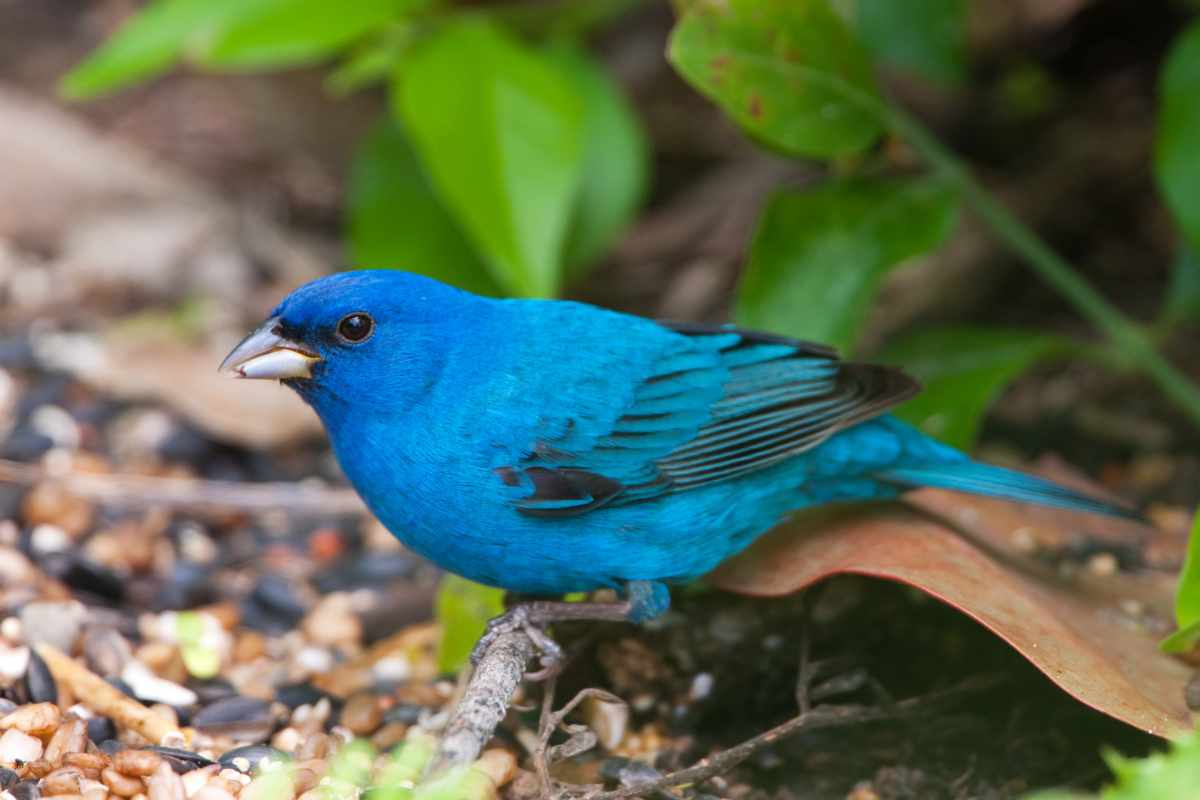
Indigo Bunting: A Tiny Spark of Blue
Though not a bluebird by genus, the Indigo Bunting is another dazzling blue species that can grace a garden. These small, sparrow-sized birds are entirely blue in the male’s breeding season and can often be heard singing from treetops or wires.
They prefer areas with mixed shrubs, meadows, and edges between forest and open space.
Offering native wildflowers, shrubs, and access to seed feeders may encourage these birds to stop by, especially during migration periods. Their size makes them more elusive, but once spotted, they’re unforgettable.
Tip: Spot a tiny, all-blue bird singing from a high perch? You’ve likely found an Indigo Bunting.
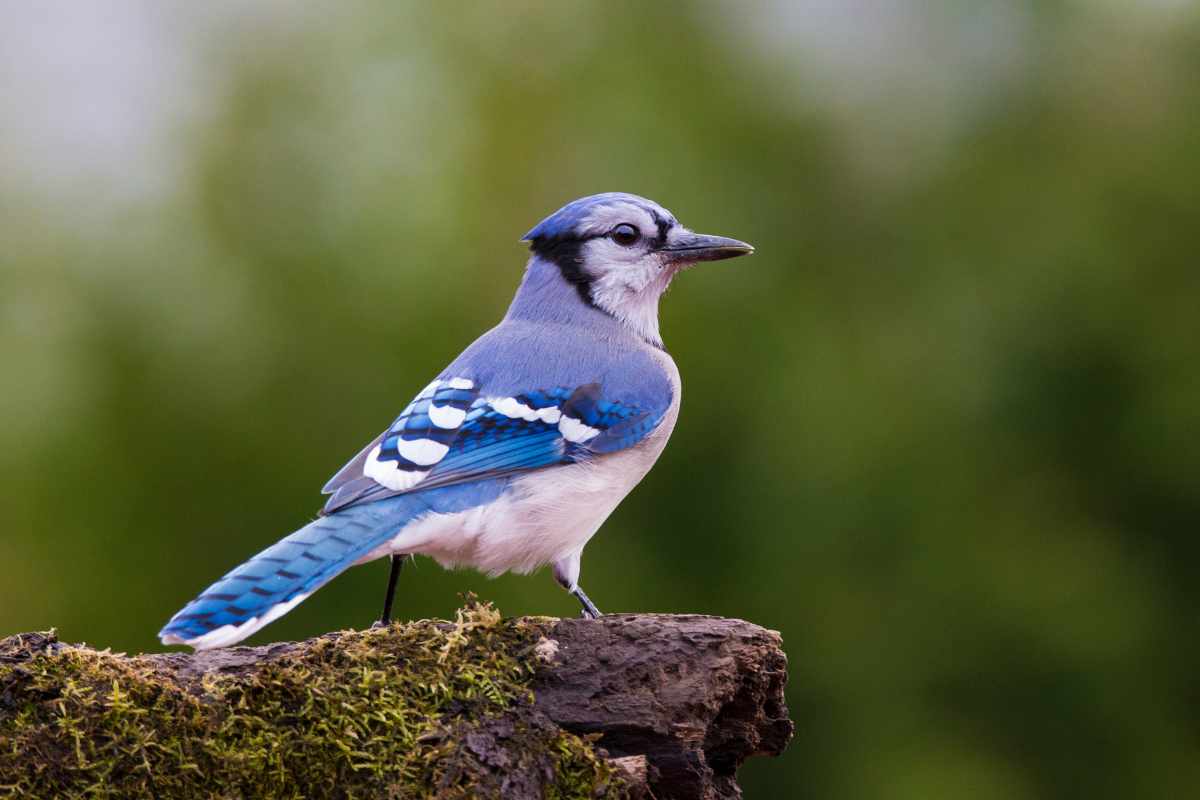
Blue Jay: Bold, Intelligent, and Striking
One of the larger and more vocal blue birds, the Blue Jay is easily recognized for its bright plumage, crest, and complex calls.
While not always welcome at feeders due to their dominant behavior, they play an important role in local ecosystems by spreading seeds and acting as alert sentinels.
Blue Jays love oak trees and benefit from gardens with mixed tree cover, acorns, and large platform feeders. Providing peanuts (in the shell) or sunflower seeds can help draw them in, though their boldness may affect smaller songbird visitors.
Tip: A large blue bird with a dramatic crest and a loud, varied call is almost certainly a Blue Jay.
Tree Swallow: Graceful and Glossy
With iridescent blue backs and clean white bellies, Tree Swallows bring elegance to a garden. These birds are insect eaters and excel in open areas near water.
Like bluebirds, they use nest boxes and benefit from low-traffic, grassy spaces where they can swoop and hunt.
Welcoming Tree Swallows means offering housing near open fields or large lawns and avoiding pesticide use so that their food source remains abundant.
Tip: If you see a sleek, shimmering blue bird diving over fields or water with a white belly, it’s a Tree Swallow.

Creating a Garden That Attracts Bluebirds
To attract a variety of blue-feathered species, offer diverse food sources such as mealworms, berries, and seeds. Water is just as vital, so adding a birdbath with fresh, shallow water can make your garden more inviting, especially during warmer months when hydration becomes essential.
Providing shelter, whether through shrubs, trees, or nesting boxes, creates a sense of security for birds to rest, seek shade, or raise their young safely away from predators.
Avoiding chemicals and cultivating native plants helps ensure the surrounding habitat remains bird-friendly year-round, supporting not only bluebirds but many beneficial pollinators and insects they rely on.
Each bird has slightly different preferences when it comes to food, nesting, and space, but with a bit of variety, patience, and care, your garden can become a welcoming haven full of color, song, and life.
Did you find this post useful or inspiring? Save THIS PIN to your GARDEN Board on Pinterest!

More Gardening Tips 👇🏼👇🏼