
The secret to Grow Healthy Lucky Bamboo Indoors & Propagate Easily


Few indoor plants are as charming and symbolic as Lucky Bamboo (Dracaena sanderiana).
Despite its name, it’s not true bamboo but a resilient tropical plant native to Central Africa.
With its elegant stalks and minimal care needs, Lucky Bamboo has become a popular choice for homes and offices.
Known for symbolizing good fortune and prosperity in Feng Shui, it’s also an excellent plant for beginners.
Let’s explore everything you need to know to keep your Lucky Bamboo healthy and vibrant indoors.
Creating the Perfect Environment

Lucky Bamboo flourishes when given conditions that mimic its natural tropical habitat.
Paying attention to light, water, temperature, and nutrients will prevent most issues.
Light Requirements
Lucky Bamboo thrives in bright, indirect light. Place it near a north- or east-facing window where it receives filtered sunlight.
Avoid harsh midday rays that can scorch its leaves.
Good lighting signs: vibrant green leaves, steady new growth.
Poor lighting signs: pale leaves, leaning stalks, or no new shoots.
If natural light is limited, supplement with a low-intensity grow light for a few hours a day.
Water Quality and Frequency

Water is the lifeline of Lucky Bamboo, especially when grown hydroponically.
Use distilled or filtered water to avoid chlorine and fluoride damage.
Change the water every 7–10 days to keep it fresh and oxygenated.
Maintain at least 1–2 inches of water above the roots, but don’t submerge the entire stalk.
For soil-grown Lucky Bamboo, keep the soil evenly moist but not soggy. A well-draining potting mix with added perlite or sand works best.
Temperature and Humidity
Lucky Bamboo is a tropical plant, so it prefers temperatures between 65°F and 90°F (18°C–32°C).
Keep it away from cold drafts, heating vents, or air conditioners. Moderate humidity is ideal, but if the air is very dry, mist the leaves occasionally.
Fertilizing Tips

Although Lucky Bamboo doesn’t need much food, it benefits from a diluted liquid houseplant fertilizer every 6–8 weeks during spring and summer.
Avoid overfeeding—too much fertilizer can burn the roots and cause yellowing leaves.
Routine Care for Long-Term Health
Weekly Care
Refresh water or check soil moisture.
Wipe leaves gently with a damp cloth to remove dust.
Inspect roots and stalks for early signs of rot.
Seasonal Care
In summer, monitor water levels closely as evaporation increases.
In winter, move the plant away from heaters and provide extra humidity.
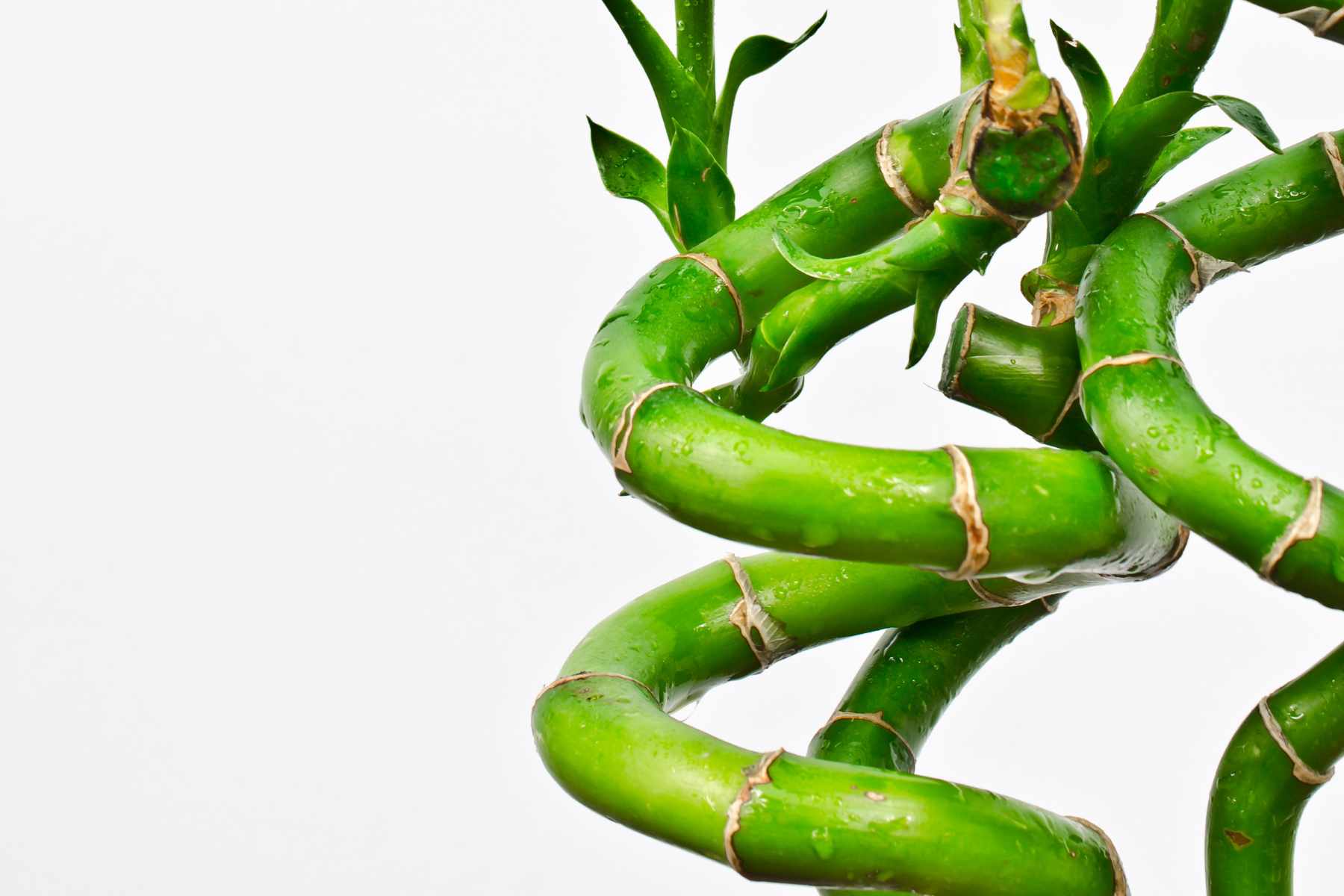
Styling and Support
Lucky Bamboo is often sold in spirals, braids, or clusters. To maintain shapes, rotate the container weekly so the plant grows evenly toward the light.
For taller arrangements, use decorative stones or marbles in the vase for stability.
Propagating Lucky Bamboo Step by Step

One of the most rewarding parts of owning Lucky Bamboo is how easily you can propagate it to create new plants or gifts for friends.
When to Propagate
Propagation works best in spring or early summer, when the plant is actively growing. Choose a healthy, mature stalk with at least two or three nodes.
How to Propagate
Select a Cutting: Using sterilized scissors, cut a stalk just above a leaf node.
Prepare the Cutting: Remove any lower leaves to expose the nodes.
Rooting in Water: Place the cutting in a container with fresh distilled water, ensuring the nodes are submerged.
Wait for Roots: Within 3–6 weeks, roots should begin to sprout. Change the water weekly to keep it clean.
- Transplant if Desired: Once roots are a few inches long, the new stalk can remain in water or be planted in soil.

Extra Tips
Use a clear vase to monitor root growth.
Keep cuttings in bright, indirect light.
Propagate multiple cuttings at once to increase the success rate.
Troubleshooting Quick Guide
Leaves turning yellow? Switch to filtered water, reduce fertilizer, and check light exposure.
Brown tips? Increase humidity and avoid tap water.
Soft stalks? Cut away rotting parts and refresh the water immediately.
Not growing? Move to brighter indirect light and fertilize lightly.

Key Takeaways for Healthy Lucky Bamboo
Provide bright, indirect light and avoid harsh sun.
Use distilled or filtered water, refreshed weekly.
Keep stalk bases submerged but not fully underwater.
Fertilize lightly during the growing season.
Propagate through cuttings to expand your collection.
Maintain moderate temperature and humidity for best results.
With these simple but effective practices, your Lucky Bamboo can thrive for many years, bringing both beauty and good fortune into your home.
Enjoy This Video Tutorial

Source: Garden Up
Don’t forget to Subscribe to our Newsletter to receive amazing tips and tricks about Gardening and the FREE Ebook Green Living Strategies!
Did you find this post Useful or Inspiring? Save THIS PIN to your GARDENING Board on Pinterest! 😊
Once again, thank you for visiting our website!
We hope you've enjoyed exploring the content we've created for you.
Give yourself the chance to learn, get inspired, and have even more fun, keep browsing...
More Gardening Tips 👇🏼👇🏼