
TOP 10 Reasons For Leaf Yellowing and Leaf Burning


Few things worry plant lovers more than seeing once-green leaves turning yellow or developing brown, crispy tips.
While the problem is common, the reasons behind it can vary.
From watering issues to nutrient deficiencies, understanding the cause is the first step toward bringing your plant back to health.
In this guide, we’ll cover the 10 most common reasons for leaf yellowing and leaf burning—plus practical tips to fix them.
Water-Related Issues
1. Overwatering and Poor Drainage
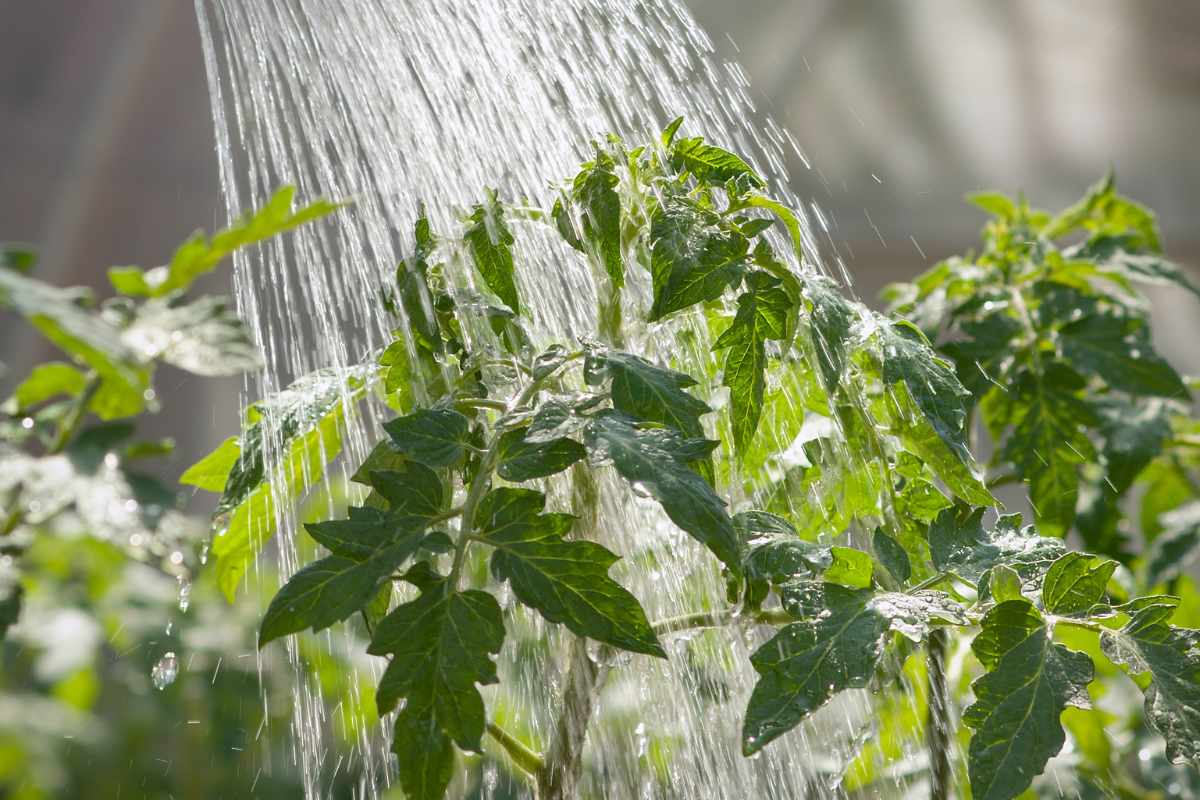
When soil stays constantly wet, roots can’t breathe, leading to root rot and yellowing leaves.
Fix: Allow the soil to dry between waterings, ensure pots have drainage holes, and use well-aerated potting mixes.
2. Underwatering and Drought Stress
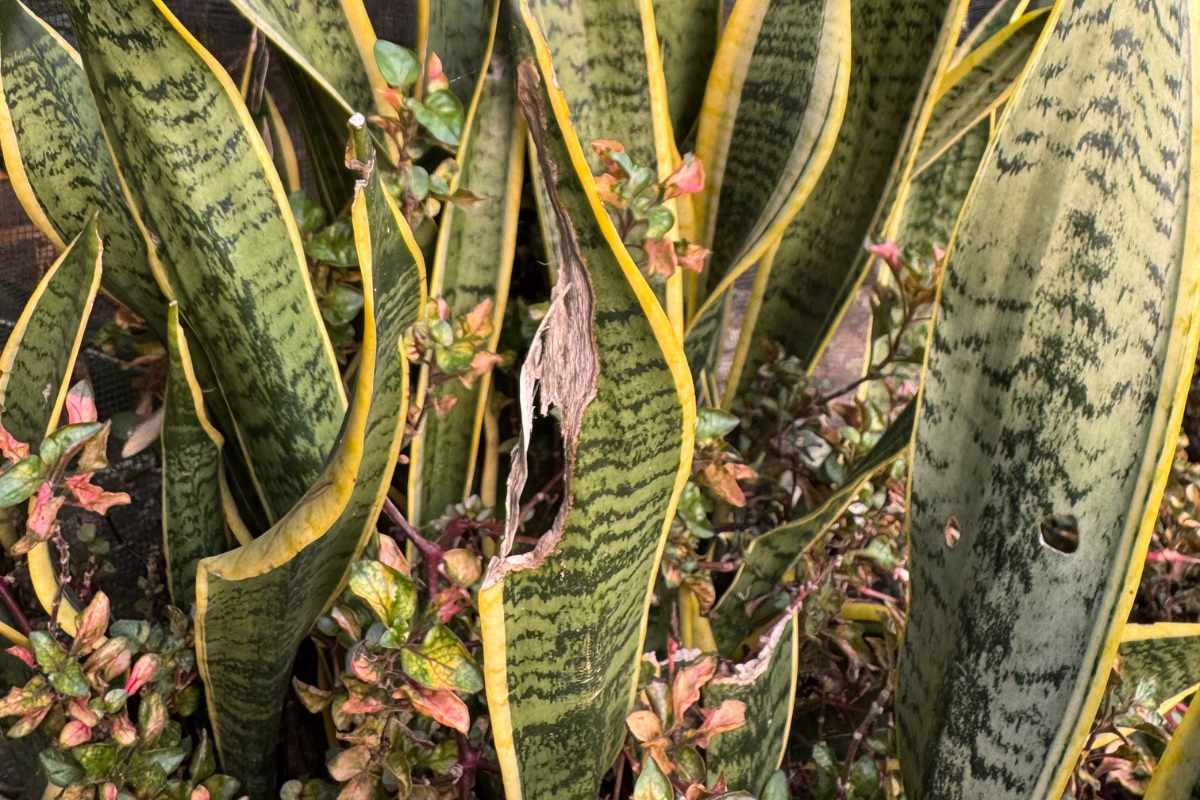
Leaves may yellow, curl, and develop dry, brown edges when plants don’t get enough water.
Fix: Water thoroughly when the top inch of soil is dry, making sure moisture reaches the root zone.
3. Water Quality Problems
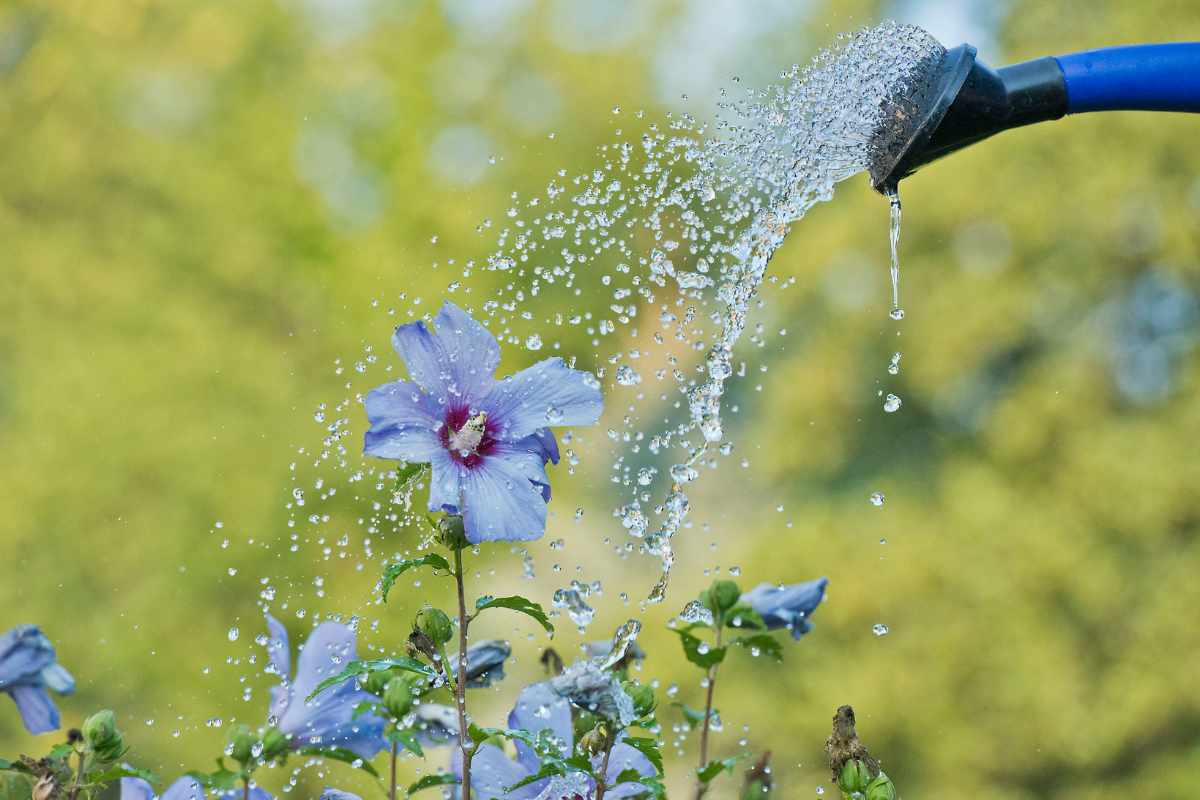
Hard water or tap water with chlorine and salts can cause leaf burn at the tips.
Fix: Use filtered, rain, or distilled water if possible. Flush the soil monthly to remove salt buildup.
Light and Temperature Stress
4. Too Little Light
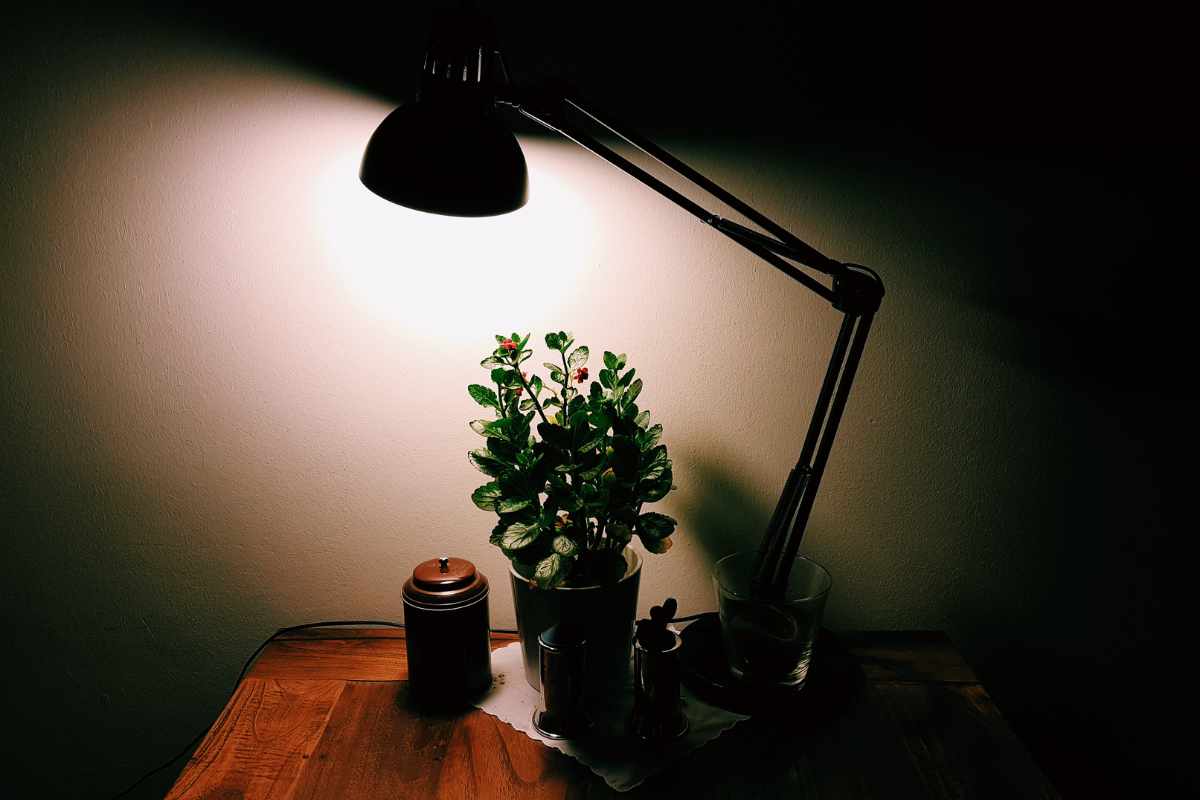
Plants kept in low light often develop pale, yellow leaves as photosynthesis slows down.
Fix: Move plants closer to a bright window or provide grow lights if natural light is limited.
5. Excessive Sunlight (Leaf Scorch)
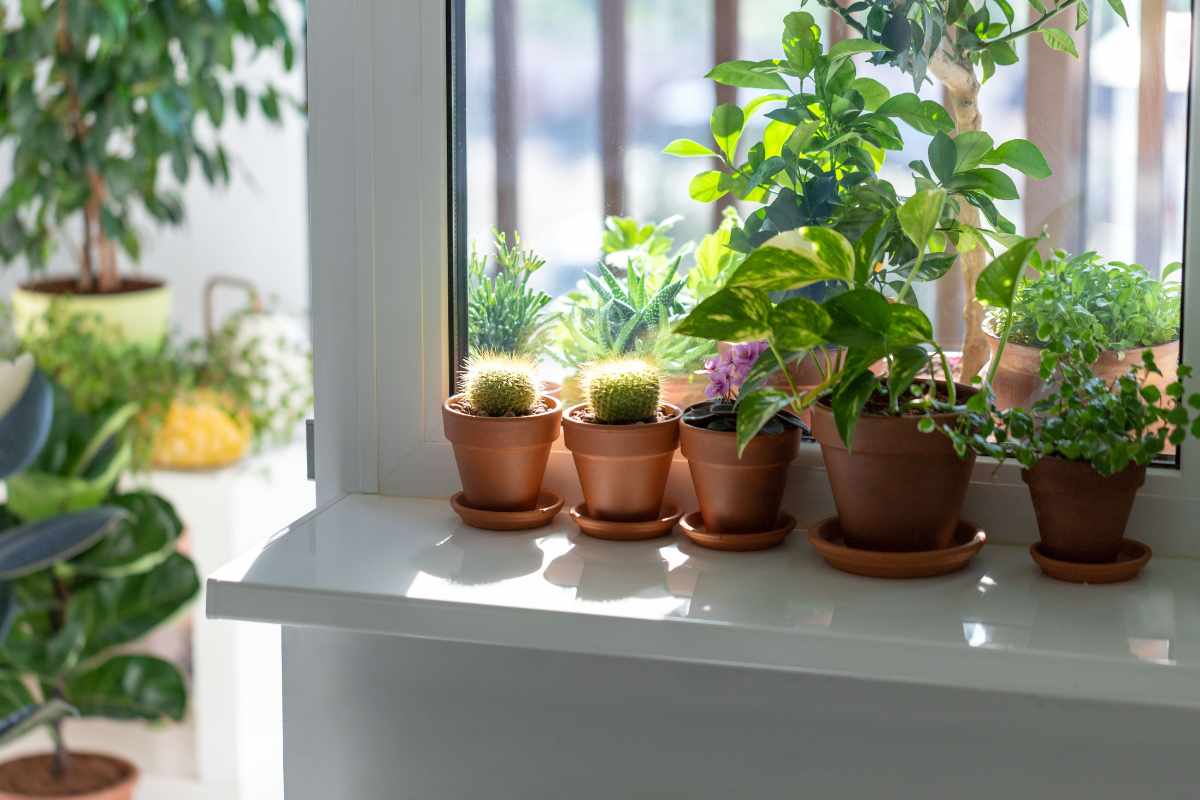
Direct, intense sunlight can scorch leaves, leaving brown, crispy patches.
Fix: Provide filtered light, sheer curtains, or reposition plants to avoid harsh midday sun.
6. Extreme Temperatures
Sudden drops in temperature or heat waves may cause stress, leading to leaf yellowing or burning.
Fix: Keep plants in stable environments, away from drafts, heaters, and air conditioners.
Nutrient and Soil Factors
7. Nitrogen or Other Nutrient Deficiencies
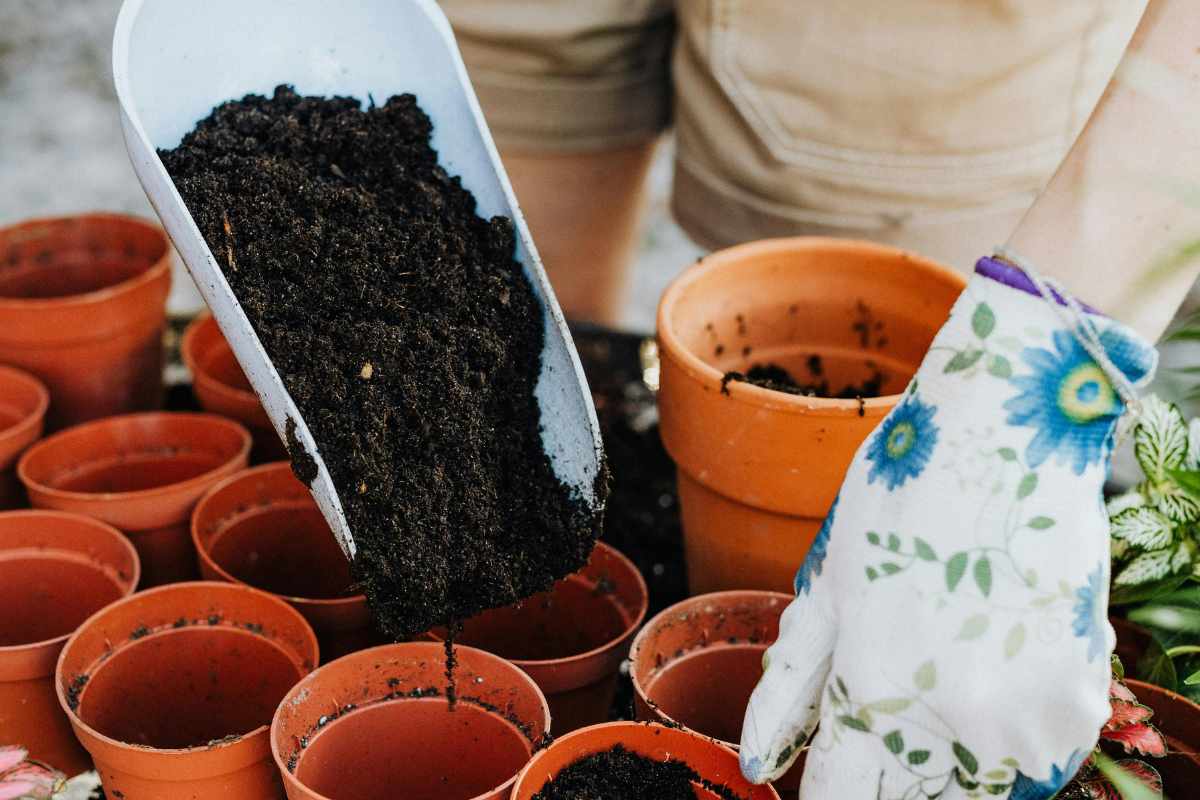
A lack of nitrogen often causes uniform yellowing in older leaves, while other deficiencies may create spots or discoloration.
Solution: Use a balanced fertilizer specifically designed for your plant type, following the recommended dilution rates.
8. Excess Fertilizer and Salt Buildup
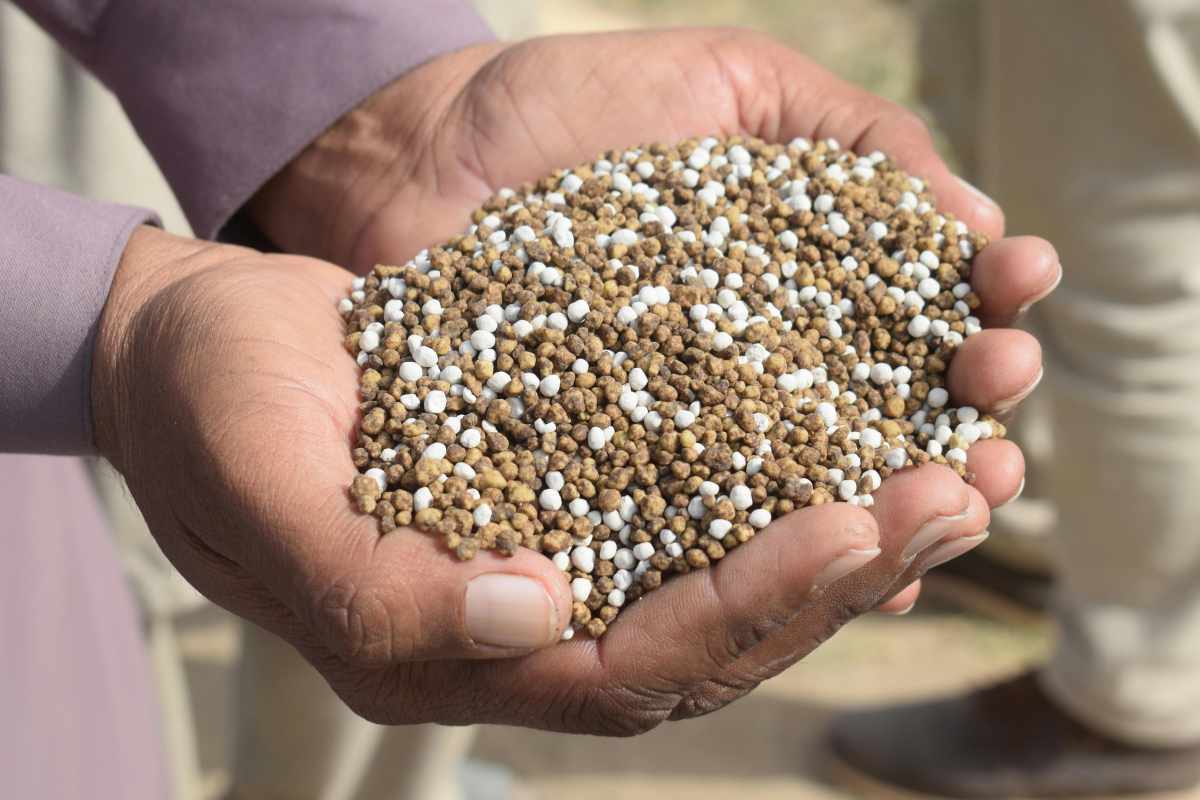
Overfertilization can burn roots and cause browning at the leaf edges.
Fix: Fertilize lightly and regularly (“weakly, weekly”) instead of heavy feedings. Flush soil to prevent salt accumulation.
9. Improper Soil pH
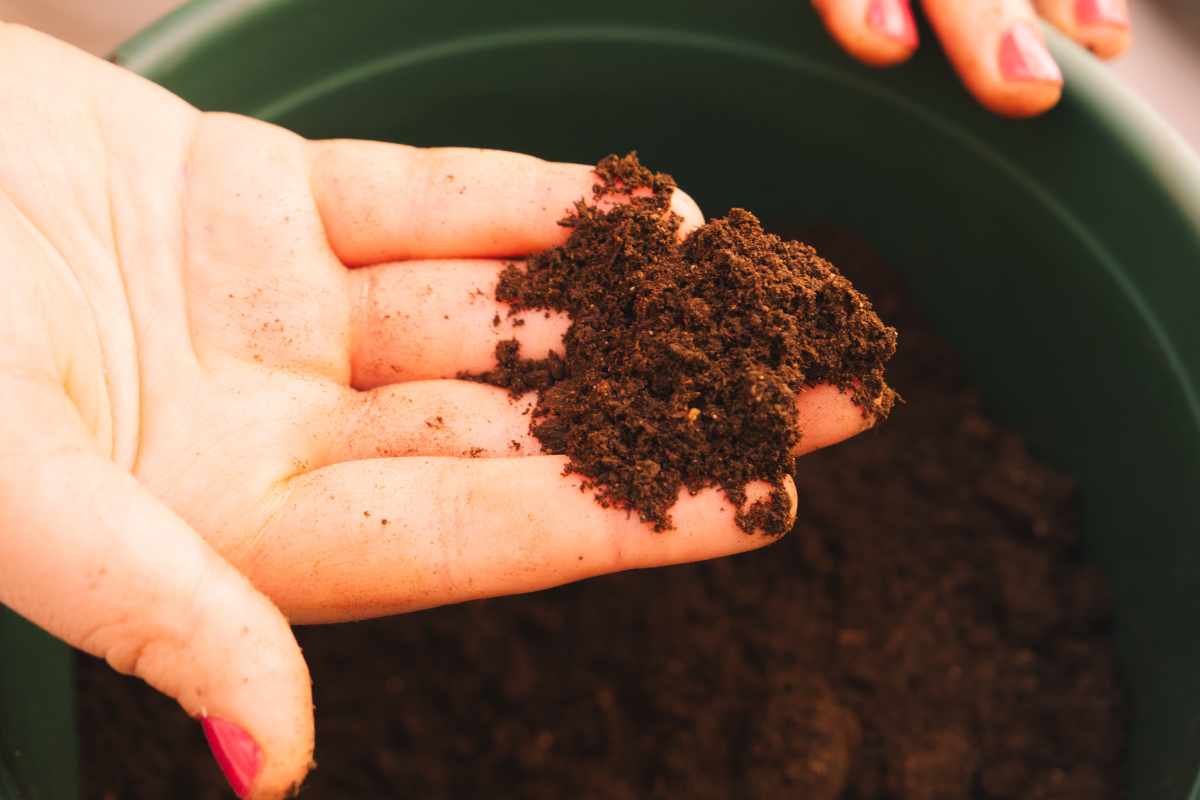
If the soil is too acidic or alkaline, nutrients become unavailable, leading to yellowing despite adequate feeding.
Fix: Test the soil pH and adjust it with lime (to raise the pH) or sulfur (to lower it) as needed.
Pests and Diseases
10. Insects, Fungi, or Bacterial Infections
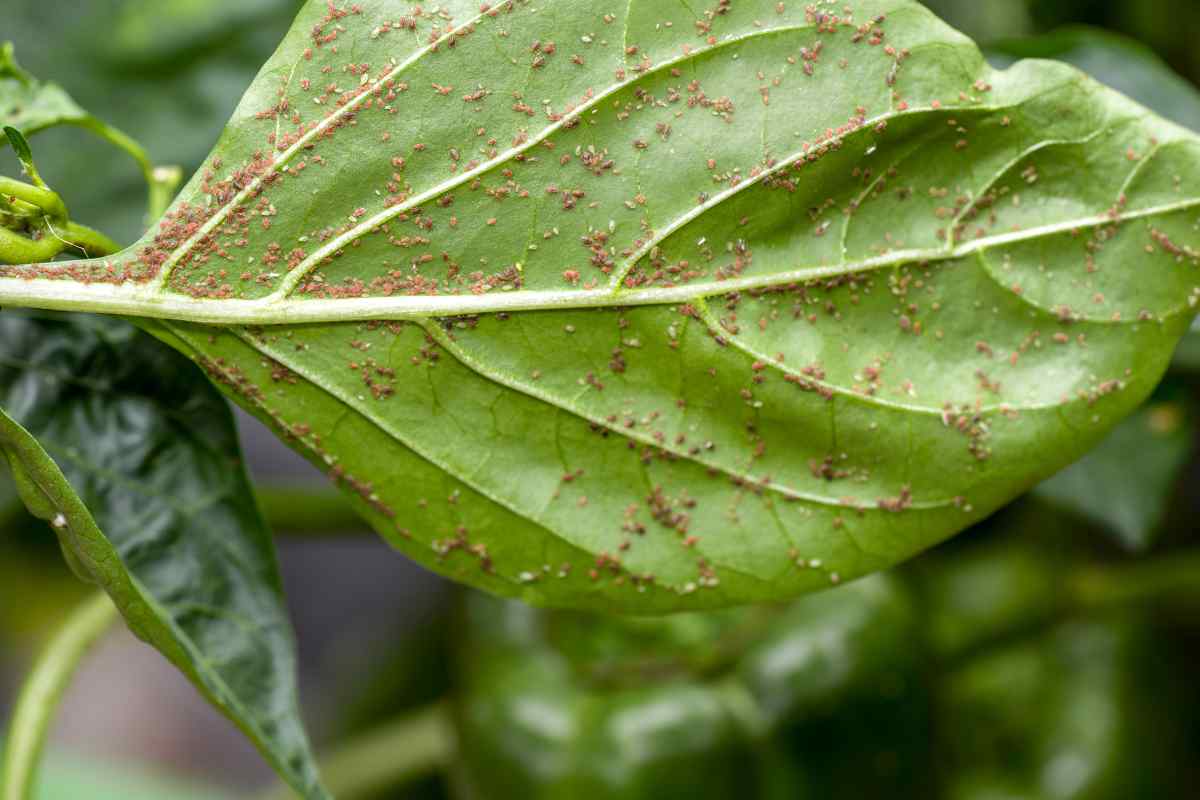
Spider mites, aphids, or fungal infections may leave yellow spots or burnt patches on leaves.
Fix: Inspect regularly. Remove affected leaves, isolate sick plants, and treat with insecticidal soap or fungicides when necessary.
Helping Your Plants Thrive Again
Leaf yellowing and burning can be alarming, but they’re also valuable clues.
By observing patterns—whether it’s watering habits, light exposure, or fertilization—you can quickly identify the cause and take action.
With small adjustments, your plants will bounce back, producing healthy green foliage once more.
Enjoy This Video Tutorial
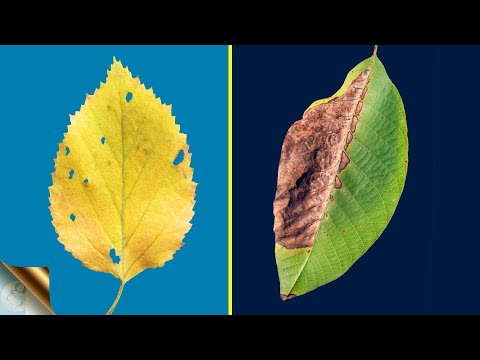
Source: GARDEN TIPS
Don’t forget to Subscribe to our Newsletter to receive amazing tips and tricks about Gardening and the FREE Ebook Green Living Strategies!
Did you find this post Useful or Inspiring? Save THIS PIN to your GARDENING Board on Pinterest! 😊

Once again, thank you for visiting our website!
We hope you've enjoyed exploring the content we've created for you.
Give yourself the chance to learn, get inspired, and have even more fun, keep browsing...
More Gardening Tips 👇🏼👇🏼