
What's Wrong With My Fiddle-leaf Fig?


If your fiddle leaf fig (Ficus lyrata) is showing signs like brown spots, yellow leaves, or drooping foliage, you may be wondering what’s wrong and how to fix it.
Fortunately, most issues are easy to diagnose and correct once you understand the causes.
In this guide, we’ll explore the common problems that affect fiddle leaf figs and how to remedy them.
Common Problems and How to Fix Them
1. Brown Spots on Leaves
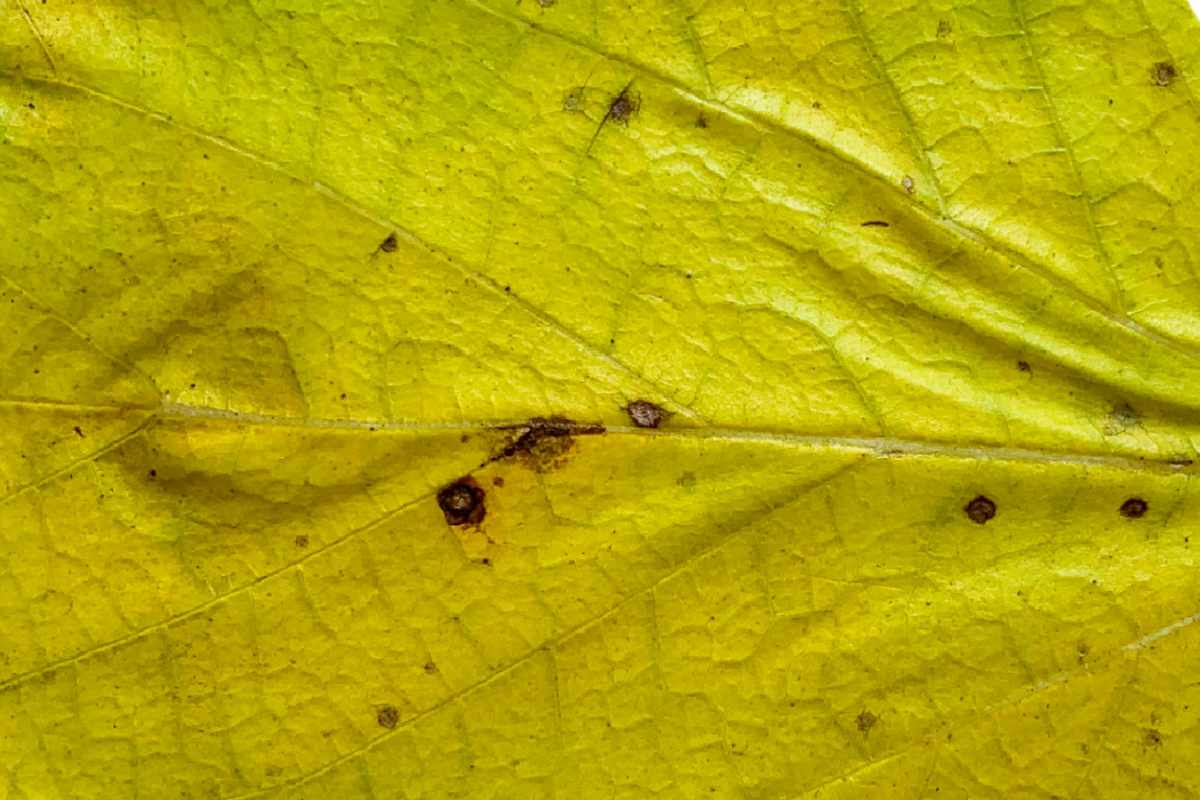
Brown spots on the leaves of your fiddle leaf fig are often caused by overwatering, which leads to root rot, or sunburn from direct sunlight exposure.
To fix this, ensure the top inch of the soil is dry before watering.
If the plant is getting too much sunlight, move it to a spot with bright, indirect light.
Avoid letting water sit in the pot’s saucer, as it can lead to waterlogged roots.
2. Yellowing Leaves
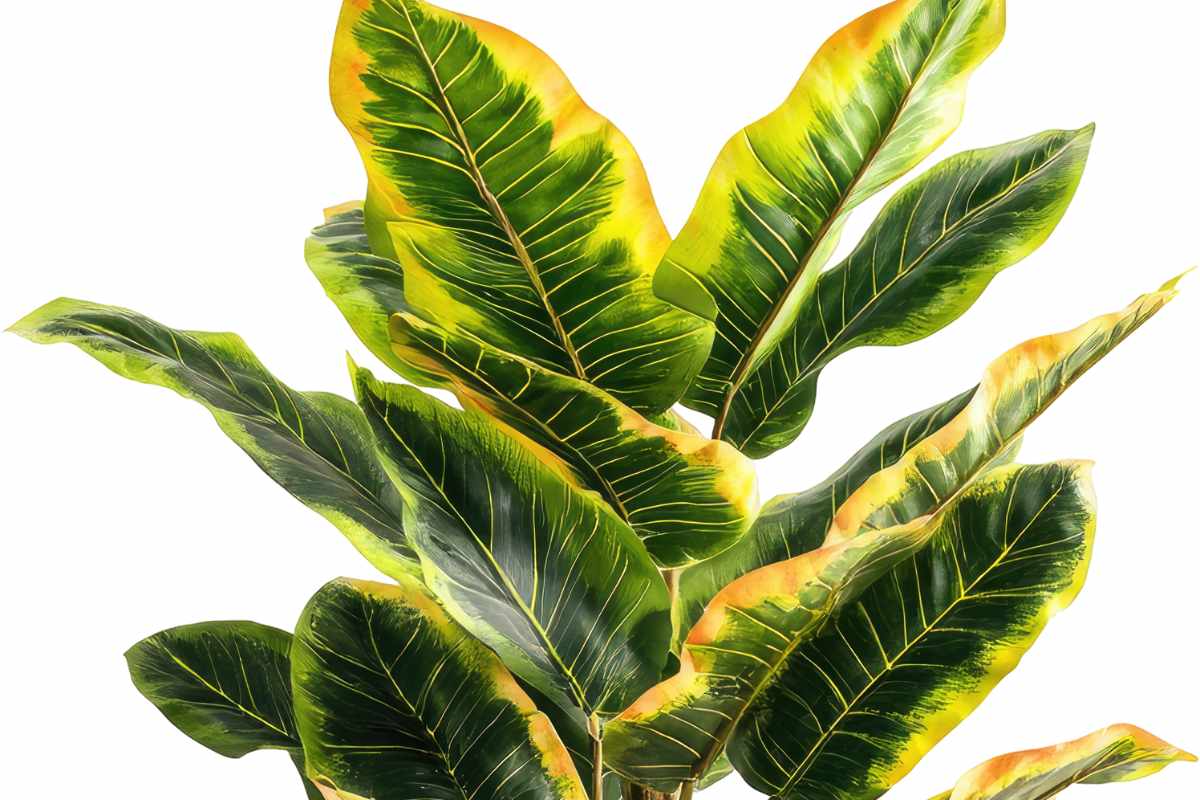
Yellowing leaves can be a sign of overwatering, insufficient light, or a nutrient deficiency.
If you’ve been watering too much, let the soil dry out before watering again.
Make sure the plant is getting enough bright, indirect light—fiddle leaf figs thrive in areas with lots of natural light.
A balanced fertilizer, especially during the growing season, can help replenish any lost nutrients.
3. Dropping Leaves
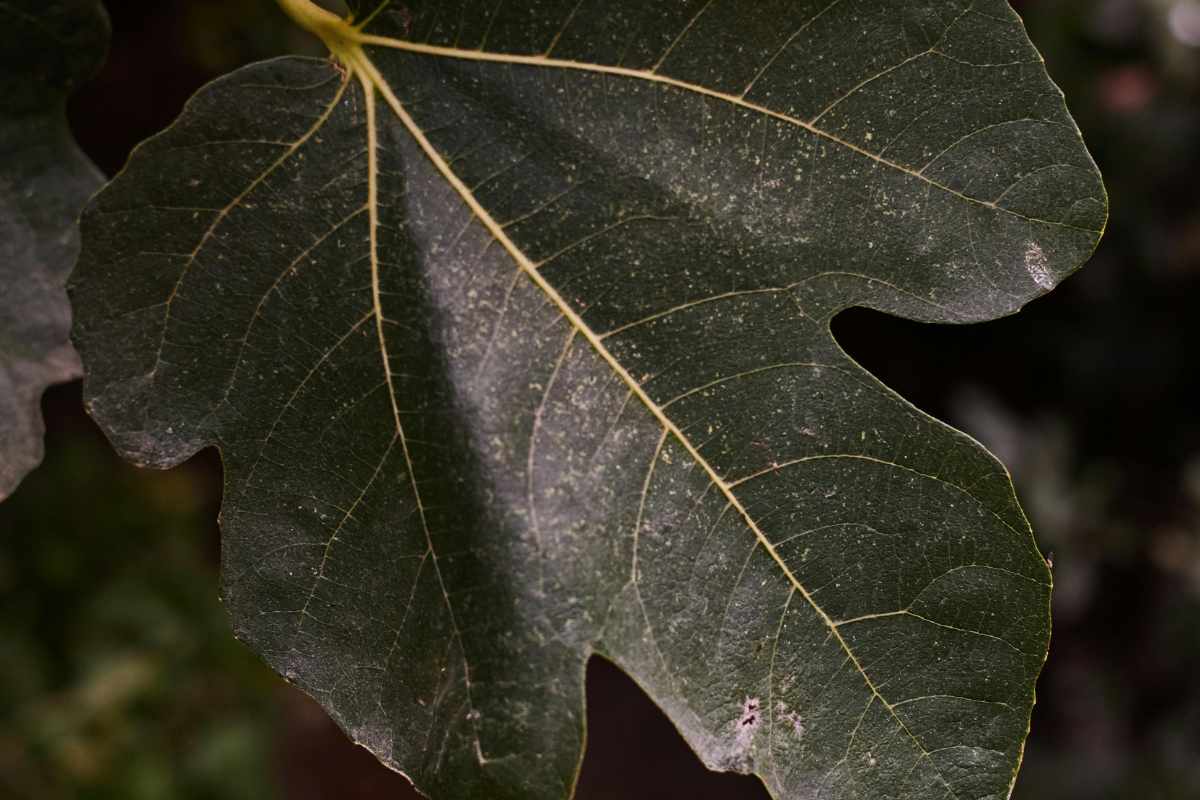
If your fiddle leaf fig is losing leaves, it may be due to overwatering, temperature fluctuations, or pests.
If the plant is too cold or placed near a draft, it can experience stress that causes leaf drop.
Ensure the temperature around your plant remains consistent and avoid placing it near vents or doors.
Additionally, inspect the leaves for any signs of pests, such as tiny holes or a sticky residue.
4. Crispy Edges on Leaves
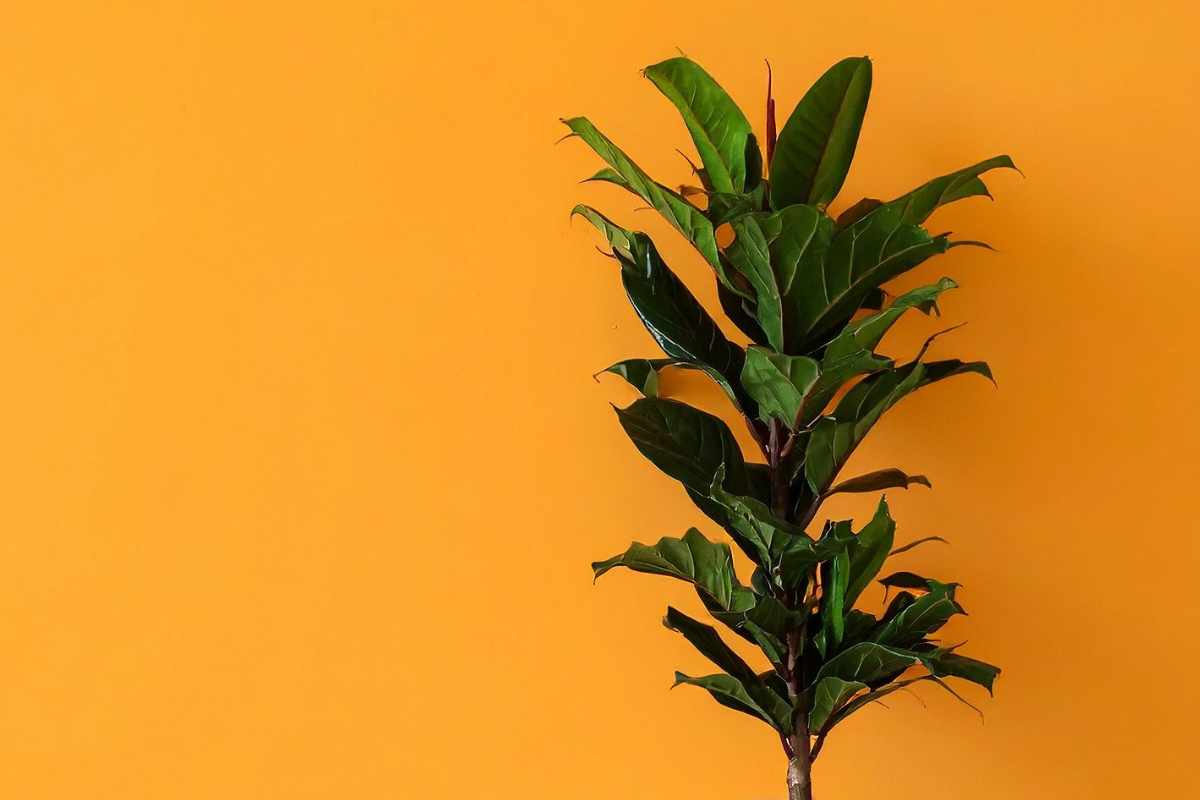
Crispy, brown edges on leaves are usually a sign of underwatering or low humidity.
If the soil has been allowed to dry out too much, the plant’s leaves can dry out as well.
To fix this, water the plant more frequently, but make sure to check that the soil drains properly.
Fiddle leaf figs also appreciate higher humidity, so consider placing a humidifier nearby or misting the leaves to keep the air moist.
5. Leggy Growth
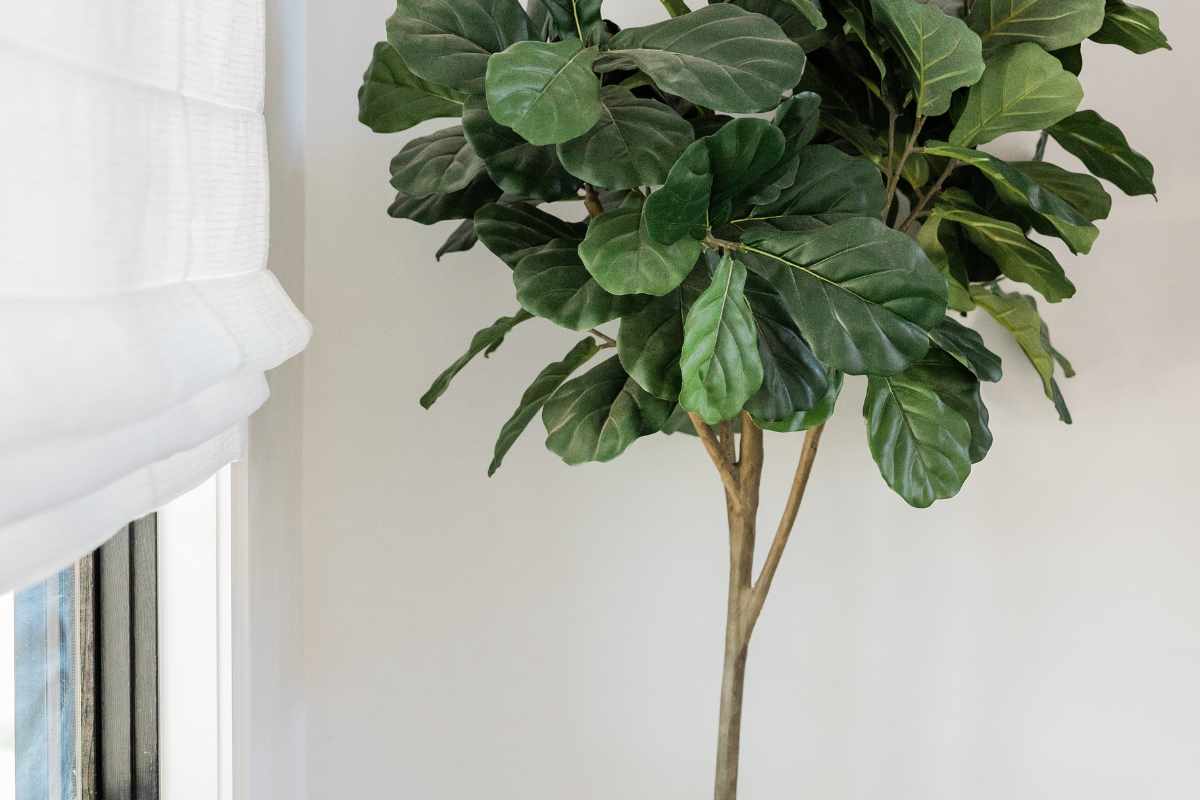
Leggy growth—where the plant has long, stretched-out stems with few leaves—occurs when the plant isn’t getting enough light.
Fiddle leaf figs need a lot of light to grow well.
If your plant is placed in a low-light area, consider moving it to a brighter spot where it can get at least 6 hours of indirect sunlight daily.
If natural light is limited, a grow light can be a great solution to encourage healthier growth.
6. Root Rot
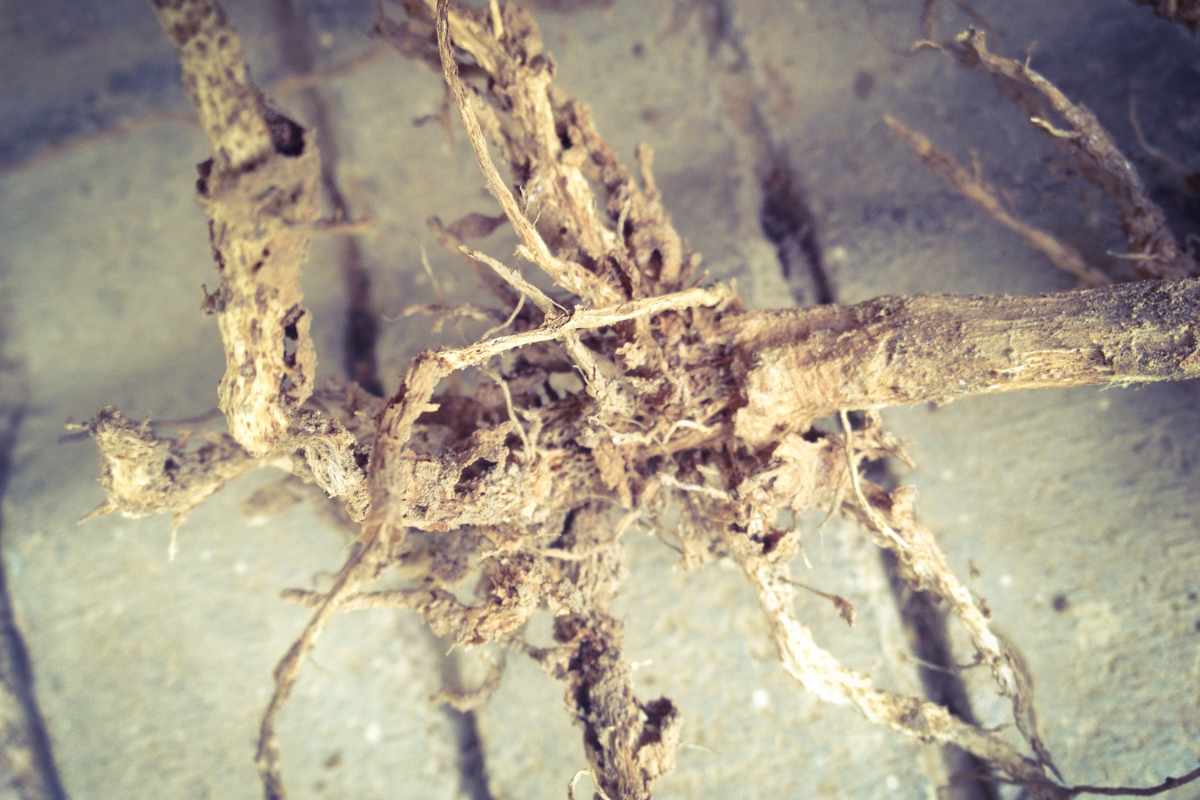
If your fiddle leaf fig has mushy, dark roots or if the plant is wilting despite being watered regularly, root rot may be the cause.
Overwatering is the leading factor in root rot, so it’s important to allow the top layer of soil to dry out before watering again.
To fix root rot, gently remove the plant from its pot, trim any rotting roots, and repot it into fresh, well-draining soil.
7. Bacterial Leaf Spot
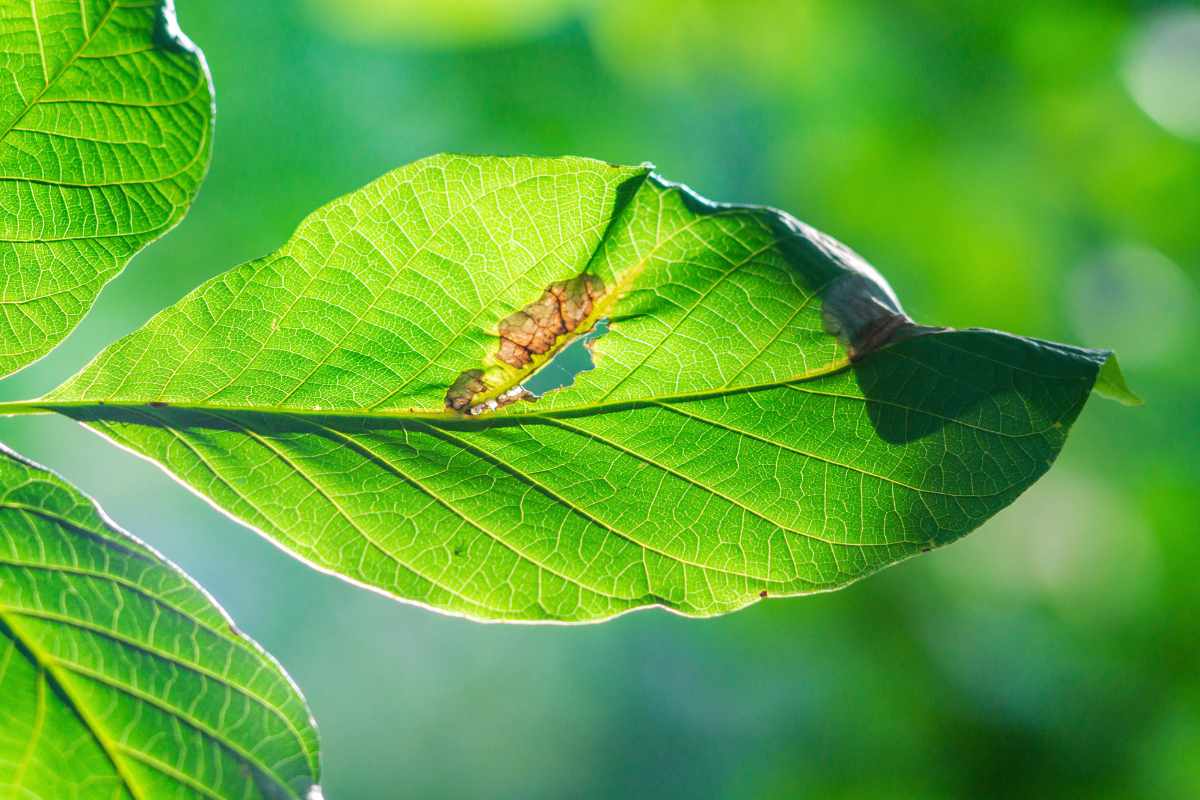
Bacterial leaf spot is another issue that can cause your fiddle leaf fig to have brown or yellow spots.
This condition is often caused by moisture on the leaves, which creates an environment conducive to bacterial growth.
If you suspect bacterial leaf spot, remove the affected leaves and avoid watering the plant overhead.
Also, make sure the plant has good airflow around it to prevent further spread of the infection.
General Care Tips
Watering: Allow the soil to dry out a bit before watering again. Only water when the top inch of soil feels dry to the touch. Always use a pot with drainage to avoid waterlogging.
Light: Fiddle leaf figs need bright, indirect light. Avoid placing them in direct sunlight, as this can cause leaf burn.
Humidity: These plants thrive in higher humidity. If the air in your home is dry, consider using a humidifier or placing the plant on a tray with pebbles and water to increase moisture levels.
Fertilizing: Use a balanced fertilizer during the growing season to promote healthy growth.
When to Seek Professional Help
If your fiddle leaf fig continues to show signs of distress despite following these tips, it may be time to consult an expert.
Sometimes, deeper issues require professional attention to ensure your plant’s recovery.
Enjoy This Video Tutorial

Source: Fiddle Leaf Fig Plant Resource Center
Don’t forget to Subscribe to our Newsletter to receive amazing tips and tricks about Gardening and the FREE Ebook Green Living Strategies!
Did you find this post Useful or Inspiring? Save THIS PIN to your GARDENING Board on Pinterest! 😊

Once again, thank you for visiting our website!
We hope you've enjoyed exploring the content we've created for you.
Give yourself the chance to learn, get inspired, and have even more fun, keep browsing...
More Gardening Tips 👇🏼👇🏼