
- Urbaki Home
- Decor
- Interior Decorating
- 5 Easy Ways to Carve Out a Dining Area in a Small Space
5 Easy Ways to Carve Out a Dining Area in a Small Space

12/07/2021 · Updated on: 09/02/2026

Living small doesn’t mean giving up on sit-down meals. With a few intentional choices, you can turn a corner into a comfortable, good-looking dining nook that works every day and expands when friends drop by.
Below you’ll find renter-friendly, budget-aware ideas—each with how to do it, why it works, and easy variations so you can adapt them to your layout and style.
What you’ll take away
Space-saving layouts that preserve flow
Zoning tricks using light, color, and texture
Multifunctional furniture that earns its footprint
1) Claim an Underused Corner
How to do it: Slide in a compact round table and two armless chairs. Favor a pedestal base so knees don’t collide. If you host occasionally, replace one chair with a slim bench against the wall.
Why it works: Round silhouettes soften tight spots and keep circulation smooth. A pedestal maximizes legroom and helps the area feel intentional, not leftover.
Proportions that help:
Table diameter for two: 60–75 cm (24–30 in)
Table diameter for two to three: 80–90 cm (31–35 in)
Minimum walkway around chairs: 75–90 cm (30–36 in)
Variations: In a studio, float the sofa a few inches off the wall to open a corner behind it—a micro-dining zone appears without crowding your living area.
 2) Blend With Textiles So It Feels Part of the Room
How to do it: Layer a flat-weave rug under the table, add seat pads for comfort, and echo one texture elsewhere (linen, bouclé, leather) to tie the vignette to your living space.
Why it works: Repeating textures and tones creates visual continuity, so the nook reads as a designed zone rather than a random add-on.
Proportions that help:
Rug width: table diameter plus 50–60 cm (20–24 in) on all sides so chairs glide without catching.
Low-pile or flat-weave = easier pulls, fewer crumbs.
Variations: If rugs aren’t practical, use a runner on the table, a textured wall hanging, or seat cushions in the same palette to achieve the same visual “blend.”
3) Rearrange Before You Buy Anything
How to do it: Shop your home first. Shift the sofa, rotate the coffee table, and tape an outline of your target table size on the floor to test movement. Try nesting side tables or a folding console as a temporary dining surface to prove the layout before investing.
Why it works: Minor tweaks often free up a corner and reveal natural pathways. Testing with tape saves money and prevents returns.
Proportions that help: Keep at least 90 cm (36 in) clear from the table edge to the nearest obstruction in your main traffic path.
Variations: In a rental with limited outlets, choose a plug-in floor lamp or swagged pendant (see lighting tips below) instead of hardwired fixtures.
 4) Style It Like It Matters
How to do it: Add one statement element—a compact pendant, a mini gallery, or a sculptural centerpiece—and keep everything else calm.
Why it works: A single focal point delivers intentional design without visual clutter. Mirrors also bounce light and make tight areas feel wider.
Balance rule: If the light is bold, choose a simple, neutral tabletop; if the table has color or grain, go for subtle lighting. This contrast keeps small spaces from feeling busy.
Variations: Install a narrow picture ledge as rotating art storage; it doubles as a perch for condiments when hosting.
5) Go Bistro for Maximum Flexibility
How to do it: Choose a bistro table you can move between kitchen and living areas. Pair it with stackable chairs or a wall-hugging bench.
Why it works: Small footprint, easy to relocate, and perfect for two—but expandable when you add a perch or stool.
Upgrade ideas:
Drop-leaf or extendable top for game night.
Wipeable finishes (sealed wood, laminate, metal) for low-stress cleanup.
Glides/felt pads so chairs slide smoothly on rugs or hard floors.
 Light, Color, and Texture: Your Zoning Toolkit
Lighting (sets the mood):
Hang a plug-in pendant centered over the table. Ideal hanging height: 70–85 cm (28–34 in) above the tabletop.
No ceiling hook? Swag the cord to the right spot and use adhesive cord clips to keep it tidy.
Color (frames the zone):
Paint a soft color block—a half-circle or rectangle—behind the table. This gives a “dining wall” effect without repainting the room.
Texture (adds comfort):
Use flat-weave rugs, linen runners, or bouclé seat pads to make lingering at the table feel inviting while keeping maintenance simple.
Why it works: Together, these elements create clear visual boundaries in open layouts, helping your eye identify the dining area at a glance.
 Storage That Doesn’t Eat Space
Bench with hidden storage: stash placemats, candles, or tabletop games.
Narrow vertical shelving: two small shelves stacked beat a bulky cabinet—same display impact, less floor space.
Bar cart on casters: rolls in for guests, parks in a closet after.
Bonus: A folding wall-mounted table becomes a breakfast bar by day and serving ledge at parties.
Hosting Without a Formal Dining Room
Preset a tray with cutlery, napkins, and water to keep the tabletop clear for plates.
Use nesting side tables as instant extensions for bread, salad, or dessert.
Keep a nearby “landing zone” (console or cart) for hot dishes and drinks.
Seat three by pairing two chairs + one bench; the bench tucks flush under the table afterward.
Maintenance That Makes Life Easier
Choose wipe-clean surfaces, washable cushion covers, and low-pile rugs. Add a thin table protector (stored under the sofa) to safeguard wood during weeknight meals or projects.
Establish a 30-second reset habit: push in chairs, wipe the top, and shake the rug—tiny routines keep tiny spaces feeling calm.
 Small-Space Dining, Big Impact
You don’t need a separate room to eat well and host beautifully. Start by claiming a corner, layer warm light and texture, and pick multifunctional pieces that stretch their duties.
With the right proportions and a few styling cues, your small home gains a real, everyday dining spot that feels intentional, welcoming, and ready for company whenever you are.
We hope you enjoy watching this video about small dining room solutions:
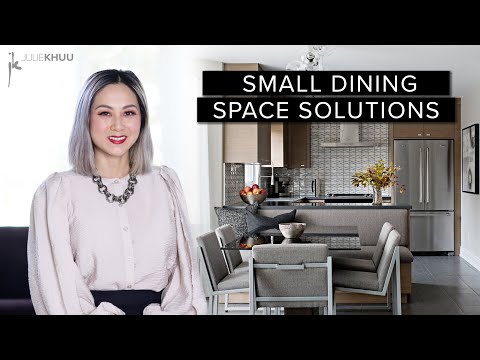
Source: Julie Khuu
Did you find this post useful or inspiring? Save THIS PIN to your HOME Board on Pinterest! 

Once again, thank you for visiting our website!
We hope you've enjoyed exploring the content we've created for you.
Give yourself the chance to learn, get inspired, and have even more fun, keep browsing...
I’m Olivia, a firm believer that a happy home is built on the perfect balance of style and function. From DIY weekend projects and deep-cleaning hacks to finding the best decor trends on a budget, I love sharing practical ways to make your living space truly yours. My goal is to help you turn your house into a sanctuary, one organized corner at a time.
More Home Tips 👇🏼👇🏼