
5 Sprinkler Repair Tips


5 Sprinkler Repair Tips that any homeowner can apply will keep your lawn green, your irrigation system efficient, and your budget intact.
Below we summarize key lessons from a helpful YouTube video by TriState Water Works and build on them with two extra ideas so you can save water and solve the most common problems fast.
1) Start With Simple Checks Before You Dig
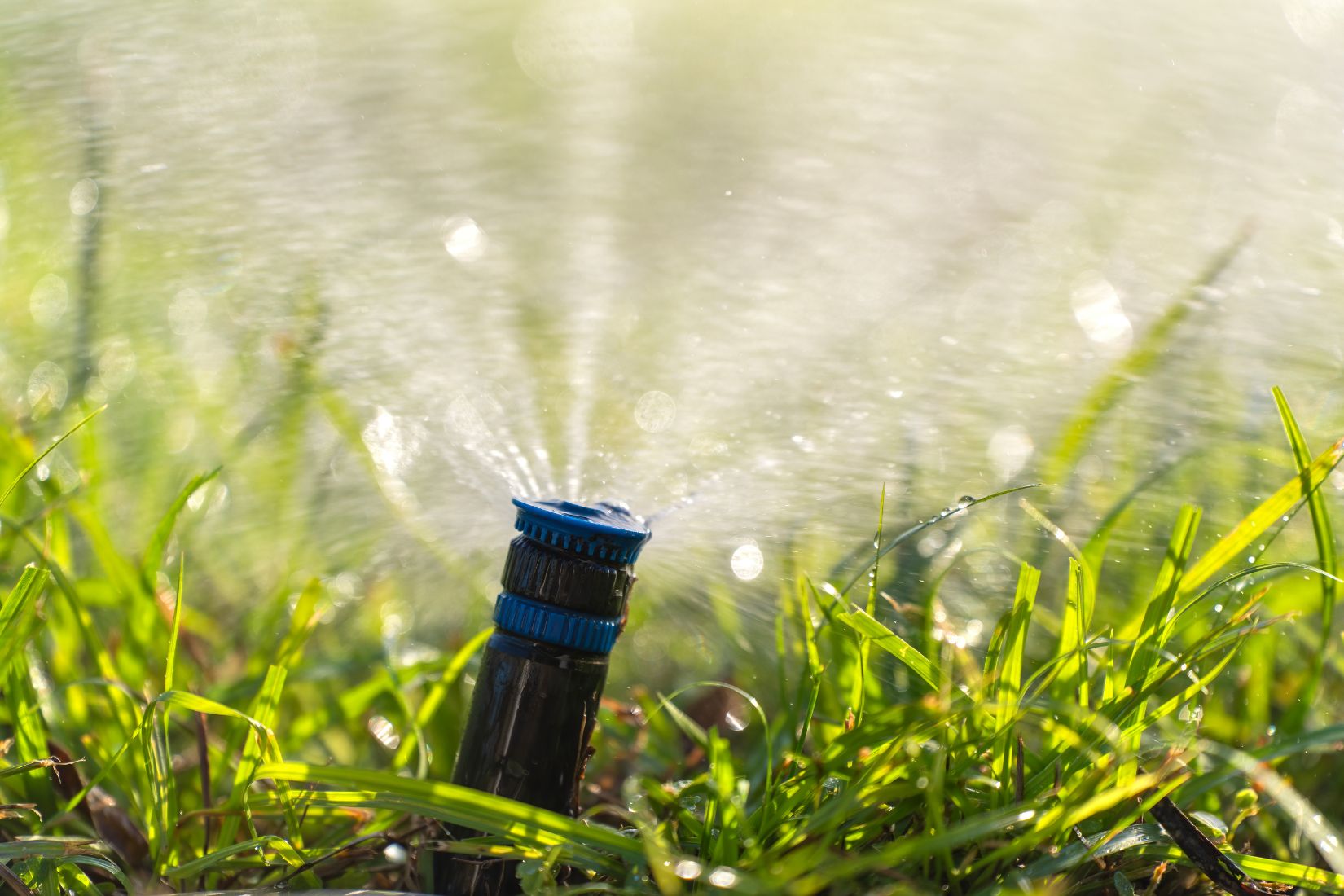 Most issues in a lawn sprinkler system come from easy-to-spot mistakes: closed valves, a controller set to “off,” or zones scheduled at the wrong times. A few minutes of basic inspection often reveals how to fix sprinkler issues without tools.
Walk the yard while a zone runs. Look for weak spray, overspray onto sidewalks, or pooling. These symptoms often point to clogged nozzles, tilted heads, or a leak upstream in the sprinkler system.
If pressure is low everywhere, check the backflow and the main shutoff. If one zone is weak, suspect that zone’s sprinkler valve or a partially blocked line.
2) Clean And Align Heads For Instant Gains
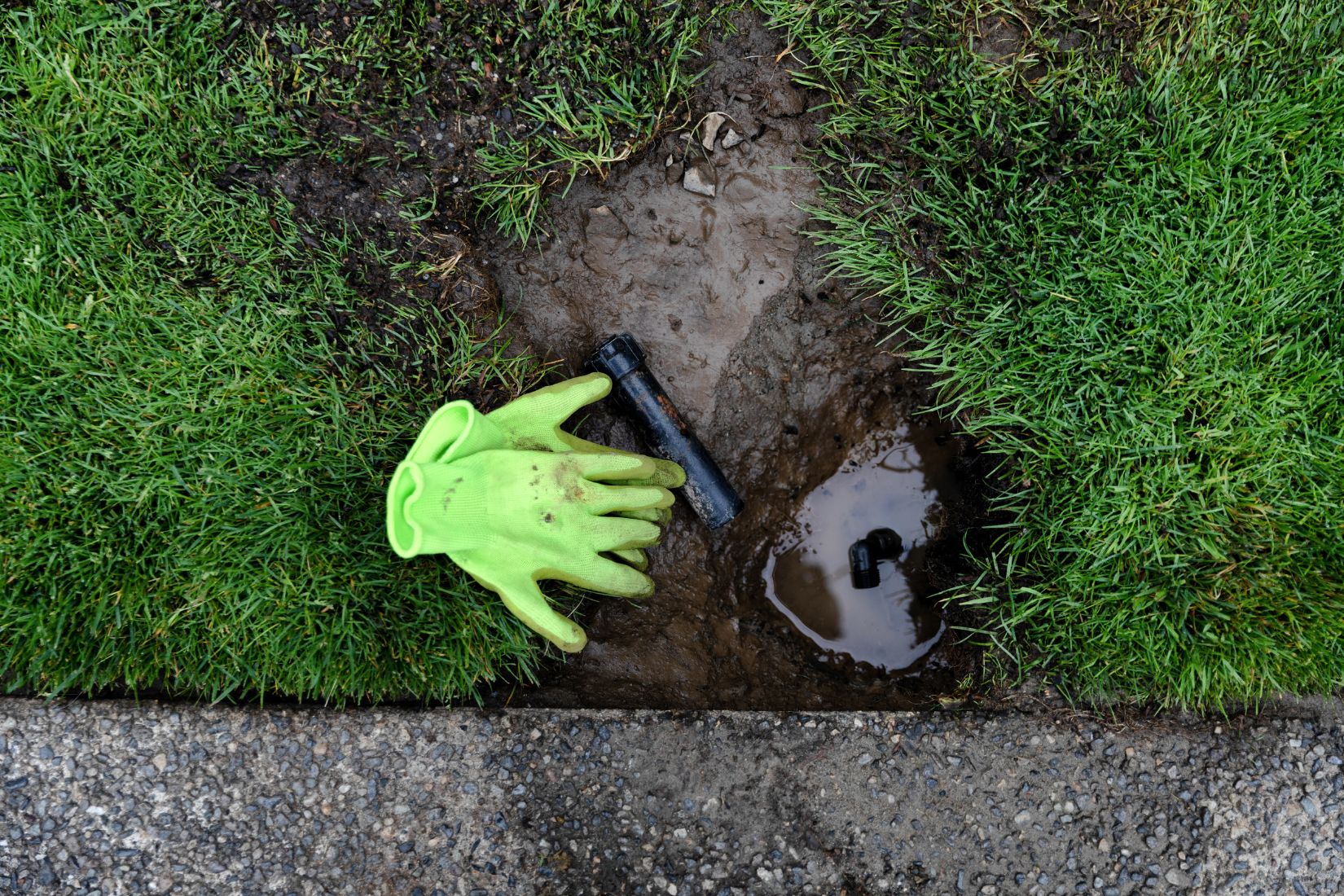 Dirty or crooked heads waste water and cause dry spots. Turn off the system, lift the riser, and clear debris from the nozzle screen. Re-seat the nozzle and align it so it waters plants—not pavement—to immediately save water.
If a head won’t pop up or is cracked, you’re in “repair or replace” territory. Use this as your quick sprinkler head repair guide: clean it first, test it second, then decide whether to swap parts or the entire head.
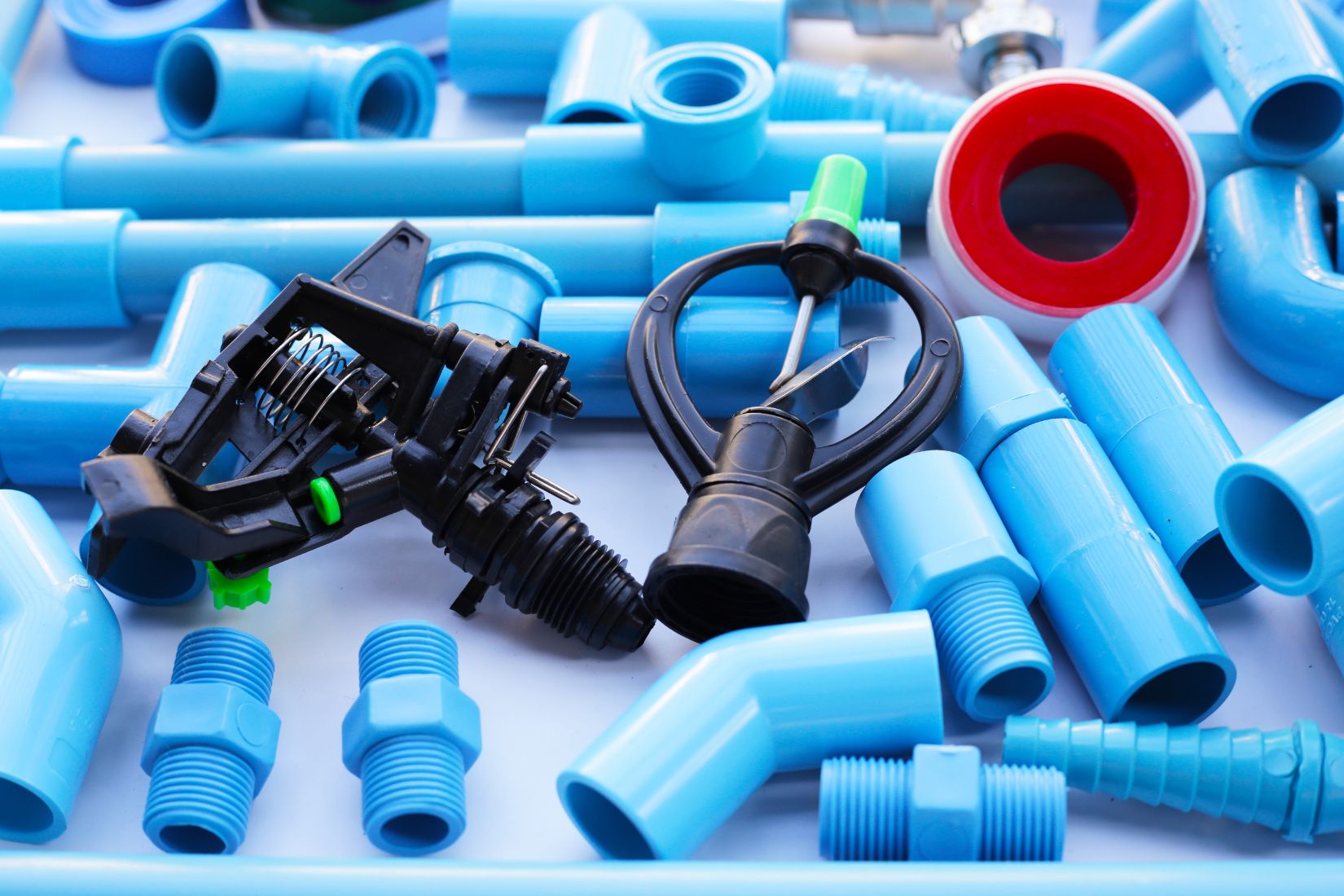
When replacement is needed, choose compatible sprinkler head repair parts (same brand/series if possible) to keep spray patterns consistent across the zone.
3) Diagnose Valves Methodically
 Valves control zone flow; when a zone won’t run—or won’t stop—suspect the diaphragm or solenoid. Gently cycle the controller, listen for clicks, and test wiring. Many “mystery” leaks come from valves that don’t fully close.
If you’re new to valves, treat video demos as guidance—not a substitute for local codes. The idea is to identify the likely fault, then decide whether DIY sprinkler repair makes sense or it’s time to call a pro.
Remember, healthy valves support consistent pressure at every head, which protects your turf and keeps lawn sprinklers performing as designed.
4) Replace Damaged Heads The Right Way
 When a head is broken or too low, replace it with the same type and nozzle size so coverage remains even.
If you’re hunting for sprinkler head replacement instructions, think “match, level, test”: match the part, set the new head level with the soil, then test the arc and throw.
For readers wondering how to change an inground sprinkler head, the safe approach is to dig a neat, shallow donut around the head, unscrew it from the riser, and swap it without letting soil enter the line.
That simple workflow also answers how to replace sprinkler head in ground while minimizing mess.
After replacement, flush the line briefly before installing the nozzle, then fine-tune alignment to stop overspray and save water.
5) Audit Coverage And Update Nozzles
 Even coverage is the heart of a healthy irrigation system. Mismatched nozzles or tilted heads create stripes, soggy corners, and wasted water.
Periodically run each zone and note weak or overlapping spots, then choose matched-precipitation nozzles to balance the pattern.
This step is often skipped, yet it’s the best way to squeeze more performance from your existing hardware without a full redesign of the lawn sprinkler system.
When you do change nozzles, keep a simple map so future troubleshooting is easier. That makes it clearer how to fix sprinkler issues if coverage drifts over time.
What You’ll Learn From The Featured Video
 The YouTube video by TriState Water Works highlights the most common failures owners face and how to spot them early. It’s perfect if you want a quick, visual refresher on parts, symptoms, and when to escalate.
We intentionally do not replicate step-by-step instructions; instead, we explain the “why” behind the fixes so you can apply good judgment on site and stay within local regulations for your sprinkler system.
Use the clip as a confidence booster and then apply the five tips above to keep your lawn sprinklers efficient season after season.
Safety, Parts, And When To Call A Pro
Always shut off water and power before working, and avoid digging near utilities. Keep essential spares—nozzles, filters, a couple of risers, and compatible sprinkler head repair parts—so minor fixes don’t stall your weekend.
If valves hum but won’t open, wiring looks suspect, or you’re unsure about code compliance, contact a licensed technician. Some problems are inexpensive once properly diagnosed, especially around the sprinkler valve and manifold.
We hope you enjoy watching this video about the most common lawn sprinkler system repairs:

Source: TriState Water Works
Did you find this post useful or inspiring? Save THIS PIN to your HOME Board on Pinterest! 

Once again, thank you for visiting our website!
We hope you've enjoyed exploring the content we've created for you.
Give yourself the chance to learn, get inspired, and have even more fun, keep browsing...
More Home Tips 👇🏼👇🏼