
6 Home Design Tips Based on Your Dog's Personality


A stylish home and a happy dog can absolutely coexist. The key is to tailor your space to your pup’s quirks while keeping it practical and chic.
Below you’ll find personality-based ideas, smart material choices, and simple routines that protect your furniture, streamline cleaning, and make every room feel welcoming.
Throughout, we’ll lean on dog-friendly home principles, pet-proof design, and durable, easy-to-clean materials that stand up to paws, play, and daily life.
Start with Personality, Not Just Breed
Design choices work best when they reflect behavior. Think about your dog’s daily patterns and pick the advice that matches:
The High-Energy Explorer needs traction and defined play spots so zoomies don’t wreck your floors.
The Velcro Cuddler settles better with a cozy landing close to where you work or relax.
The Sensitive Soul benefits from calm, low-stimulus corners and softer acoustics.
The Chewer stays out of trouble when cables are hidden and tempting textures are swapped for sturdier finishes.
The Foodie & Mess Maker thrives with wipeable surfaces and splash-smart feeding stations.
The Outdoor Adventurer needs a mud-catching entry routine that keeps dirt at the door.
Focusing on behavior first ensures every design choice is functional, not just pretty.
 Choose Materials That Love Dogs (and Design)
Lean on durable, easy-to-clean materials to prevent stains and shorten cleanups. For upholstery, performance fabrics—solution-dyed acrylics, coated linens, and Crypton-style textiles—resist spills and odors while looking refined.
In high-traffic zones, prioritize tile, porcelain, sealed hardwood, microcement, or luxury vinyl plank; each offers resilience and quick maintenance.
Paint matters too: satin or semi-gloss in hallways and dining areas makes scuffs easy to wipe, while matte can stay in low-contact rooms.
For rugs, skip high-pile and choose flat-weave or washable designs; darker or heathered tones hide everyday wear without compromising style. These are the quiet heroes of a pet-proof design.
 Build Zones That Make Life Easier
Small, intentional zones create order and calm.
A mud zone by the most used entry concentrates the mess where you can manage it: a bench with closed baskets for towels, a hook rail for leashes and harnesses, and a tough mat to catch dirt.
If space allows, a utility sink or a collapsible rinse bucket near the door turns paw-washing into a two-minute task.
For meals, elevate bowls slightly on a tray or shallow boot mat and protect the wall behind with wipeable paint or a discreet panel; it looks polished and keeps splatter contained.
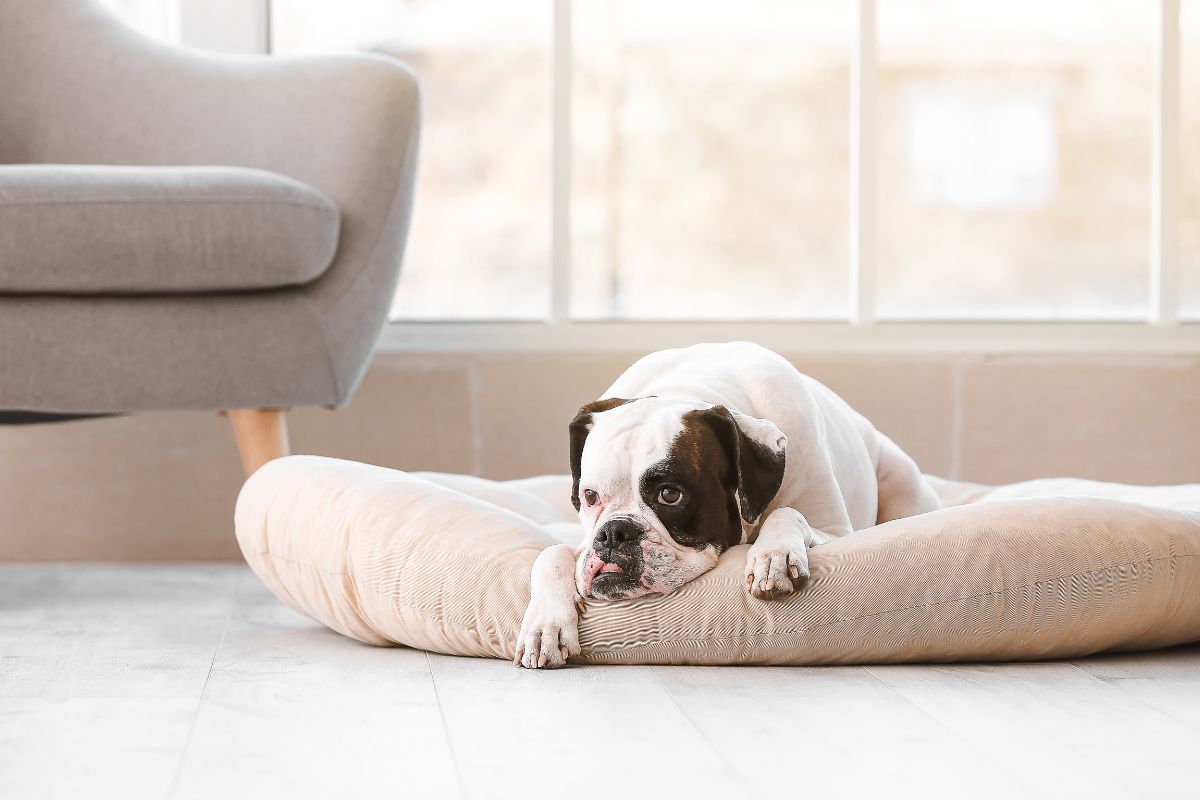
Near the sofa or desk, park a low bed or bench with a washable cover so your dog can stay close without taking over the cushions. These zones guide behavior gently and keep traffic flowing.
 Room-by-Room Tweaks That Pay Off
In the living room, combine comfort with control: a performance-fabric sofa, a sturdy coffee table, and a decorative tray to corral remotes and candles.
Keep an attractive toy basket within reach and rotate toys weekly to reduce boredom chewing.
In bedrooms, protect the mattress with a breathable waterproof cover and add a small step or bench if your dog jumps up; it reduces strain and prevents fabric snags.
Kitchens benefit from a washable runner in front of the sink—good for human feet and pet paws—and sealed canisters for food and treats that align with your cabinetry.
On balconies or patios, offer shade, a raised bed for airflow, and heavy bowls that won’t tip. Each tweak is small; together, they transform daily life.
 Calm, Enrichment, and Safety by Design
Well-being starts with a place to decompress. Create a quiet retreat—a crate nook with a breathable cover, a canopy bed in a low-traffic corner, or a spot shielded from windows and doorways.
Add soft lighting and a nearby chew or puzzle toy to encourage self-soothing. To reduce noise stress, layer sound-absorbing elements like heavier curtains, upholstered panels, or a large flat-weave rug.
Safety is just as important: hide cords in floor covers or cable boxes, choose furniture with metal or powder-coated bases instead of chewable rattan, and keep cleaning supplies and pantry items behind latches.
If you decorate with plants, opt for non-toxic varieties or place pots out of reach in sturdy, weighted planters. This is pet-proof design that supports behavior, not just blocks it.
 A Five-Minute Cleanup That Actually Works
Consistency beats marathon scrubbing. Keep a “quick kit” in a small caddy: lint roller, microfiber cloths, an enzymatic cleaner, and a hand broom or cordless vacuum.
After walks, blot paws in the mud zone; in the evening, do a two-minute sweep of high-traffic floors and a fast spot-wipe at the feeding station.
Washable throws and bed covers let you refresh textiles on a predictable cadence, and rotating duplicates means you never wait on laundry. These tiny routines make your dog-friendly home feel effortlessly tidy.
Styling Without Sacrifice
Pet-friendly can be beautiful. Coordinate your dog’s bed and throw with your palette—neutrals, tweeds, bouclé-look, or subtle patterns that camouflage fur.
Use framed art with glass or acrylic for easy wipe-downs, and style shelves with fewer, weightier objects to reduce temptation.
Where you want softness, rely on performance textiles; where you need strength, reach for metal hardware and stone or sealed wood surfaces. This approach keeps your signature look intact while quietly standing up to daily life with a pet.
 Bring It All Together with Intentional Layout
Traffic lanes matter for dogs as much as people. If your explorer loves to zoom, define a “runway” with non-slip runners down the main corridor and place the toy basket at the far end to draw energy away from delicate seating.
If you have a shadow dog, position their landing pad beside your desk or sofa so they can rest without crowding you.
For anxious pups, locate the calm corner away from exterior noise and foot traffic.
Layout choices are free design power—use them to guide behavior and protect finishes.
What to Read Next (and Why)
Round out your plan with know-how that pairs well: guides on organizing entryways, choosing washable rugs, and selecting performance upholstery will help you refine materials and maintenance.
If you enjoy DIY, look for simple plans for bench-with-storage mud zones and discreet wall panels behind feeding stations.
These ideas compound your wins and keep your home consistent from room to room.
 A Home That Wags Back
Design becomes effortless when it respects your dog’s personality.
By anchoring your plan in durable, easy-to-clean materials, mapping a few smart zones, and creating a calm retreat, you’ll spend less time cleaning and more time enjoying your space.
The result is a polished, dog-friendly home tailored to real life—beautiful to look at, easy to live in, and welcoming for every wag and nap.
If you tell me your dog’s top two behaviors, I can help you turn this framework into a simple three-step plan for your layout and palette.
Did you find this post useful or inspiring? Save THIS PIN to your HOME Board on Pinterest! 😊

Once again, thank you for visiting our website!
We hope you've enjoyed exploring the content we've created for you.
Give yourself the chance to learn, get inspired, and have even more fun, keep browsing...
More Home Tips 👇🏼👇🏼