
Cultural Rituals Around Home Protection and Blessings


In various cultures around the world, homes are more than just physical spaces—they are sanctuaries that hold deep emotional, spiritual, and cultural significance.
People have long sought ways to protect their homes from negative energy and invite positive blessings into their living spaces. These practices often involve rituals, symbols, and ceremonies passed down through generations.
In this article, we will explore the fascinating world of cultural rituals that aim to protect and bless the home, from ancient customs to modern-day traditions.
The Power of Rituals: Why Protection and Blessings Matter
Homes are where families gather, where memories are created, and where people spend a significant portion of their lives. Naturally, the desire to protect these sacred spaces from harm or misfortune is universal.
Cultural rituals often center on invoking positive energies and dispelling negativity to create an atmosphere of peace, love, and security. These practices are deeply rooted in beliefs about spirituality, good fortune, and protection from evil forces.
In many cultures, homes are seen as extensions of the self, and their well-being directly impacts the health and prosperity of the inhabitants.
Whether it's through the use of symbols, herbs, or ceremonial acts, these rituals serve to reinforce a sense of control and harmony within the home environment.
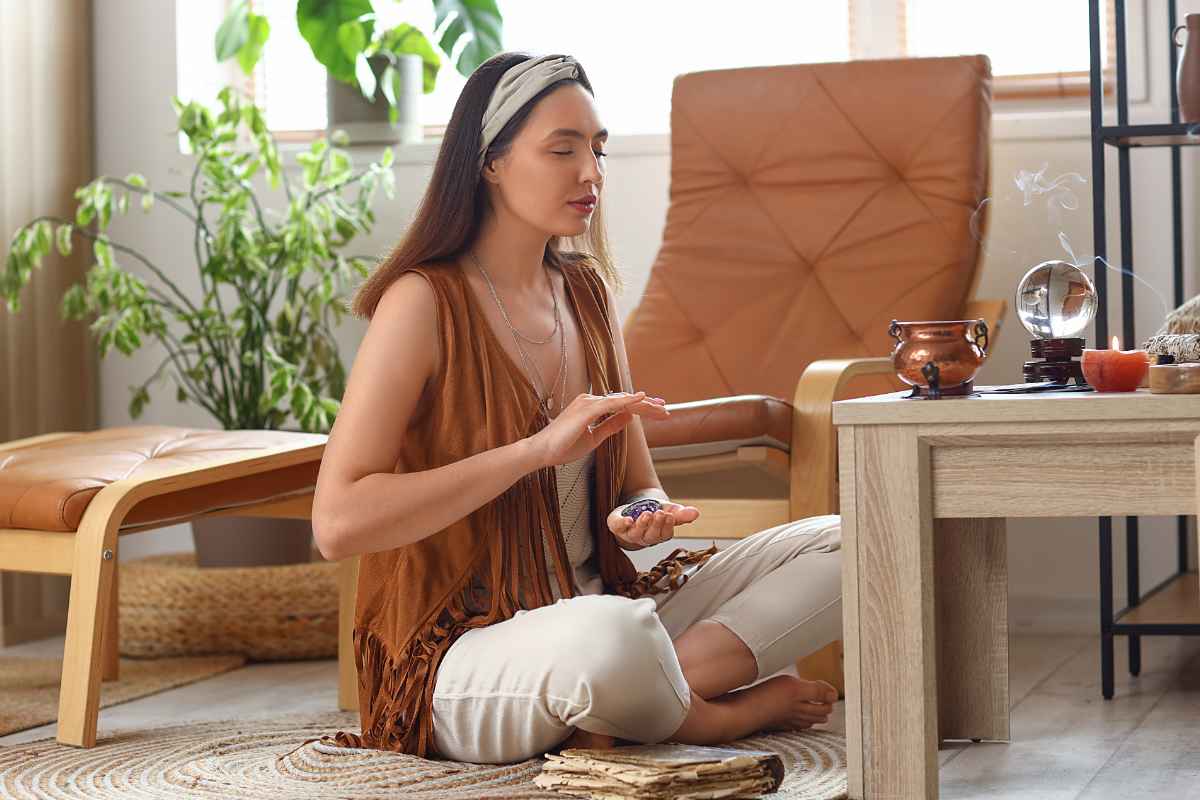
Home Protection Rituals in Different Cultures
1. Salt for Purification (Various Cultures)
One of the most common protective rituals involves the use of salt. Historically, salt has been regarded as a purifier, believed to absorb negative energies and cleanse spaces.
In many cultures, people sprinkle salt at doorways or windows to prevent evil spirits from entering and to protect the family.
In some traditions, salt is placed in the corners of the home, where it is thought to ward off bad influences and promote peace within the household.
In Hinduism, for instance, salt is often used in prayers and rituals to cleanse spaces of unwanted energies. Similarly, in Mexican culture, salt is used in ceremonies to remove the "evil eye" (mal de ojo) and protect loved ones from harmful forces.
2. The Horseshoe: A Symbol of Good Luck (Western Cultures)
In many parts of Europe and North America, the horseshoe is a well-known symbol of protection and good fortune. Traditionally, it was hung above doors or windows to ward off evil spirits and attract good luck into the home.
The horseshoe’s curved shape is believed to symbolize a protective shield, capturing positive energies while keeping harmful ones out.
There are also variations in how the horseshoe is displayed—some cultures recommend hanging it with the open end facing upward to "collect" good fortune, while others prefer it facing downward to let blessings "fall" upon the home.
In both cases, the horseshoe is a widely recognized symbol of protection and well-being.
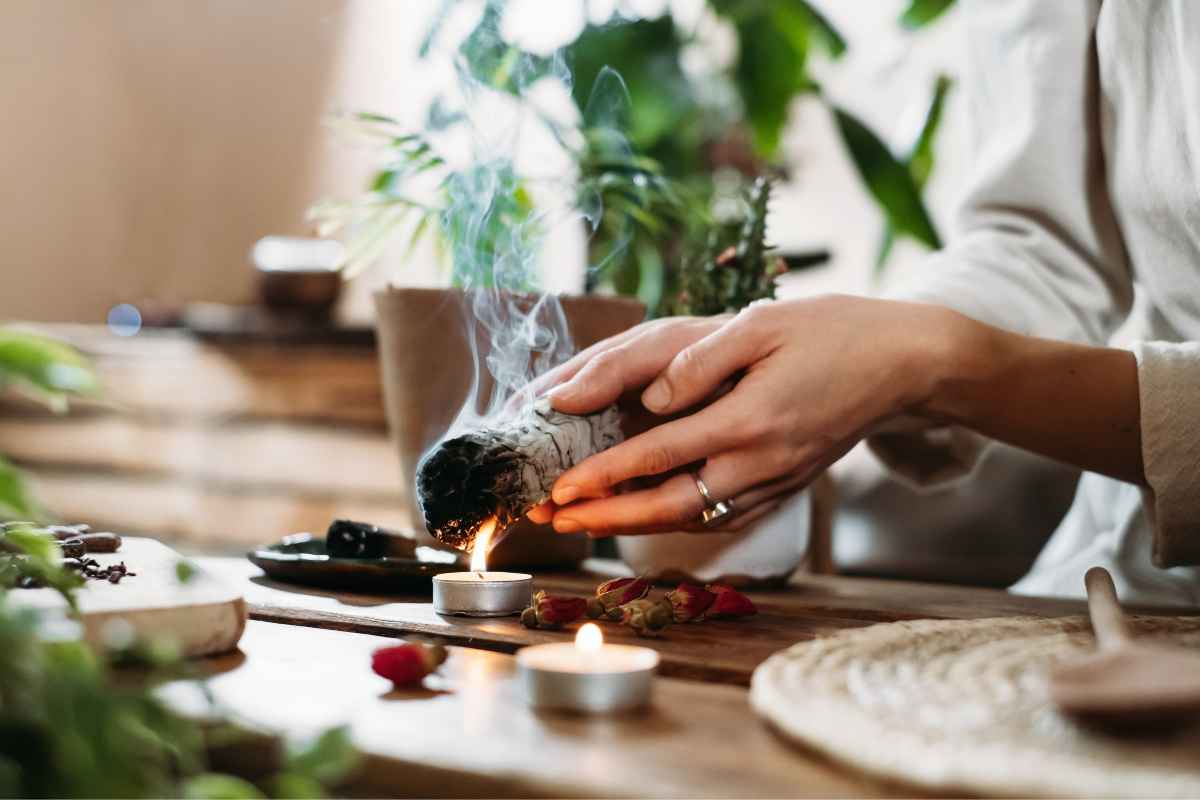
3. Burning Sage: A Ritual of Purification (Native American and Western Cultures)
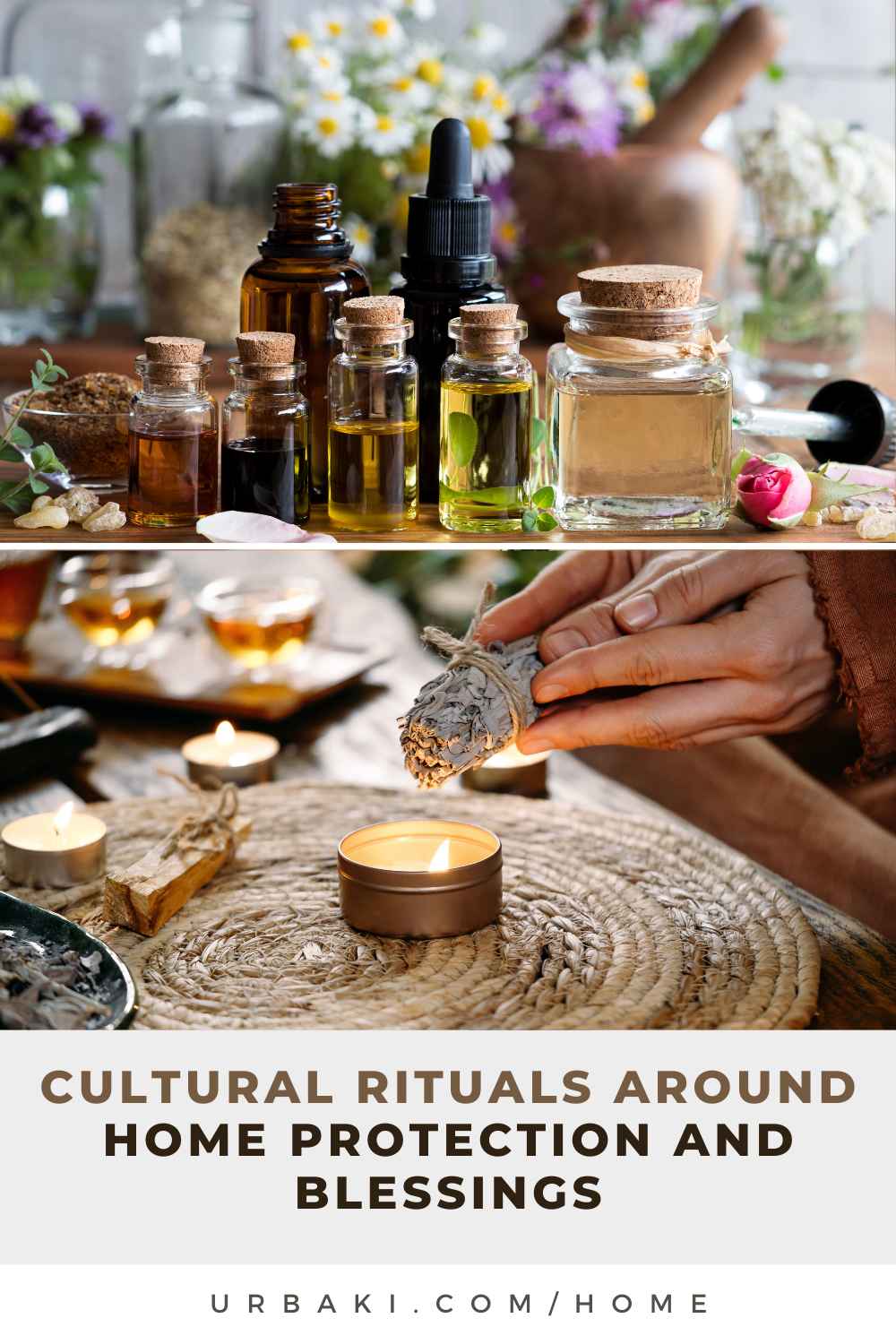
The practice of smudging—burning sacred herbs like sage—is a well-known purification ritual used to cleanse spaces and individuals of negative energy.
In Native American cultures, smudging is a deeply spiritual ceremony often performed in homes, as well as in sacred spaces. The smoke from burning sage is thought to purify the air, clear out emotional baggage, and bring balance to the environment.
This ritual has gained popularity in Western cultures as well, especially in the realm of wellness and spirituality.
Many people use sage or other herbs, such as cedar or sweetgrass, to cleanse their homes of bad spirits and to encourage positive energy to flow freely. Smudging is a form of energetic home protection that fosters a peaceful, balanced atmosphere.
4. The Evil Eye: A Mediterranean Tradition (Middle Eastern and Mediterranean Cultures)
The evil eye, a belief that jealousy and ill-wishing from others can cause harm, is a common concern in many Mediterranean, Middle Eastern, and South Asian cultures.
To protect homes from the curse of the evil eye, people display blue eye-shaped amulets known as nazar or evil eye charms in their homes.
The nazar is believed to reflect the harmful energies back to the sender, thus protecting the inhabitants from any ill intent or misfortune. It is often hung near entrances, windows, or above doors to shield the home from jealousy and misfortune.
These charms are seen not only as protective symbols but also as a reminder of the importance of kindness and positivity in the home.
Blessing the Home: Rituals for Prosperity and Happiness
In addition to rituals aimed at protection, many cultures also engage in ceremonies or symbolic acts to invite blessings, prosperity, and harmony into their homes. These practices help create an environment where good fortune and happiness can flourish.
1. House Blessing Ceremonies (Various Cultures)
Housewarming ceremonies and house blessings are time-honored rituals performed to celebrate the move into a new home.
In Jewish traditions, for example, it is common to place a mezuzah—a small parchment scroll inscribed with biblical verses—on the doorframe of the home. This act is a way of inviting divine protection and spiritual blessings into the household.
Similarly, in Christianity, some families invite a priest to bless their new home, asking for protection, peace, and divine favor to rest upon the family and their new living space.
These blessings can be seen as a way to affirm the sacredness of the home and to invoke spiritual safety for the occupants.
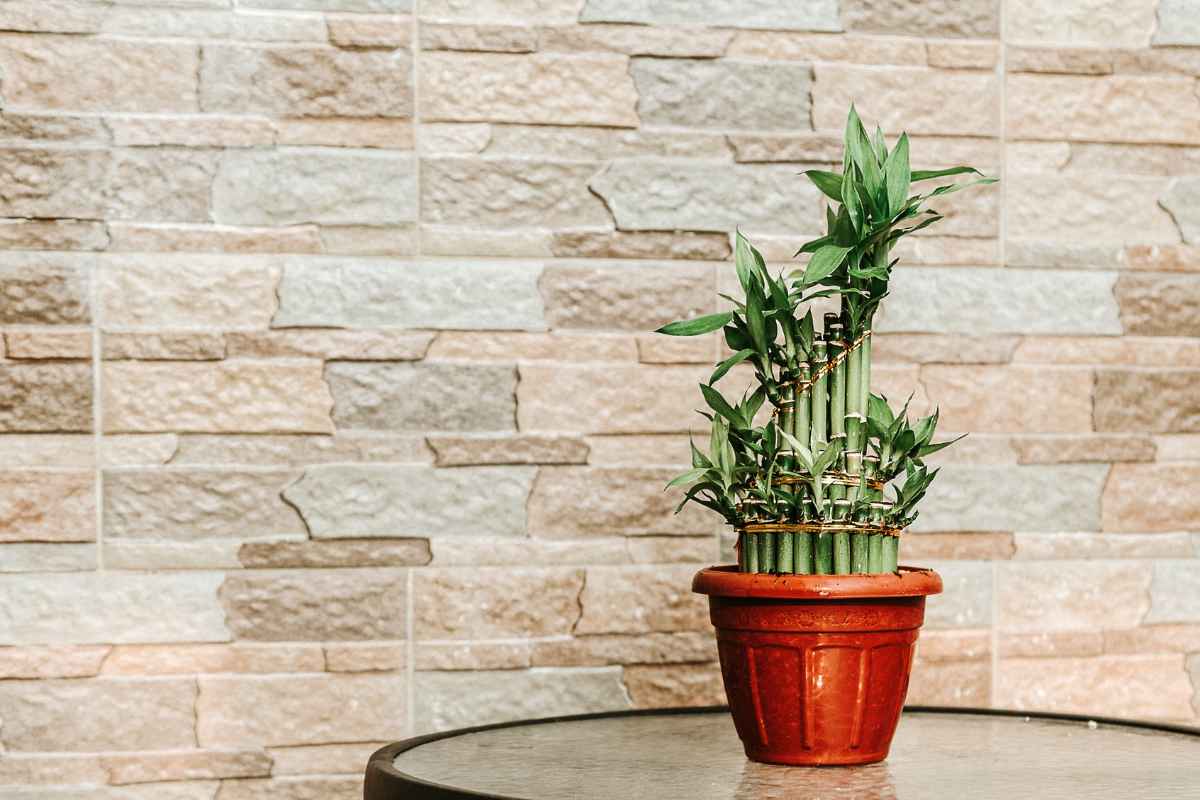
2. Bamboo Plants: Symbolizing Prosperity and Growth (Asian Cultures)
In many Asian cultures, particularly in Chinese and Japanese traditions, the lucky bamboo plant is considered a symbol of good fortune and prosperity.
It is often placed in the northeast or southeast corners of the home, which are believed to be associated with wealth and personal development according to Feng Shui principles.
The bamboo plant’s ability to thrive in low light and with minimal water is symbolic of resilience and growth, making it a fitting symbol of prosperity and blessings for the home.
Its presence is believed to invite positive energy and enhance the overall well-being of the household.
3. Water Features: Attracting Abundance (Feng Shui)
In Feng Shui, an ancient Chinese practice that focuses on harmonizing individuals with their environment, the presence of water features in the home is believed to bring prosperity, wealth, and positive energy.
Fountains, aquariums, and reflecting pools are commonly used in Feng Shui to encourage the flow of good fortune and abundance.
Water represents the flow of energy (chi), and having water elements in key areas of the home, such as the wealth corner or the main entrance, can help attract financial success and personal growth.
The sound of moving water is also thought to promote tranquility and balance within the home environment.
Modern-Day Rituals and Adaptations
While ancient cultural rituals continue to be practiced today, many modern households have adapted these traditions to fit their lifestyles and beliefs.
Home protection and blessing rituals now extend beyond spiritual practices and often incorporate elements of mindfulness, self-care, and wellness.
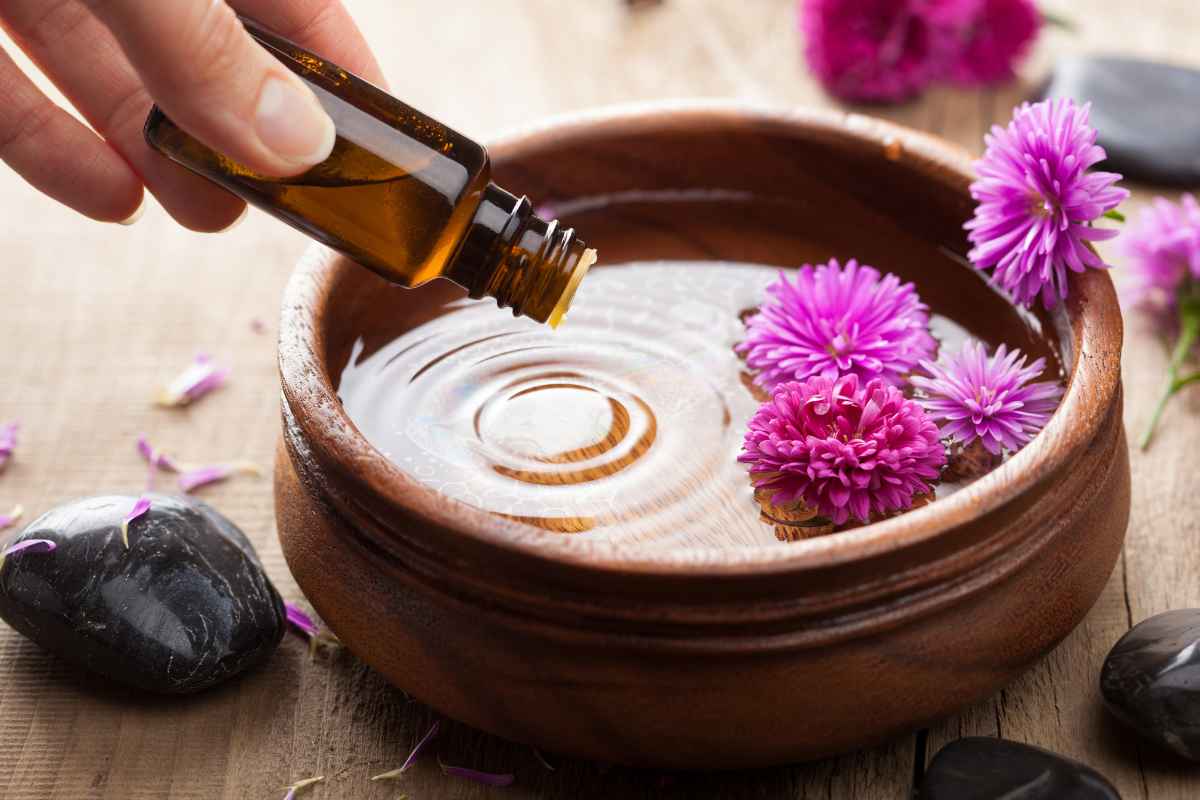
For example, some people engage in regular cleansing rituals, such as aromatherapy or the use of crystals, to maintain positive energy in the home.
Essential oils, sage sprays, and even sound baths (using singing bowls or chimes) have become popular alternatives to traditional smudging, offering a more contemporary approach to energy purification.
Furthermore, the rise of minimalism and intentional living has led many individuals to curate their living spaces with items that reflect their personal values and aspirations.
In doing so, they create homes that not only provide physical shelter but also reflect their desires for peace, prosperity, and spiritual well-being.
Creating a Sacred Space for Harmony and Blessings
In conclusion, the cultural rituals surrounding home protection and blessings are as diverse as the cultures they stem from.
Whether through the use of symbolic objects, ancient practices, or modern-day rituals, people continue to seek ways to create homes that offer safety, peace, and positivity.
These rituals help to foster a sense of belonging, while also allowing individuals to maintain control over the energies that flow within their living spaces.
As we embrace these age-old practices and adapt them to the modern world, we can ensure that our homes remain places of protection, prosperity, and blessings—sanctuaries that nurture not only our physical bodies but also our spirits.
Did you find this post Useful or Inspiring? Save THIS PIN to your HOME Board on Pinterest!
More Home Tips 👇🏼👇🏼