
Designing a Green Roof: A Beginner’s Guide to Eco-Friendly Landscaping

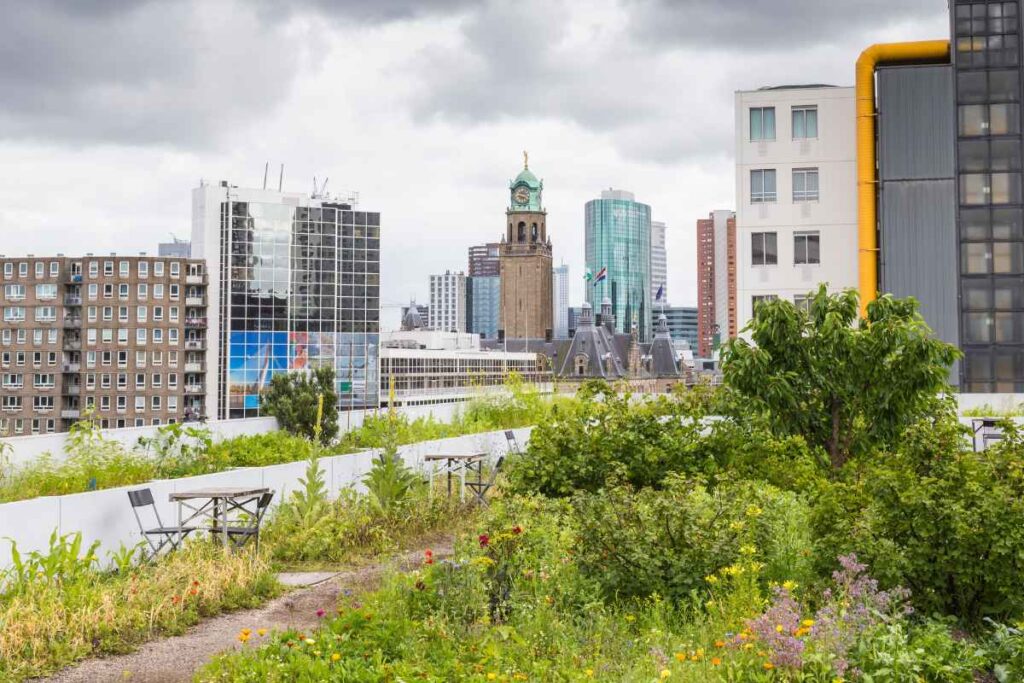
Green roofs have become a popular way to combine sustainability, beauty, and functionality in modern architecture.
They allow buildings to support vegetation on rooftops, creating small ecosystems that benefit both the environment and those living below.
For beginners, the idea of transforming a roof into a thriving garden may sound complex, but with the right approach, it can be a rewarding and eco-friendly project.
What Is a Green Roof?
A green roof is a layer of vegetation planted over a waterproofing system on top of a building. Unlike traditional roofs, these living structures provide insulation, reduce rainwater runoff, and help purify the air.
They can range from simple grass covers to elaborate gardens with shrubs, flowers, and even small trees, depending on the design and structural capacity of the building.
Types of Green Roofs
Extensive green roofs: Lightweight and low-maintenance, often featuring drought-resistant plants like sedums and grasses.
Intensive green roofs: Heavier and more garden-like, allowing for larger plants and even walking paths, but requiring more care and irrigation.
Benefits of Installing a Green Roof
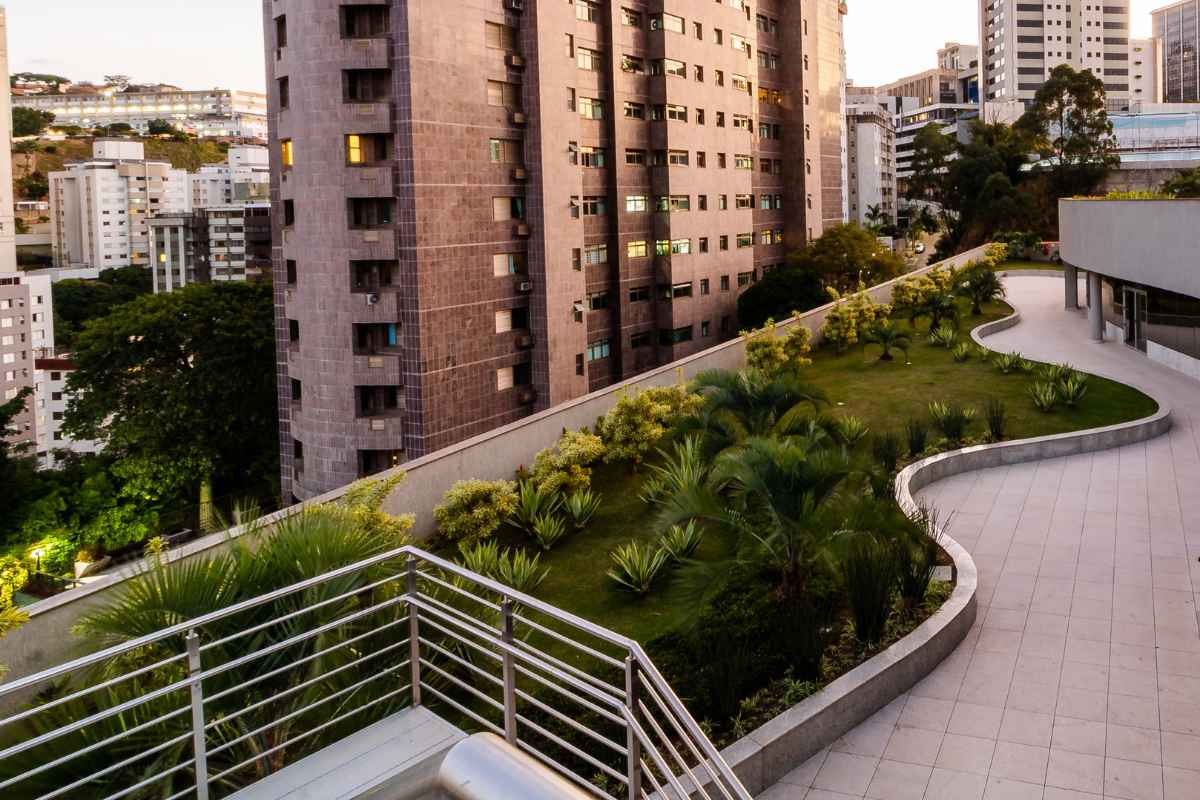
One of the greatest advantages of green roofs is their ability to improve energy efficiency.
By adding a natural layer of insulation, they reduce the need for heating in winter and air conditioning in summer.
They also absorb rainwater, decreasing the burden on urban drainage systems and lowering the risk of flooding.
Another important benefit is the creation of urban green spaces. In crowded cities, rooftops provide valuable opportunities to bring back nature, offering habitats for birds and pollinators.
For homeowners, they add aesthetic appeal and can even increase property value.
Key Considerations Before Starting
Structural Capacity
Before installing a green roof, it is essential to ensure that the building can handle the additional weight of soil, plants, and water. Consulting with a structural engineer helps prevent costly mistakes.
Waterproofing and Drainage
A strong waterproof membrane and proper drainage system are crucial to protect the building from leaks. Without these, moisture can seep into the roof, leading to long-term damage.
Climate and Plant Selection
Choosing plants that can thrive in the local climate will make maintenance easier and ensure long-term success. Drought-resistant species are ideal for areas with hot summers, while hardy grasses and mosses may be better suited for cooler regions.
Steps to Designing a Green Roof
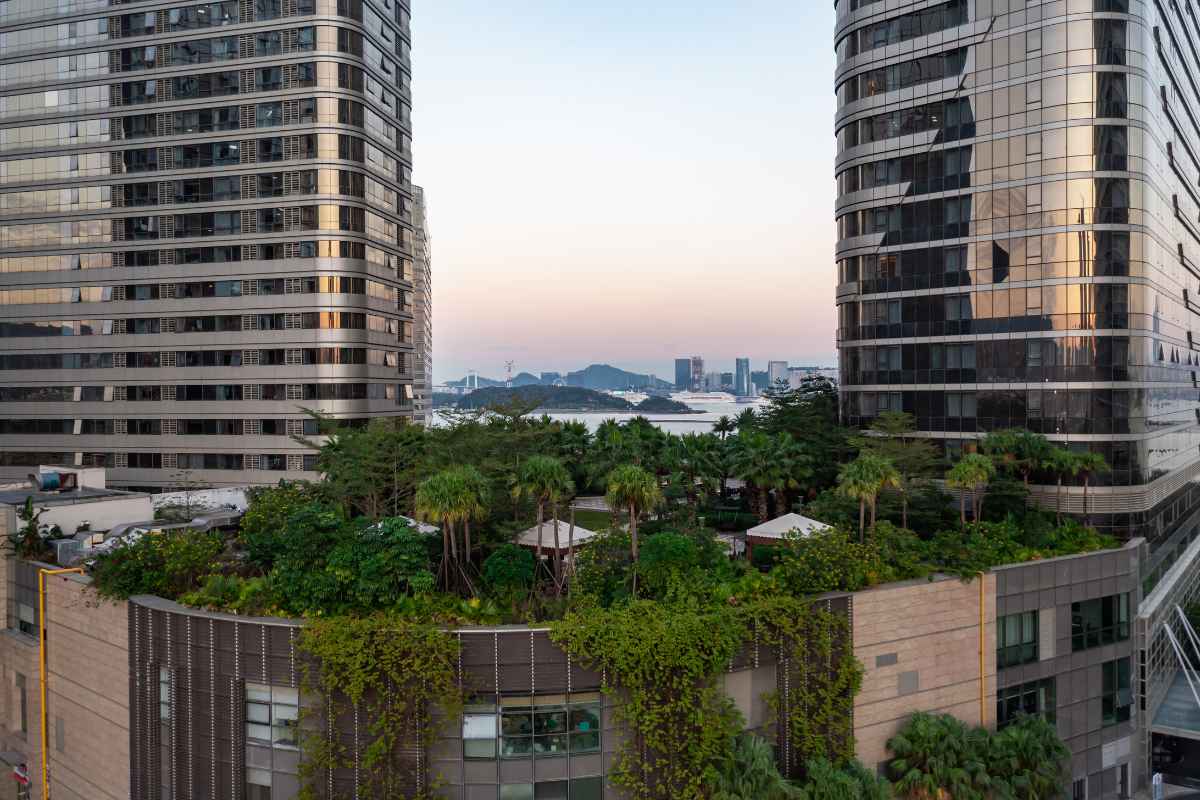
Plan the Layout
Think about the purpose of your green roof. Do you want a simple, low-maintenance design or a lush space for relaxation? Defining your goals will guide your choices in soil depth, plant types, and overall structure.
Select the Right Plants
Opt for native and resilient species that support biodiversity and require minimal irrigation. Succulents, wildflowers, and ornamental grasses are popular options for beginners.
Consider Irrigation
Although some green roofs are self-sustaining with natural rainfall, others may need irrigation systems, especially in dry climates. Drip irrigation can provide consistent moisture while conserving water.
Cost and Budget Considerations
When planning a green roof, one of the most important aspects to keep in mind is budget.
The overall cost will depend on the size of the roof, the type of green roof you choose, and the complexity of the design.
Extensive green roofs are typically more affordable because they use lightweight growing mediums and hardy plants that require little maintenance.
On the other hand, intensive green roofs are more expensive, as they may include deeper soil layers, irrigation systems, and structural reinforcements to support larger plants or even walkable spaces.
Beyond installation, there are ongoing costs for maintenance, irrigation, and seasonal care. However, it’s important to view these expenses as long-term investments.
A green roof can significantly reduce heating and cooling bills by providing natural insulation. It can also extend the lifespan of the roof itself by shielding it from harsh weather and UV radiation.
In some regions, governments offer tax incentives or subsidies for eco-friendly construction projects, making it more financially accessible.
For beginners, starting with a small section of the roof can help manage costs while still reaping the benefits. Over time, the project can be expanded as budget allows.
By carefully balancing design ambitions with available resources, a green roof can be both affordable and impactful.
Maintenance Tips for Beginners
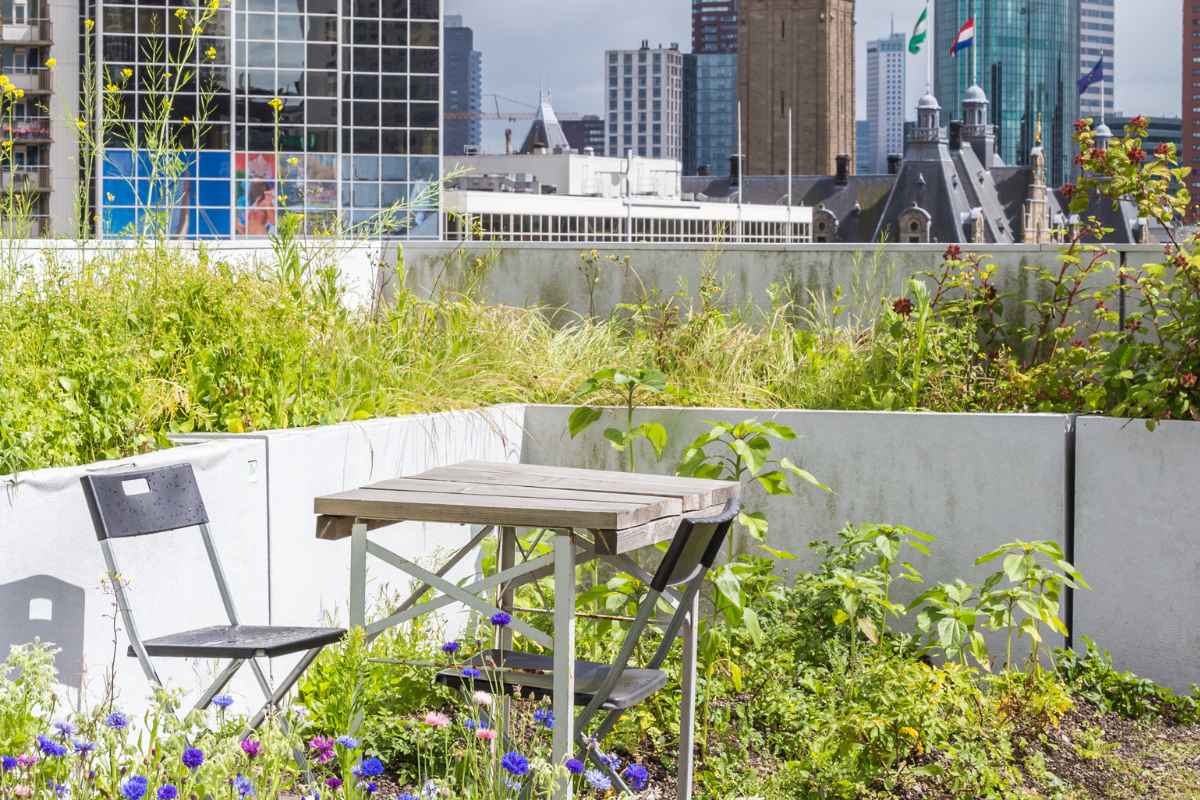
Green roofs are not entirely maintenance-free. They need regular inspection to check for leaks, remove weeds, and ensure plants remain healthy.
Seasonal care, such as trimming or replacing dead plants, keeps the roof thriving. Over time, the system becomes more self-sufficient, requiring less intervention.
Eco-Friendly Landscaping from the Top Down
Designing a green roof is more than a trend—it is a practical investment in sustainability.
By combining modern construction with natural ecosystems, these roofs contribute to cleaner air, reduced energy costs, and more vibrant urban spaces.
For beginners, starting small and learning step by step makes the journey enjoyable and accessible.
Bringing greenery to rooftops is a powerful way to reconnect with nature while making cities more livable. With the right planning and care, your roof can become a thriving landscape that benefits both your home and the environment.
Community and Environmental Impact
A green roof not only benefits the individual homeowner or building—it also plays a valuable role in the larger community.
In urban areas where concrete dominates, adding vegetation helps reduce the urban heat island effect, lowering surrounding air temperatures and improving the overall comfort of city living.
This makes a collective difference when multiple buildings adopt green roofs, creating cooler and more breathable neighborhoods.
Green roofs also support biodiversity by attracting pollinators such as bees and butterflies, as well as providing shelter for birds.
This is especially important in cities where natural habitats are scarce. The presence of these small ecosystems restores a connection between humans and nature, even in dense urban settings.
On a larger scale, green roofs improve air quality by filtering dust, carbon dioxide, and other pollutants.
They also contribute to better stormwater management, reducing runoff that can overwhelm sewage systems and lead to flooding.
Communities that invest in green roof initiatives often notice improvements in both environmental resilience and quality of life.
By designing a green roof, you become part of a broader movement toward eco-friendly landscaping.
It’s not only about personal benefits but about contributing to a healthier, more sustainable future for everyone. A single rooftop garden can inspire neighbors, encourage urban greening, and spark conversations about environmental responsibility.
Did you find this post Useful or Inspiring? Save THIS PIN to your HOME Board on Pinterest!

More Home Tips 👇🏼👇🏼