
How to Feng Shui Your Desk For More Productivity


If your work area feels busy but not productive, it’s time to feng shui your desk. With a few intentional shifts—position, light, and meaningful objects—you can turn a draining corner into a focus zone.
Below you’ll find practical guidance for a calm, energized workspace plus smart Desk Feng Shui Ideas you can apply in minutes.
Start With Purpose and Flow

Clarity fuels productivity. Before moving furniture, decide what the desk should support: deep work, video calls, or creative brainstorming. When you name the purpose, layout decisions get easier and your environment stops working against you.
Next, clear the surface completely. Wipe the desktop, dust equipment, and only bring back what serves that purpose. A clean slate invites focus and prevents you from reacting to visual noise every time you sit down.
Finally, sketch a simple plan for your Feng Shui Desk Setup: where the monitor goes, how cables route, and what lives within arm’s reach. Good flow means fewer micro-frictions—and more deep work.
Command Position: See the Room, Own the Day

In feng shui, the “command position” helps you feel secure and present. Place your desk so you can see the door without sitting directly in line with it—ideally diagonally across the room.
If you must face a wall, add a small mirror to catch the doorway in your periphery.
Support your back with a solid wall or high-backed chair. This sense of backing reduces subtle tension and keeps you steady in long sessions. If you’re in a shared space, define your zone with a rug or low shelf to signal focus time.
Once you anchor the position, micro-adjust for comfort: seat height lets elbows bend at 90°, monitor at eye level, and task light to your non-dominant side to minimize shadows. These ergonomic touches amplify the positive effects of your Feng Shui Desk Setup.
Light, Air, and the Five Elements

Light sets the tone. Aim for a combination of natural daylight and warm, dimmable task lighting. If your window view is busy, soften it with sheer curtains so your gaze rests easily between tasks.
Bring in the five elements subtly.
Wood (a plant or wood tray) encourages growth;
Fire (a warm-toned lamp or a small candle you light only off-camera) signals motivation;
Earth (ceramic cup, stone paperweight) grounds your thoughts;
Metal (a tidy pen holder) sharpens clarity;
Water (a carafe or image of a calm lake) supports flow and communication.
Keep the palette restrained so the desk stays calm, not cluttered.
Air quality matters. Crack a window, add a small fan for gentle circulation, and choose a low-maintenance plant like pothos or ZZ. Clear air keeps energy (and ideas) moving.
Bagua-Inspired Placement (Practical, Not Precious)

You don’t need to map every square inch, but a few bagua cues are useful. The back-left corner of your desktop symbolizes wealth and resources: place a healthy plant or a small, meaningful stone there.
The back-center relates to reputation: keep it clear or display a simple symbol of excellence, like a single framed certificate.
The back-right corner speaks to helpful people and mentors: a contact card holder or a short list of key collaborators belongs here. Keep the front edge of your desk open to welcome new opportunities; avoid piling papers where your wrists rest.
Treat these placements as gentle prompts, not rigid rules. They work best when they feel personal and intentional.
Declutter Like a Pro (and Keep It That Way)

Visual noise drains willpower. Limit daily-use items to a tight trio: input (keyboard/pen), output (notebook), and support (water or timer). Everything else belongs in a drawer or shelf labeled for quick retrieval.
Cable management is quiet magic: route cords along the desk underside with clips, and use a small dock to consolidate chargers. A tidy edge line removes distraction from your peripheral vision and stabilizes your attention.
Set a two-minute reset ritual at day’s end—file the top five papers, recycle what you can, and lay out tomorrow’s first task. Momentum loves a clear runway.
Personal Symbols That Work (Not More Stuff)

Choose one or two meaningful objects that reinforce your aim: a postcard from a dream destination, a bookmark with a quote, or a prototype of your next project. Place them in the “inspiration lane” just outside your keyboard area so they lift you without stealing space.
Sound counts, too. A low-volume focus playlist or white noise can mask distractions. Pair it with a simple timer—25 minutes on, 5 minutes off—to keep energy rhythmic and productive.
When you feng shui your desk, your personality should read as calm intention, not a display shelf. Edit often.
Desk Feng Shui Ideas for Specific Setups

Small desk: Go vertical with a monitor arm and a slim pegboard for headphones and notes. Use a drawer insert to corral pens, sticky notes, and adapters. A single, tall plant draws the eye up and expands the feel of the space.
Corner desk: Keep the apex clear for depth. Place your primary tool (laptop or monitor) on one side and a writing pad on the other. Balance with a task lamp opposite the plant to stabilize the visual weight.
Shared table: Use a portable caddy and a roll-up mat to mark your zone. When you’re done, everything stows in seconds—perfect for multi-use rooms.
How To Set Up Feng Shui Desk (Step-by-Step)

Step 1: Choose the command position where you can see the door and have your back supported. If that’s impossible, add a mirror to include the entry in your sightline.
Step 2: Set ergonomics and lighting: monitor at eye level, chair at 90° elbows, warm task light on your non-dominant side. Keep glare off the screen to protect energy and focus.
Step 3: Layer the five elements with restraint and place a plant in the back-left corner. Add one meaningful symbol in the back-center and keep the front edge open for active work.
Step 4: Finish with cable control, a daily two-minute reset, and a short list of three priorities placed where your eyes land first. That’s How To Set Up Feng Shui Desk in a way that’s beautiful and practical.
Feng Shui Desk Setup for Hybrid Work

If your desk doubles for calls and deep work, define “modes.” For meetings, a clean backdrop, centered camera, and soft key light project calm. For focus, shift the lamp angle, place your phone out of sight, and set a timer to protect 45–90-minute deep-work blocks.
Keep a “transition tray” with coasters, a notebook, and noise-canceling headphones. When the tray comes out, your brain knows exactly what’s next—no decision fatigue.
These small systems make your Feng Shui Desk Setup feel effortless, even on busy days.
Momentum, Not Perfection
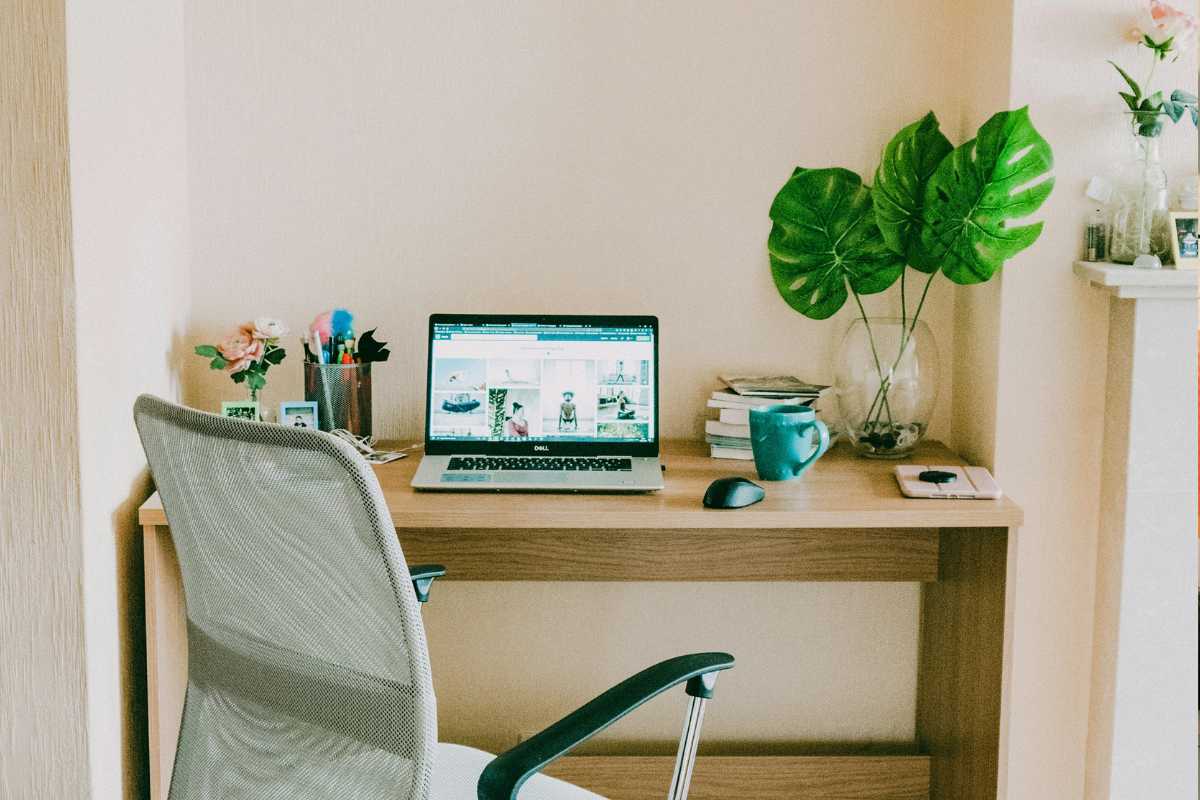
Feng shui is about supportive energy, not strict rules. Start with one corner, feel the difference, then keep refining. When your desk reflects how you work best, consistency follows.
Ready to feng shui your desk today? Pick a command position, add a plant, and clear the front edge. Stay curious and keep tuning—small upgrades compound into big results.
Enjoy this Video Tutorial

Source: Morris Feng Shui
More Home Tips 👇🏼👇🏼