
Feng Shui Bedroom: Top 5 Small-Bedroom Bed Tips


A well-planned Feng Shui Bedroom can make a tiny room feel calm, grounded, and bigger than it is. When space is tight, bed placement matters more than any other design move.
Below you’ll find five field-tested tips that balance the practical limits of a small room with classical energy flow ideas—so you can sleep deeply, wake with clarity, and still enjoy a warm bedroom aesthetic.
We’ll borrow cues from a minimalist Japanese bedroom, blend them with Bedroom Layout Ideas for small spaces, and keep the vibe aligned with peaceful bedroom ideas and that quiet, understated luxury many of us crave.
Why Bed Placement Drives the Whole Room
Your bed is the “command center.” Its position decides circulation, storage, and sight lines—essential pieces of a small-space Feng Shui home layout. If you get the bed right, your lighting, nightstands, and even your Feng Shui floor plan fall into place with less effort.
1) Use the Command Position (Even When Space Is Tight)
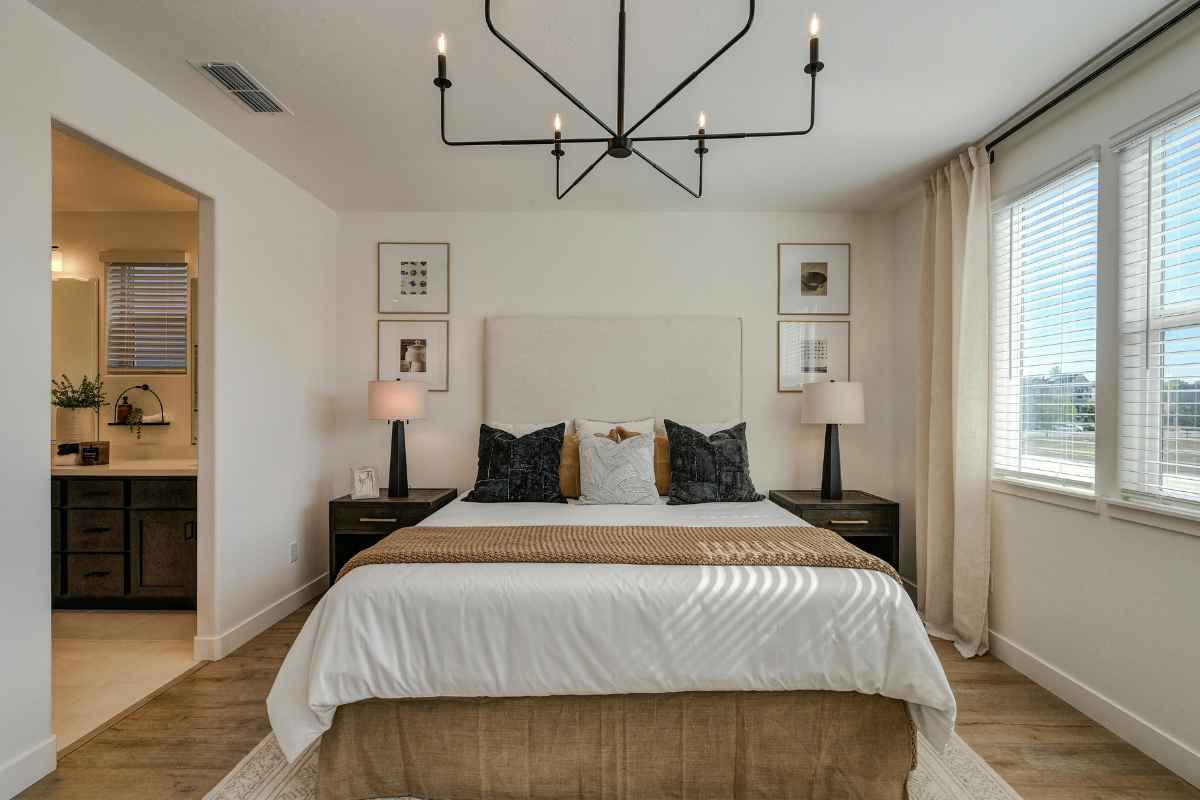
The command position means you can see the door without being directly in line with it. In compact rooms, the easiest way is to place the headboard on the wall diagonally opposite the door or on the wall farthest from it.
This creates a subtle sense of protection and control, which many people experience as instant calm.
If the architecture forces your bed to face the door, shift it to one side so the flow skims past rather than rushing straight at you.
A solid headboard is essential here; it acts like a supportive “back” when you can’t spare extra square footage. Aim for a low, upholstered headboard to keep the sight line clear—great for a Quiet Luxury Bedroom that feels serene, not showy.
2) Keep Both Sides Accessible (or Fake It Smartly)
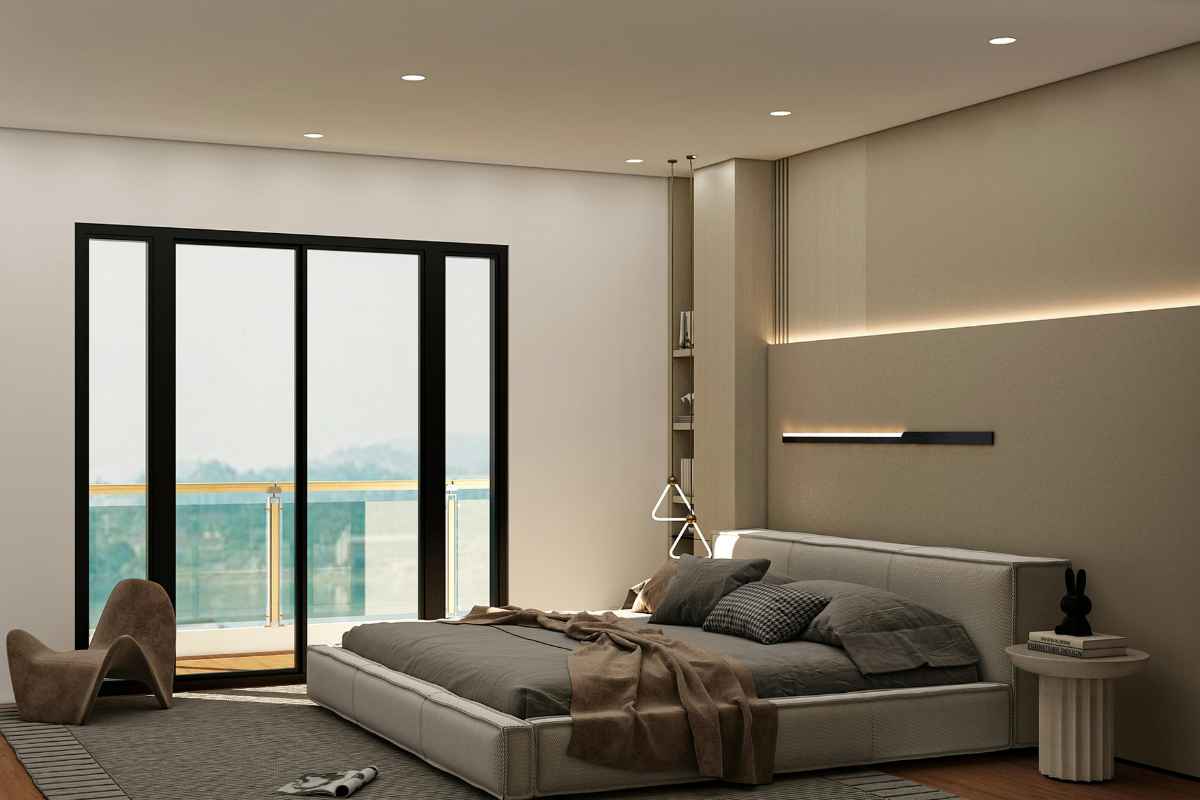
Classic practice encourages two accessible sides so each sleeper has an equal path—symbolically inviting balance and partnership.
In a tiny room that seems impossible, try a narrow aisle on one side and a floating shelf or slim wall sconce on the other. Even the suggestion of symmetry softens the visual weight and supports a Feng Shui aesthetic without sacrificing precious inches.
For studio or micro bedrooms, “fake” the second side with visual cues: a small rug runner mirroring the real aisle, or a vertical strip of wall art aligned with the absent nightstand.
These tricks deliver the feeling of balance that anchors many peaceful bedroom ideas and fits neatly into a compact Feng Shui house layout.
3) Avoid the Under-Window Headboard—Or Buffer It

In a small room, windows often land exactly where the headboard wants to go. If you must place the bed under a window, buffer the area: use a sturdy headboard, heavier curtains, and a simple shade. The layers create a “solid wall” effect so your back feels supported while you sleep.
When you do have a choice, prioritize a full wall. The extra sense of shelter can transform a tight room into a spiritual bedroom—not in a mystical way, but in a grounded, inward-facing way that helps you wind down.
This approach also frees your window wall for daylight and cross-ventilation, which amplifies that warm bedroom aesthetic without clutter.
4) Right-Size the Bed and Float Storage

Downsize the frame before you downsize sleep quality. A full or queen often fits better than a king in small spaces, but the trick is the frame silhouette.
Slim rails and legs open up floor area and make cleaning easier—vital for good air flow and a clear mind. If you’re chasing a Japanese bedroom vibe, consider a low platform with rounded corners; it reads calm and cuts visual bulk.
Keep the energy under the bed light. If you need storage, choose shallow, well-organized bins and avoid cramming. Then “float” other storage: wall-mounted shelves, headboard niches, and sconce lighting.
This leaves your circulation zone open, supporting an efficient Feng Shui floor plan that feels intentional, not cramped.
5) Align the Bed With Your Real-Life Habits

Good layouts start with how you live. Sketch a simple Feng Shui home layout noting door swings, window placement, outlets, and the path you take when you wake up, grab a glass of water, or get dressed.
Place the bed to reduce collisions with doors and drawers, and ensure you can sit up without hitting a shelf or pendant.
If you journal or meditate at bedtime, leave room at one side for a cushion and small lamp to quietly transform the corner into a micro sanctuary—a tasteful nod to a spiritual bedroom.
If you share the room, check that both sleepers can reach a light and a surface. These small behaviors are the compass for practical Bedroom Layout Ideas that still respect tradition.
Bonus: Tuning the Feel—Light, Tone, and Texture
Once the bed is placed, tune the atmosphere. Choose warm-white bulbs (2700–3000K) and layer light: a dimmable ceiling fixture, two sconces, and a small floor lamp if space allows.
Natural, tactile materials—linen, wool, wood—help a compact room read as a calm retreat aligned with peaceful bedroom ideas.
Palette-wise, think “low contrast, high comfort.” Off-whites, oat, stone, and muted greens give you that Quiet Luxury Bedroom mood without visual noise.
Mirrors should bounce light from the side rather than reflect the bed directly; this keeps the scene restful and consistent with a gentle Feng Shui aesthetic.
Layouts That Work in Real Small Rooms
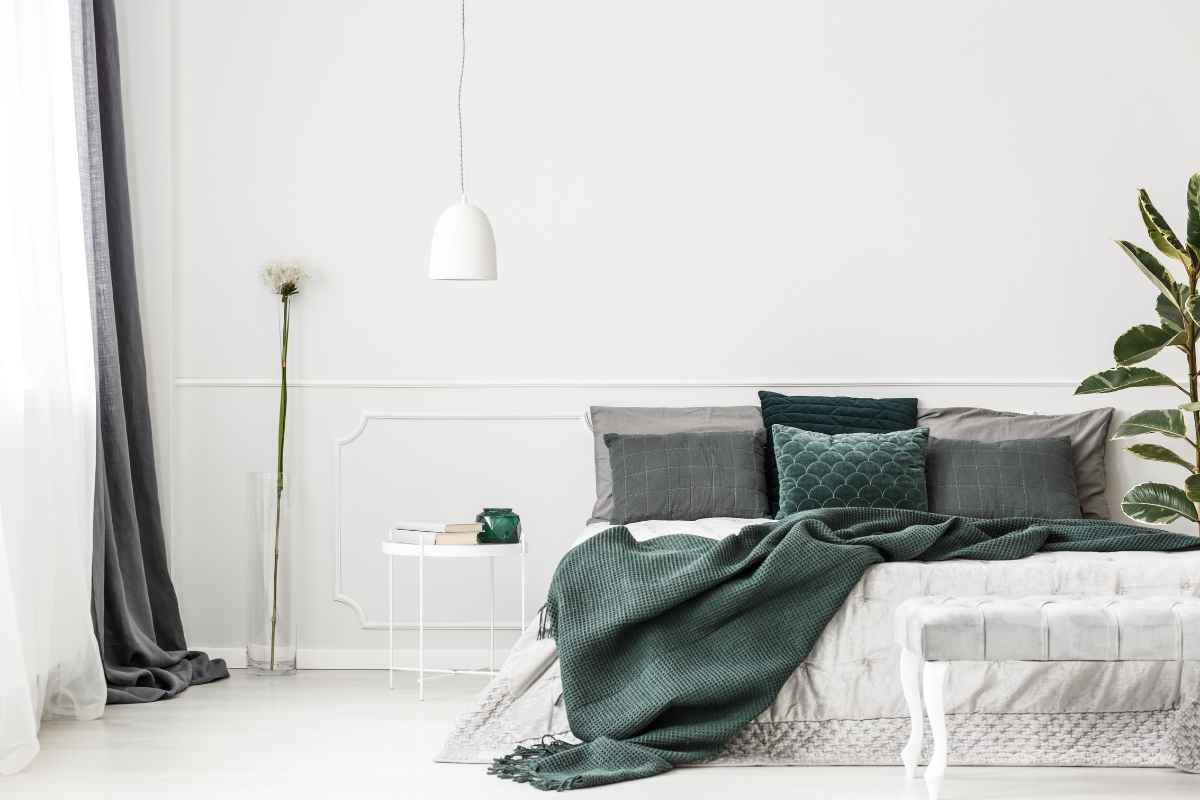
Small Rectangle (Door on Short Wall): Place the bed on the long wall opposite the door in a soft command position. Use two slim sconces and a single, centered rug to visually widen the room. This simple move instantly supports a compact Feng Shui house layout.
Long, Narrow Room (Door on Long Wall): Anchor the headboard on the short wall farthest from the door so you see the entry peripherally. Float a narrow dresser opposite the foot of the bed or swap it for wall shelves to keep floor flow smooth—a hallmark of tidy Bedroom Layout Ideas.
Window-Dominant Room: If the only full wall is next to the door, install a padded headboard there and treat the window with heavier drapery. Keep the bed slightly offset from the door line to respect command position while maintaining cross-breeze—a balanced Feng Shui floor plan in miniature.
Style Notes for Character (Without Clutter)
Lean into a minimalist Japanese bedroom look with low, rounded forms and a single sculptural lamp. Or go contemporary with walnut, bouclé, and bronzed metal for a subtle, warm bedroom aesthetic that whispers rather than shouts. The goal is sensory quiet—textures you feel, not trinkets you dust.
Keep art to one feature piece above the headboard or two small works hung low and wide. This preserves visual calm and works beautifully inside a modest Feng Shui home layout, reinforcing the restful cadence you established with bed placement.
Putting It All Together (Your Mini Checklist)
Command view: see the door without alignment. Balanced sides: two paths or a smart visual echo. Solid headboard: especially near windows. Light storage: float what you can. Habits first: let routine guide the plan. Follow these five moves and your Feng Shui Bedroom will feel larger, calmer, and easier to keep tidy day to day.
If you love the Quiet Luxury Bedroom vibe, remember: fewer, better objects. That restraint is the fastest route to harmony in tight quarters and the cornerstone of timeless peaceful bedroom ideas.
If you'd like to learn about other ways to use feng shui to attract good fortune, we invite you to read our article How to Attract Prosperity with Feng Shui in Your Home.
Watch the Video Breakdown
All credit to the original creator of the tutorial on YouTube. For full context, see the video here:

More Home Tips 👇🏼👇🏼