
5 Feng Shui Living Room Tips That Truly Work

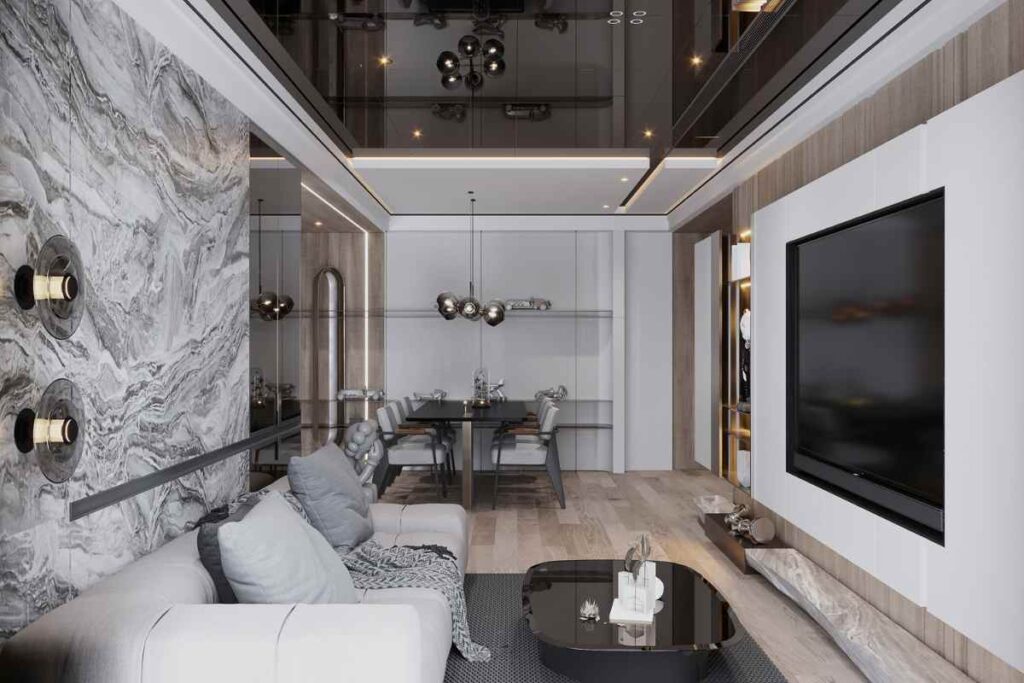
Feng Shui Living Room principles can turn a so-so lounge into a calm, magnetic space where conversations flow and you feel instantly at ease. Instead of chasing trends, you’ll learn how to place furniture with purpose, invite better energy with light and color, and make smarter decisions about art, plants, and materials.
Below you’ll find a clear primer and five practical ideas you can apply today—no demolition needed. Think of this as a friendly guide you can follow whether you love minimal Zen vibes, prefer Cozy Living Rooms, or want to align your décor with the flow of your everyday life.
Why A Feng Shui Living Room Matters
In classic Feng Shui Interior Design, the living room is the “social heart” of the home—where energy (qi) is exchanged through conversations, laughter, and rest.
Done right, the room supports connection without draining you. That’s why designers often pull ideas from Living Room Designs that prioritize clear pathways, balanced lighting, and meaningful focal points.
Because rooms influence each other, a well-composed lounge can even nudge improvements elsewhere: a calmer entry, a tidier kitchen, and even a calmer sleep space.
If you’re rethinking your whole place, bookmark these concepts for your Feng Shui Home Layout or broader Feng Shui House Layout—they scale beautifully from studios to family homes, from a Zen Apartment to a spacious Zen House.
We’ll also touch on how living-room flow can support a Good Feng Shui Bedroom Layout and feed into Bedroom Ideas For Small Rooms later on.
5 Feng Shui Living Room Tips
1) Start With The Command Position

The “command position” places your main seating—usually the sofa—so you can see the entry without sitting directly in line with it.
This reduces startle, increases a sense of safety, and naturally improves the room’s conversational flow. In many Living Room Designs, that means anchoring the sofa against a solid wall (or with a sturdy console behind it) and angling chairs so everyone can relax with clear sightlines.
Why it works: When you’re not subconsciously guarding your back, your body relaxes. That relaxation reads as warm, grounded energy—perfect for a Feng Shui Living Room.
If a wall isn’t available, create a “symbolic wall” with a low bookcase or tall plants. This trick is especially helpful in open plans and smaller spaces like a Zen Apartment.
2) Balance The Five Elements With Intention

Feng shui speaks the language of wood, fire, earth, metal, and water. You don’t need a shrine of objects; you need a Feng Shui Home Layout that feels whole.
Wood can be a bookshelf or a plant; fire arrives via warm lighting or a candle; earth shows up in clay vases or tan textiles; metal appears in frames or hardware; water can be a wavy motif or a dark, reflective surface. Mix them so no single element dominates.
Pro tip: If your living room feels flat, add a wood element (plants or walnut accents) to restore vitality. If it’s too “busy,” introduce earth tones and soft textures to settle the energy.
These small calibrations yield the serene mood people love in Zen Living Room Ideas, and they’re compatible with snug, Cozy Living Rooms too.
3) Create A Gentle Flow—Not A Raceway

Energy should curve like a river, not shoot like an arrow. Avoid placing the sofa directly opposite the door with nothing in between; that creates a fast “door-to-sofa” rush.
Instead, guide movement with an area rug, a rounded coffee table, or a pair of side tables that softly “catch” the path. This is core to a healthy Feng Shui House Layout and keeps daily life feeling unforced.
Lighting matters: Layer overhead, task, and accent lighting to remove dark corners without glare. Soft, warm lamps near the perimeter encourage circulation and make your Feng Shui Living Room feel inclusive—like everyone has a seat in the glow.
4) Edit Visual Noise And Curate Meaning

Clutter is stalled energy. Keep surfaces purposeful and let your walls breathe. Choose art that reflects the mood you want—connection, nature, joy—and avoid imagery that’s chaotic or lonely.
A single large piece can be more stabilizing than a scatter of tiny frames. This principle shows up across refined Living Room Designs and the best Zen Living Room Ideas because it calms the eye and invites presence.
Texture is your ally: Bouclé, linen, and natural wood add warmth without mess. Storage baskets and closed cabinetry hide daily items while preserving rhythm in the room.
The result? A space that feels both minimal and welcoming—ideal for small homes or a streamlined Zen House.
5) Tune Colors And Materials To Your Life

There’s no single “correct” palette. In a sociable home, warm neutrals with terracotta or blush accents encourage togetherness.
If you’re seeking calm after long days, lean into muted greens, soft blues, and matte finishes. Align choices with your compass direction if you practice traditional schools, or simply match color psychology to your goals. Either way, keep contrast gentle so energy doesn’t spike.
Material choices matter: Natural fibers breathe and ground; shiny, slippery finishes can feel restless if overused. A balanced palette and tactile materials are the quickest path to a harmonious Feng Shui Living Room, no matter your architectural style—from a compact Zen Apartment to sprawling Cozy Living Rooms in the suburbs.
How This Affects The Rest Of Your Home
Harmony echoes. When your lounge flows, bedrooms rest easier and entries feel more welcoming. If you’re refining sleep spaces, borrow these ideas for a Good Feng Shui Bedroom Layout: keep the bed in command, clear the path to each side, and soften sharp corners with textiles.
Even in tight spaces, the same thinking inspires Bedroom Ideas For Small Rooms—choose scaled furniture, keep pathways open, and let light do the heavy lifting.
Planning a bigger refresh? Map your circulation first. Sketch doors, windows, and major pieces to visualize a cohesive Feng Shui Home Layout. That single exercise prevents crowding and helps you select décor that supports your life instead of competing with it.
Putting It All Together
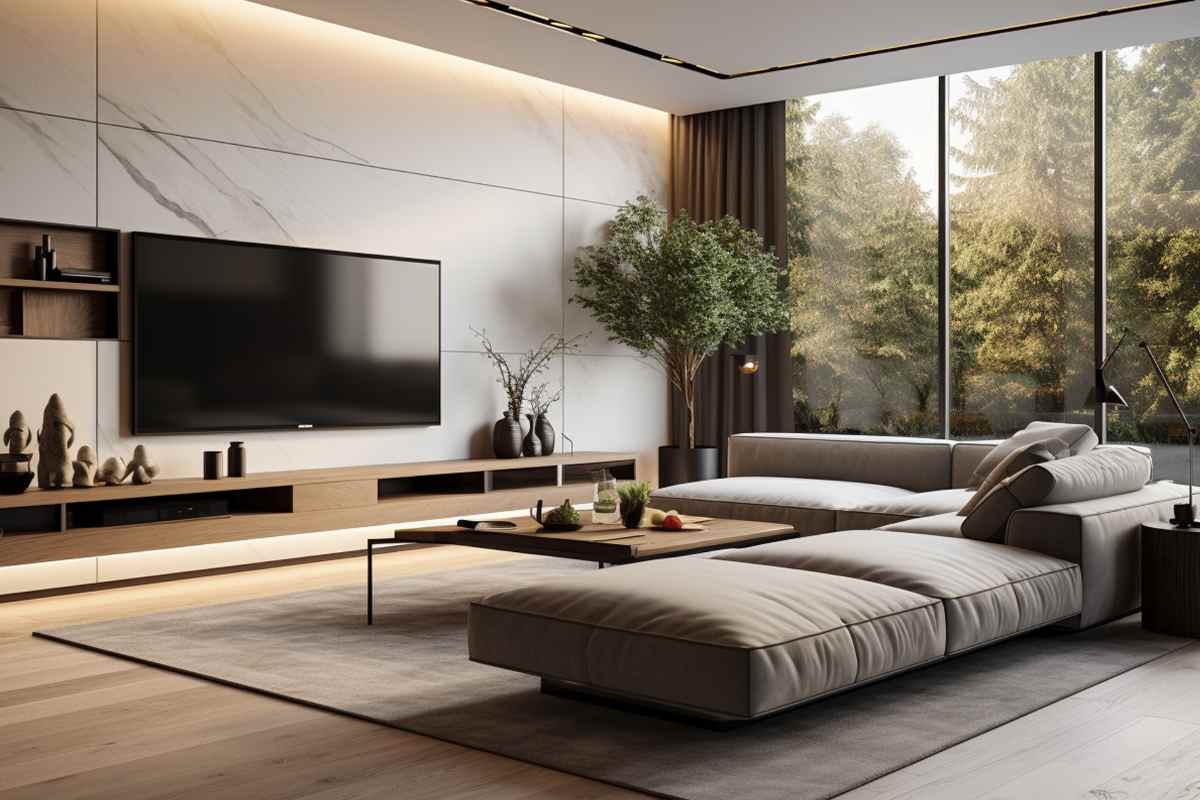
Start with command position, add the five elements with restraint, shape a curving path, reduce visual noise, and tune color and material to your goals.
Layer lamps, introduce a plant or two, and edit weekly so clutter never piles up. These are timeless moves you’ll find in the smartest Living Room Designs and in every enduring Feng Shui Interior Design project—simple, human, and repeatable.
A note on attribution: The video linked below belongs to its original YouTube creator. Here we offer a review and guide inspired by these concepts without reproducing step-by-step technical instructions. Watch the video for the full visual approach and more practical ideas.
If you'd like to learn about other ways to use feng shui to attract good fortune, we invite you to read our article Feng Shui Tips: Why Mirrors Shouldn’t Face Your Bed.
Watch The Video For Visual Guidance

More Home Tips 👇🏼👇🏼