
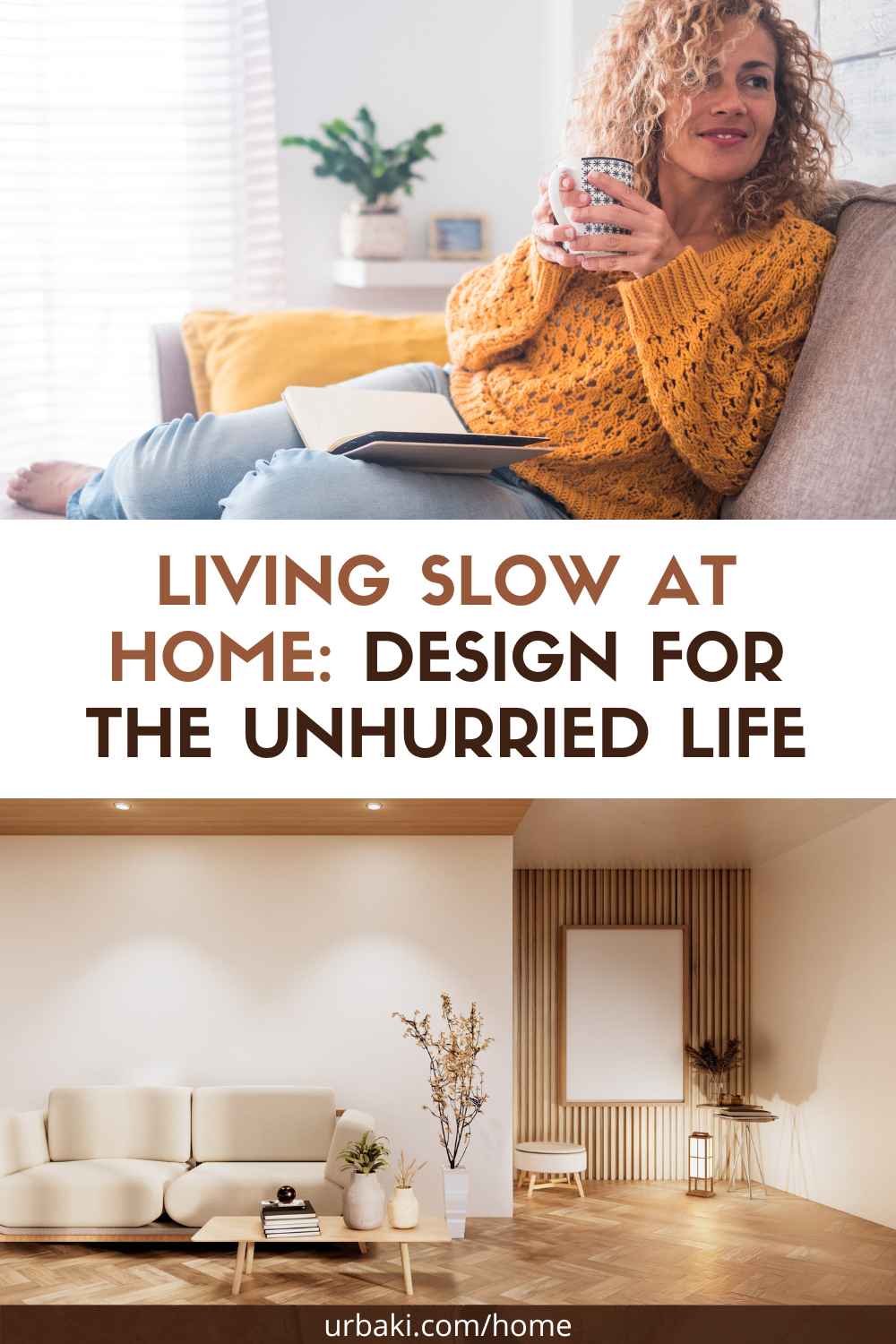
Living Slow at Home: Design for the Unhurried Life


Life moves fast, and "living slow" has become a meaningful way to reconnect with ourselves, our loved ones, and the spaces we live in. Slow living isn't just a trend. It's a lifestyle choice built on simplicity, mindfulness, and intention.
When it comes to home design, this approach encourages creating a space that fosters relaxation, peace, and balance. By carefully curating the elements of your home, you can design a space that supports a slower, more intentional lifestyle.
Embracing Minimalism: Less is More
The cornerstone of slow living is the idea that less is often more. Clutter can create chaos, both physically and mentally. By simplifying your space, you make room for what truly matters.
This doesn’t mean your home needs to feel empty or bare—rather, it’s about prioritizing items that bring you joy and serve a functional purpose.
Start by evaluating the things in your home that no longer serve you. Donate, sell, or recycle items that are simply taking up space. A minimalist approach doesn’t require you to purge everything, but it does encourage careful consideration of what you truly need.
Functionality and beauty should guide your choices.
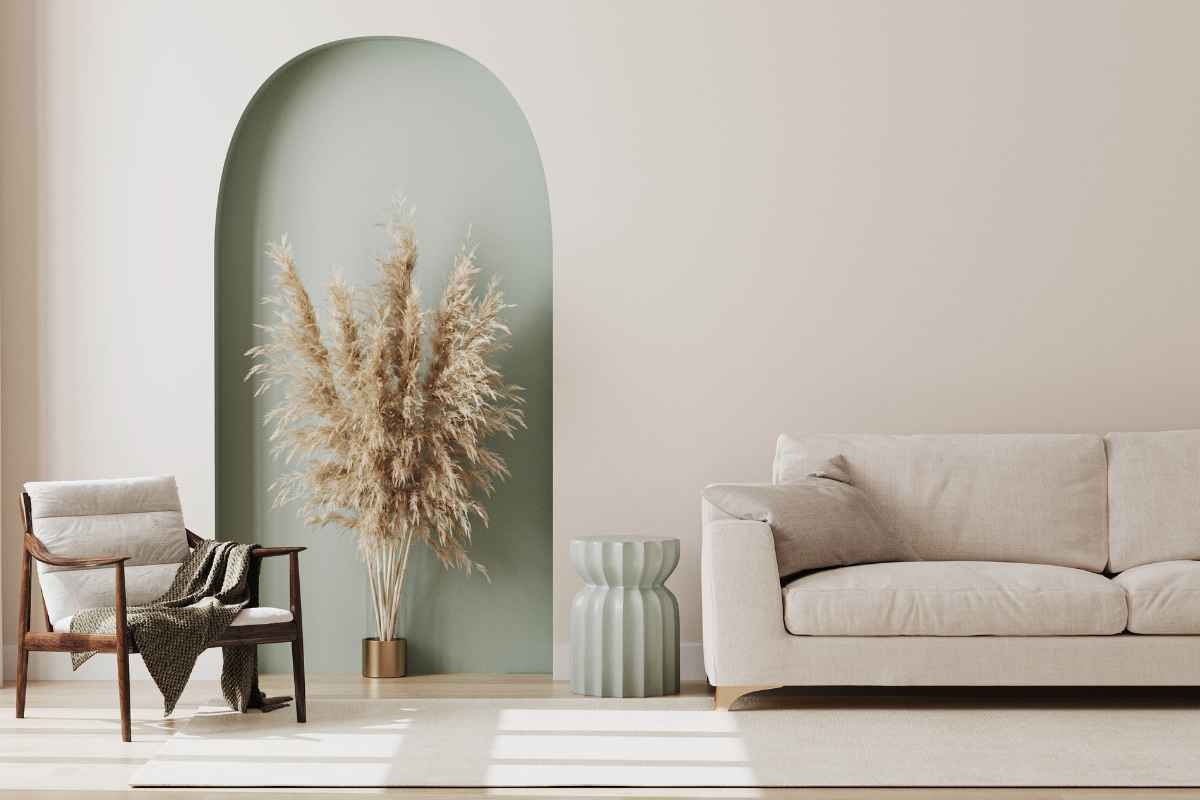
Simple furniture with clean lines and neutral tones can transform your living space into a sanctuary. For instance, a few well-chosen pieces, like a comfortable armchair or a wooden dining table, can create a warm and inviting atmosphere.
The key is to avoid overcrowding your space with unnecessary items.
Creating Comfort with Natural Materials
The materials you choose for your home can have a profound impact on how it feels. Natural materials like wood, stone, wool, and cotton can help create a serene environment. These materials have a timeless quality that invites comfort and calm into your space.
For example, wooden furniture and accents bring warmth and texture to a room. Incorporating wool throws, linen cushions, or cotton rugs adds tactile comfort without overwhelming the senses.
The subtle imperfections of natural materials can also lend your home a sense of authenticity and earthiness, aligning perfectly with the principles of slow living.
Opting for handcrafted or locally made pieces can further enhance this connection to nature. By investing in items that are carefully made, you are supporting sustainability and slowing down the consumption cycle.
Fostering Connection Through Spaces for Relaxation
A key element of slow living is making time to disconnect from the constant buzz of technology. Designing spaces that encourage relaxation is vital in achieving a slower pace of life.
Whether it’s a cozy nook to read a book, a comfortable chair for quiet contemplation, or a corner for creative pursuits, your home should offer you spaces to unwind and focus inward.
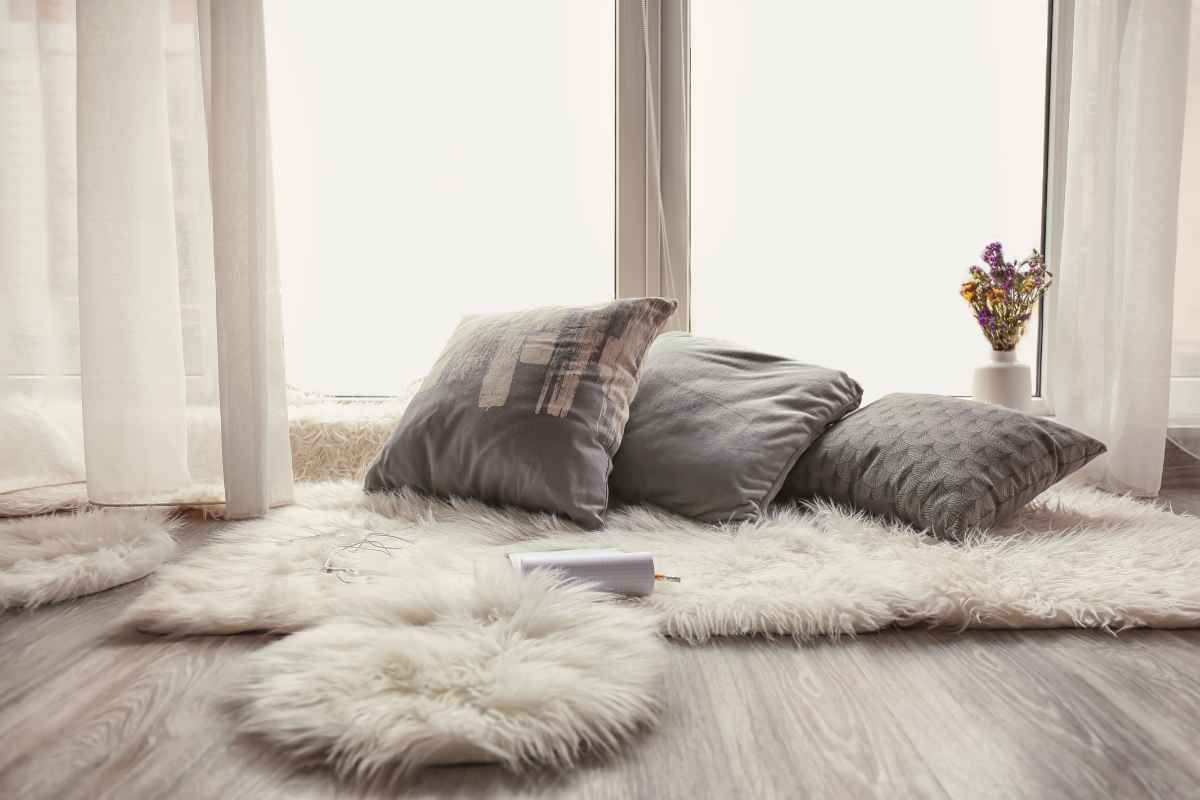
The living room can be a hub for relaxation, with comfortable seating arrangements that invite conversation or quiet moments. Layering textiles, such as soft cushions, blankets, and throws, creates an inviting environment where you can truly rest.
Incorporate warm lighting to enhance the mood, avoiding harsh fluorescent lights. Use table lamps or floor lamps with soft, ambient light to create a calming atmosphere.
Similarly, consider incorporating a reading nook or a cozy spot by a window, where you can enjoy the natural light.
This type of space encourages mindfulness, as it allows you to spend time in the moment, whether you’re reading, reflecting, or simply observing the world around you.
Bringing the Outdoors In: Nature as Inspiration
In slow living, nature plays a central role. It’s a reminder to slow down and appreciate the beauty of the natural world. Bringing the outdoors into your home can help you feel more connected to the environment, fostering a sense of tranquility.
Plants are an easy way to introduce nature into your home. From large statement plants like fiddle leaf figs to smaller herbs on the windowsill, plants not only purify the air but also create a sense of life and vitality in your home.
Incorporating fresh flowers into your décor can brighten any room and remind you to appreciate the changing seasons.
Additionally, consider incorporating elements like natural stone, seashells, or wooden sculptures into your design. These items add texture and a connection to the earth without overwhelming your space.
The Importance of Light and Space
How light enters and flows through your home can significantly impact how you feel in your space. The quality of light is especially important in slow living, where mindfulness is key.
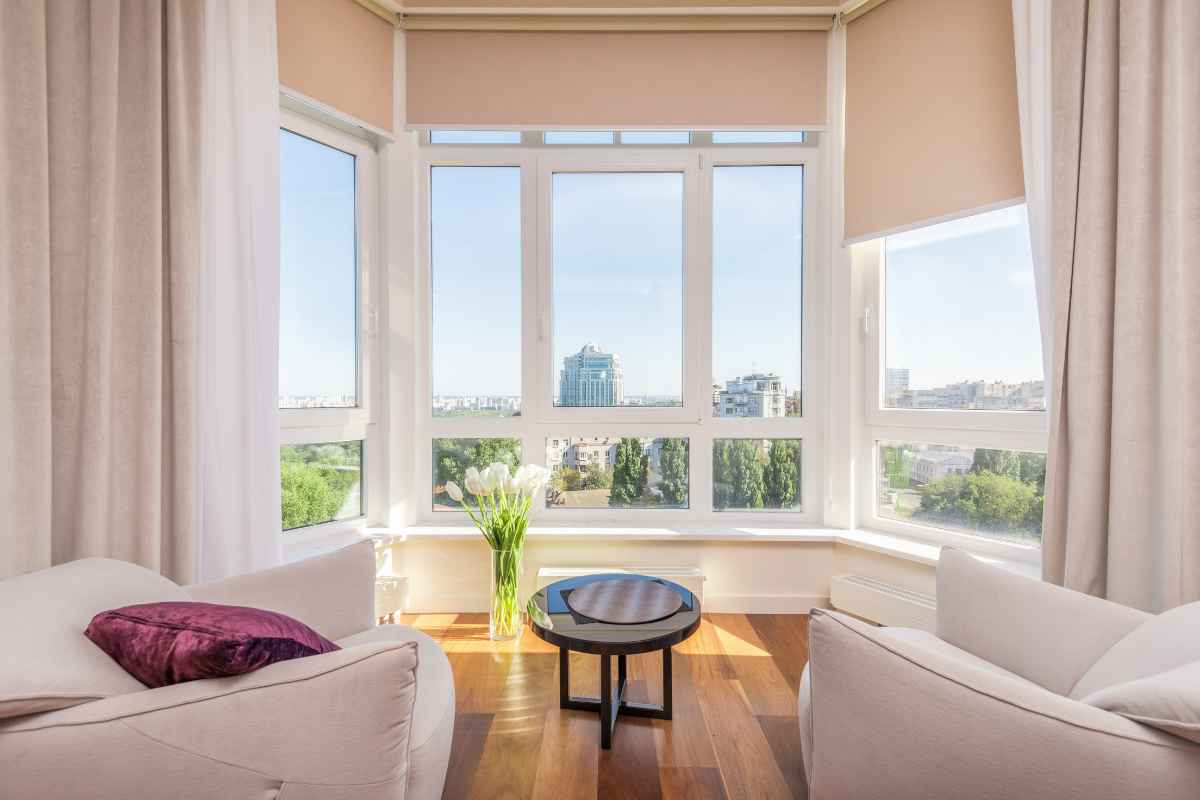
Natural light is the best option, so maximize it by using light, airy curtains or shades that allow the light to filter in.
Consider the flow of space in your home. Open, uncluttered areas encourage a sense of freedom and calm, allowing movement without restrictions.
Ensure that there is enough room for easy navigation between furniture, as well as open spaces where you can engage in activities like yoga or meditation.
When designing your home for slow living, be mindful of how each space feels when you enter it. Does it feel peaceful and welcoming, or does it feel chaotic and disorganized? The more spacious and open the design, the easier it will be to live a slow, intentional life.
Sustainable Practices: Living with Intention
Slow living goes hand-in-hand with sustainability. Designing a home that reflects your values means choosing materials and products that are both eco-friendly and ethically sourced. By focusing on sustainability, you create a home that aligns with the principles of mindful living.
Start by choosing eco-friendly materials for your home’s furnishings, flooring, and décor. For example, look for recycled or upcycled materials, which reduce waste and have a lower environmental impact. Opt for furniture made from sustainably sourced wood or natural fabrics like cotton and linen.
You can also focus on energy efficiency by choosing energy-saving appliances, using LED lights, and adding insulation to reduce your home’s carbon footprint. Additionally, embracing local craftsmanship supports a slower, more thoughtful approach to consumption.
Slowing Down in the Kitchen
The kitchen is often the heart of the home, and it’s where many of us feel the rush of time—whether we’re cooking quick meals or juggling multiple tasks. However, slow living encourages us to change this mindset.
Cooking with intention can become a mindful, therapeutic practice.
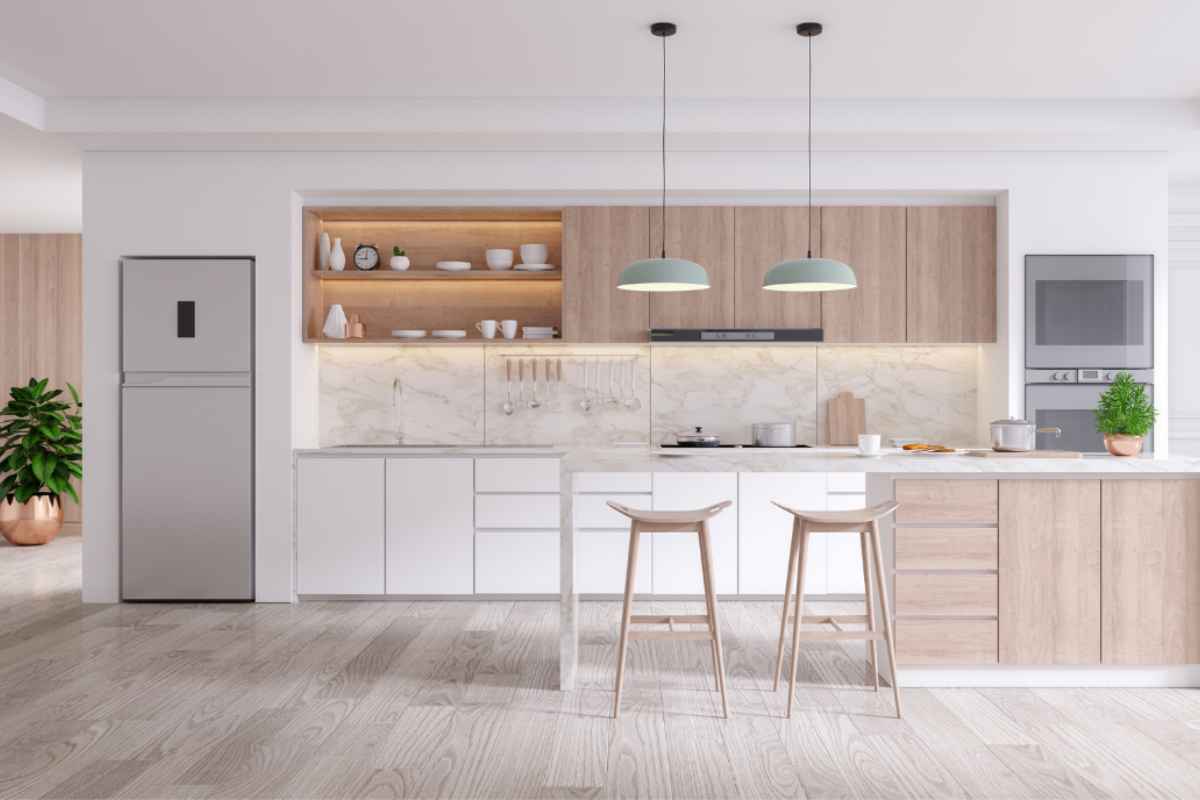
Create a calming kitchen environment by eliminating excess clutter and focusing on quality, essential tools. Choose handcrafted knives, wooden utensils, and other items that connect you to the act of cooking.
Opt for a simple color palette that feels serene, such as neutral tones with hints of green or natural wood accents.
Consider adopting a meal prep routine that encourages slowing down in the kitchen. Instead of rushing through meal preparation, take time to savor the process.
Cooking with fresh, seasonal ingredients can be a rewarding, fulfilling activity that enhances the sense of connection to both the food and the environment.
Designing for a Slow, Intentional Life
Living slow at home isn’t just about making changes to your physical space—it’s about creating a mindful environment that supports a slower, more deliberate pace of life.
By simplifying your surroundings, embracing natural materials, and fostering connection with nature, you can design a home that encourages relaxation, reflection, and intentional living.
Ultimately, slow living at home is about choosing quality over quantity, mindfulness over haste, and creating a space where you can truly experience the present moment.
By embracing these principles, you can cultivate a home that serves as a sanctuary—a peaceful retreat that supports a life of purpose, balance, and joy.
Did you find this post Useful or Inspiring? Save THIS PIN to your HOME Board on Pinterest!
More Home Tips 👇🏼👇🏼