
Learn Everything About Feng Shui Aquariums

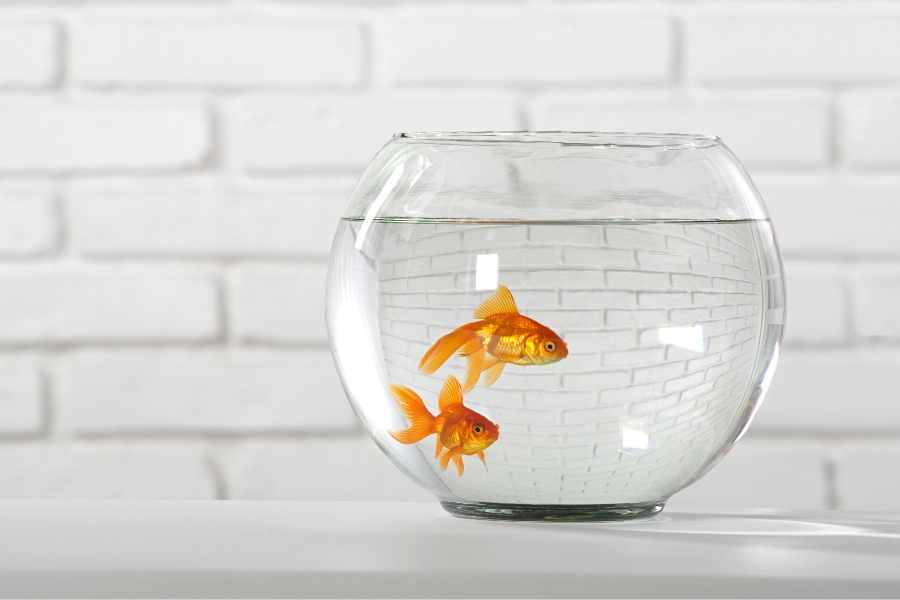
Curious about Feng Shui Aquarium Placement and how a water feature can energize your home? Aquariums combine movement, color, and gentle sound—three qualities often used to invite flow and prosperity in traditional practice.
This guide explains where an aquarium works best, what to avoid, and how to align your setup with Feng Shui Directions while keeping fish healthy and your rooms balanced.
Feng Shui Basics For Aquariums

In many schools of practice, water symbolizes flow, opportunity, and renewal. A well-kept Feng Shui Fish Tank can soften harsh corners, activate stagnant areas, and add life to quiet rooms.
But placement matters: water amplifies energy, so you want that energy pointing in a helpful direction.
Before you move furniture, get clear on your intent. Are you seeking calm, creativity, or financial momentum? Intent helps you choose a room and scale that match your goals.
A small desktop tank might be perfect for focus in a studio; a medium display can animate a living room without overwhelming it.
Where To Put Your Aquarium (Room By Room)
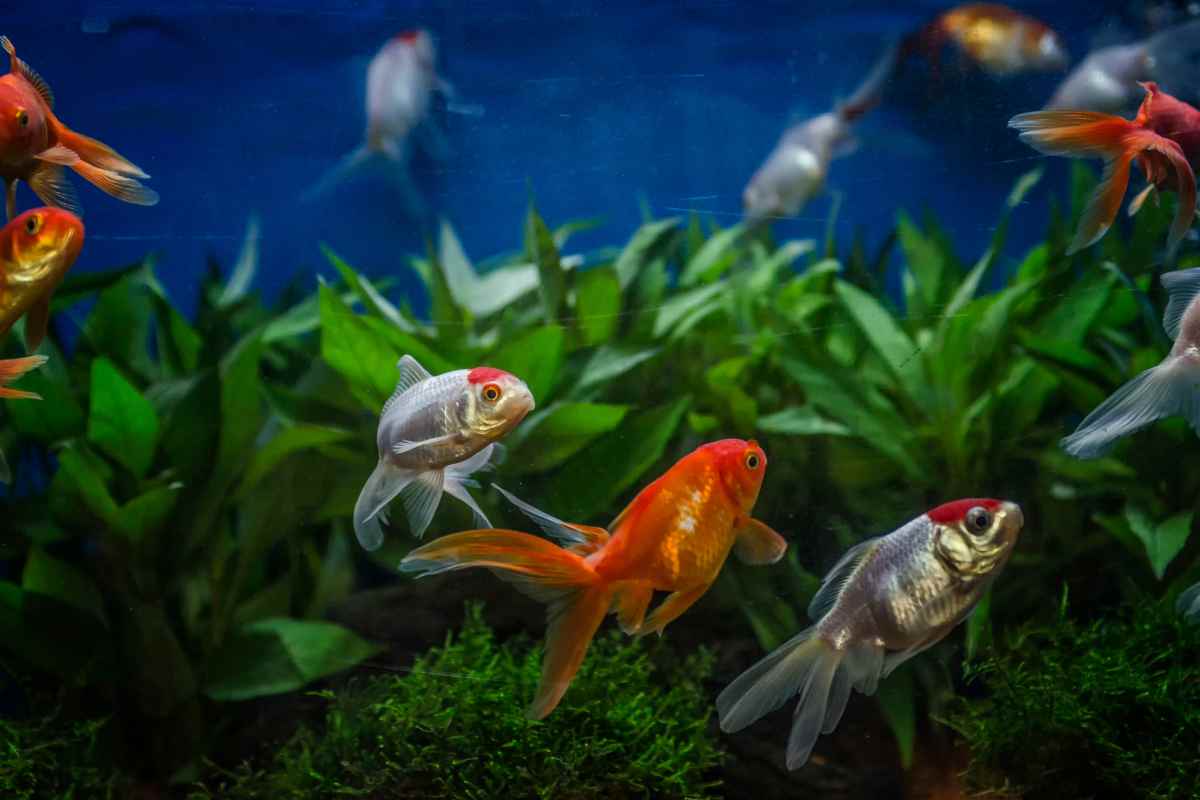
Living room: A popular choice because it’s social and visible. Position the tank where traffic won’t jostle it and where cords and filters stay discreet. Many practitioners favor locations that greet you as you enter—inviting fresh energy into the space.
Home office: Gentle motion can reduce stress and support attention. Place the tank within peripheral view to avoid glare on screens. Keep cables tidy so the look remains composed and purposeful.
Dining area: Works when the aquarium is not the only focal point. Balance with warm lighting and natural textures so water energy doesn’t feel cold.
Areas To Avoid (And Why)

Bedroom: Tanks hum, glow, and move—great for vitality, not for rest. If you must place one here, choose a small unit with quiet filtration and a timer for lights.
Kitchen: Fire (stove/oven) and water can symbolically clash. If your layout demands it, separate the tank from the cooktop with wood elements or plants to harmonize the mix.
Hallways or narrow entries: Constant foot traffic can stress fish and scatter the calming effect. Give your tank visual breathing room.
Using Feng Shui Directions
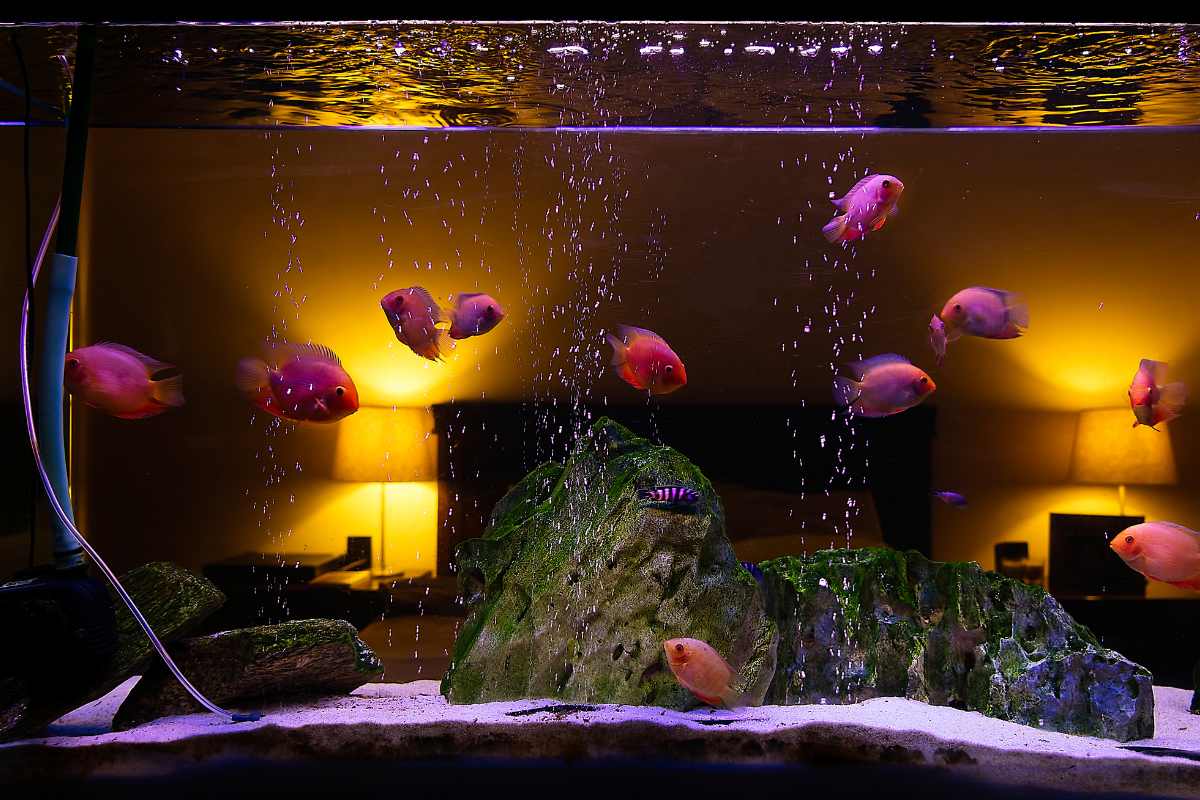
Practitioners often associate compass sectors with life themes. As a general orientation guide, water features are commonly aligned with movement and growth.
If you explore directional placement, map your space and consider how doors, windows, and sightlines interact with the tank’s presence.
Let this be pragmatic rather than rigid: first ensure good daylight control, stable temperature, and safe stands. Then refine according to Fish Tank Feng Shui principles so symbolism and real-world care work together.
Exact Placement Tips That Work
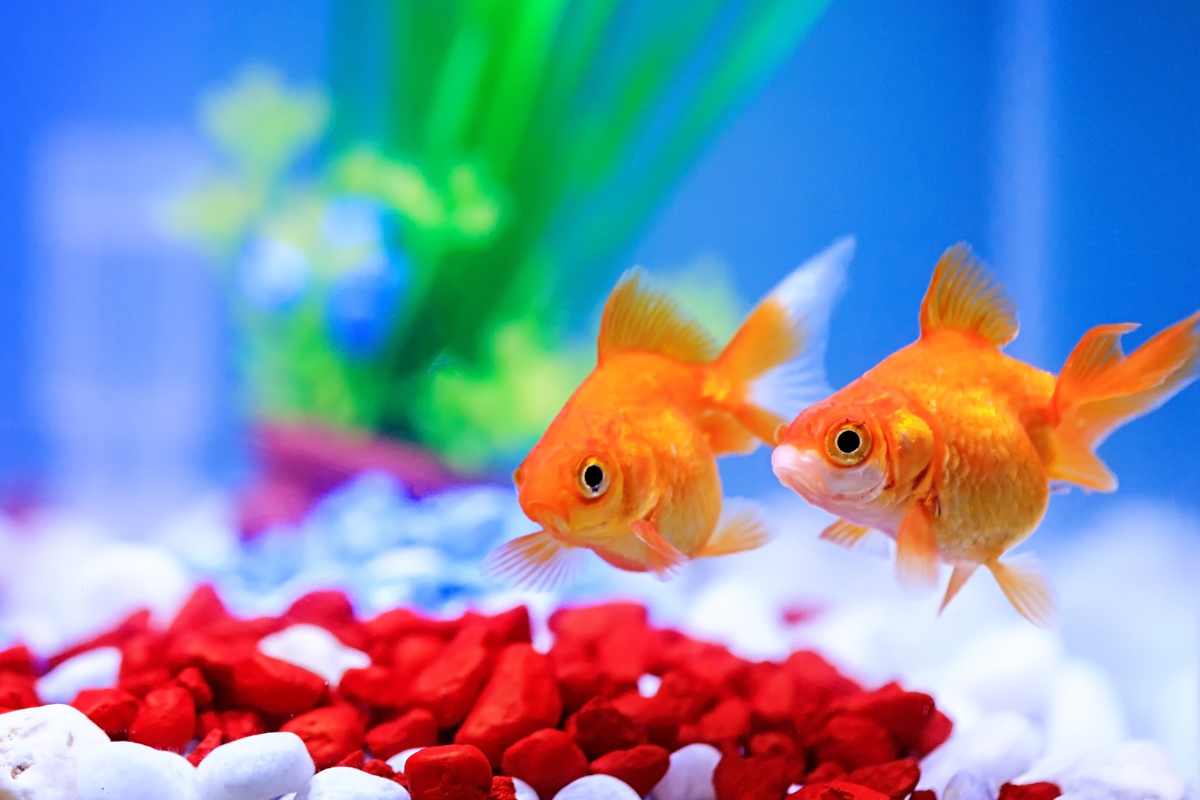
Anchor the view: Set the aquarium against a stable wall or within a sturdy cabinet niche. This gives the water element a “back” for support—a core idea in Feng Shui Fish Tank Placement.
Mind reflections: Avoid facing mirrors directly toward the tank; bouncing light can feel restless and may overstimulate the room.
Balance elements: Soften water’s coolness with warm wood, woven textures, and soft lamps. Add a leafy plant nearby (not in the tank) to bridge water to growth.
Size, Shape, And Style Choices

Scale to the room: A modest tank in a modest room feels intentional; an oversized wall of water can dominate. Think harmony, not spectacle.
Shapes: Clean rectangles are easy to maintain and read as calm. Cylinders and curved fronts add flow but may complicate placement. Choose forms that echo your furniture lines.
Lighting: Soft, dimmable lighting prevents glare and supports your evening routine. Accent lighting around the stand or shelf can elevate the whole vignette.
Care Is Good Feng Shui

Clear water, healthy fish, and quiet filters are non-negotiable. Turbidity, algae overgrowth, or noisy pumps signal disharmony.
A simple maintenance rhythm—weekly top-offs, partial water changes, filter checks—keeps the symbol and the ecosystem in balance.
Choose peaceful, compatible species and avoid crowding. Fewer, healthier fish contribute more to serenity than a packed tank.
Answering The Big Question
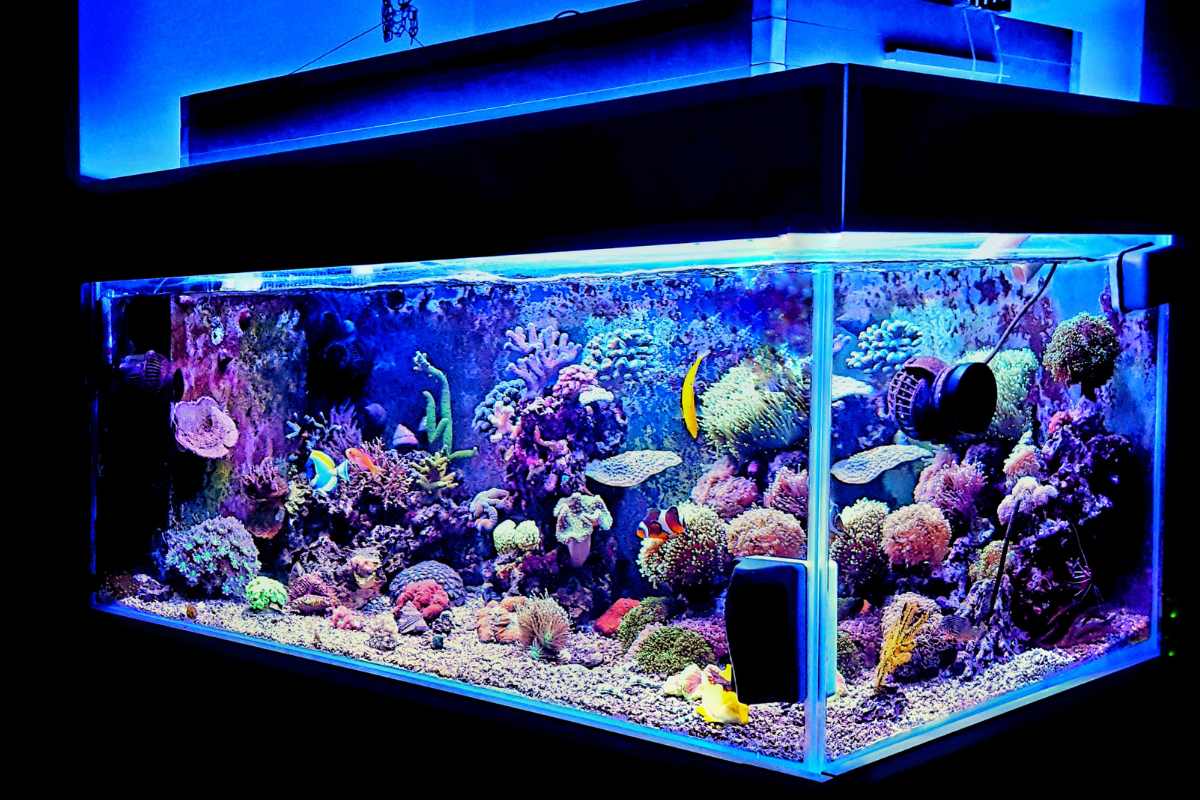
Many readers ask, “Where To Put Fish Tank In House Feng Shui?” Short answer: a stable living space you use often, where the aquarium won’t disturb sleep or clash with cooking heat. Start with the living room or study, then fine-tune by sightlines and comfort.
If you’re still torn between two spots, sit quietly in each location for a few minutes. Notice how the light, sound, and movement will feel day and night. Your body offers great feedback alongside doctrine.
Fish Tank Feng Shui Tips For Everyday Harmony
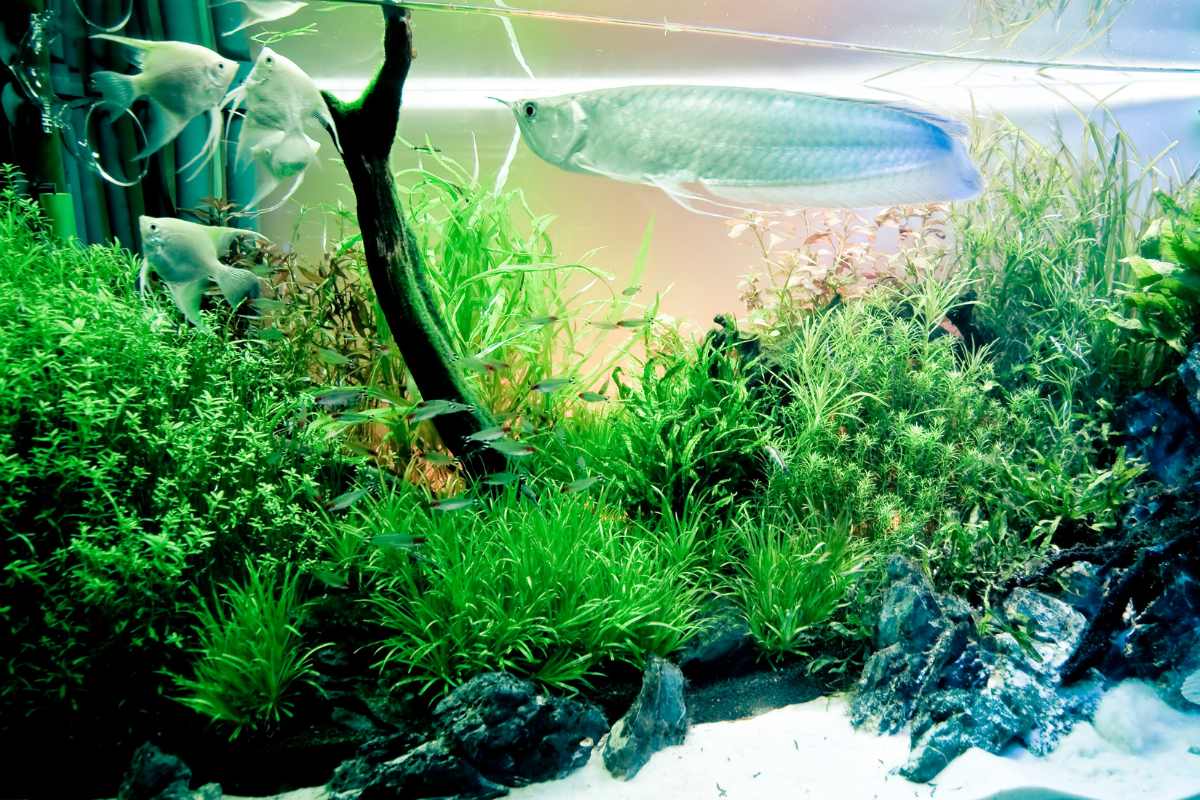
Keep the stand level and secure, route cords safely, and use a surge protector. Hide equipment lines to preserve a calm, uncluttered look—key Fish Tank Feng Shui Tips that boost both energy and aesthetics.
Refresh the aquascape seasonally. A few new stones, a different driftwood angle, or a plant trim can reset the mood without moving the tank.
Putting It All Together
Successful Fish Tank Feng Shui Placement blends symbolism with practical design: place the aquarium where you can enjoy it daily, stabilize it with a supportive backdrop, balance materials and light, and care for it consistently. That’s the essence of elegant Fish Tank Feng Shui in modern homes.
Ready to start? Sketch your room, test a few viewing angles, and choose the spot that feels calm, looks balanced, and meets your fish’s needs. Explore more home harmony ideas on Urbaki to keep refining your space with confidence.
Enjoy Watching this Video

Source: KenLauher
More Home Tips 👇🏼👇🏼