
Designing a Space to Practice Gratitude

Creating a dedicated area in your home to practice gratitude can be a powerful way to nurture mindfulness and positivity.
In our busy lives, setting aside moments to reflect on what we are thankful for helps improve mental well-being, increase happiness, and reduce stress.
Designing a space specifically for this purpose invites calm and encourages a daily habit of appreciation.
Find Perfect Pieces to Complete Your Interior Style!

- SPACE-SAVING CORNER DESIGN: This corner shelf features a...
- 5 TIER MULTIPURPOSE SHELVES: This corner bookshelf is...
- WEIGHT CAPACITY: Each shelf of this 5-tier display shelf...


- What You Get: You will get more quantity and more multiple...
- Why Choose Us?: Mckanti is committed to making better...
- No More Fear of Spills: Mckanti drink coasters are...

- BUILDABLE PLANT DECOR – Enjoy a mindful, nature-inspired...
- AUTHENTIC DETAILS – The artificial plant has realistic...
- LUCKY PLANT – Representing the season of summer in...
Let’s explore how to build such a space that feels welcoming, inspiring, and deeply personal.
Why a Dedicated Gratitude Space Matters
Having a designated spot for gratitude transforms the practice from a fleeting thought into a meaningful ritual.
It serves as a gentle reminder to pause amid the chaos and focus on the good things in life. When you associate a physical space with gratitude, your mind learns to shift toward positivity the moment you enter it.
A gratitude space can be as simple or elaborate as you want — the key is that it resonates with you and supports your intention. This personal sanctuary promotes mindfulness, grounding, and emotional balance.

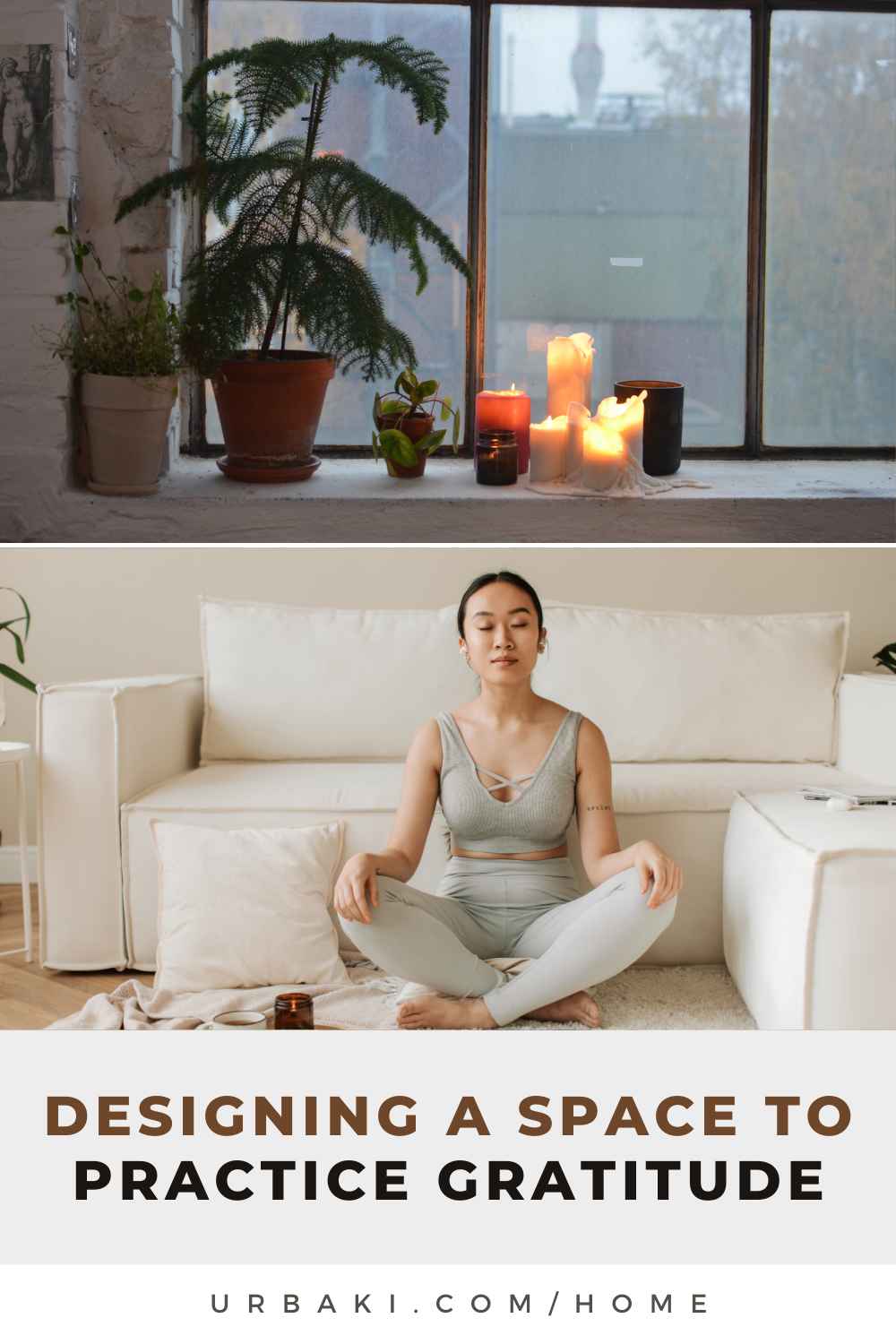
Ideas to create your own space to practice gratitude
Choosing the Right Location
The first step is to pick a quiet, comfortable corner in your home where distractions are minimal.
This could be a nook in the living room, a spot by a sunny window, or even a small section of your bedroom. Natural light is ideal because it energizes and uplifts the spirit.
If space is limited, don’t worry — even a small area with a comfortable seat and a surface for journaling can serve as your gratitude zone. The location should feel inviting so that you want to return daily.
Selecting Comfortable and Inviting Furniture
Comfort is key when designing your gratitude space. Choose a chair, cushion, or bench that supports relaxed posture. Soft cushions, a cozy throw blanket, or even a meditation pillow can make the area feel warm and welcoming.
If you prefer to sit at a desk or table to write, find a piece of furniture that fits your style and promotes good ergonomics. The goal is to create a place where you can sit comfortably for several minutes without distraction or discomfort.
Incorporating Elements that Inspire Reflection
Surround your gratitude area with objects that spark positive emotions and encourage reflection. This might include:
- Candles or soft lighting: A warm glow helps create a calm ambiance.
- Plants or flowers: Nature’s presence promotes peace and connection.
- Photos or mementos: Pictures of loved ones or meaningful keepsakes remind you of what you cherish.
- Inspirational quotes or artwork: Visual prompts can deepen your gratitude practice.
- A journal or gratitude notebook: Having a dedicated book for writing your thoughts helps form a habit.
These elements don’t need to be numerous; just a few meaningful items go a long way in making the space special.

Creating a Sensory Experience
Engaging your senses can enhance the gratitude practice. Consider adding:
- Aromatherapy: Essential oils like lavender, frankincense, or citrus can relax the mind and uplift the mood.
- Soft background music or nature sounds: Gentle melodies or sounds like rain or birdsong help block out distractions and center your focus.
- Textures: A soft rug, a knitted blanket, or smooth stones can provide tactile comfort.
By intentionally involving your senses, your space becomes a refuge where gratitude feels natural and deeply felt.
Setting Up Tools for Your Practice
To make your gratitude practice consistent, keep all necessary tools within easy reach. These might include:
- Pens or colored markers: To write or decorate your journal.
- Sticky notes or gratitude cards: For quick reminders or affirmations.
- A bowl or jar: To collect written notes of things you’re thankful for.
- Meditation cushions or yoga mats: If you combine gratitude with meditation or gentle stretching.
Organizing these supplies neatly encourages regular use and helps avoid excuses to skip your practice.
Designing with Personal Meaning
The most important aspect of your gratitude space is that it feels uniquely yours. Reflect on what gratitude means to you personally and incorporate symbols or objects that resonate deeply.
This might be a souvenir from a meaningful trip, a handcrafted item, or a book that changed your perspective.
Personal touches strengthen your connection to the space and make it a true sanctuary. It becomes a reflection of your journey toward greater appreciation and mindfulness.

Establishing a Routine Around Your Space
Once your space is ready, commit to a routine that anchors gratitude in your daily life. It could be:
- Starting the day by writing three things you’re thankful for.
- Ending the day with a few minutes of silent reflection or meditation.
- Using the space for weekly journaling sessions to dive deeper into gratitude.
By associating specific times with your gratitude space, you build a ritual that supports emotional wellness and balance.
Benefits Beyond the Space
Designing a gratitude corner doesn’t just improve your mental state when you are in it — the effects ripple into other parts of your life. Regular gratitude practice has been linked to:
- Better sleep quality
- Reduced anxiety and depression
- Improved relationships
- Greater resilience in facing challenges
The physical environment acts as a catalyst, but the true power lies in the daily commitment to noticing and appreciating life’s gifts.
Tips to Keep Your Gratitude Space Fresh
To maintain enthusiasm and avoid stagnation:
- Rotate the objects or decorations seasonally.
- Add new quotes or artwork that inspire you.
- Change the lighting or scents to suit your mood.
- Invite family members to contribute ideas or objects.
- Occasionally clean and declutter the area to keep it inviting.

Keeping the space dynamic helps maintain your interest and deepens the practice over time.
Designing a space to practice gratitude is a wonderful way to bring calm, clarity, and joy into your everyday routine.
By intentionally creating a comfortable, inspiring, and personal environment, you encourage regular reflection on the blessings in your life.
This simple but powerful habit can transform your mindset, foster emotional strength, and uplift your overall well-being.
Start small, personalize your corner, and watch how the practice of gratitude grows naturally from your space into your heart.
Did you find this post Useful or Inspiring? Save THIS PIN to your HOME Board on Pinterest!
More Home Tips 👇🏼👇🏼