
The Pros and Cons of Owning a Natural Pool


If you've ever dreamed of having a pool that blends seamlessly into nature, a natural pool might just be the perfect solution.
These eco-friendly alternatives to traditional chlorine pools are becoming increasingly popular in homes worldwide.
In this guide, we’ll explore the pros and cons of owning a natural pool, helping you decide if it's the right choice for your home.
What is a Natural Pool?
A natural pool is a body of water that is cleaned without chemicals like chlorine. Instead, it relies on biological filtration and a system of aquatic plants and microorganisms to maintain water clarity and balance.
Natural pools consist of two main zones: one for swimming and another for regeneration, where plants purify the water.
This innovative design creates a self-sustaining ecosystem, offering both aesthetic beauty and environmental benefits.
 Why Choose a Natural Pool? The Benefits
Eco-Friendly and Healthier for You
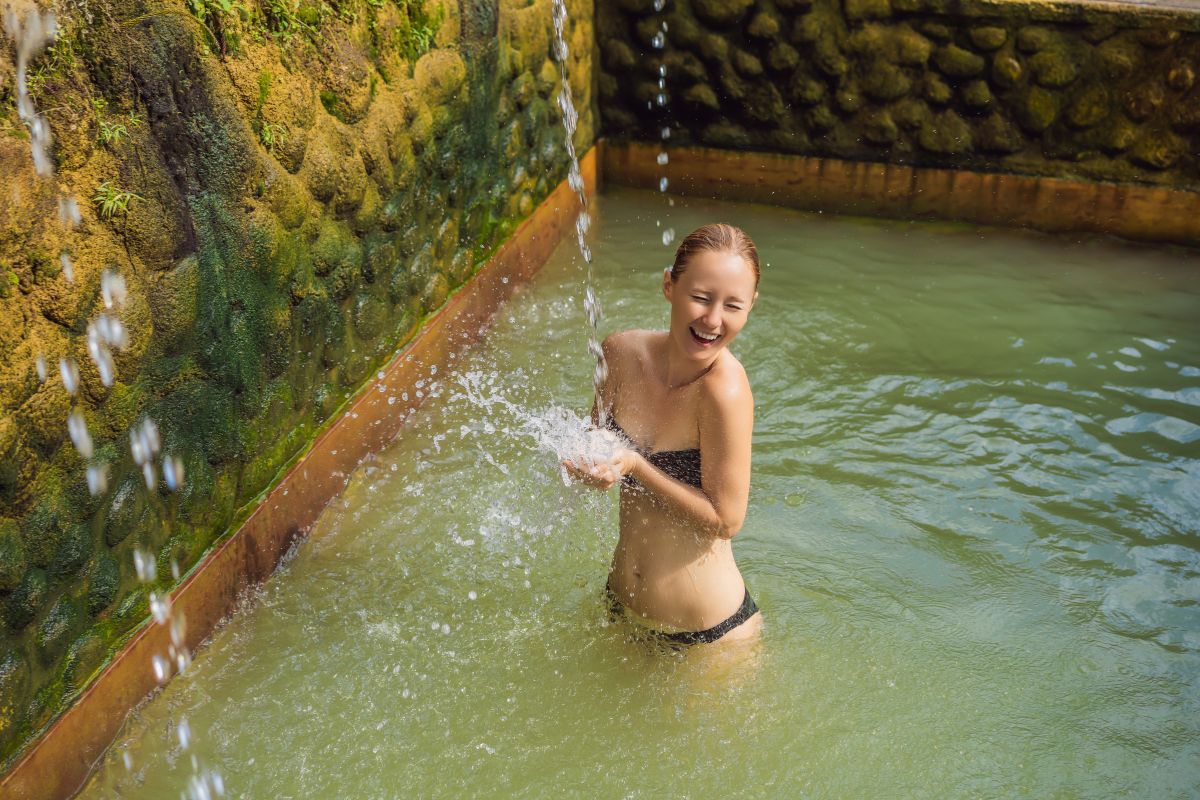
Natural pools are a fantastic choice for those who want to prioritize the environment and their health. Without the need for chlorine, the water is much gentler on your skin and eyes, making swimming more enjoyable.
Moreover, by using natural filtration, you’re also contributing to reducing chemical pollution in your backyard.
Low Maintenance
While natural pools do require some maintenance, it’s generally lower compared to traditional pools. You won’t need to constantly monitor pH levels or add chemicals.
The system operates more like a natural pond, so you only need to clean it periodically and check the balance of the ecosystem.
 Customizable Design
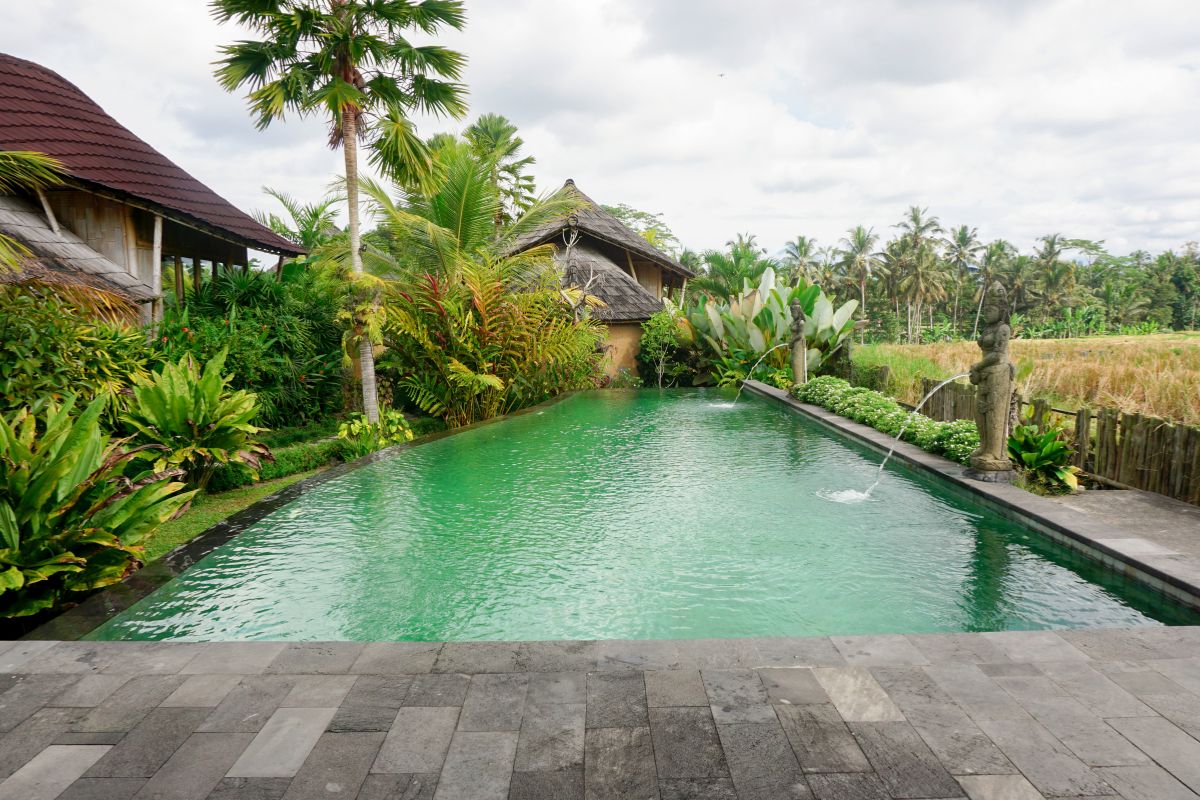
One of the most appealing aspects of natural pools is their design flexibility. You can integrate them into any landscape, transforming your backyard into a beautiful oasis that mirrors the natural environment.
Whether you're looking for a tropical look or something more minimalist, a natural pool can be designed to suit your style.
Long-Term Savings
Though the initial investment may be higher, natural pools typically cost less to maintain over time. You won’t need to purchase expensive chemicals or pay for high electricity bills from filtration systems.
In the long run, you may find that a natural pool is more affordable than a traditional chlorine pool.
Sustainable During Winter
Unlike conventional pools, natural pools don’t need to be drained in the winter.
They can freeze like a pond, and you won’t have to worry about expensive winterizing procedures. This makes them an excellent option for homes in colder climates.
 What to Consider Before Installing a Natural Pool: The Drawbacks
Higher Initial Cost
The biggest downside to a natural pool is the initial cost. Constructing a natural pool involves more planning and labor than a traditional pool.
You'll need a specialized contractor to ensure proper installation, and the cost of materials can add up quickly.
Requires Space
A natural pool needs a substantial amount of space. You need room for both the swimming area and the regeneration zone, which may not be ideal for small yards. It’s important to have enough land to accommodate the pool’s design.
Water Appearance
The water in a natural pool can sometimes look different from the crystal-clear water of a chlorinated pool.
It may not be as transparent, especially right after installation when the ecosystem is still balancing. However, this is generally a temporary issue as the system matures.
 Limited Availability of Specialists
Not all pool contractors are familiar with the design and installation of natural pools. It may take some time to find the right professional who can execute your vision, which could delay the project.
Adjustment Period
The ecosystem in a natural pool takes time to establish itself. This means that you might not be able to use the pool immediately after installation, and it could take several weeks for the water quality to reach ideal conditions.
Is a Natural Pool Right for You?
If you value sustainability, beauty, and an organic approach to pool ownership, a natural pool could be the perfect fit.
While the upfront costs and space requirements are higher, the long-term benefits of lower maintenance and an eco-friendly, chemical-free swimming experience can outweigh these initial challenges.
 Embrace the Beauty of Nature with a Natural Pool
A natural pool can transform your backyard into a serene, eco-friendly retreat that harmonizes with the environment.
While there are considerations such as higher installation costs and space requirements, the rewards of having a low-maintenance, chemical-free pool are undeniable.
If you're ready to invest in a unique, sustainable feature for your home, a natural pool might be just what you’re looking for.
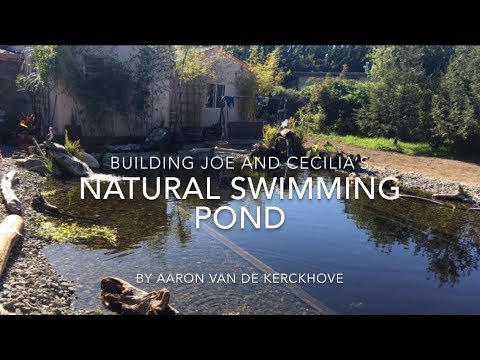
Enjoy watching this video
Source: apvsculpture
Did you find this post useful or inspiring? Save THIS PIN to your HOME Board on Pinterest! 😊

Once again, thank you for visiting our website!
We hope you've enjoyed exploring the content we've created for you.
Give yourself the chance to learn, get inspired, and have even more fun, keep browsing...
More Home Tips 👇🏼👇🏼