
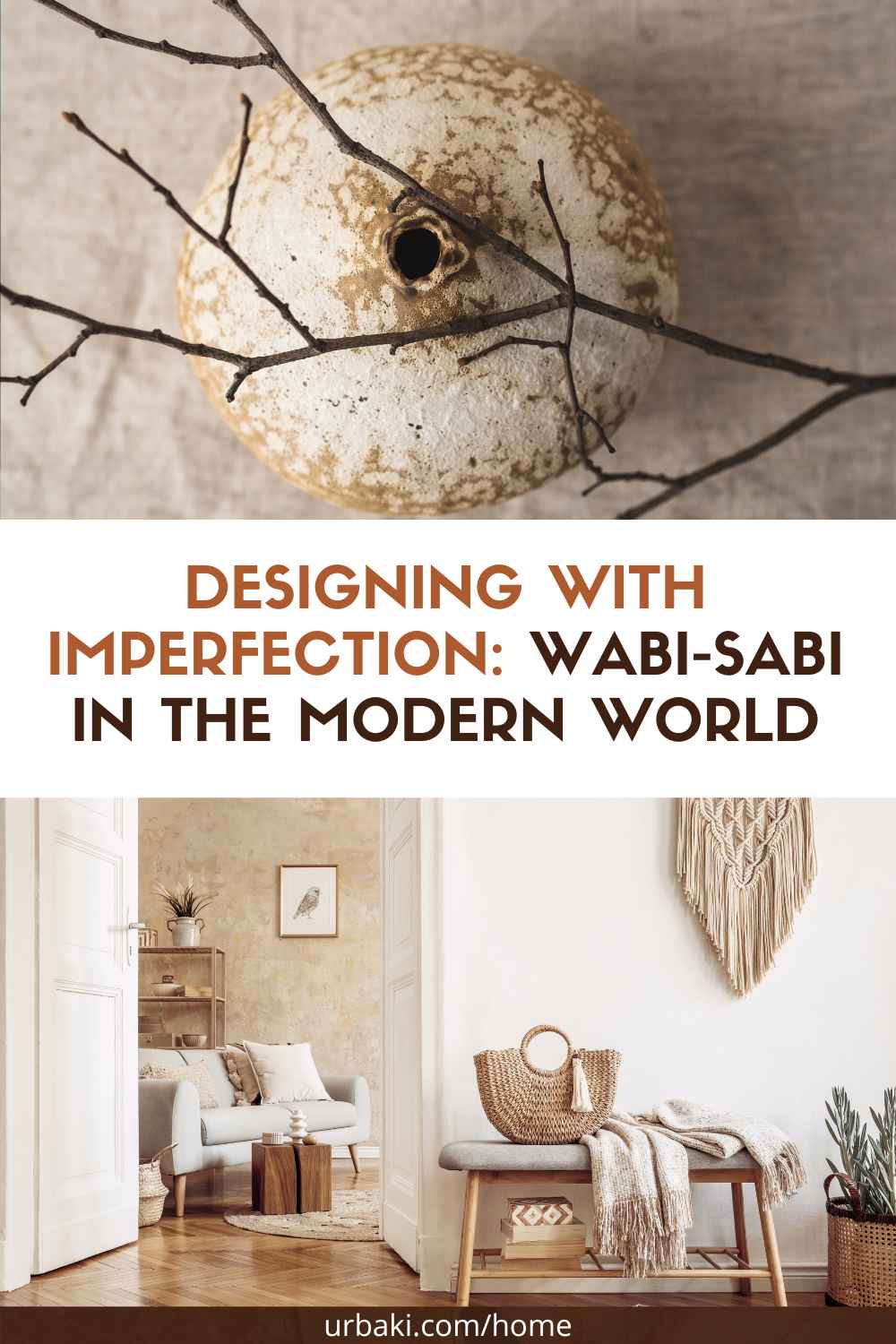
Designing with Imperfection: Wabi-Sabi in the Modern World

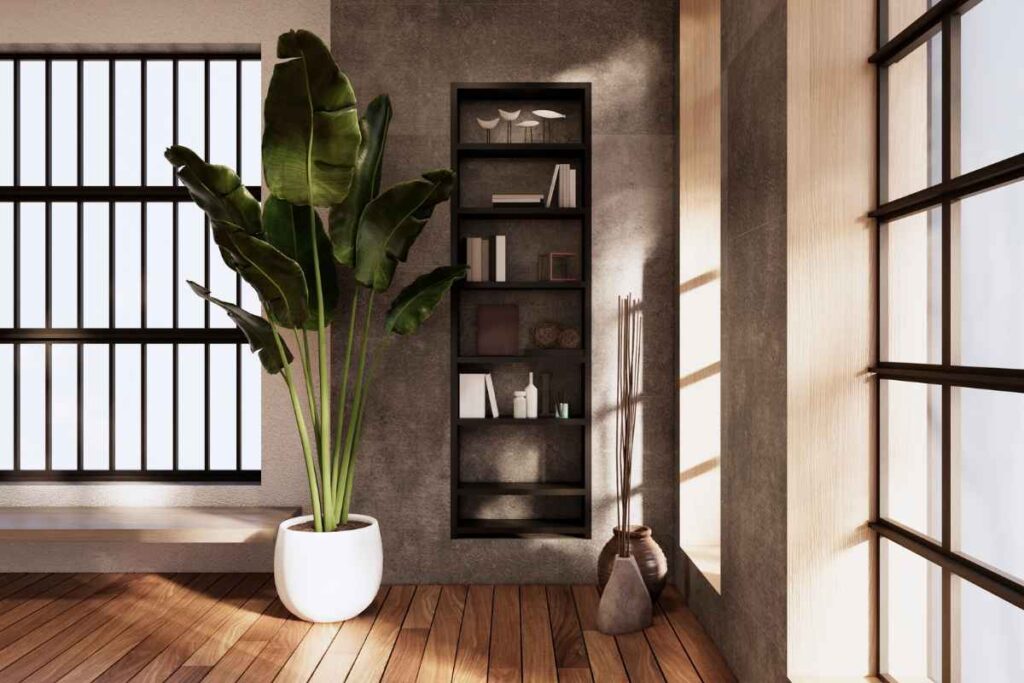
In today’s fast-paced, perfection-driven society, the concept of imperfection is often overlooked, but it holds a deep and meaningful role in design.
Embracing imperfection is at the core of Wabi-Sabi, a Japanese philosophy that celebrates the beauty found in the flawed, the worn, and the natural.
In this article, we’ll explore how Wabi-Sabi is influencing modern design, and how embracing imperfection can create spaces that feel more authentic, calming, and truly human.
What is Wabi-Sabi?
Wabi-Sabi is an ancient Japanese aesthetic that values imperfection, transience, and asymmetry.
Derived from Zen Buddhist teachings, this philosophy encourages us to appreciate the beauty in objects and spaces that reveal the passage of time and human influence. It’s the idea that nothing lasts, nothing is finished, and nothing is perfect.
The essence of Wabi-Sabi lies in finding elegance in simplicity and seeing beauty in natural imperfections. A chipped teacup, a weathered wooden table, or a worn piece of fabric all have stories to tell, and these imperfections make them unique and valuable.
Rather than covering up flaws or hiding signs of wear, Wabi-Sabi teaches us to embrace them as part of the beauty and life of an object or space.
The Rise of Wabi-Sabi in Modern Design
In the modern world, there has been a noticeable shift towards minimalism and simplicity in design, with Wabi-Sabi at its core. This can be seen in various aspects of interior design, art, and architecture.
The rise of slow living and a desire to connect with nature has made Wabi-Sabi’s principles more appealing.
People are increasingly looking for ways to disconnect from the overly polished and artificially perfect world around them, and instead, create spaces that are calm, welcoming, and full of character.
Natural Materials in Modern Spaces
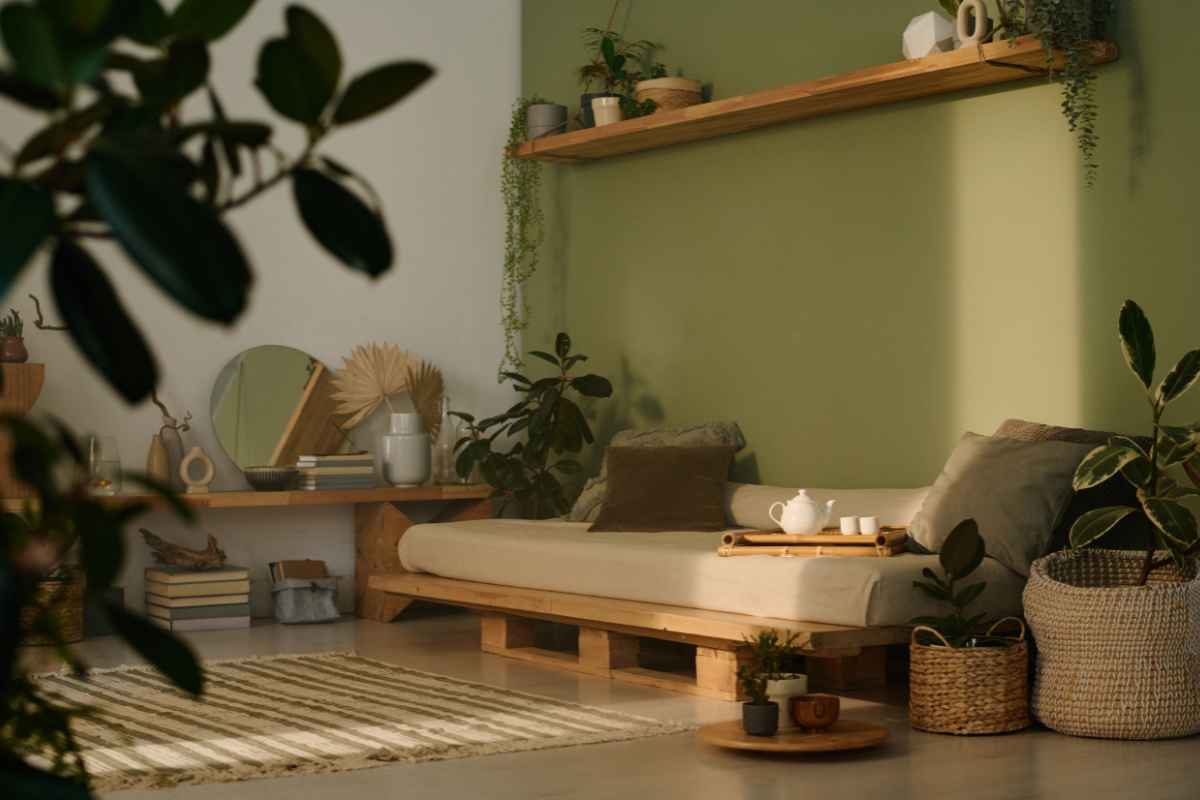
One of the primary elements of Wabi-Sabi in design is the use of natural materials. Whether it’s the raw texture of concrete, weathered wood, or the organic shapes of stone, natural materials are at the forefront of Wabi-Sabi-inspired interiors.
These materials are allowed to maintain their flaws and imperfections, which not only adds beauty but also depth and warmth to a space.
For instance, a wooden floor that has aged over time or a stone countertop with slight cracks tells a story of use, history, and authenticity.
It invites people to appreciate the value of time and change, something that modern, mass-produced materials often lack. These materials allow for a more personal connection to the space, as they age and evolve alongside their owners.
Imperfect Furniture and Decor
In Wabi-Sabi design, furniture and decor are not expected to be perfect. Instead, items are chosen for their imperfection and their ability to bring a sense of warmth and soul to a room.
This can include furniture that may have been handmade, showing the marks of its creator, or decor pieces that feature asymmetry and uneven shapes.
Incorporating imperfect pieces into a space encourages the idea that beauty isn’t confined to flawless symmetry or pristine surfaces.
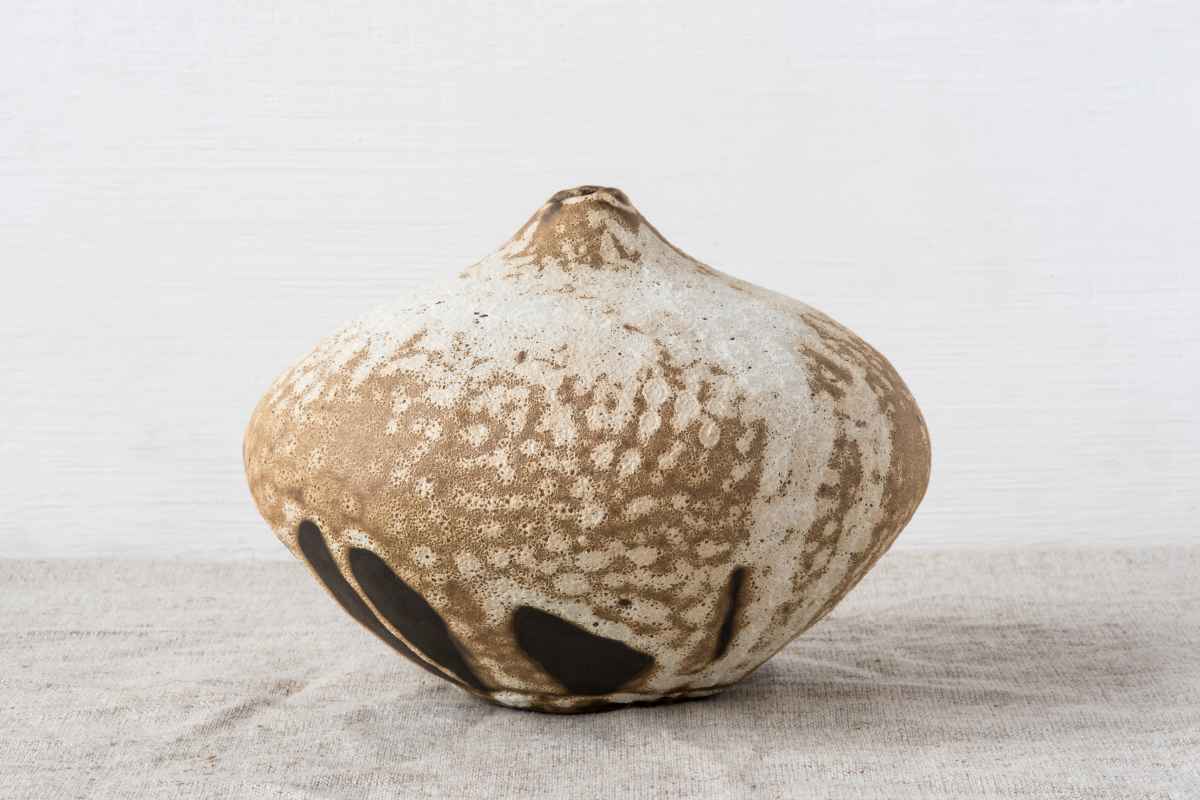
For example, a handcrafted ceramic vase with a slightly uneven lip or a rug with natural fraying edges adds character and charm to the environment. These imperfections aren’t seen as flaws but rather as qualities that make these items special and more authentic.
The Beauty of Imperfect Lighting
Lighting plays a crucial role in setting the mood of a room, and Wabi-Sabi encourages a more gentle and soft approach to illumination.
Rather than harsh, artificial lighting that creates sharp contrasts and highlights every corner of a room, Wabi-Sabi favors lighting that evokes warmth, softness, and subtlety. This can include dimmed lamps, candlelight, or fixtures that have a rough, raw texture.
The lighting should enhance the space’s mood and complement its imperfections, creating a comfortable and inviting atmosphere.
This approach to lighting can help people feel more connected to the environment, providing a sense of calm and tranquility that is hard to achieve in spaces with overbearing, perfectly balanced lighting.
Wabi-Sabi and Sustainability
Another reason Wabi-Sabi is gaining popularity in modern design is its connection to sustainability. Wabi-Sabi encourages the use of materials and objects that have stood the test of time and can continue to be used for years.
This reduces the need for constant consumerism and the purchase of new, mass-produced items that often contribute to environmental harm.
Embracing imperfect or vintage furniture and decor is not only in line with Wabi-Sabi principles, but it also promotes a more sustainable way of living.
Upcycling and reusing items, rather than constantly buying new things, supports a lifestyle that values longevity and quality over quantity. In this way, Wabi-Sabi aligns with the growing desire for eco-friendly, mindful living.

How to Incorporate Wabi-Sabi Into Your Home
If you’re looking to bring Wabi-Sabi into your home, here are a few practical tips:
1. Choose Natural Materials: Opt for wood, stone, clay, and linen to bring nature into your space. These materials are often more durable and have a timeless quality.
2. Embrace Imperfect Decor: Find decor pieces that have asymmetry or signs of age. A vintage armchair with a worn-in seat or an old-fashioned copper lamp with patina can become the highlight of a room.
3. Simplify the Space: Keep your spaces clutter-free. Wabi-Sabi doesn’t mean having an empty room, but rather one that is thoughtfully curated with items that bring you peace.
4. Focus on Natural Light: Allow natural light to fill your space, letting it soften the imperfections of the room. Use sheer curtains or leave windows uncovered when possible to let the light filter through.
5. Celebrate Patina and Age: Don’t shy away from pieces that show signs of wear. Whether it’s chipped pottery or a faded painting, these items often tell a more compelling story than new, shiny objects.
The Emotional Impact of Wabi-Sabi Design
At its core, Wabi-Sabi is about accepting the fleeting nature of life and appreciating beauty in its most authentic form. The imperfections found in objects and spaces bring us closer to the truth of our own lives.
We are all marked by time, experiences, and emotions—just like the objects around us. By embracing Wabi-Sabi, we create spaces that invite reflection, mindfulness, and a deeper connection to the present moment.
Wabi-Sabi teaches us to appreciate what is natural and imperfect in ourselves and in the world around us. This approach to design fosters an environment that feels more grounded, peaceful, and connected to the larger picture of life.
Designing for a More Authentic Life
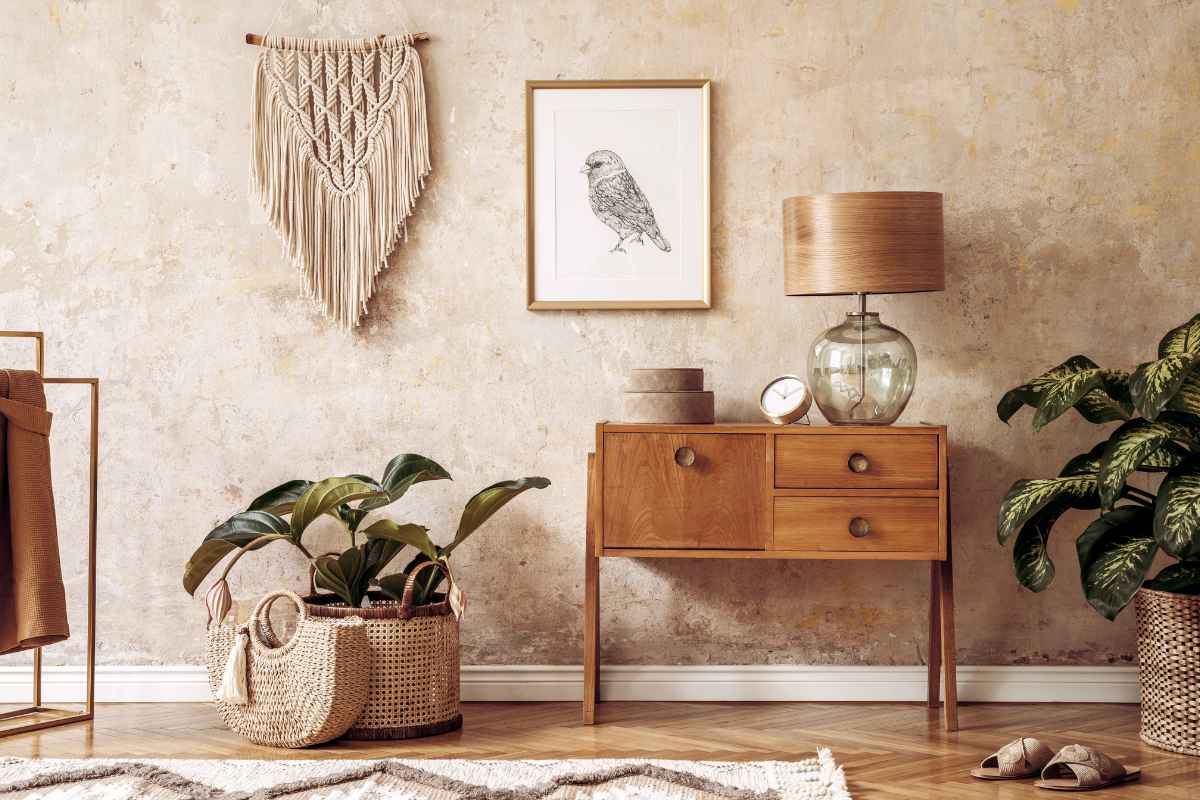
In the modern world, Wabi-Sabi offers an opportunity to reconnect with what truly matters. By embracing imperfection in design, we can create spaces that are more genuine, relaxed, and beautiful in their own right.
It is a reminder that perfection is fleeting, and imperfection is where true beauty lies. So, next time you look at a chipped plate, a scratched table, or a faded painting, take a moment to appreciate its story, its uniqueness, and its place in the world.
This, after all, is the spirit of Wabi-Sabi.
Did you find this post Useful or Inspiring? Save THIS PIN to your HOME Board on Pinterest!
More Home Tips 👇🏼👇🏼