
Reducing Home Overstimulation Without Going Minimalist

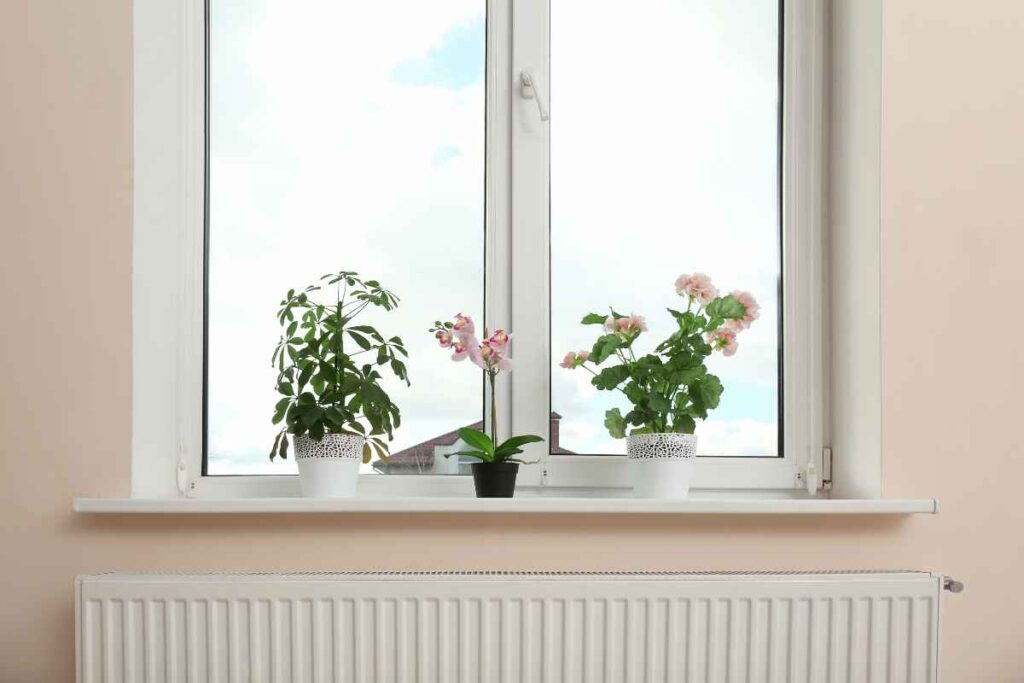
In today's fast-paced world, it can feel like everything around us is demanding our attention. The constant noise, visual clutter, and overwhelming sensory input can lead to home overstimulation.
While minimalism is often proposed as the solution to a calmer home, not everyone is ready to adopt a minimalist lifestyle. The good news is, there are other ways to reduce overstimulation in your home without completely clearing out your space.
Here are some practical tips that will help you create a peaceful, balanced environment.
Understanding Home Overstimulation
Before diving into solutions, it's important to understand what home overstimulation looks like. Overstimulation occurs when there is an overload of sensory input—whether through noise, colors, clutter, or even technology.
This excess can lead to stress, anxiety, and even difficulty focusing. The home, which should be a sanctuary, can sometimes feel like a chaotic environment that makes it harder to relax.
But how do we combat overstimulation without sacrificing personality or warmth in our homes? Here are several strategies you can apply.
Declutter Strategically, Not Drastically
Clutter is often seen as the primary culprit in overstimulation. However, you don’t need to completely declutter or go minimalist to achieve a more serene space. Start by tackling areas that contribute to the most stress.
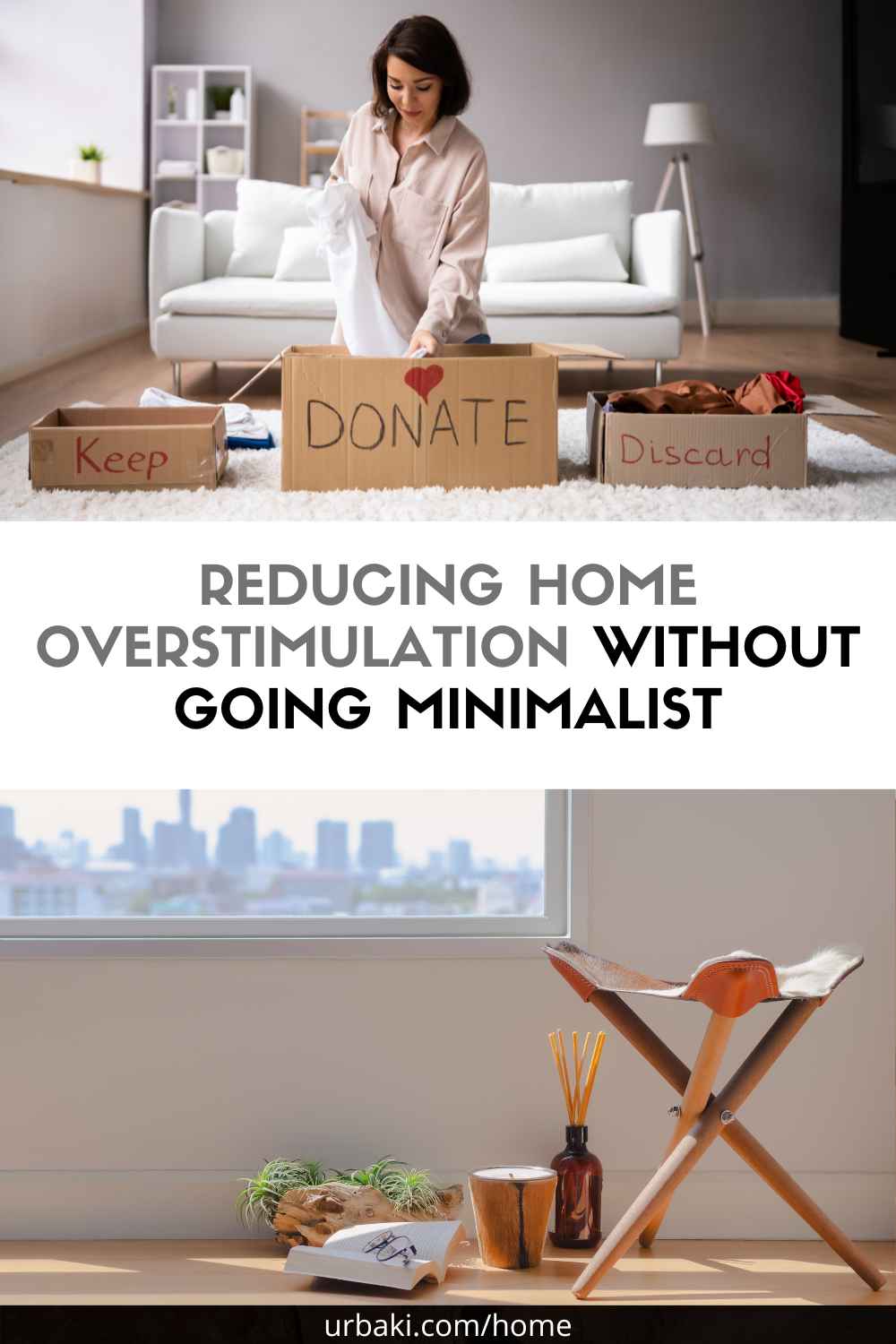
For instance, organize countertops, desks, or entryways. Focus on keeping only those items that are necessary or bring you joy. You don’t have to purge everything, but simply reducing the volume of stuff can instantly create a more peaceful environment.
Tip: Instead of minimizing everything, create a designated space for items that you use frequently. Keeping clutter contained in one area can prevent it from overwhelming the entire home.

Utilize Calming Colors
The colors in your home play a significant role in how it feels. Bright, bold colors may energize a room, but they can also add to overstimulation.
To create a calm, welcoming atmosphere, consider switching to soft, neutral tones like beige, pale gray, or soft whites. These colors have been shown to have a calming effect on the mind and body.
That doesn’t mean you need to give up color entirely. Subtle hues of soft blues, muted greens, and warm earth tones can still provide personality while reducing overstimulation.
Accent pieces like throw pillows, artwork, or rugs can bring color into your home without overwhelming the senses.
Limit Noise Distractions
Noise pollution in the home can be a major source of overstimulation. Whether it’s the hum of a refrigerator, the buzz of an electric fan, or the constant drone of background TV, noise can disrupt your sense of peace.
To minimize noise, start by identifying the sources that create the most distraction. You might want to consider:
- Investing in noise-canceling devices: White noise machines or fans can mask unwanted sounds, making the environment more peaceful.
- Soundproofing areas: Adding rugs, curtains, and wall hangings can help absorb sound and create a quieter atmosphere.
- Setting technology boundaries: Limit the use of devices that constantly emit sound, like TVs or loud speakers. A quiet space can significantly reduce stress levels.
Introduce Natural Elements
One of the most effective ways to create a calming atmosphere is by introducing nature into your home. Bringing in plants, flowers, or natural wood can have a grounding effect, reducing overstimulation without sacrificing style.
Plants like lavender, peace lilies, and snake plants not only improve the air quality but also add a touch of tranquility to your home.
Tip: If you don't have a green thumb, start small with easy-to-care-for plants like succulents. Over time, you can experiment with different types of plants to see which ones help foster a sense of calm.
Incorporating natural materials, such as wood, stone, or cotton, can also bring a sense of warmth and serenity to your home. These elements create a connection to nature, which can be incredibly soothing.
Create Cozy, Defined Spaces
The way your home is laid out can affect how it feels. Open-plan layouts can sometimes make spaces feel chaotic or unfocused. If you're feeling overstimulated, try defining spaces within your home to create a sense of order and peace.
For example, use furniture arrangement to create distinct zones. A cozy reading nook, a quiet corner for meditation, or a calm dining area can help segregate activities and provide moments of stillness.
Using dividers, bookshelves, or curtains can also add a sense of structure and clarity to large, open spaces.
Tip: Be intentional about where you place furniture and objects. Create spaces that encourage relaxation and reduce the visual clutter from everyday life.
Simplify Your Lighting
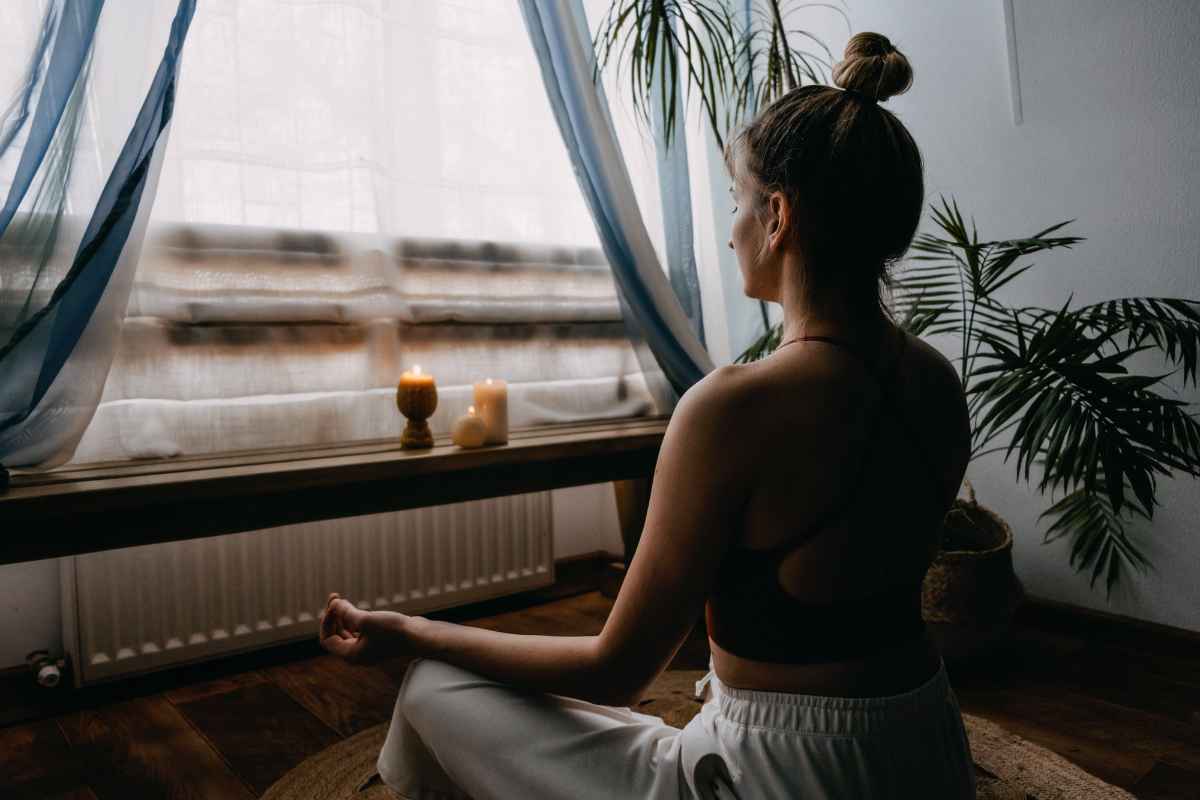
Lighting can have a huge impact on your home’s atmosphere. Bright, overhead lights can be jarring and contribute to overstimulation. Instead, opt for softer lighting to create a more relaxing ambiance.
Consider using table lamps, floor lamps, or wall sconces with dimmer switches to adjust the lighting to suit different moods.
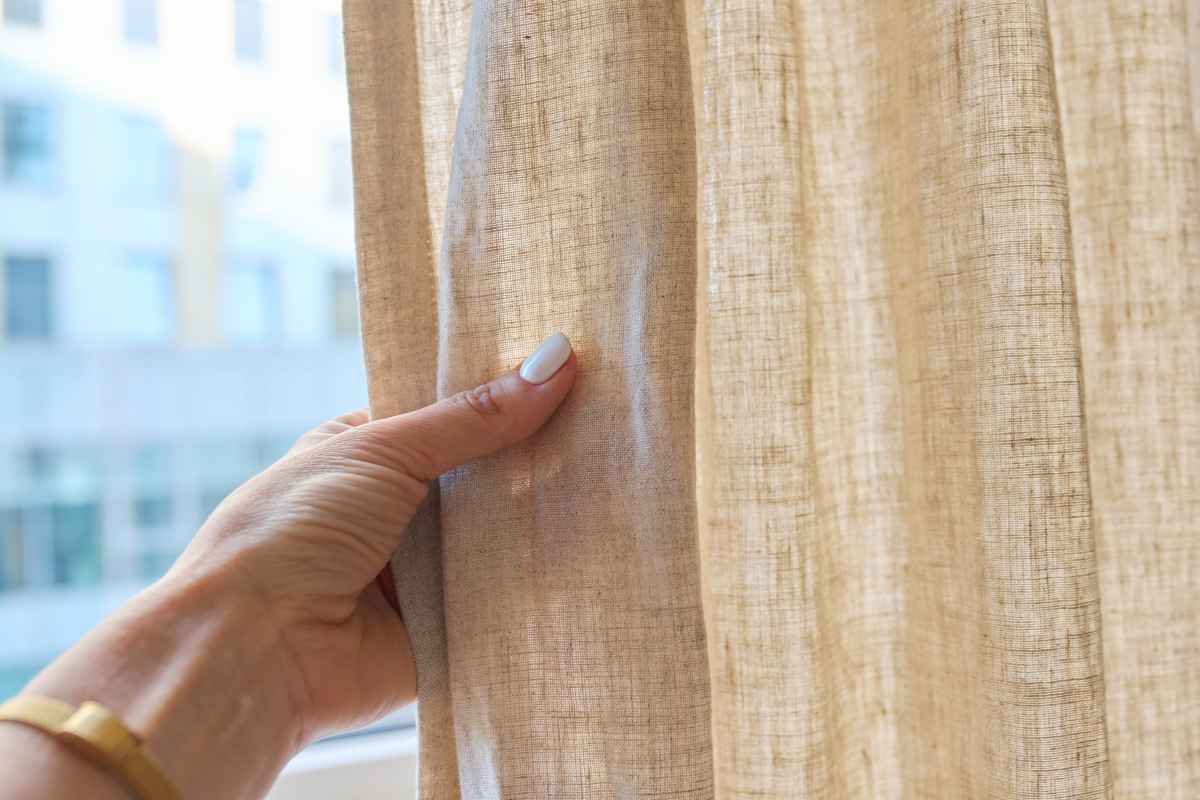
Natural light is also incredibly important for reducing overstimulation. Whenever possible, allow natural light to flood your space by using sheer curtains or blinds that let in sunlight without making the room too bright.
In the evenings, soft, warm lighting can help signal to your brain that it’s time to wind down, promoting relaxation and reducing stress.
Manage Digital Devices
Technology can be both a blessing and a curse when it comes to home overstimulation. Phones, tablets, and computers are great for productivity, but they can also be distracting and overwhelming.
One way to manage digital overstimulation is by setting boundaries for when and how you use devices.
For instance:
- Create tech-free zones in your home, such as the bedroom or dining room. This can help reduce distractions and encourage more face-to-face interactions.
- Set specific times for checking emails and social media so that you aren’t constantly bombarded by notifications.
- Use blue light filters on your devices, especially in the evening, to reduce eye strain and help your body prepare for rest.

Embrace the Power of Routine
One of the most effective ways to reduce overstimulation is by creating a routine that fosters a sense of calm and control. Having regular times for tasks like cooking, cleaning, and unwinding can help you feel more in control of your environment.
A predictable routine can also signal to your brain when it’s time to relax, work, or sleep, minimizing the stress that comes from chaos or uncertainty.
Tip: Start by simplifying your daily tasks and creating a schedule that balances work, family, and self-care. A well-organized day can help keep your home environment calm and inviting.
Balance, Not Perfection
Reducing home overstimulation is all about finding a balance that works for you and your lifestyle. You don’t have to go minimal to achieve a calm environment. Instead, focus on small, manageable changes that can have a big impact.
By decluttering strategically, using calming colors, limiting noise, and creating defined spaces, you can foster a peaceful, soothing home. Remember, the goal isn’t perfection—it’s about creating a space where you can relax and recharge without feeling overwhelmed.
Did you find this post Useful or Inspiring? Save THIS PIN to your HOME Board on Pinterest!
More Home Tips 👇🏼👇🏼