
Feng Shui Color Tips to Create a Beautiful Home (PART II)


Feng Shui Color Tips to Create a Beautiful Home is all about using color with intention to shape how a space feels and functions.
In this quick guide inspired by a YouTube video (credit to the original creator), we translate feng shui principles into practical, modern choices you can apply room by room without overhauling your whole place.
Feng Shui Basics: How Color Tunes Your Space
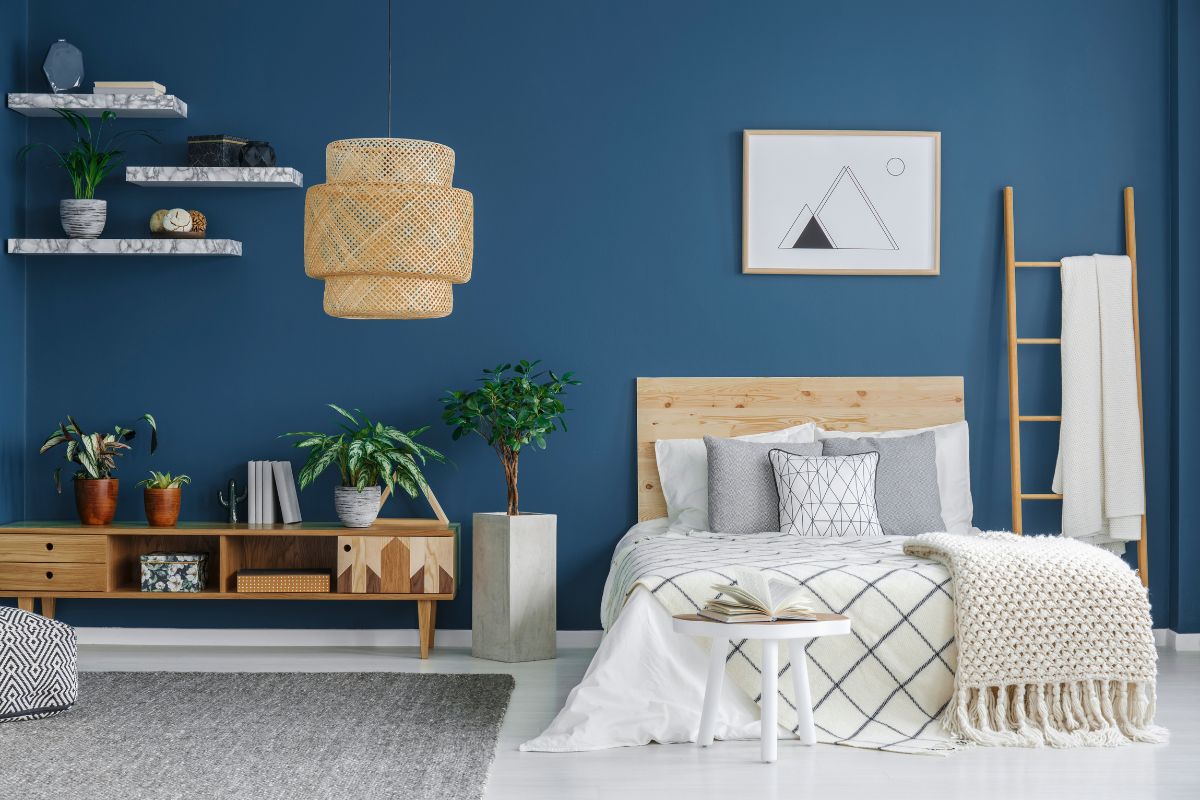 In classical feng shui basics, each color echoes an element—Wood, Fire, Earth, Metal, and Water—affecting flow, focus, and rest. Think of color as a subtle conductor of feng shui energy.
Soft greens and teals feed the Wood element to support growth; warm reds or corals spark Fire for momentum; sandy neutrals express Earth for stability.
Start by noting the dominant use of each room—work, sleep, gathering—and select hues that back that purpose.
Cool blues and gentle whites can calm a bedroom, while warm terracottas or sunlit yellows make a dining space feel welcoming.
This is the heart of a practical feng shui guide: let function lead color, then layer accents to fine-tune the vibe.
Not sure where to begin? Pin colors to a mood board (your “home board”) and view them under daylight and evening bulbs.
The goal is not perfection but harmony that helps you improve energy through color, light, and texture.
Room Feng Shui: From Healing Room to Everyday Comfort
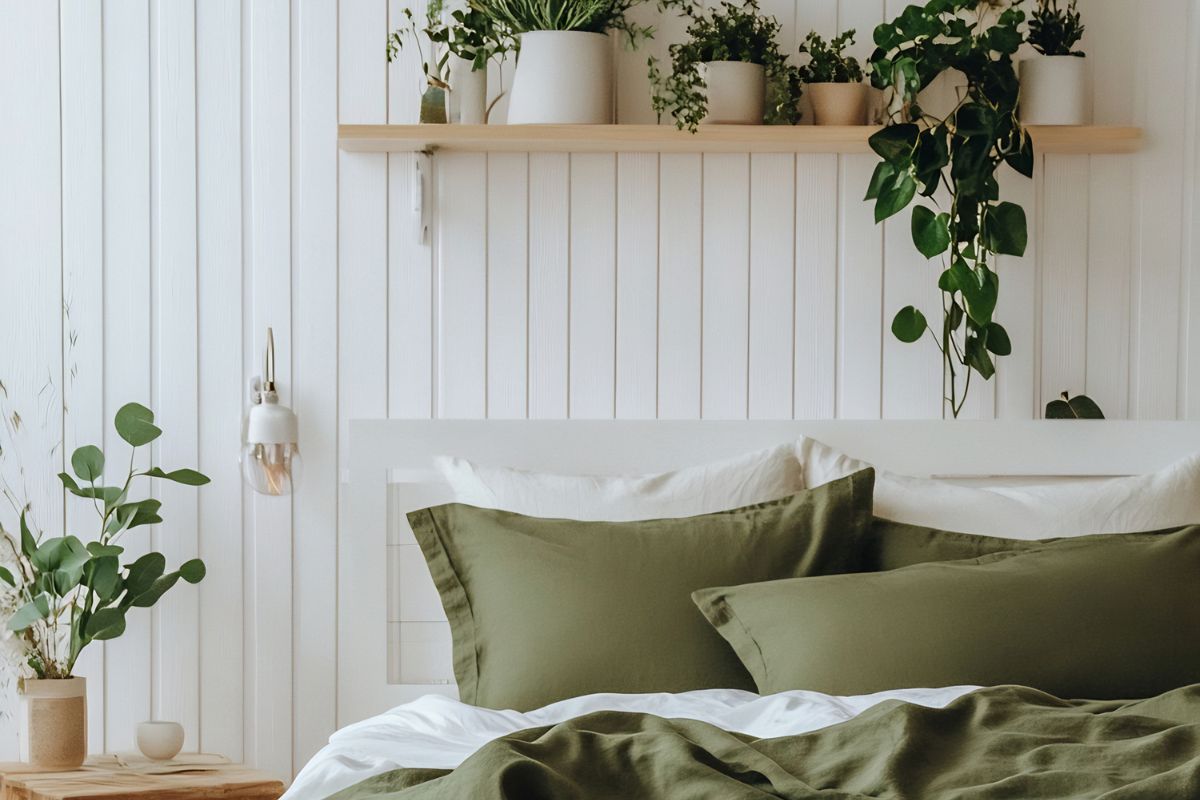 If you crave a healing room—a corner for breathwork, journaling, or meditation—favor mints, sages, and gentle wood tones. These cultivate restoration without dulling the senses.
Add soft textures and a plant to strengthen the Wood element and a natural rhythm in your room feng shui.
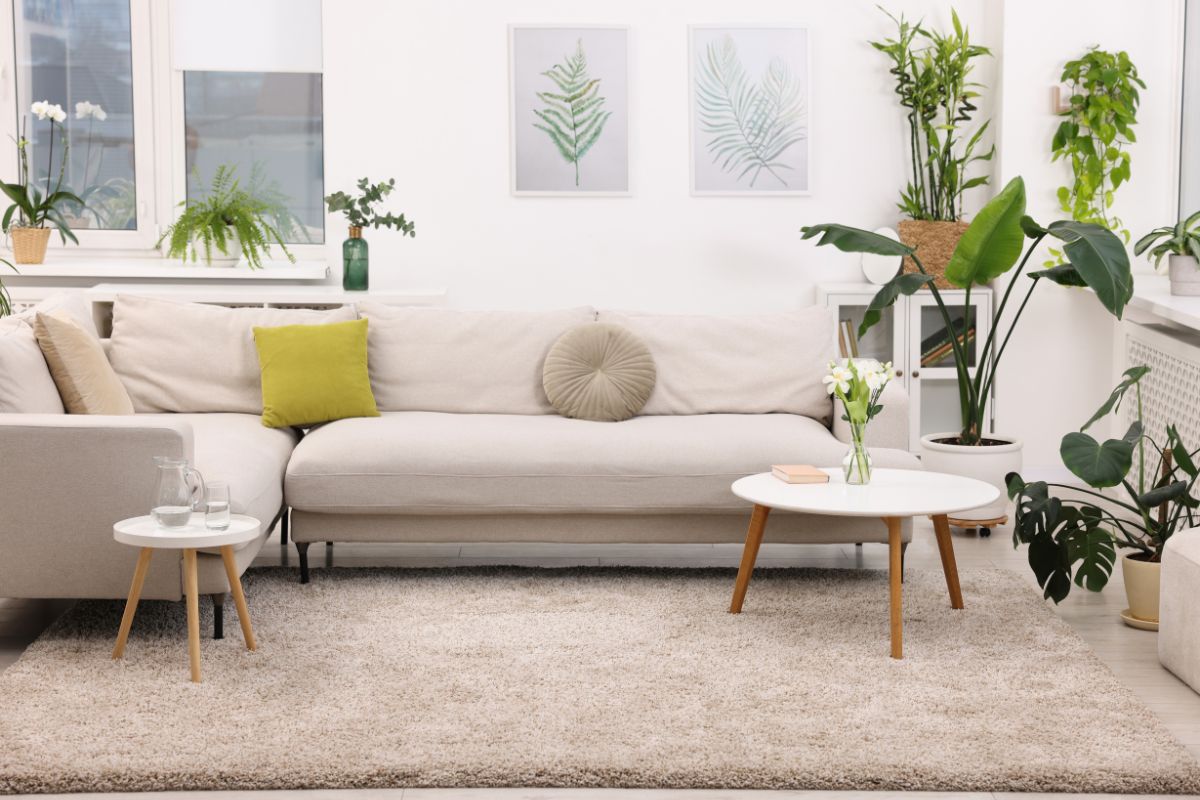
Living areas benefit from balanced contrast: earthy beiges for grounding, layered with copper, cream, or charcoal accents. This combo keeps conversation flowing while avoiding visual noise.
For a study or home office, a whisper of blue-green supports focus, while a tidy layout ensures the color can do its quiet work.
For quick wins, update textiles—throws, pillows, and rugs—before repainting. Small color pivots can shift feng shui colours across seasons and moods, helping your feng shui interior feel alive, not static.
Feng Shui Color Tips to Create a Beautiful Home
 1) Anchor with neutrals that feel like Earth—sand, oatmeal, clay—then add two accent families: one soothing (sea-glass, sky) and one energizing (apricot, coral).
This keeps the palette versatile and aligned with feng shui colors home guidelines.
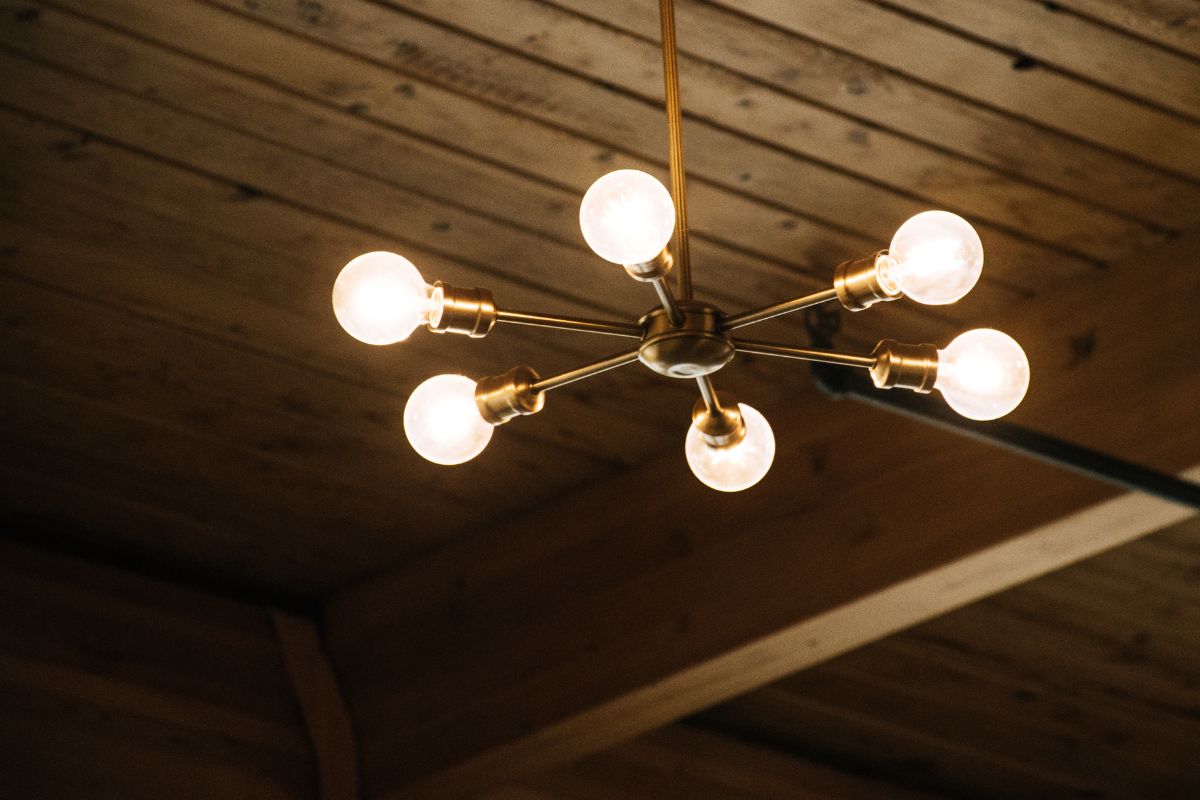
2) Use metallics sparingly. A brushed-brass lamp or matte-black frame nods to the Metal element without overpowering. Think of Metal as punctuation in your feng shui interior design: precise and concise.
3) Invite Water to circulate emotion and reflection. A small tabletop water fountain or an indigo textile introduces movement and depth, reinforcing calm while refining the acoustics and the overall feng shui energy.
From Architecture to Atmosphere: Make It Cohesive
 Color should fit the bones of your home. In feng shui architecture, transitions matter: hallways, thresholds, and stairwells guide qi between zones.
Keep these passages lighter and clearer to carry light and intent into adjacent rooms.
For a serene, contemporary feel, aim for a zen house design vibe: simplified lines, tactile neutrals, and nature-forward accents.
Let wood grains, stone, and woven fibers ground the palette so brighter colors can appear in measured, meaningful doses.
When in doubt, edit. Good feng shui interior design is as much about what you remove as what you add.
Curate art and objects that echo your chosen palette so the eye rests easily and your colors—subtle or bold—can breathe.
Color Confidence: A Quick Application Plan
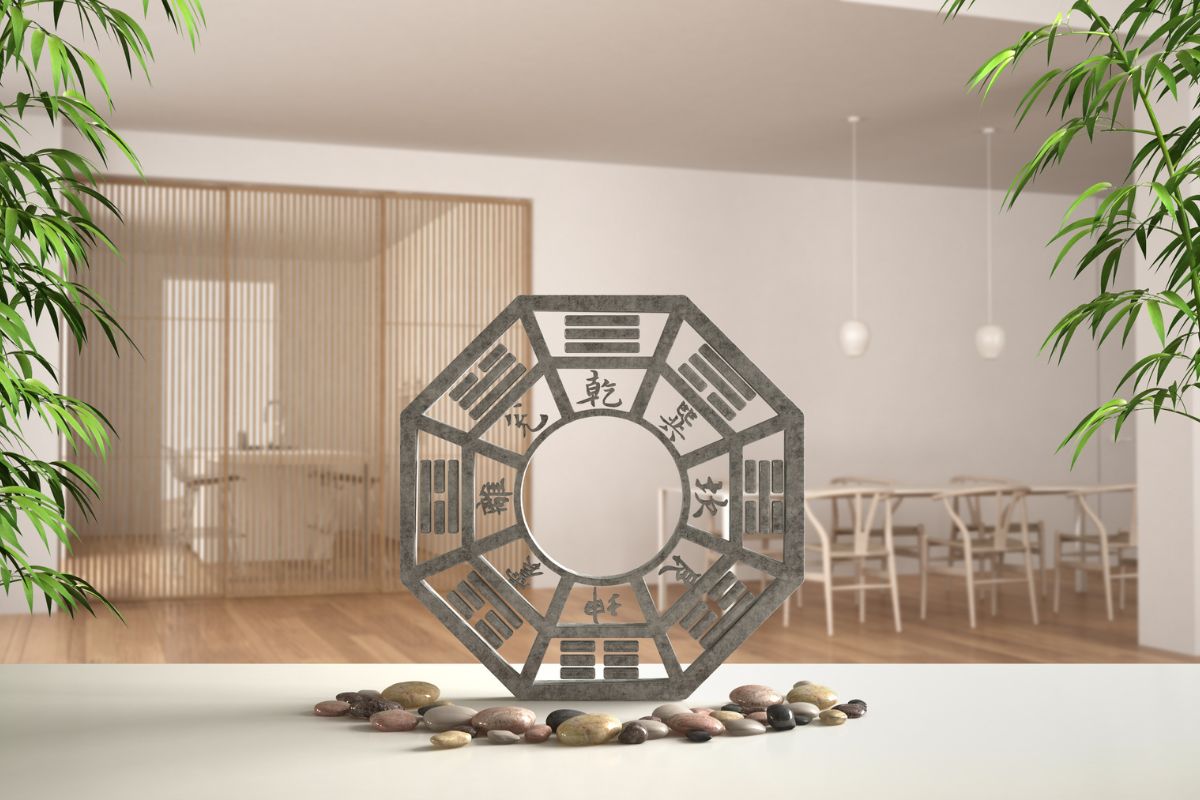 Step 1: Define the room’s purpose and pick the supporting element (focus, rest, connection). Step 2: Build a palette on your home board with one grounding neutral, one calming hue, and one lively accent.
Step 3: Test swatches on two walls and observe across the day. This simple flow turns a broad feng shui guide into clear action.
Step 4: Layer lighting. Warm bulbs soften earth tones; cooler bulbs clarify blues and greens. Step 5: Add one elemental object—a plant, a mineral tray, a metal frame, a tabletop water fountain—to strengthen intent.
Together, these moves transform theory into a lived, beautiful rhythm.
With these choices, your palette does more than decorate—it supports behavior, mood, and health. That’s the promise of feng shui principles applied with care.
We hope you enjoy watching this video about how colors affect Feng Shui:

Source: Louis Loh 羅一鳴
Did you find this post useful or inspiring? Save THIS PIN to your HOME Board on Pinterest! 

Once again, thank you for visiting our website!
We hope you've enjoyed exploring the content we've created for you.
Give yourself the chance to learn, get inspired, and have even more fun, keep browsing...
More Home Tips 👇🏼👇🏼