
First Steps to Planning a Wedding


Newly engaged and not sure where to begin? This friendly kickoff lays out the essential steps to planning a wedding without overwhelm.
Use it as your mini wedding planning guide to set a clear budget, timeline, and guest list—then layer in style, vendors, and meaningful details with confidence.
Start With Vision And Budget

Before you start planning a wedding, align on vision: formal or relaxed, indoor or outdoor, day or evening.
Jot three adjectives you both want the day to feel like—“joyful, colorful, unfussy,” for example. That short list will guide choices when the internet floods you with options.
Next, map a top-line budget. Split it into must-haves (venue, food, photography) and nice-to-haves (late-night snacks, specialty signage).
Decide where to splurge and where to save; this clarity prevents decision fatigue and keeps planning wedding discussions calm and practical.
Not sure how to start planning a wedding number-wise? Take your guest estimate, multiply by a realistic per-person range for your city, and add a 10–15% cushion for taxes, tips, and surprises.
Build A Realistic Timeline

Work backward from your ideal month. Popular Saturdays book 12–18 months out; weekday or off-season dates open more quickly and can unlock savings.
Put immovable milestones—dress lead times, invitation mailings, vendor retainers—on a shared calendar so nothing sneaks up.
Batch tasks by theme to protect your time. Do venue tours in one week, then zero in on caterers the next. This reduces context switching and makes wedding planning feel like a series of small wins rather than an endless list.
Leave white space. A free weekend each month keeps you sane and helps you enjoy the engagement instead of treating it like a second job.
Guest List & Venue Shortlist

Guest count drives almost every decision. Start “A” (must invite) and “B” (nice to invite) lists; update as budgets or capacities shift. This is practical wedding list planning—and it’s okay to iterate.
When touring venues, check basics first: capacity, rain plan, curfew, on-site coordination, and what’s included (tables, chairs, linens). Bring phone photos of your vibe so managers can suggest layouts that match your wedding planning ideas.
Ask about noise rules, ceremony rehearshal slots, and vendor access windows. These tiny details prevent last-minute friction.
Vendors, Style, And Priorities
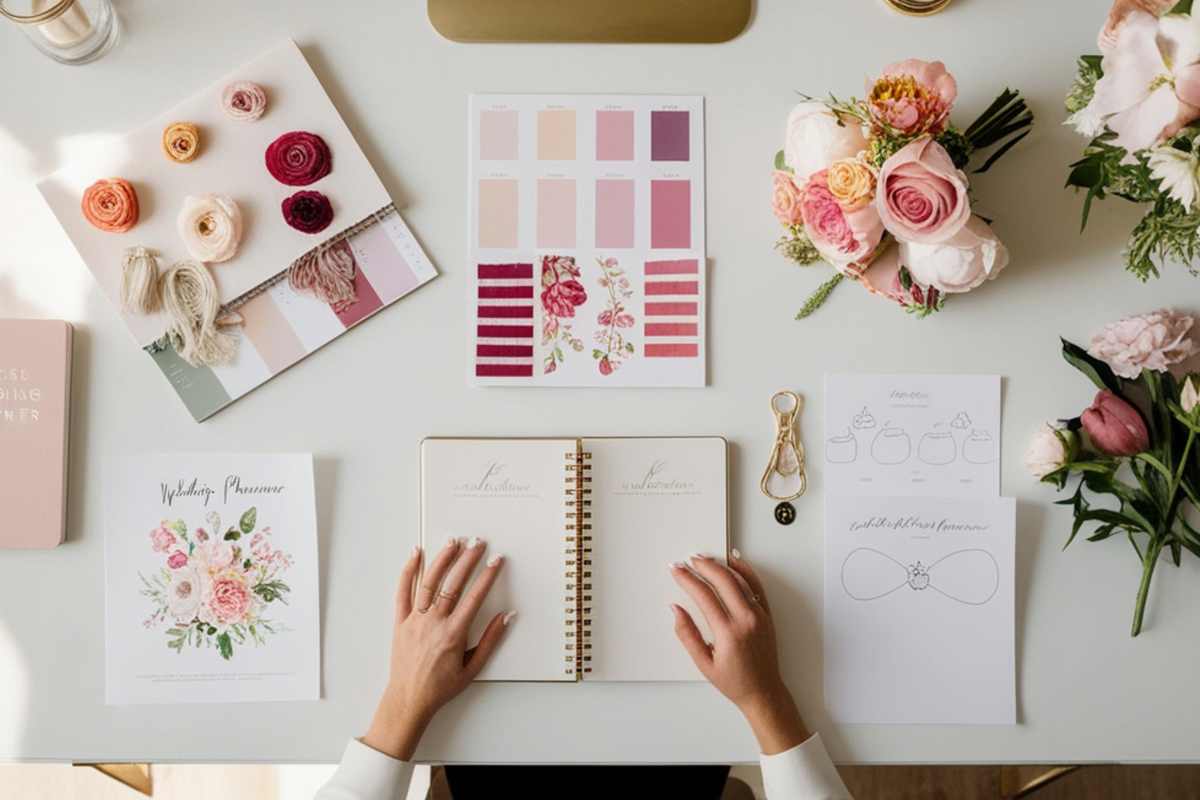
Book high-demand vendors early—planner or coordinator, photographer, and band/DJ—then fill in florals, hair/makeup, and transport. Share your three adjectives and a short Pinterest or mood board so pros can translate vision into specifics.
Style grows from constraints: your venue architecture, season, and budget. Choose a color palette (two mains, one accent), then repeat it across stationery, flowers, and linens. This keeps the day cohesive without feeling “matchy.”
As decisions pile up, return to your priorities. If photos and food matter most, protect those lines; let favors or extras flex. That’s the heart of smart wedding planning tips.
Communication & Organization

Centralize everything: a shared doc for contacts and payments, a folder for contracts, and a task board for due dates. Clear roles—who emails vendors, who tracks invoices—prevent crossed wires.
Set expectations with wedding party and family early: attire budgets, travel, and rehearsal timing. A two-paragraph email now saves six phone calls later and keeps planning a wedding harmonious.
Create a day-of cheat sheet: timeline, addresses, and VIP phone numbers. Hand it to your coordinator or a trusted friend so you can stay present.
Steps To Planning A Wedding, Simplified

1) Align on vision & budget. Choose three vibe words, set must-haves, and assign a contingency.
2) Draft your guest list. Build A/B lists and estimate per-person cost—this is practical wedding list planning.
3) Pick a date window & venues. Tour with capacity, rain plan, and inclusions in mind.
4) Book key vendors. Lock in planner/coordinator (if using), photographer, and music first.
5) Design the look. Palette, stationery, and florals guided by your space and season.
6) Communicate & confirm. Send expectations, track payments, and create a day-of sheet.
What To Do Next
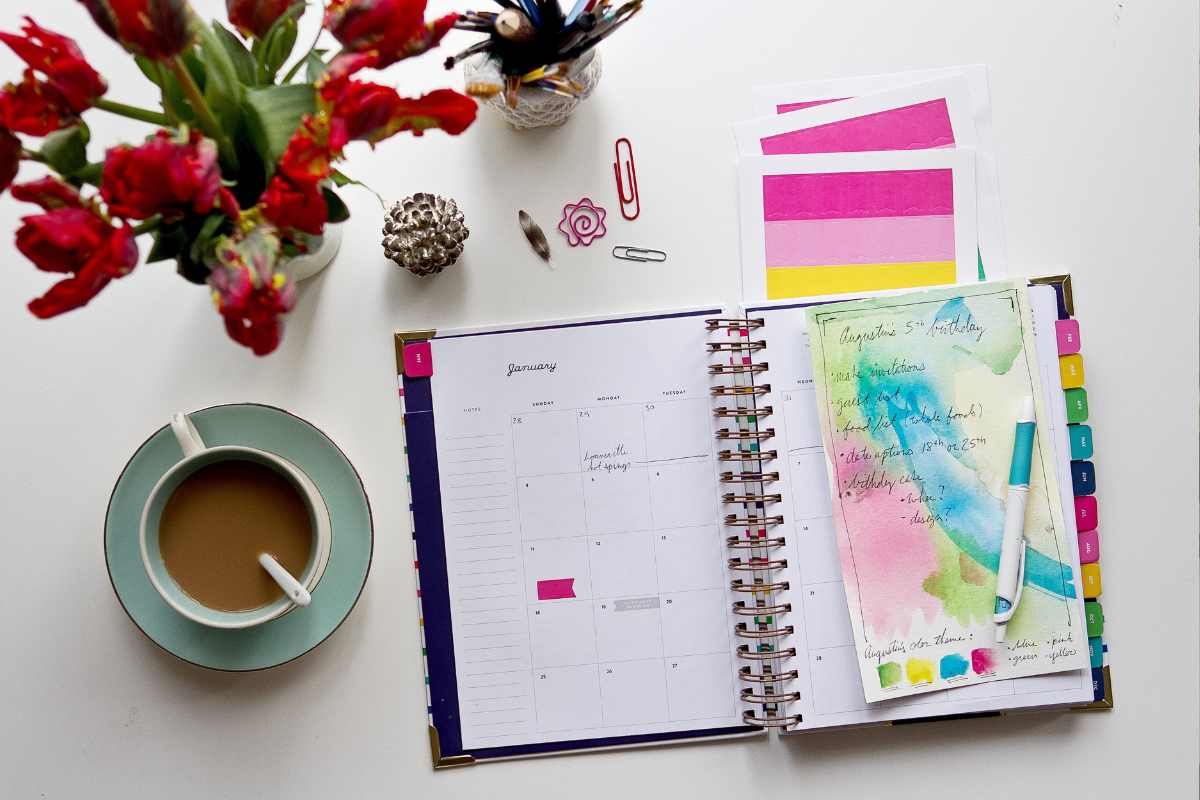
If you’re asking “what are the first steps to planning a wedding I can do tonight?”, sketch your budget bands, make a 20-name A-list, and email two venues for availability. Momentum beats perfection.
For deeper dives, explore our wedding planning ideas galleries and checklists. We’ll keep adding tools and templates so planning wedding tasks feel light and doable from engagement to aisle.
Keep Going With Confidence

Remember: a few clear choices—date window, guest count, and top vendors—solve most downstream decisions. With this foundation, you’ve mastered how to start planning a wedding and can layer in details at your pace.
Want more structure? Browse Urbaki’s guides for timelines, budget worksheets, and decor inspiration tailored to different seasons and styles.
More Home Tips 👇🏼👇🏼