
How to Clean a Water Cooler

Clean a Water Cooler the smart way with this friendly, safety-first summary of a practical YouTube tutorial.
Below you’ll find what you’ll learn from the video, a simple plan to keep your dispenser fresh, and pro advice for setup, use, and ongoing care—everything you need for crystal-clear, great-tasting water at home.
This guide does not replicate the creator’s exact steps or “secret tricks.” Instead, it explains what you’ll learn, why it matters, and how to apply it safely in your own kitchen or office.
Make Cleaning Easy with These Top Picks!

- 【8 Versatile Brush Heads】Leebein electric spin scrubber...
- 【Type-C Fast Charging & Battery Level Display】Thanks to...
- 【12-54in Detachable & Adjustable Mop】Leebein shower...

What You’ll Learn From the Video
 The video walks through the essentials of safe cooler care: sanitizing the reservoir, wiping exterior surfaces, and refreshing lines and spigots without harsh smells or aftertastes.
You’ll also see how to keep drip trays tidy and why rinsing thoroughly is non-negotiable.
Expect clear demonstrations that demystify cleaning frequency, what kind of mild solutions to consider, and how to avoid cross-contamination between the bottle, cap, and water path.
By the end, you’ll feel confident about how to clean water dispenser parts without overcomplicating the process.
Credit: original video by its creator on YouTube. All rights belong to the respective author.
Water Cooler Cleaning Checklist
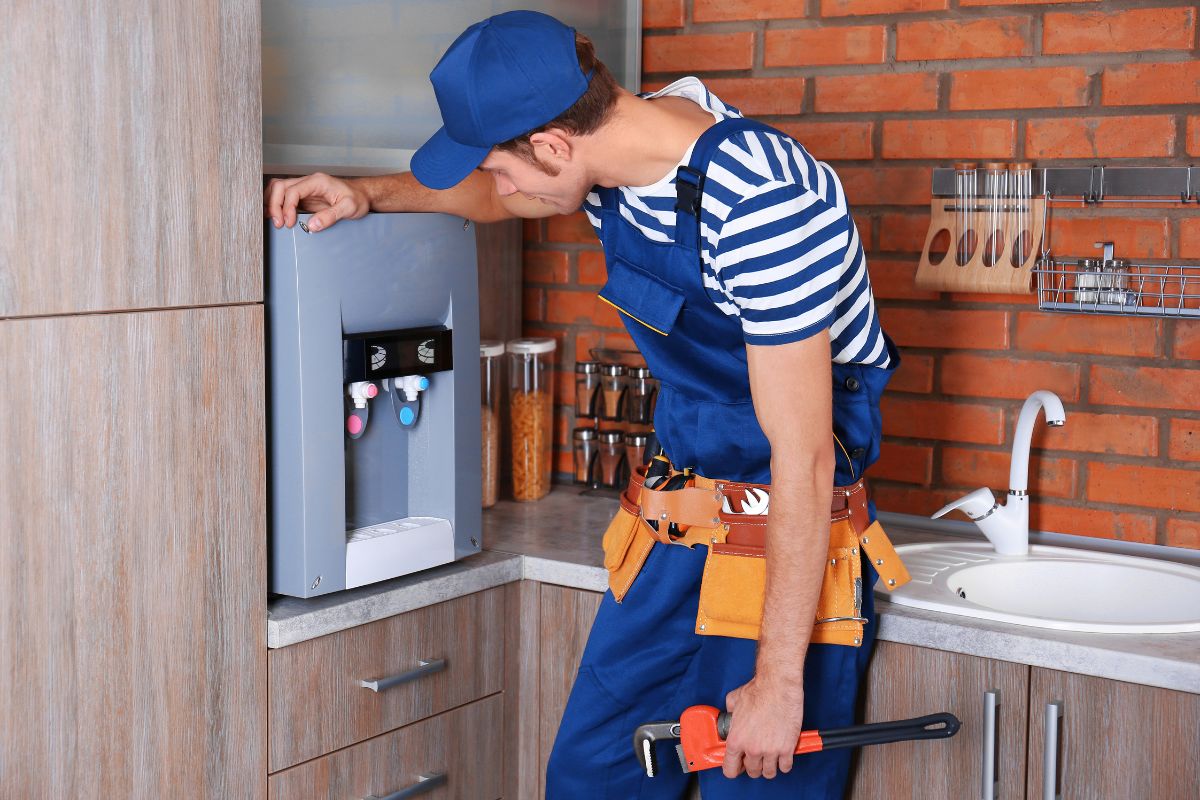 A practical water cooler cleaning checklist keeps you consistent. Block 20–30 minutes, unplug the unit, and clear the area.
Plan to sanitize interior-contact components, wipe exterior panels, clean the drip tray and grill, and finish with a no-taste rinse.
Frequency matters: light household use may warrant monthly care; higher-traffic spaces benefit from bi-weekly attention.
Always review your model’s manual for specific cautions (e.g., materials that should not be exposed to certain solutions).
Parts of a Water Cooler
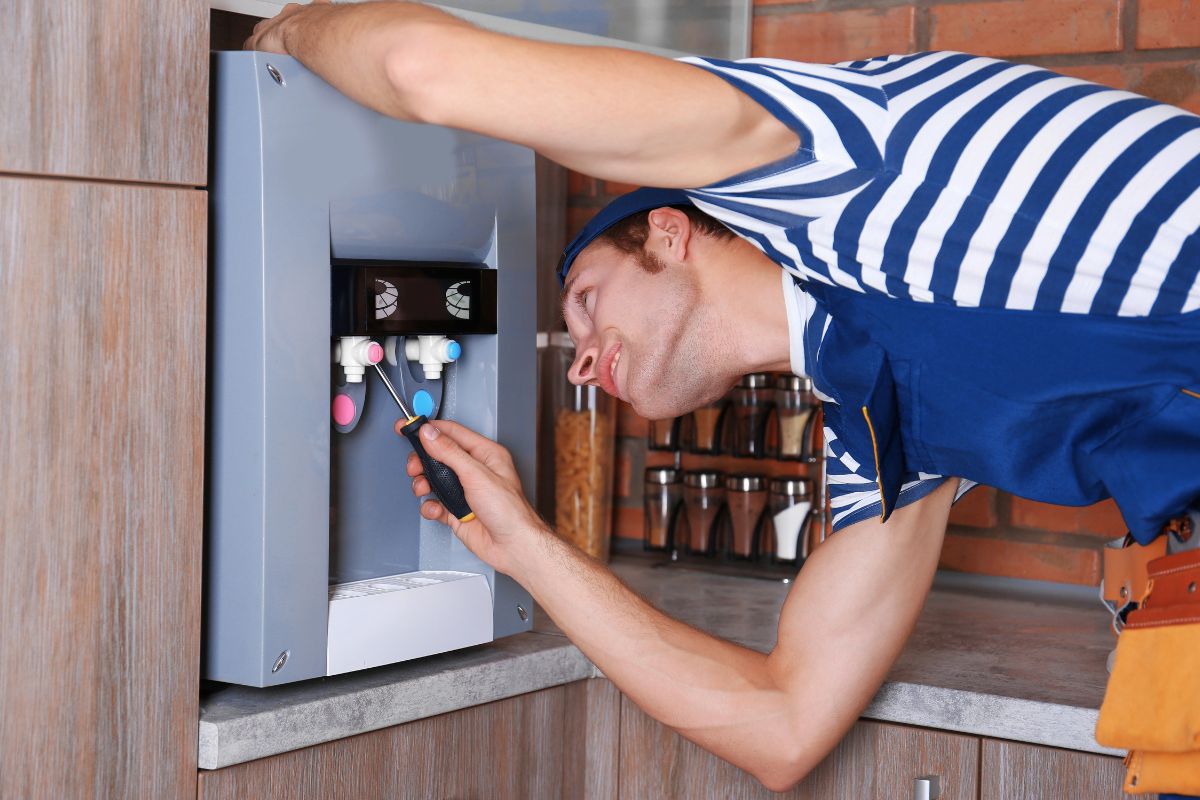 Knowing the parts of a water cooler helps you clean efficiently.
Common elements include the reservoir or tank, cold/hot tanks (on some models), water lines, spigots or taps, baffle, probe or puncture spike, bottle seat, and the drip tray with splash grill.
Gaskets and seals deserve special attention because residue hides there. If your unit uses removable taps or a probe assembly, disassemble gently so each piece can be cleaned and dried before reassembly.
Setup and First Use
 For a smooth start, treat this as your mini water dispenser setup guide: place the cooler on a level surface with airflow around the rear coils, keep it out of direct sunlight, and let it stand upright after transport to protect the refrigeration system.
Doing a quick sanitary rinse before the first bottle is a great habit for home water cooler setup.
Run a small volume of clean water through each tap to confirm flow and taste, and check for drips under the tray.
If you prefer a jug-style spout, the video’s approach also complements how to use a manual water dispenser: keep the spout clean, cap the container between uses, and avoid touching internal parts with unwashed hands.
Maintenance Tips That Actually Work
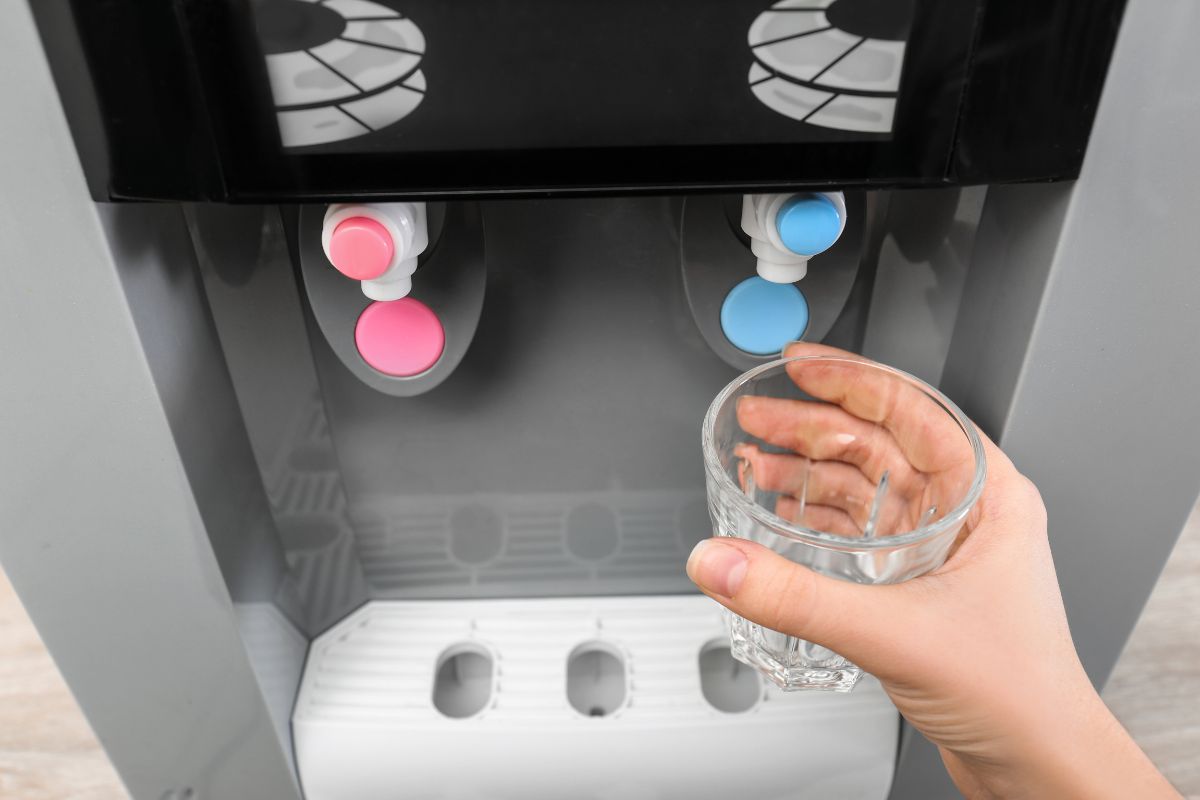 Short, recurring routines beat marathon overhauls. Adopt these water cooler maintenance tips: wipe fingerprints weekly, empty and wash the drip tray before it smells, and schedule a sanitizing cycle at consistent intervals.
If a carbon or sediment stage is present, follow the maker’s service interval so taste stays crisp.
Speaking of taste, many owners search for “how to clean a water cooler” or “how to clean water filter.” The key is gentle products, proper contact time, and thorough rinsing—plus drying parts before reassembly to discourage biofilm.
Don’t forget water dispenser maintenance tips specific to your taps and baffle: remove, wash, and fully rinse; then re-seat seals carefully to prevent slow leaks.
If your fridge provides drinking water, apply similar hygiene to that system and schedule refrigerator water filter maintenance so both sources taste equally clean.
How to Choose a Water Cooler
If you’re still deciding, consider noise level, footprint, hot-and-cold options, energy use, and the ease of cleaning taps and reservoirs—these factors influence real-world upkeep.
Many buyers literally google “how to choose a water cooler,” and the answer often comes down to serviceability and filter availability.
Bottom-loading designs simplify bottle changes, while top-loading units offer simplicity and fewer moving parts.
Whatever you pick, make sure replacement parts and basic cleaning access are well supported by the manufacturer.
We hope you enjoy watching this video about how to clean and sanitize a water cooler:
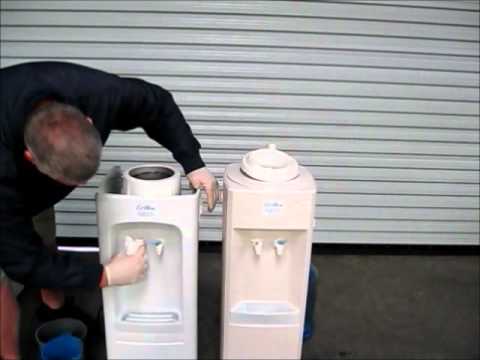
Source: Rick Jones
Did you find this post useful or inspiring? Save THIS PIN to your HOME Board on Pinterest! 

Once again, thank you for visiting our website!
We hope you've enjoyed exploring the content we've created for you.
Give yourself the chance to learn, get inspired, and have even more fun, keep browsing...
More Home Tips 👇🏼👇🏼