
How to Clean and Sanitize a Used Couch


Looking to clean and sanitize a used couch without ruining the fabric or leaving harsh residues? This practical guide summarizes what works, why it works, and where to be careful—so your sofa looks great, smells fresh, and stays safe for kids and pets.
What You’ll Learn From This Video (and Why It’s Worth Watching)
We’re highlighting a popular tutorial by andrea jean cleaning that shows how to clean a sofa effectively with budget-friendly ingredients.
Instead of a rigid step-by-step, you’ll get the big ideas: how to tackle sofa stains, neutralize odors, and choose the best couch cleaner for your material.
You’ll also see why a homemade couch cleaner can be safer on textiles than harsh chemicals.
The methods are adaptable for fabric types—from microfiber to woven blends—and ideal if you need deep cleaning tips for a thrifted find.
If you’ve struggled with lingering smells, the tutorial explains how to how to get smells out of couch using gentle, accessible solutions.
 Know Your Material First (Microfiber, Fabric, & Codes)
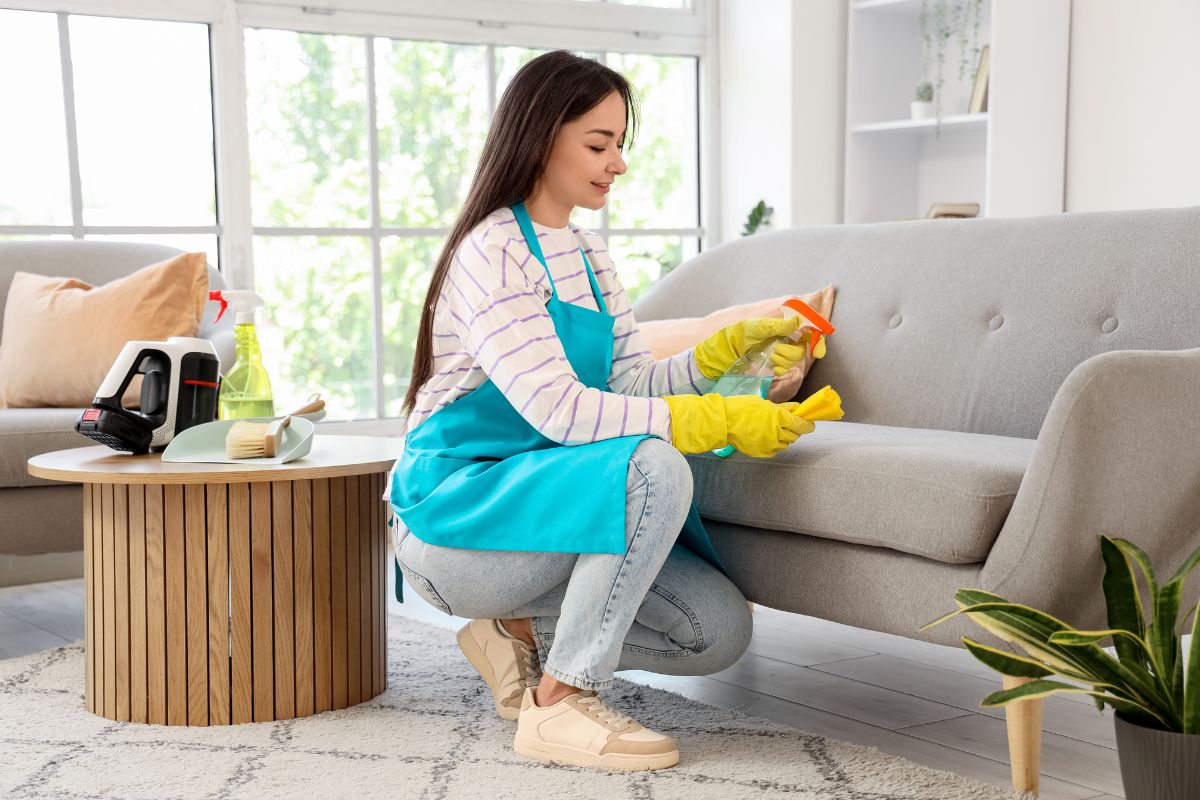
Before cleaning a fabric couch, check the care tag (W, S, W/S, or X).
Microfiber responds well to gentler solutions, so resources like how to clean stains from a microfiber sofa and how to clean a microfiber sofa (homemade) are especially helpful.
For general fabric cleaning, always spot test first.
When choosing between a store-bought best furniture cleaner and a diy fabric cleaner, consider ventilation, colorfastness, and your couch’s age.
If you prefer natural options, a homemade fabric cleaner for sofas can be kinder to delicate fibers and still act as a respectable furniture stain remover.
 Odor & Stain Strategy (Simple, Safe, and Effective)
For smells—pets, smoke, or mustiness—lean on eliminador natural de olores ideas. Among the most reliable Usos del bicarbonato de sodio is odor control; some mix a mild baking soda shampoo approach for spot work on cushions.
Paired with airflow and sunlight (when safe for fabric), it’s a strong, low-cost tactic.
For stains, a couch stain remover that matches your care code is essential.
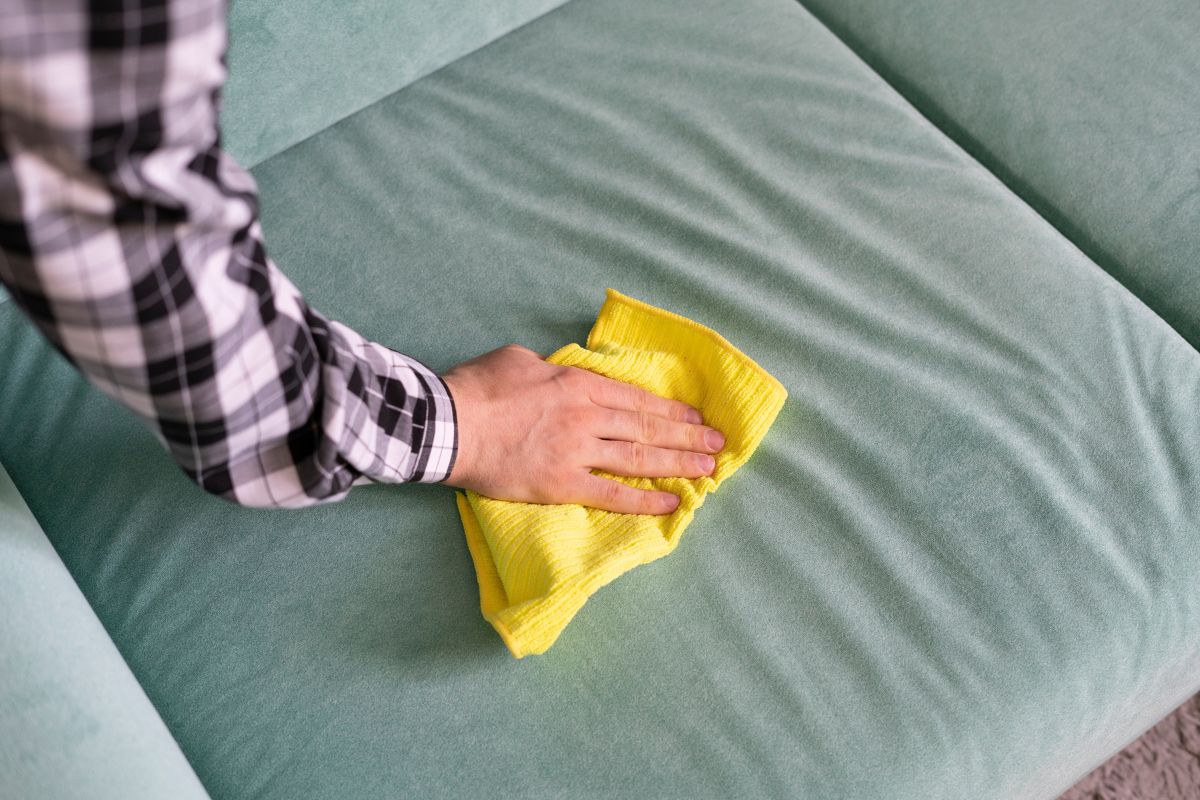
Many viewers favor a balanced diy sofa cleaning solution or sofa cleaner diy—just avoid overwetting. Light passes and blotting beat scrubbing.
This same logic applies when cleaning upholstery couch seats and arms where oils build up.
 Deep Refresh for Secondhand Sofas
If your thrifted find needs more than a touch-up, plan a deep cleaning of sofa fabrics day. Lift crumbs and dust first, then address sofa stains in sections. Finish with a gentle deodorizing pass so the entire piece feels consistent.
These deep cleaning tips also help when moving from fabric to microfiber or vice versa.
Spanish-speaking readers often search Limpieza profunda de telas de sofás, Limpieza de telas de sofás y Cómo limpiar la tela de un sofá en casa.
The same fundamentals apply: dry soil removal, cautious moisture, and patient drying. If you need tools, explore Limpieza de tapicería y alfombras: herramientas y tutoriales for gear that speeds things up without damaging fibers.
 Targeted Care for Cushions, Seams, and Traffic Areas
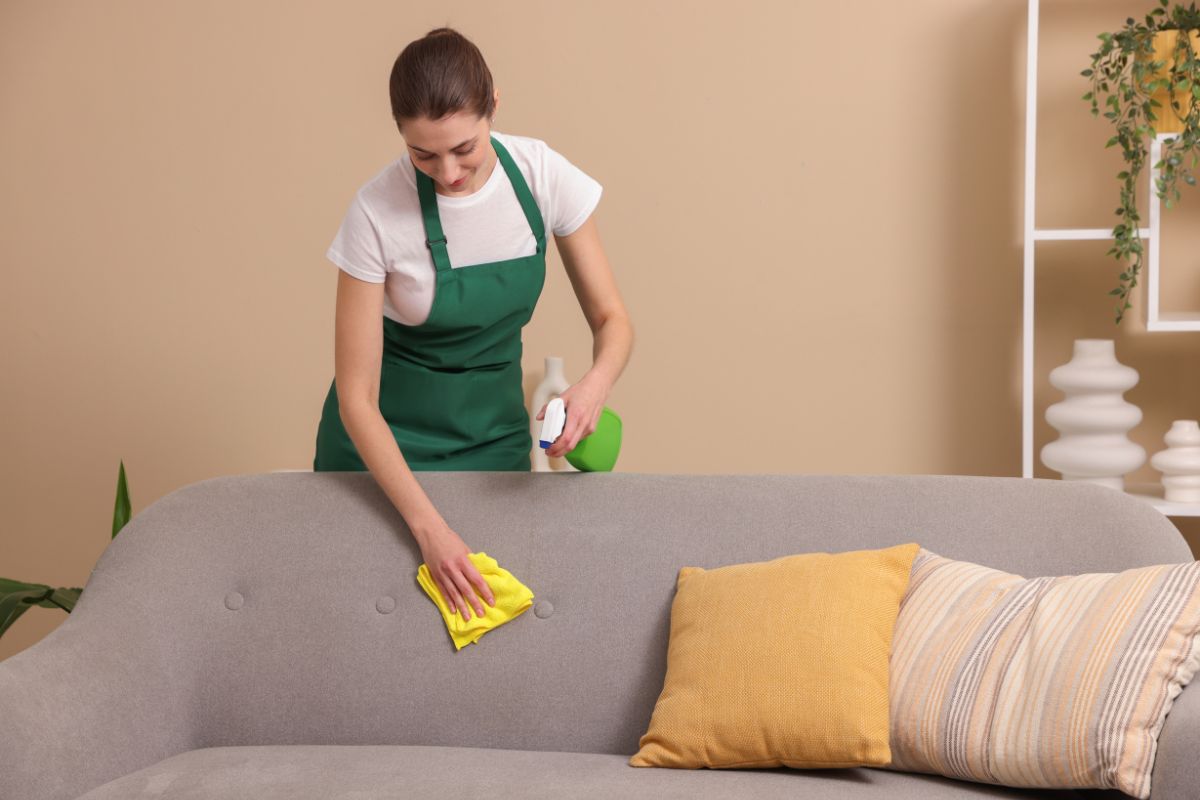
Detachable cushions make it easier to clean couch cushions evenly. Use a couch fabric cleaner that doesn’t leave a crusty residue.
For tight spots, a small brush plus vacuum can outperform heavy soaking. Consistent, light maintenance is smarter than infrequent, aggressive scrubbing.
Whether your goal is to clean a couch you inherited or simply how to clean your sofa before guests arrive, treat seams and piping carefully.
They can hide grit that causes abrasion. If the piece is vintage, go gentler and consider a pro evaluation.
 DIY Formulas vs. Store Options
A balanced homemade sofa cleaner can double as a cloth couch cleaner diy for routine touch-ups, while a reputable bottled option may be your best couch cleaner for heavy-duty jobs.
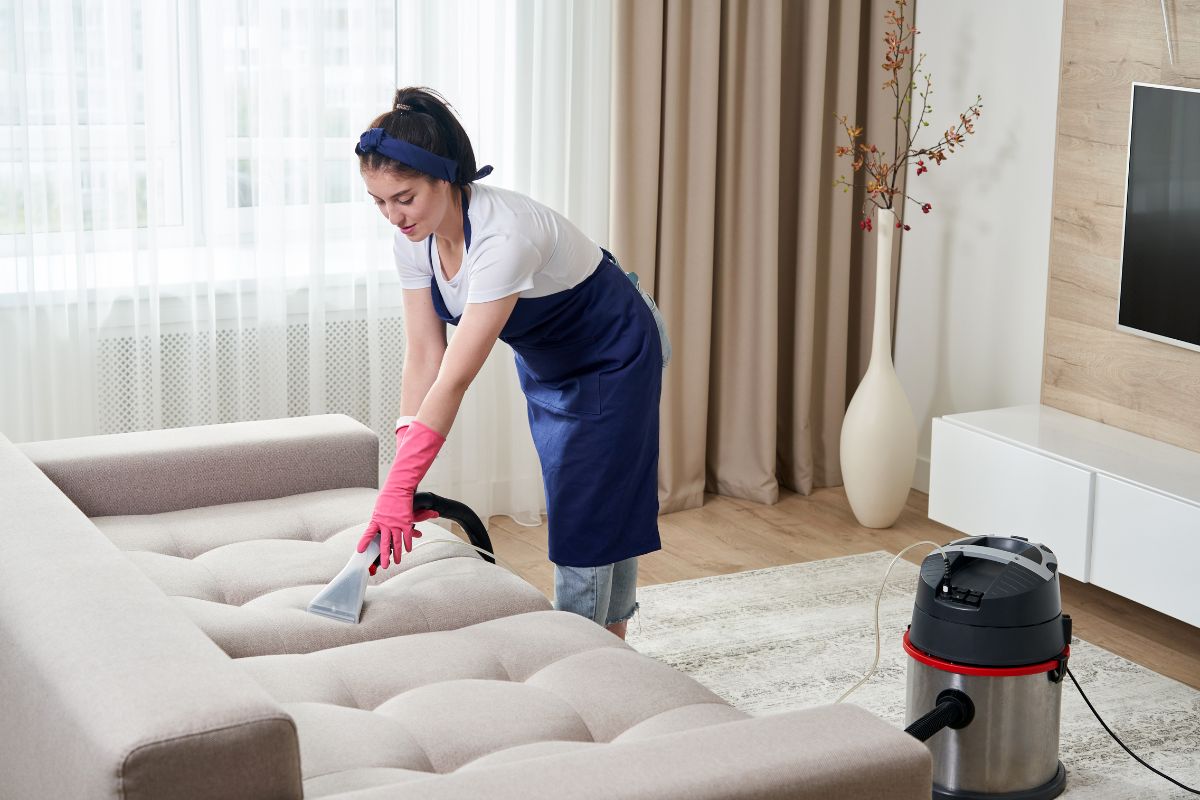
If you prefer to how to wash your couch with an appliance, confirm the fabric code first; some sofas shouldn’t be wet-washed at all.
Looking for a one-bottle route? A quality fabric cleaner or best furniture cleaner can simplify care. If you like tinkering, a mild, clearly labeled diy fabric cleaner or homemade couch cleaner gives control over ingredients.
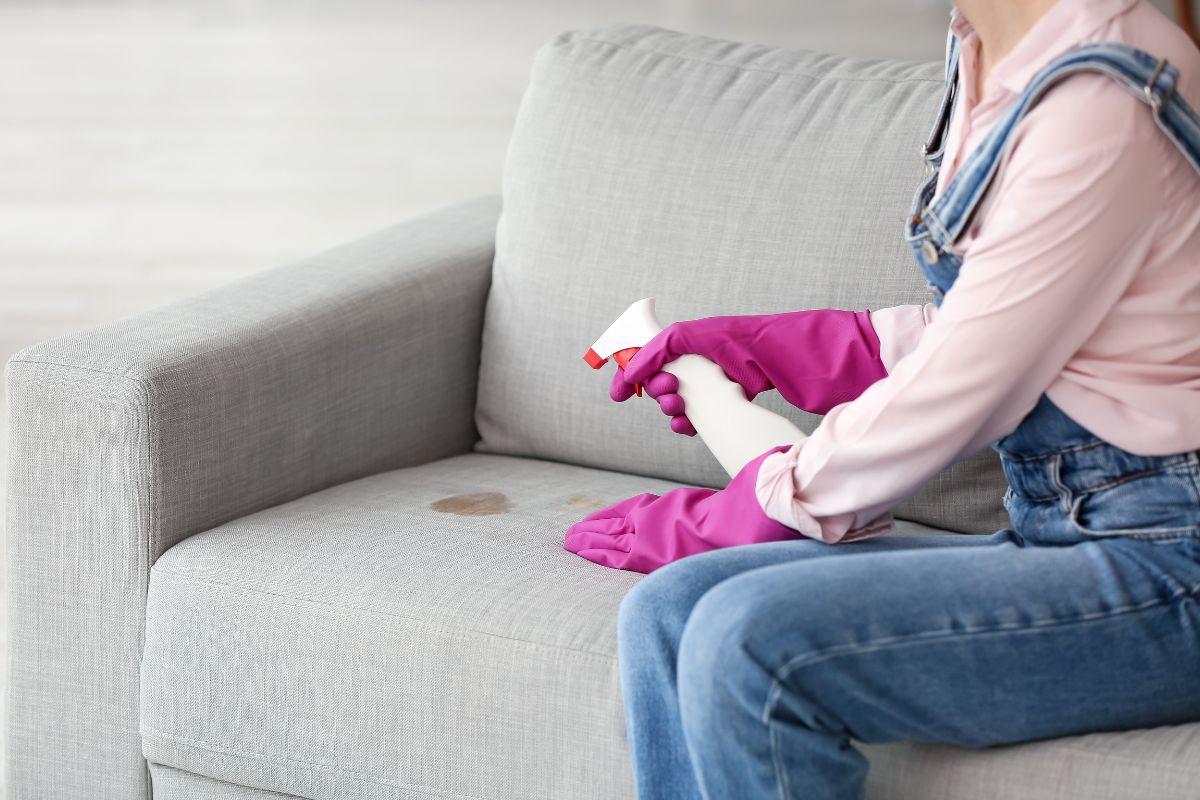 Safety, Drying, and Common Mistakes
Dry time matters. Overwetting invites odors to return. Go light, ventilate well, and allow a full dry before reassembly. That’s true whether you’re using a cleaning sofa hacks routine or a pro machine.
Always remember: how to clean a sofa safely is mostly about restraint and patience.
With a steady plan, you’ll how to clean your sofa more confidently and keep it fresher between sessions.
When to Call a Pro
If color bleeding, rings, or mystery stains persist, a technician may be the smartest route—especially for delicate microfiber or older fabrics.
A professional can pair the right cleaning upholstery couch method with safe drying. That’s often cheaper than replacing cushions later.
Either way, a thoughtful routine—light vacuuming plus targeted spot care—keeps results longer so you won’t need a marathon session every season.
We Hope You Enjoy Watching this Video

Source: Andrea Jean Cleaning


More Home Tips 👇🏼👇🏼