
How to Create a Zen Garden in Your Backyard
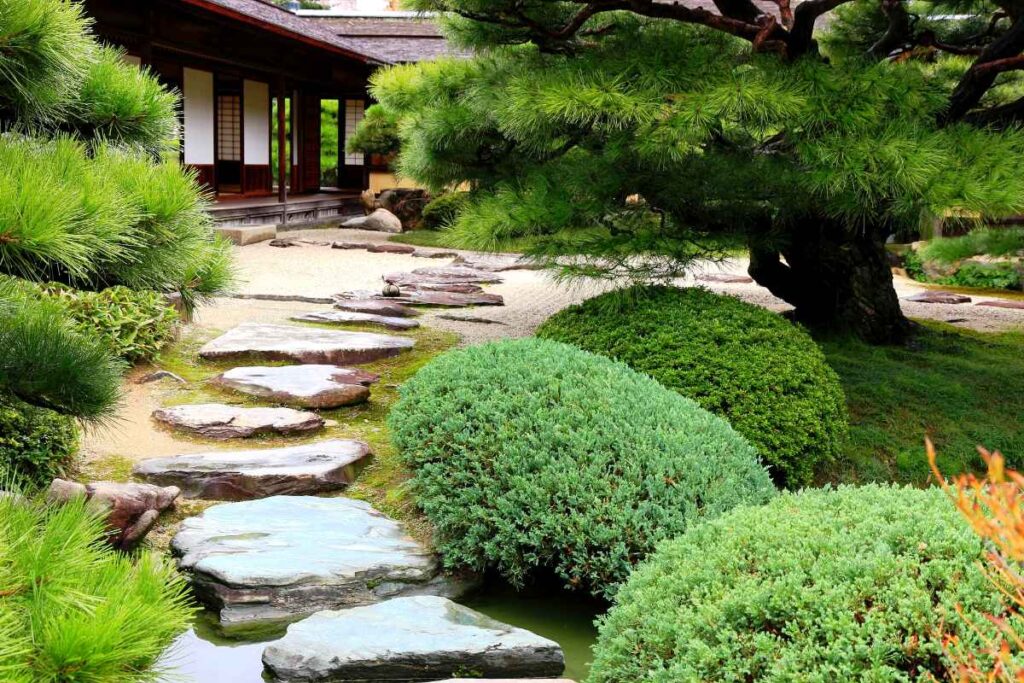
A Zen garden is a peaceful space designed to evoke calm and tranquility, offering a place for reflection and relaxation. Originating from Japan, Zen gardens have become popular around the world for their simplicity and serene beauty.
If you're looking to transform your backyard into a tranquil retreat, here’s how you can create your very own Zen garden.
Understanding the Essence of a Zen Garden
A Zen garden is typically a minimalist landscape designed with the intention to foster meditation and mindfulness. These gardens often feature natural elements like rocks, sand, gravel, and plants, which symbolize various aspects of nature. The key to creating a Zen garden is simplicity — every element serves a purpose and contributes to the overall sense of peace.
Discover the Best Decor Pieces to Elevate Your Space!

- ✿ Nice photo prop - Suitable for Cool and Vintage Ins...
- ✿ Perfect combination of natural wood and clear glass-...
- ✿Retro Home Office Décor: Great for floral arrangement,...


- Fresh scent Clean Linen : Keep it clean with air. Crafted...
- Includes: One fragrance diffuser glass bottle, 6.7 fl oz...
- Long-lasting Scent: Enjoy up to 90 days of fragrant aroma....

- BUILDABLE PLANT DECOR – Enjoy a mindful, nature-inspired...
- AUTHENTIC DETAILS – The artificial plant has realistic...
- LUCKY PLANT – Representing the season of summer in...
The Importance of Balance
In a Zen garden, balance is crucial. The placement of each element should create harmony with the surrounding space, encouraging a sense of relaxation and calm.
Whether it’s through the symmetry of the rocks, the flowing patterns in the sand, or the careful arrangement of plants, each component plays a role in fostering tranquility.
Selecting the Right Location
Before you begin designing your Zen garden, it’s important to choose the right location. Ideally, it should be a quiet, private space where you can escape from the hustle and bustle of daily life.
A spot near your patio, a corner of your backyard, or even a small section of your garden could be perfect for a Zen garden.
Consider factors like sunlight and shade when selecting your space. Zen gardens often feature plants that thrive in a variety of conditions, but it’s essential to ensure that your location offers the right environment for them.
Essential Elements of a Zen Garden
Zen gardens are built around a few key elements. Understanding these elements will help you create a balanced and harmonious space that truly embodies the principles of Zen.
Rocks and Stones
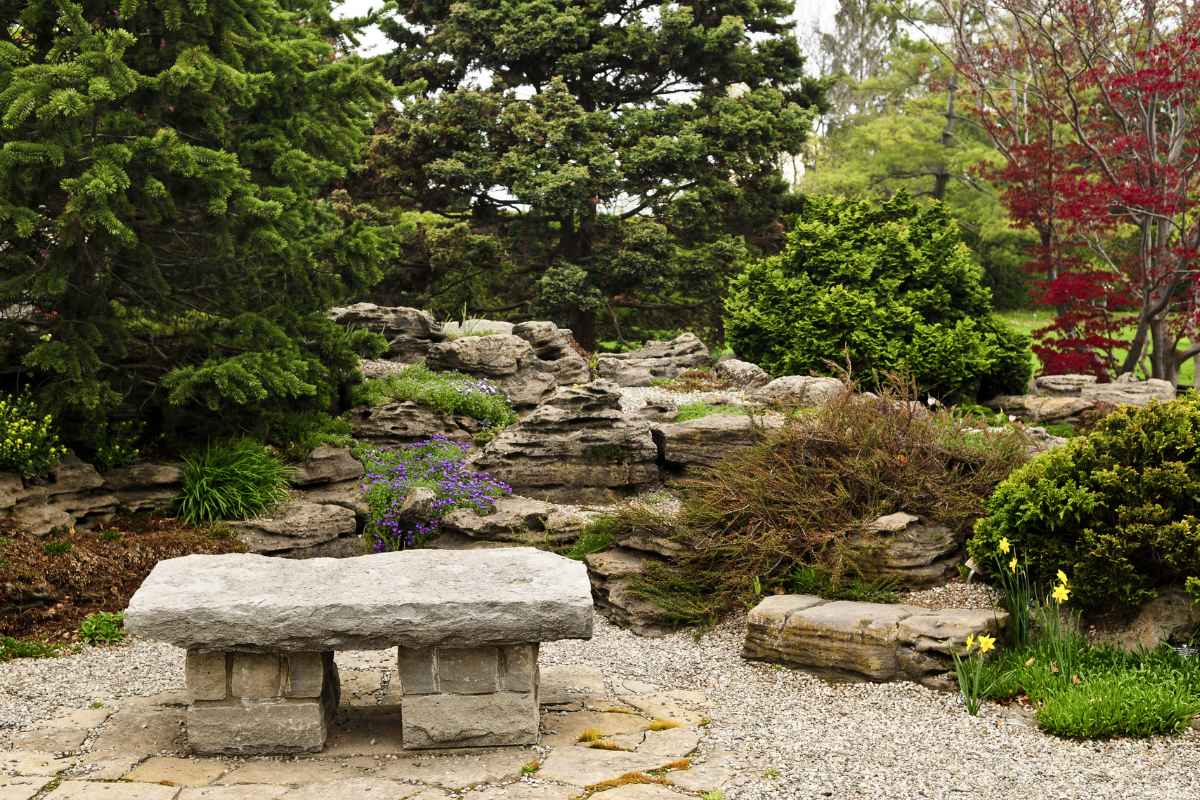
Rocks are fundamental to Zen gardens, symbolizing mountains, islands, or other natural features. They provide structure and focal points in the landscape. Large boulders can represent mountains, while smaller stones are used to symbolize islands or the forces of nature.
When selecting rocks for your garden, focus on their texture and color. Natural, rough-hewn stones typically work best, as they add character and texture to the space. Arrange the rocks in an asymmetrical pattern to create visual interest and enhance the sense of balance.

Sand or Gravel
A key component of any Zen garden is sand or gravel, which represents water or the flow of energy. Raked sand creates a sense of movement and calm, mimicking the ripples of water or the patterns in nature. The act of raking the sand can also be a form of meditation.
To create your sand or gravel bed, start by laying a layer of fine gravel or sand over the entire area. Choose a texture that appeals to you—fine sand will create a smooth, even surface, while coarser gravel can create a more dynamic texture.
Plants and Greenery
Though Zen gardens are known for their minimalism, plants can add life and color to the space. Choose simple, low-maintenance plants that evoke a sense of serenity. Traditional plants used in Zen gardens include moss, Japanese maples, bamboo, and ferns.
When selecting plants, focus on shapes and textures that complement the stone elements. Moss provides a soft, lush texture, while bamboo adds height and elegance to the garden.
Flowers, however, are typically kept to a minimum in Zen gardens, as they can disrupt the sense of calm and simplicity.
Water Features
Incorporating a water feature into your Zen garden can enhance its calming effect. A small fountain or a pond with gently flowing water symbolizes the flow of life and offers a soothing sound.
If space or budget is limited, a simple stone basin or water dish can still capture the essence of water in your garden.
The sound of flowing water is especially powerful in a Zen garden, as it creates a meditative atmosphere that promotes relaxation and focus. Keep the water feature simple and unobtrusive to maintain the garden’s minimalist aesthetic.
Paths and Walkways
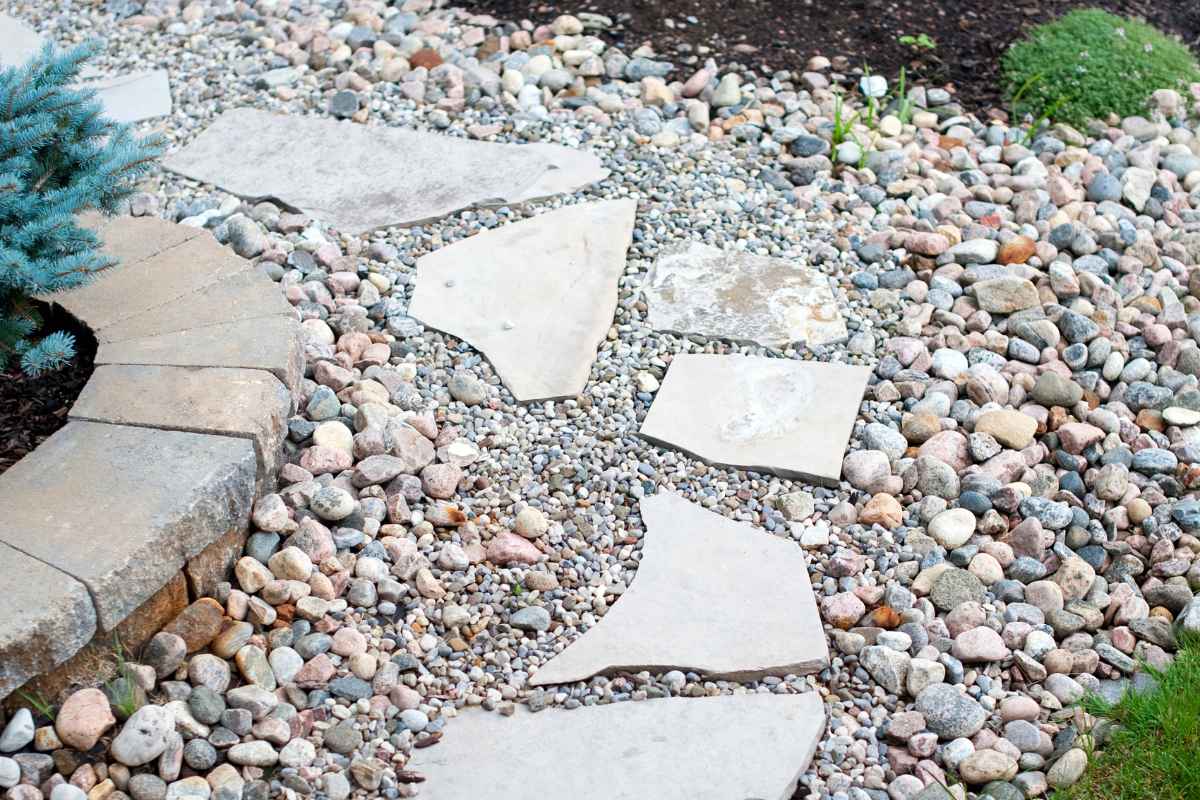
Adding a pathway to your Zen garden can invite exploration and contemplation. A small stone path or gravel walkway leading to a bench or seating area can create a peaceful journey through the space. Paths help guide your movement, allowing you to reflect as you walk.
Use natural materials like stones or wooden planks for the path, and keep the design simple and unobtrusive. The goal is to create a space where you can move freely, without feeling rushed or constrained.
Building Your Zen Garden Step-by-Step
Now that you have an understanding of the key elements, let’s walk through the steps to creating your Zen garden.
Step 1: Prepare the Site
Start by preparing the area where you will build your Zen garden. Clear the space of any weeds, debris, or old plants. If necessary, level the ground to create a flat, even surface for your garden.
Step 2: Lay Down the Gravel or Sand
Once your site is prepared, lay down a layer of gravel or sand to create the base of your garden. Use a rake to spread the material evenly, ensuring it’s level and smooth. The sand or gravel will serve as the foundation for the rest of your design.
Step 3: Arrange Rocks and Stones
Next, arrange your rocks and stones in a natural-looking pattern. Focus on creating asymmetry, as Zen gardens embrace irregularity and imperfection. Large rocks should be placed in focal points, while smaller stones can be scattered throughout the garden.
Step 4: Add Plants
Now it’s time to add your plants. Place them around the rocks, keeping the arrangements simple and balanced. Consider planting moss in shaded areas for a soft, green contrast to the stones.
Add bamboo or Japanese maples for height and elegance. Leave enough space between the plants to allow for growth and to avoid overcrowding.
Step 5: Incorporate a Water Feature
If you’re adding a water feature, now’s the time to do so. Position your fountain, pond, or stone basin in a spot where it’s easily visible but doesn’t overwhelm the garden. The gentle sound of the water should be calming but not overpowering.
Step 6: Add the Finishing Touches
Finally, add a pathway or seating area to complete the Zen garden. Place stones or wooden planks to create a simple path leading to a cozy spot where you can sit and reflect. Add a bench or cushions for comfort.

Maintaining Your Zen Garden
A Zen garden is designed to be low-maintenance, but it still requires regular care to keep it looking its best. Here are a few tips for maintaining your garden:
- Rake the sand or gravel regularly to maintain smooth, flowing patterns.
- Trim plants to keep them tidy and prevent overgrowth.
- Water plants as needed, but avoid overwatering.
- Clean water features regularly to prevent algae buildup.
Cultivate Your Calm
Creating a Zen garden in your backyard is a wonderful way to introduce peace, mindfulness, and simplicity into your life. By using natural elements, embracing balance, and focusing on simplicity, you can create a tranquil retreat where you can unwind and reflect.
Whether you incorporate rocks, sand, water, or plants, the most important aspect of a Zen garden is the sense of calm it brings to your space and mind.
Did you find this post Useful or Inspiring? Save THIS PIN to your HOME Board on Pinterest!
More Home Tips 👇🏼👇🏼