
How to Do Laundry to Reduce Indoor Allergens


If seasonal sniffles or year-round stuffiness seem to follow you home, your laundry routine can do more than you think.
With a few data-backed tweaks—temperature, timing, and product choices—you can reduce indoor allergens like dust mites, pollen, mold, and pet dander that cling to the fabrics you touch all day.
Start With Bedding: Hot, Frequent, and Consistent
Your bed collects the highest concentration of allergens, so make it your first priority.
Wash sheets, pillowcases, and duvet covers weekly in hot water at ≥130°F / 54°C whenever care labels allow; that temperature helps curb dust mites and lowers the allergen load that accumulates between washes.
For heat-sensitive items, tumble on high heat for 15 minutes before a regular warm wash to achieve a similar effect, and rotate two sets of bedding so a clean one is always ready.
Small changes in consistency make a big difference over time, especially for sensitive sleepers.
Use Allergen/Sanitize Cycles and Let the Machine Help
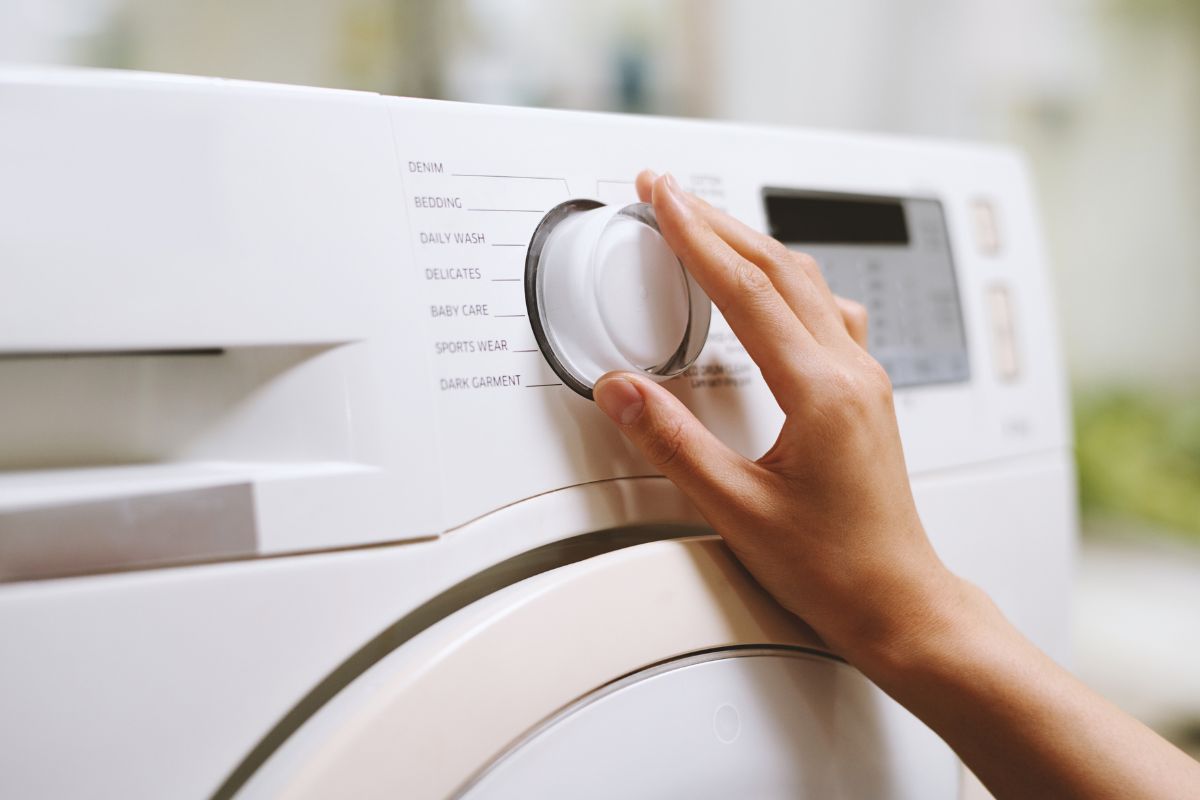
Modern washers often include Allergen or Sanitize cycles designed to sustain effective temperatures for longer. If your water heater fluctuates, these programs can help maintain 130°F throughout the cycle.
When available, choosing a certified appliance that has been independently tested for allergen reduction adds another layer of confidence.
Run full, properly loaded cycles—overstuffing traps soil and under-loading wastes water and energy—so your machine can do its best work.
 Choose Products That Are Kind to Skin and Lungs
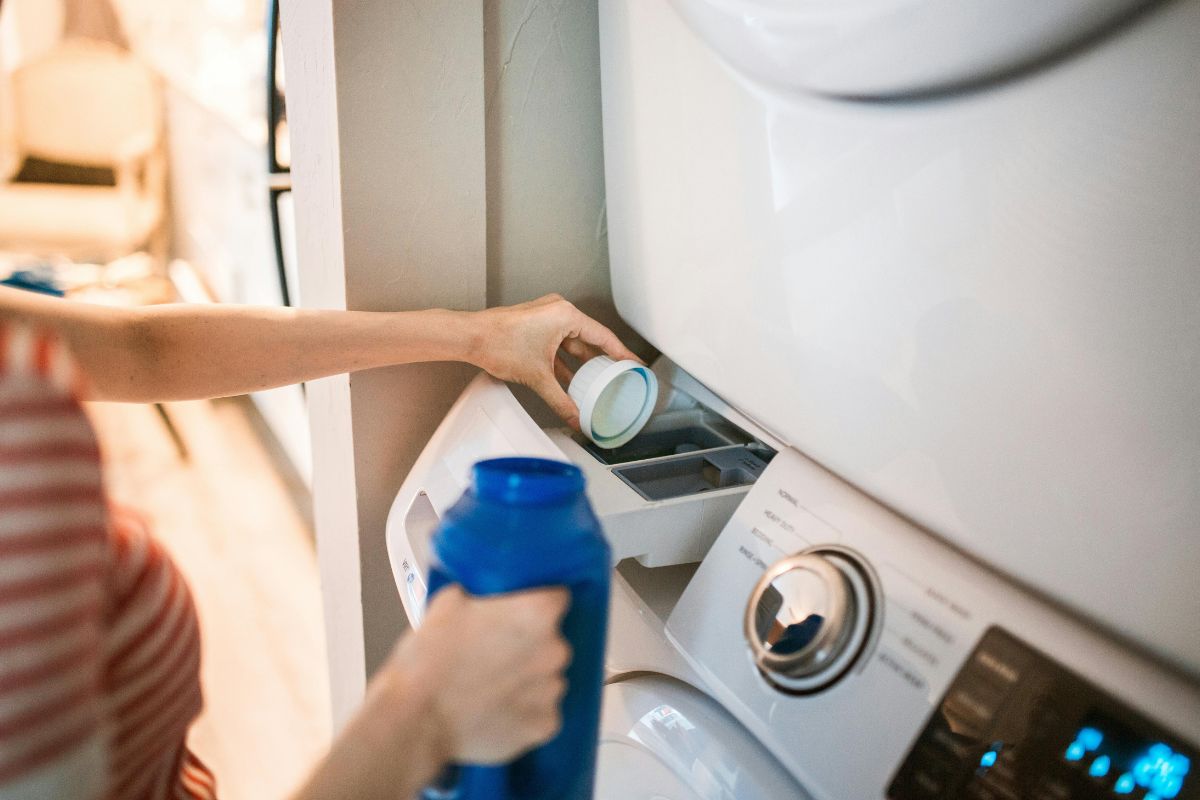
Detergents matter as much as temperature. Opt for fragrance-free, dye-free detergent to cut the risk of irritation and contact dermatitis, and skip heavily scented fabric softeners that can leave residues on fibers.
If anyone in the household has sensitive skin, add an extra rinse to remove residual surfactants.
For towels and athletic wear, a periodic wash with an enzymatic or oxygen-boosted formula helps break down sweat and biofilms without relying on overpowering perfumes.
Drying Without Bringing Allergens Back In
Drying is more than a finishing step—it’s part of the allergen strategy. During high-pollen days, avoid outdoor clotheslines so fabrics don’t collect new pollen just as you’ve cleaned them.
Use the dryer or an indoor drying rack with good airflow. Clean the lint filter after every load to improve air movement and capture hair and dander more effectively.
For bulky items, dryer balls improve tumbling, speeding dry times and reducing the chance of musty moisture pockets.
 Keep Moisture Under Control to Fight Mold and Mildew
Allergens thrive in damp, poorly ventilated spaces. Never leave wet towels or gym clothes bunched in a hamper, and don’t let clean loads sit in the drum where humidity can rise.
If your laundry area runs warm or stuffy, add ventilation, crack a window when possible, or use a dehumidifier to keep the space dry.
Subtle steps—like fully drying bath mats between uses and hanging shower curtains open—lower the background moisture that feeds mildew.
Separate Loads to Prevent Cross-Contamination
A little sorting strategy prevents clean fabrics from picking up new triggers.
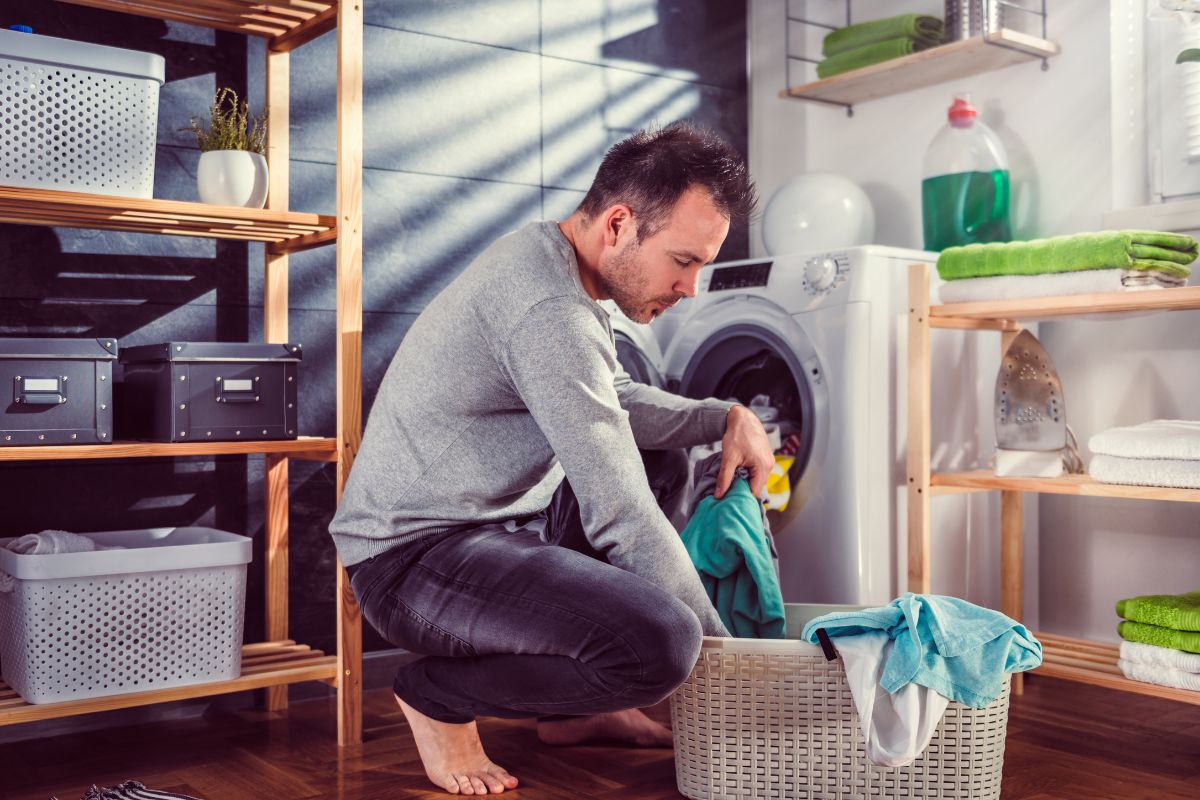
Wash pet bedding, outdoor workwear, and gym gear separately from baby items, towels, and delicates so pet hair, pollen, and heavy soils don’t migrate to more sensitive fabrics.
If shedding is heavy, run a quick rinse of the empty washer after pet items to flush hair from the drum and gasket, then clear the dryer filter immediately after those loads.
 Clean and Maintain the Washer and Dryer (It’s Part of the Allergy Plan)
A clean machine produces cleaner laundry.
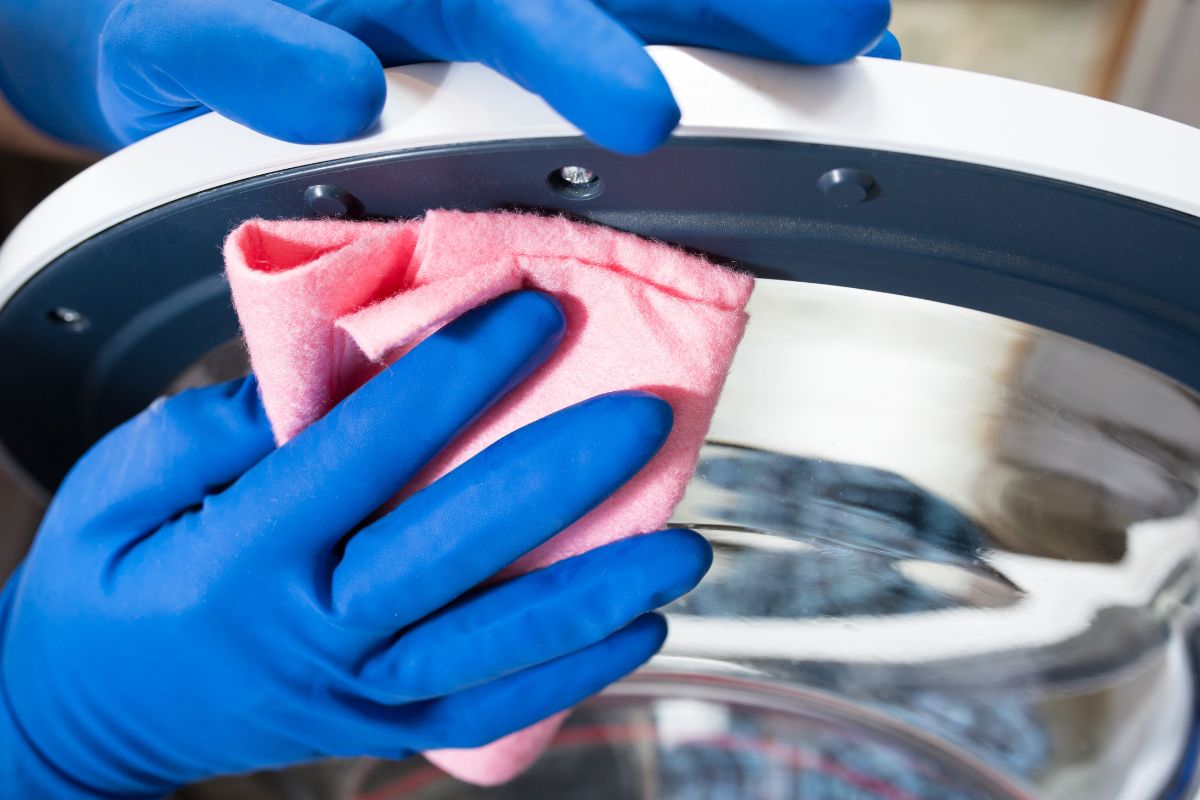
Once a month, wipe the gasket, door glass, and detergent drawer—especially on front-loaders where moisture can linger—and run a clean-washer cycle with a dedicated tablet or a hot cycle with white vinegar followed by a plain hot rinse.
After every use, leave the washer door ajar to let the drum dry.
On the dryer side, clear the lint screen each load and vacuum the vent/duct annually to keep airflow strong, reduce odors, and lower fire risk.
Routine maintenance prevents the subtle mustiness that can cling to “clean” clothes and trigger symptoms.
Smart Add-Ons That Complement Your Laundry Routine
Laundry works best alongside habits that keep allergens from building up in the first place.
Vacuum with a sealed, HEPA-equipped machine so captured particles stay inside the vacuum rather than blowing back into the room.
Keep pets off the bed if dander is a known trigger and wash their blankets regularly.
Consider mattress and pillow protectors labeled for allergen control to create barriers that your weekly hot-wash routine can maintain.
 What to Do With Delicates and “Can’t-Wash” Items
Not everything tolerates heat or a trip through the washer.
For wool, silk, and structured garments, focus on lowering exposure: air them indoors on low-pollen days, use a garment steamer to refresh fibers and reduce surface residues, and spot-clean with fragrance-free solutions.
When dry cleaning is necessary, air pieces out thoroughly before storing them so any residual solvents dissipate.
A Simple Weekly Plan You Can Actually Stick To
Make the routine realistic so it sticks. Choose a bedding day and automate reminders; keep fragrance-free detergent and cleaner tablets on a visible shelf.
Stash a lint brush near the washer for pet loads; and label a small bin “gym & outdoor” to keep high-soil items from mixing with the rest.
Consistency—not perfection—delivers the noticeable relief.
 Breathe Easier, One Load at a Time
Focus your energy where it moves the needle: wash bedding weekly in hot water, choose fragrance-free products, dry smart on high-pollen days, separate pet and outdoor loads, and keep machines clean and well-ventilated.
These habits work together to reduce indoor allergens that hitchhike on everyday fabrics, helping your home feel fresher and your breathing feel lighter—starting with your very next load.
We hope you enjoy watching this video about Ways To Reduce Allergens In Your Home

Source: FastKlean
Did you find this post useful or inspiring? Save THIS PIN to your HOME Board on Pinterest! 😊

Once again, thank you for visiting our website!
We hope you've enjoyed exploring the content we've created for you.
Give yourself the chance to learn, get inspired, and have even more fun, keep browsing...
More Home Tips 👇🏼👇🏼